
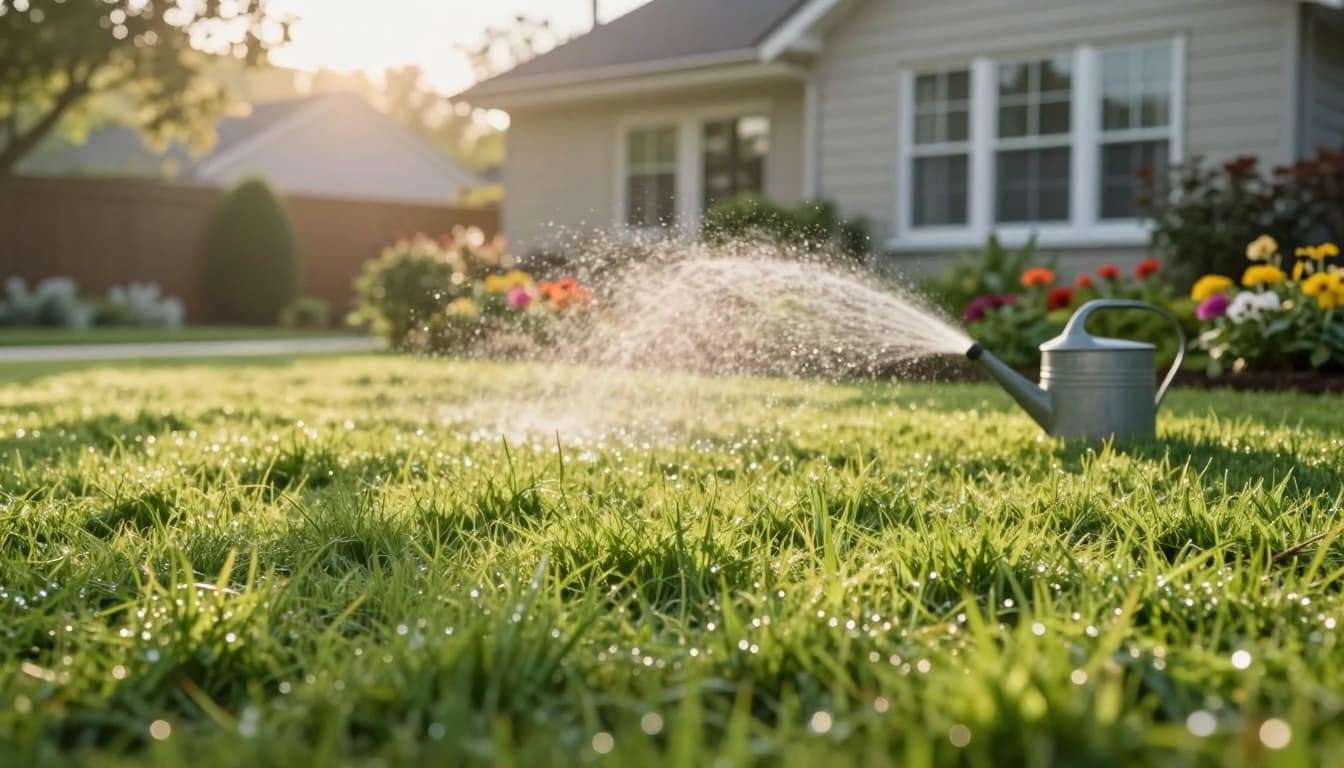




Have you ever wondered why your lawn isn’t thriving despite your best efforts? The secret may lie in the timing of your irrigation. Understanding the best time of day to water lawn is crucial for maintaining a lush, green landscape, especially in Connecticut’s unique climate.
Cool-season grasses require specific irrigation strategies to flourish. Experts emphasize that proper hydration timing is the foundation of a resilient yard. By following the right schedule, you can promote deep root development and ensure your turf remains healthy throughout the season.
This guide will provide you with authoritative insights to optimize your irrigation practices. You will learn how to avoid common mistakes that can lead to lawn damage.
Key Takeaways
- Timing is essential for effective lawn hydration.
- Early morning watering is preferred to minimize evaporation.
- Watering at night can lead to fungal issues.
- Proper irrigation promotes deep root growth.
- Adjust your schedule based on local weather conditions.
Quick Answer
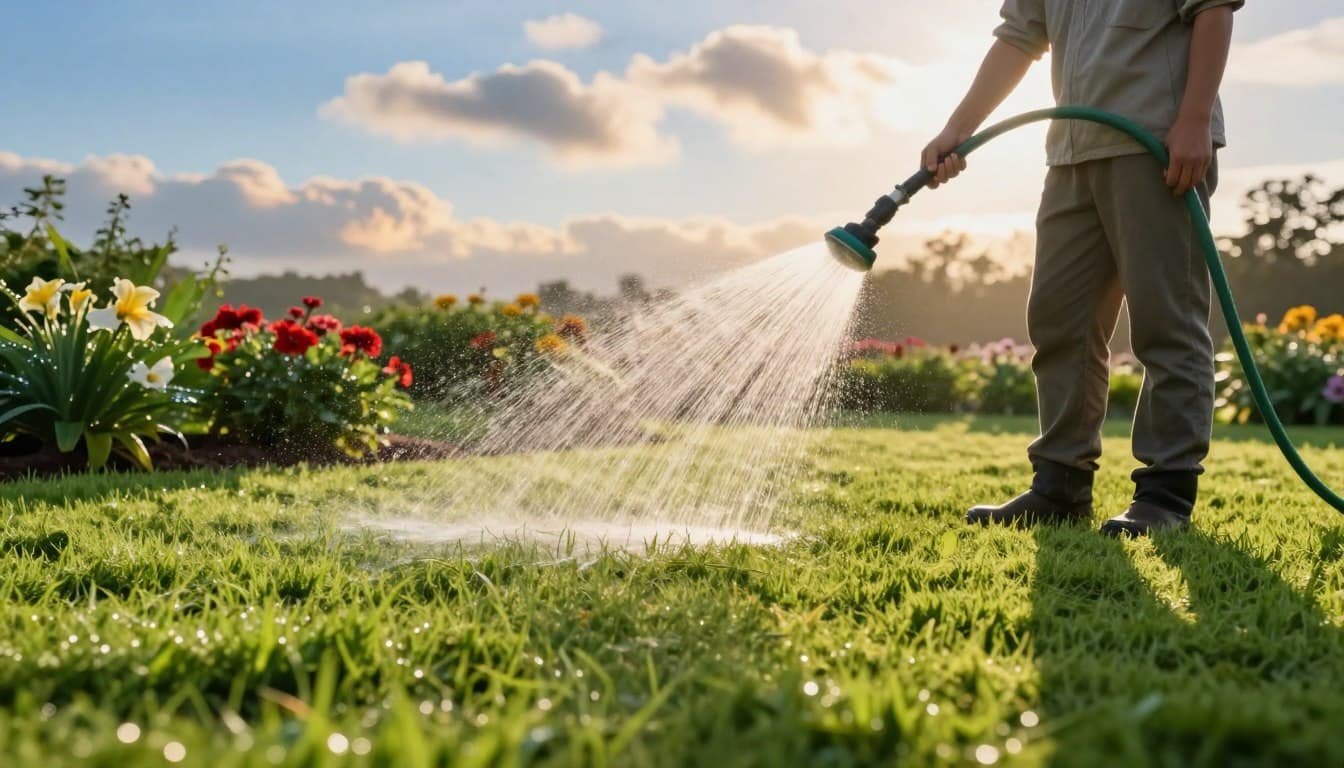
Is your lawn struggling to reach its full potential? The ideal window for irrigation is early morning, specifically between 6 a.m. and 10 a.m. This timing helps maximize absorption while minimizing evaporation losses.
Watering during these hours allows moisture to penetrate the soil effectively. It ensures that grass blades dry quickly, significantly reducing the risk of fungal diseases. Connecticut homeowners should prioritize this schedule to support cool-season grasses like Kentucky bluegrass.
By adhering to this early morning routine, you ensure that water reaches the root zone. This practice prevents water loss to the atmosphere or wind. Consistent watering during these cooler hours helps maintain turf health, avoiding issues linked to irregular or nighttime watering habits.
| Time Frame | Benefits | Recommended For |
|---|---|---|
| 6 a.m. – 7 a.m. | Maximized soil absorption | All grass types |
| 7 a.m. – 8 a.m. | Reduced evaporation | Cool-season grasses |
| 8 a.m. – 10 a.m. | Minimized disease risk | Heat-sensitive lawns |
Essential Steps for Proper Lawn Watering
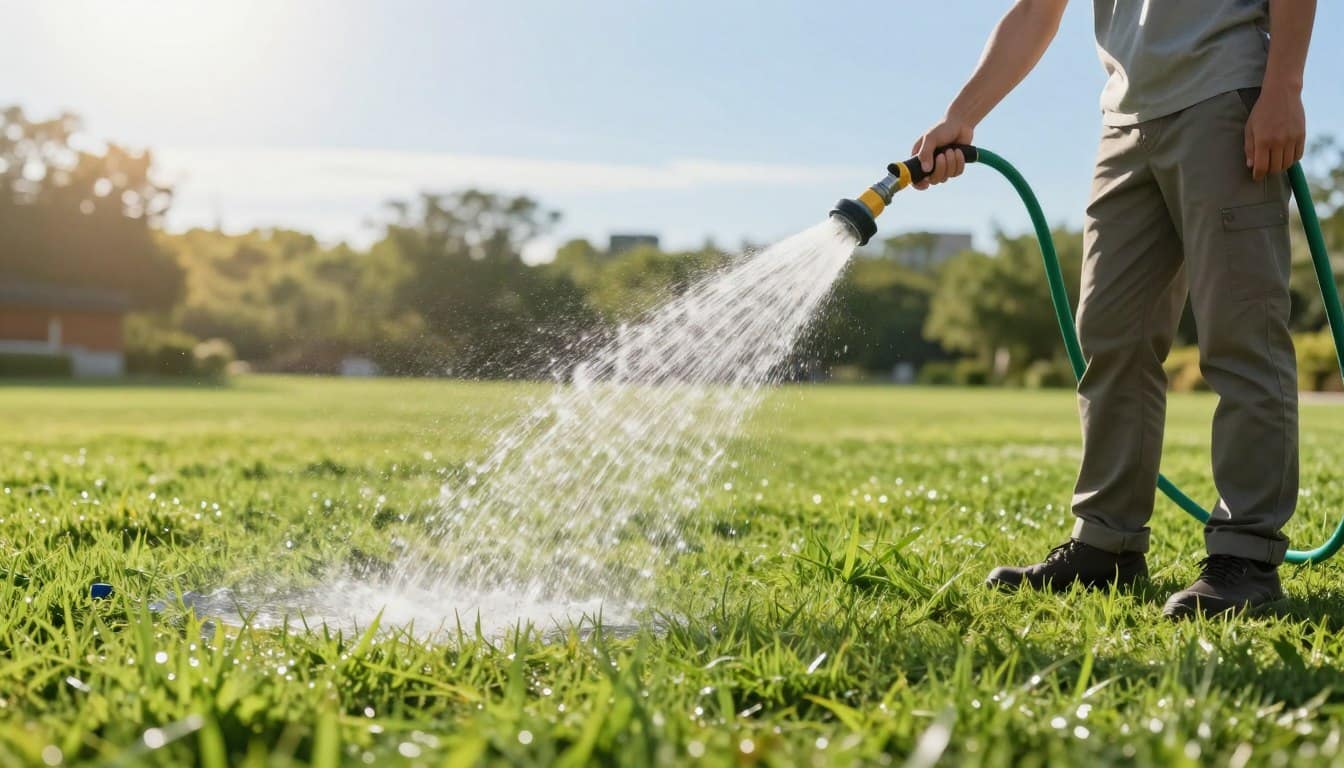
Are you puzzled by the lack of growth in your lawn? Understanding your grass’s unique needs is vital for its health. Most lawns require 1 to 1.5 inches of water weekly to thrive. Assessing your lawn needs involves checking soil moisture levels and observing how your specific grass variety responds to Connecticut’s weather.
Implementing proper watering techniques is essential. Focus on deep, infrequent sessions rather than light, daily sprinkling. This approach encourages deeper root systems, making your turf more resilient. Aim to water deeply, ensuring moisture penetrates at least six inches into the soil.
Monitoring your grass for signs of stress is crucial. Look for a dull blue-green color or footprints that remain visible. These indicators help you determine when irrigation is necessary. A simple rain gauge or the tuna can method can measure how much water your lawn receives during each session.
| Watering Technique | Description | Benefits |
|---|---|---|
| Deep Watering | Watering thoroughly and less frequently | Encourages deep root growth |
| Surface Watering | Frequent light watering | Promotes shallow root systems |
| Rain Gauge Method | Using a gauge to measure water intake | Ensures accurate watering amounts |
Benefits of Early Morning Watering

Is your turf not as lush as you had hoped it would be? Early morning irrigation offers significant advantages for your grass. This method is not just about timing; it can drastically improve your lawn’s health.
Watering in the early morning takes advantage of lower temperatures and calmer winds. This combination significantly reduces the rate of evaporation from the soil surface. When you apply water before 10 a.m., the moisture has ample time to soak into the root zone.
This practice ensures that your grass receives the maximum benefit from every drop of water. By avoiding the heat of the day, you prevent water from evaporating before it can be absorbed by the thirsty roots of your cool-season grasses.
Consistent morning irrigation supports overall lawn health. It provides a steady supply of moisture essential for sustained growth and vibrant color.
Avoiding Common Watering Mistakes
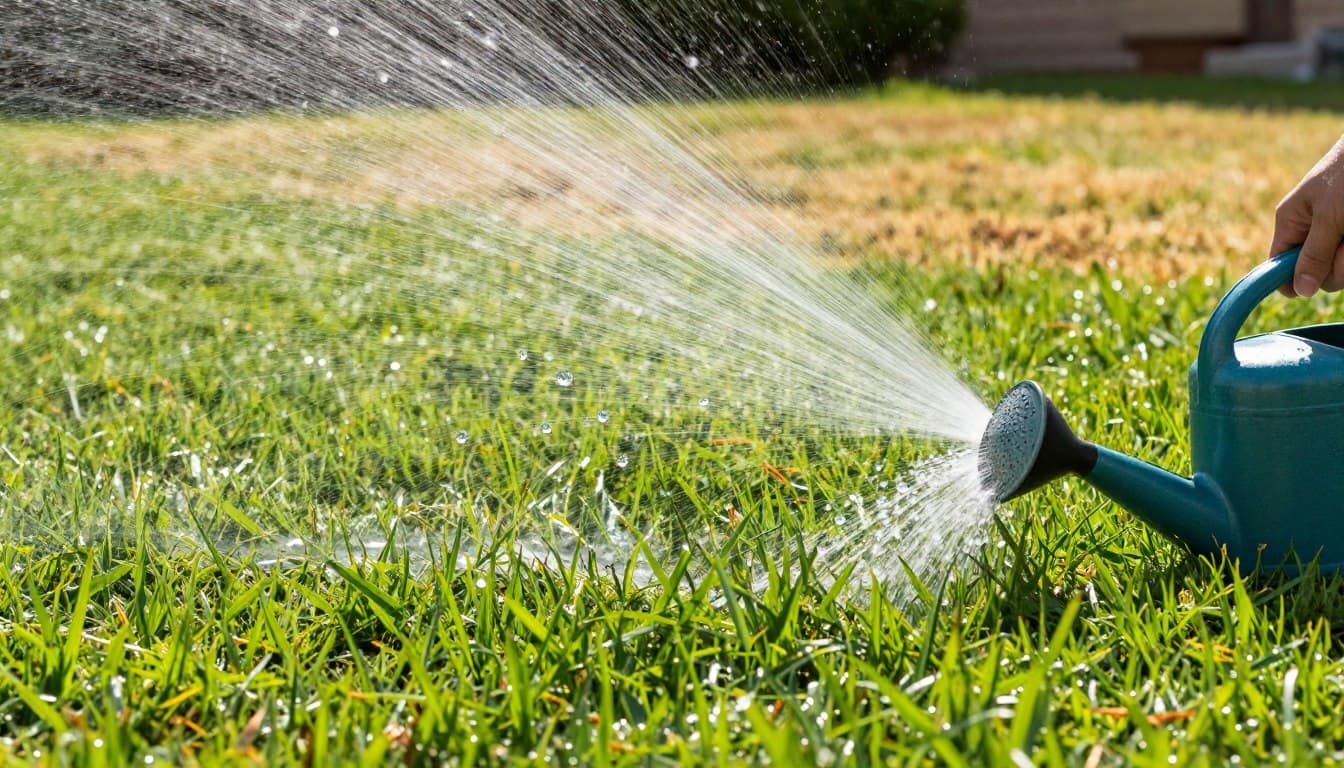
Are you aware of the common pitfalls that can hinder your lawn’s growth? Understanding these mistakes is essential for maintaining a healthy yard. One major issue is watering at night. This practice keeps grass blades wet for extended periods, creating an ideal environment for fungal and bacterial diseases.
Eliminating nighttime watering is critical. If you must irrigate, always choose early morning hours. This timing allows the foliage to dry out during the day, reducing disease risk.
Another common mistake is watering during midday. The intense sun and heat cause a significant amount of water to evaporate before it even reaches the soil. This inefficiency can lead to unnecessary stress on your turf.
By avoiding these mistakes, you protect your lawn from wilting and the development of unsightly brown patches. Proper management of your irrigation schedule ensures that your lawn remains vibrant and healthy throughout the summer months.
Guidelines for the best time of day to water lawn
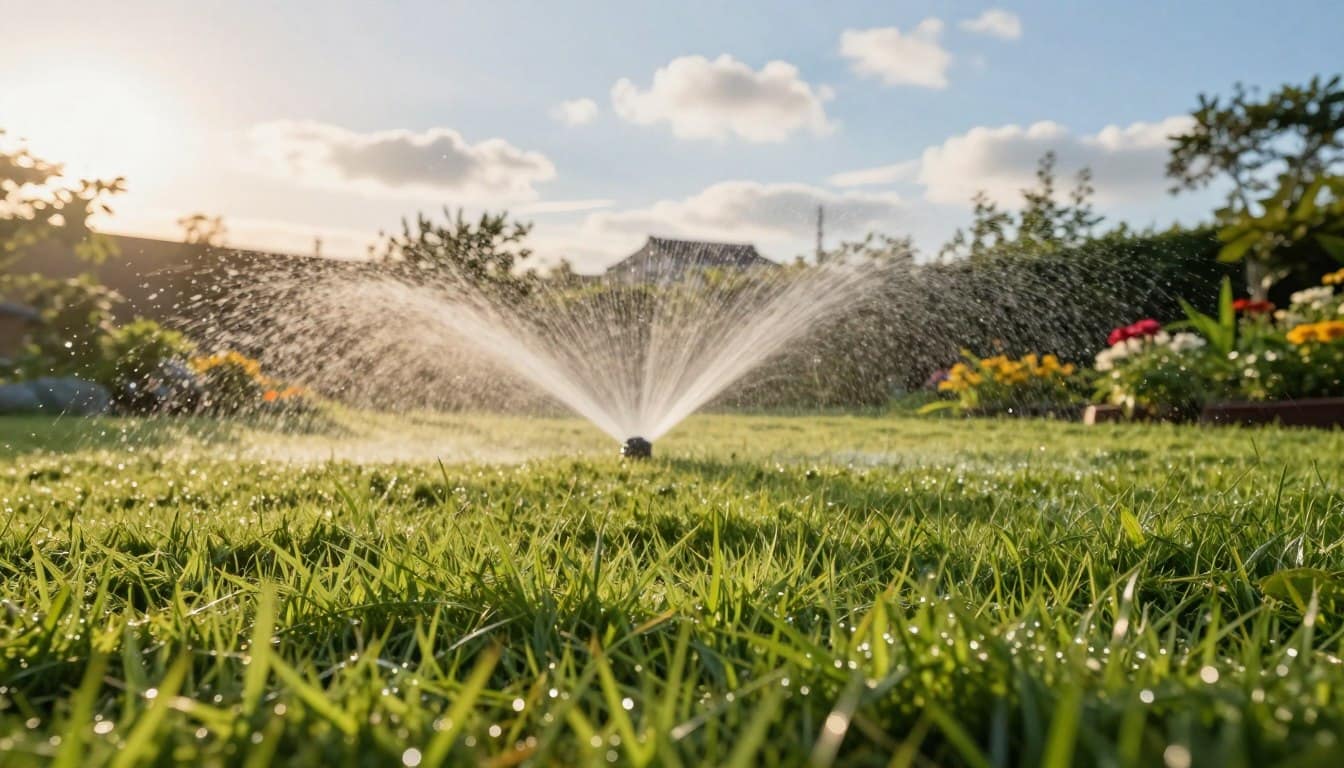
Have you considered how the timing of your irrigation impacts your grass’s health? The roots require consistent moisture in the upper six inches of soil. This is vital for maintaining structural integrity and drought resistance.
Watering early in the morning is crucial. This practice allows the root system to absorb moisture effectively. Optimal timing ensures that water penetrates deep into the soil profile, which is essential for the long-term health of cool-season grass varieties.
By focusing on the root zone, you encourage deeper grass growth. This makes your lawn more capable of surviving dry spells common in Connecticut summers. Such a strategic approach minimizes the need for frequent irrigation.
Additionally, always monitor your local weather forecast. Adjust your timing to avoid unnecessary watering when rain is expected in your area.
- Watering early in the morning enhances moisture absorption.
- Deep penetration supports the health of cool-season grasses.
- Encouraging deeper roots increases drought resistance.
- This method reduces the frequency of watering needed.
- Stay informed about weather changes for effective irrigation.
Local CT Tips for Lawn Care
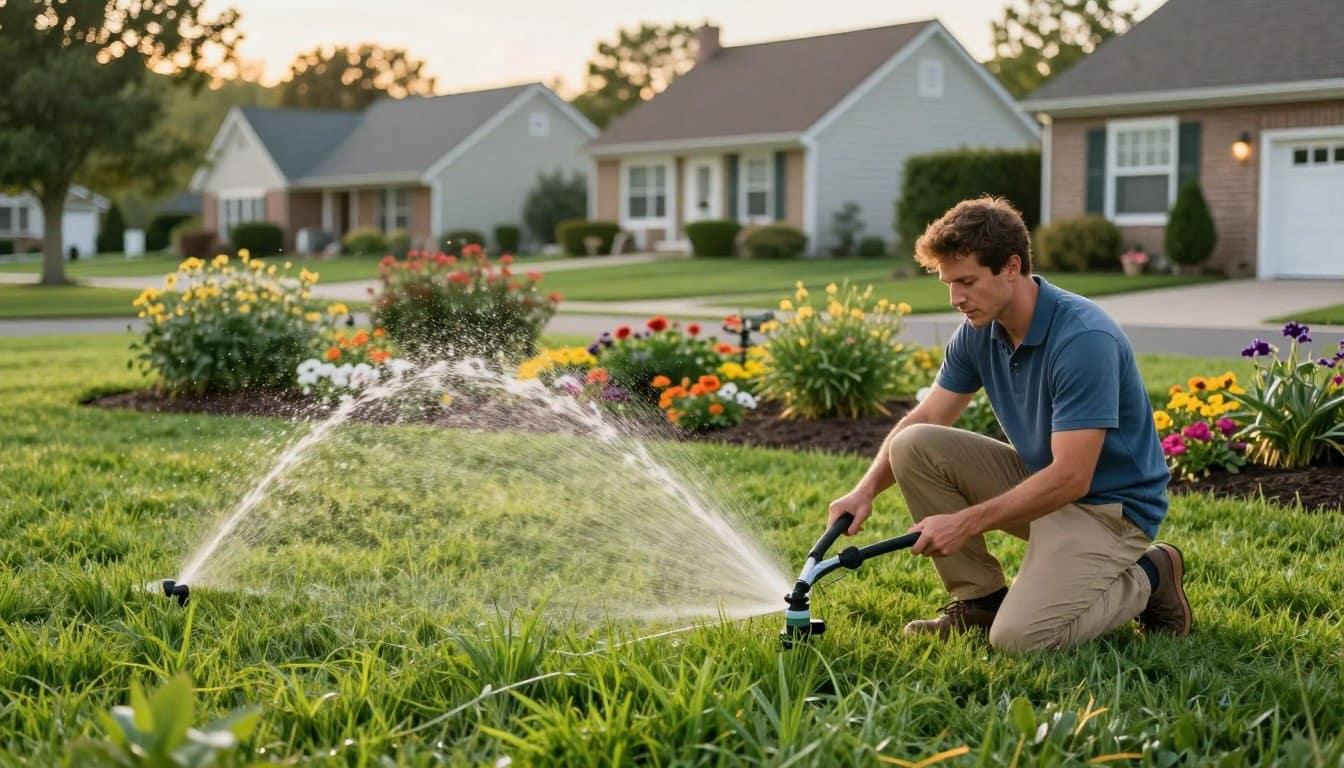
Are you curious about what might be holding back your lawn’s growth? Understanding Connecticut’s unique climate and soil characteristics is essential for effective lawn care. The region’s cool springs and warm summers create ideal conditions for cool-season grasses like Kentucky bluegrass and fine fescue.
In Connecticut, soil often contains clay, which retains moisture longer than sandy soils. This means your watering schedule can be adjusted accordingly. Here are some important considerations:
- Connecticut’s climate is well-suited for cool-season grasses.
- Clay-heavy soils may require less frequent irrigation compared to sandy types.
- Lawns benefit from deep watering schedules that utilize local soil moisture retention.
- Monitor grass closely during high temperatures for signs of heat stress.
- Consult with local experts for tailored lawn care strategies.
| Soil Type | Moisture Retention | Watering Frequency |
|---|---|---|
| Clay | High | Less frequent |
| Sandy | Low | More frequent |
| Loamy | Moderate | Regular |
Irrigation System Setup & Maintenance
Do you know that an efficient irrigation system can significantly enhance your lawn’s growth? Choosing the right setup is crucial for effective watering. It involves assessing your yard’s layout and the water pressure available at your home.
Regular maintenance is essential. This ensures that all sprinkler heads function correctly, providing even coverage across your entire lawn. An automated system can be programmed to operate during early morning hours, keeping your schedule consistent even when you’re busy.
Additionally, inspect your system regularly for leaks or clogged nozzles. This prevents uneven watering and guarantees that every part of your lawn receives the moisture it needs. Investing in a high-quality irrigation setup is a wise choice. It protects your landscape investment and promotes long-term health for your grass.
Adjusting Watering Schedules with Weather Changes
Do you realize that weather changes can significantly influence how often you should irrigate your grass? Adjusting your watering schedule based on local rainfall is essential for conserving water and preventing soil over-saturation.
If your area receives more than one inch of rainfall in a week, you can typically skip your scheduled irrigation session. This practice not only saves water but also keeps your soil from becoming overly wet.
During extended dry periods, you may need to increase the frequency of your deep watering sessions. This helps prevent your grass from entering dormancy and keeps it healthy.
Always check the weather forecast before running your irrigation system. This way, you can avoid watering when heavy rain is expected in your area.
- Tailoring your approach to current weather helps maintain a healthy balance of moisture in the soil.
- Being proactive with your schedule allows you to respond effectively to the unpredictable nature of Connecticut weather.
Incorporating Fertilization with Watering
Could the timing of your fertilization be affecting your lawn’s vitality? Fertilization is essential for promoting healthy growth. To maximize its effectiveness, it should follow a light watering session. This helps nutrients penetrate the soil and reach the root zone.
Timing fertilization to align with your deep watering sessions is crucial. Apply fertilizer just before a light rain or your scheduled irrigation. This coordinated approach allows nutrients to effectively reach the grass roots.
Such synchronization promotes vigorous growth, ensuring your lawn thrives throughout the active season. Always adhere to the manufacturer’s instructions for application rates. This prevents grass burning and excessive runoff into local water sources.
A well-fed and properly hydrated lawn is more resistant to weeds, pests, and environmental stresses common in Connecticut. By combining fertilization with your watering schedule, you enhance the overall health of your landscape.
Deep vs. Shallow Watering Strategies
Could the way you water your grass be limiting its growth potential? Understanding the difference between deep and shallow watering is essential for maintaining a healthy lawn.
Deep watering encourages roots to grow downward, creating a more robust and drought-resistant turf structure. This method helps your grass survive during hot, dry summer months.
In contrast, shallow watering keeps moisture near the surface. This encourages weak, shallow roots that are highly susceptible to heat and drought stress.
By applying water deeply and infrequently, you force the grass to search for moisture. This practice naturally strengthens the entire root system.
Consistent deep watering sessions are the most effective way to ensure that your grass remains green and vibrant, even when rainfall is scarce. This method is essential for maintaining a lush lawn that can withstand Connecticut’s variable weather conditions.
Handling Unique Lawn Challenges
Are you struggling to keep your lawn healthy amidst varying conditions? Understanding how to assess your grass’s hydration needs is essential. One effective method is the footprint test, a simple way to check if your lawn requires immediate irrigation.
If your footprints remain visible after stepping on the grass, it likely indicates dehydration. In contrast, healthy grass will spring back quickly, showing that soil moisture levels are adequate. This practical approach helps you avoid overwatering, which can lead to soggy soil and encourage fungal diseases.
Addressing unique challenges like compacted soil or shaded areas may require adjustments to your watering frequency. Ensuring even moisture distribution is key to maintaining a resilient turf. Regularly monitoring your lawn’s response to foot traffic is a great habit for any homeowner aiming for a lush, healthy landscape.
- Use the footprint test to assess soil moisture levels effectively.
- Visible footprints indicate dehydration and the need for watering.
- Healthy grass will bounce back quickly after being stepped on.
- Avoid overwatering to prevent soggy soil and fungal issues.
- Adjust watering frequency for compacted or shaded areas.
Structured Watering Data for Lawn Health
Are you struggling to determine the right amount of moisture your grass needs for optimal growth? Most lawns require 1 to 1.5 inches of water per week to maintain vibrant health and color. Providing the correct amount of water per week is essential for withstanding environmental stressors.
The key to success is watering in a way that encourages deep root development rather than relying on frequent, shallow applications. Our structured data highlights the importance of deep watering, which is crucial for promoting long-term turf health and drought resistance.
By following these guidelines, you can ensure that your grass receives the optimal moisture needed for consistent growth throughout the season. Referencing the table below will help you make informed decisions about your irrigation practices and improve the overall quality of your landscape.
Key Watering Tips
- Watering should aim for 1 to 1.5 inches per week.
- Deep watering encourages strong root systems.
- Avoid frequent shallow watering to prevent weak grass.
- Monitor your lawn’s response to adjust watering as needed.
- Use a rain gauge to track water amounts accurately.
Comparison of Watering Techniques
| Technique | Description | Benefits |
|---|---|---|
| Deep Watering | Infrequent, thorough watering sessions | Promotes deep root growth |
| Shallow Watering | Frequent, light watering | Encourages shallow roots, less resilient |
| Rain Gauge Method | Measuring water intake during watering | Ensures accurate watering amounts |
Watering Myths vs. Facts
Do misconceptions about watering practices leave you unsure of how to care for your lawn? Understanding the truth behind common myths is vital for maintaining a healthy landscape.
Many homeowners mistakenly believe that watering at night is beneficial. In reality, this practice increases the risk of fungal disease by keeping grass blades wet for too long. It creates a perfect environment for harmful fungi to thrive.
Another misconception is that grass blades should remain wet throughout the day. However, they need to dry out to prevent rot and mold. Proper irrigation practices promote healthier grass and reduce disease risks.
By understanding these facts about irrigation, you can make better choices that protect your grass. This knowledge saves you time and money in the long run. Relying on expert-backed information ensures your lawn care routine is based on science rather than outdated advice.
Seasonal Watering Adjustments
Do you find it challenging to adjust your watering habits as the seasons shift? Understanding how seasonal changes affect your grass’s hydration needs is essential for maintaining a healthy lawn.
During the summer, you may need to increase your watering frequency due to higher temperatures and faster evaporation rates. This ensures your grass receives the moisture it needs to thrive.
Seasonal adjustments are necessary because your lawn’s water needs change significantly from the rapid growth of spring to the heat of summer. In the fall, continue to monitor moisture levels, especially for cool-season grasses recovering from summer heat.
Winter considerations are minimal in Connecticut, as most lawns go dormant once temperatures consistently fall below 40 degrees Fahrenheit. Each day brings different environmental conditions, so staying flexible with your irrigation schedule is key to maintaining a healthy landscape year-round.
Proper timing throughout the year ensures that your grass is always prepared for the next season, whether it is entering growth or dormancy.
Innovative Practices for Water Conservation
Are you interested in how modern innovations can enhance your watering practices? Embracing new technology in irrigation systems can make a significant difference in how you care for your grass.
Smart irrigation controllers are at the forefront of this movement. They automatically adjust the amount of water applied based on real-time local weather data. This ensures that your lawn receives the right amount of moisture without wasting resources.
Additionally, innovative practices like installing rain sensors can further enhance your water conservation efforts. These sensors prevent over-saturation by halting irrigation when sufficient rainfall has occurred.
Upgrading your irrigation system is a proactive step toward a more sustainable landscape. By leveraging these modern tools, you can achieve a lush, green lawn while being a responsible steward of your local water supply.
| Technology | Description | Benefits |
|---|---|---|
| Smart Controllers | Automatically adjust watering based on weather | Reduces water waste |
| Rain Sensors | Detect rainfall and stop irrigation | Prevents over-watering |
| Soil Moisture Sensors | Measure soil moisture levels | Ensures optimal watering |
Conclusion
Is maintaining a healthy lawn amidst changing weather patterns a challenge for you? Proper watering is essential for ensuring your grass thrives in Connecticut’s unique climate. By adopting an early morning schedule and focusing on deep, infrequent irrigation, you can promote strong root growth and enhance turf resilience.
It’s crucial to monitor soil moisture and adjust your watering frequency based on local rainfall and your grass variety’s specific needs. If you’re uncertain about your current irrigation setup, reach out to the professionals at ctlawn.net for a free estimate and ex pert guidance.
Consistent, data-driven care will keep your lawn a beautiful asset throughout the growing season. Visit ctlawn.net today to explore our comprehensive lawn care services and discover how we can help you achieve the perfect yard.