
Have you ever wondered if your grass is truly thriving or just surviving? Understanding the necessity of a turf dethatching lawn project begins with recognizing the layer of organic debris that accumulates at the base of your grass. This layer, known as thatch, can significantly impact the health of your green space.
According to P. Landschoot from the Pennsylvania State University Center for Turfgrass Science, managing this layer is essential for successful long-term care. A quick 30-second visual inspection can help you determine if it’s time to take action. A healthy area typically maintains a thin layer of organic material, but too much buildup can signal the need for professional intervention.
Recognizing the early signs of thatch accumulation allows homeowners to protect their grassy areas from heat, drought, and stress throughout the year. Proper techniques help restore the natural balance of your soil, ensuring nutrients and water reach the roots effectively.
Key Takeaways
- Thatch is a layer of organic material that can impact grass health.
- A simple visual inspection can determine if dethatching is needed.
- Excessive thatch can block nutrients and water from reaching roots.
- Recognizing signs of thatch helps protect your grass from stress.
- Effective dethatching techniques improve soil health and grass growth.
- For more information, visit this resource.
Understanding Thatch: Benefits and Drawbacks
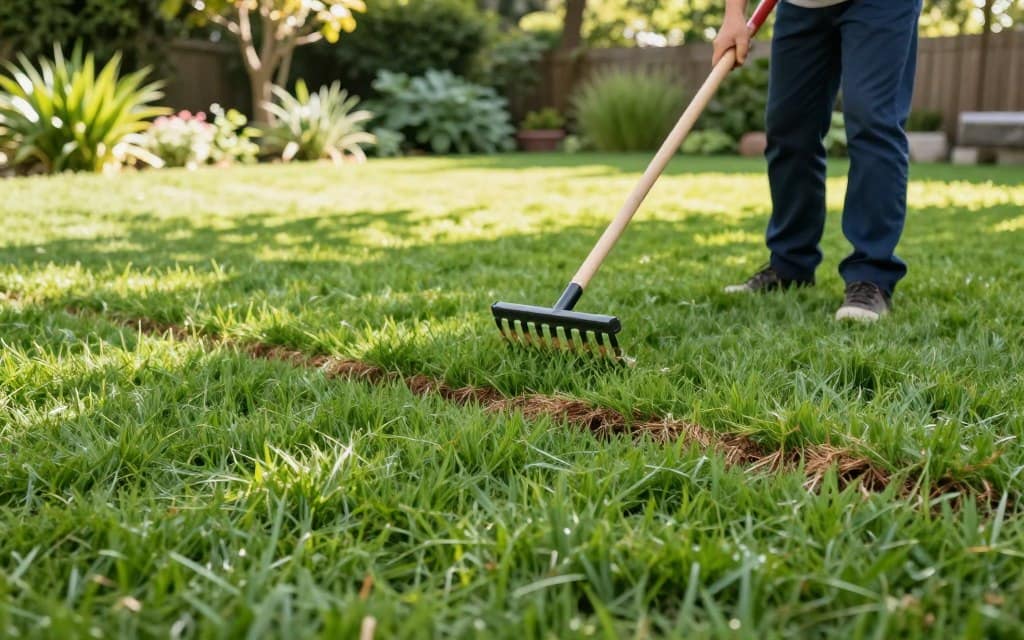
Thatch is a layer of dead grass and organic matter that forms between the green blades and the soil surface. A thin thatch layer, measuring less than 1/2 inch, can be beneficial. It acts as a natural mulch, helping retain moisture and providing nutrients.
However, when thatch buildup exceeds 1 inch, it becomes problematic. This dense layer can block water and fertilizer from reaching the soil, suffocating grass roots. Additionally, it can trap moisture, creating an environment for pests and diseases.
Monitoring thatch levels is crucial for effective lawn care. If the layer of dead grass becomes too thick, it can lead to a spongy texture and limit oxygen access to the soil. Understanding the balance between beneficial mulch and harmful thatch is essential for maintaining a healthy green space.
| Thatch Thickness | Impact on Lawn | Recommended Action |
|---|---|---|
| Less than 1/2 inch | Beneficial, retains moisture | No action needed |
| 1/2 inch to 1 inch | Potential barrier to nutrients | Monitor regularly |
| More than 1 inch | Blocks water and nutrients | Consider dethatching |
Signs Your Lawn May Need Dethatching
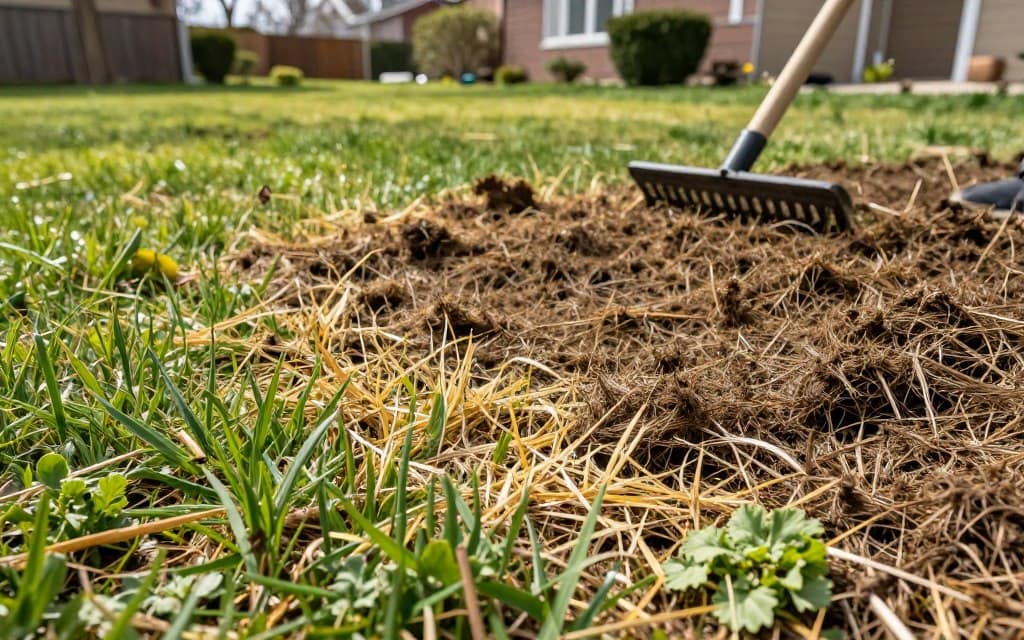
Is your grass showing signs that it needs a little extra care? Recognizing these indicators can help you maintain a healthy green space. Here are some visual cues to watch for:
- If the surface feels bouncy or springy when you walk on it, this could indicate a thick layer of thatch.
- Thinning grass that doesn’t respond well to watering and nutrients may be a sign that thatch is blocking access to the soil.
- You can perform a simple test by digging a small wedge of soil to measure the organic layer beneath your grass.
- When grass roots become trapped in the thatch layer, they can suffer from heat stress and drought.
- Excessive thatch buildup often leads to uneven growth patterns and bare patches.
- If water forms puddles instead of soaking into the soil, this is a clear sign of dense thatch.
- Regular monitoring of your grass can help you catch these issues early, preventing the need for more aggressive care later on.
For more detailed guidance on the necessity of dethatching, consider checking out this resource that explains the process.
| Thatch Thickness | Impact on Grass | Recommended Action |
|---|---|---|
| Less than 1/2 inch | Beneficial for moisture retention | No action needed |
| 1/2 inch to 1 inch | Potential barrier to nutrients | Monitor regularly |
| More than 1 inch | Blocks water and nutrients | Consider dethatching |
Turf dethatching lawn: When It’s Time
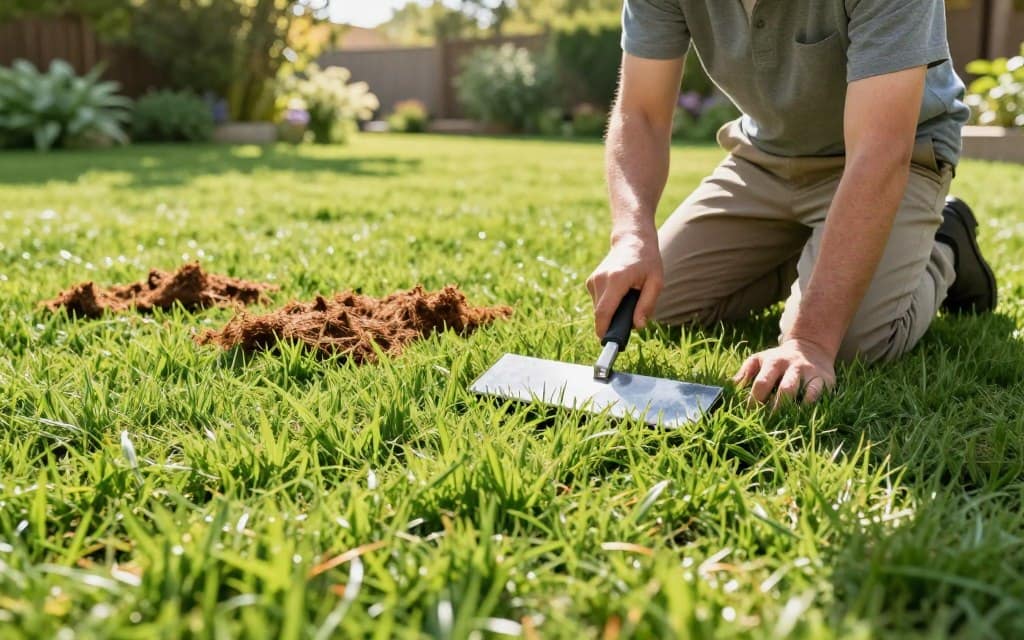
Knowing when to take action against thatch is essential for maintaining a vibrant green space. The timing of dethatching largely depends on the type of grass you have. Different grass types have unique growth cycles that influence when they should be dethatched.
For cool-season grasses, the best time to dethatch is late summer or early fall. This allows the grass to recover during its peak growth period. In contrast, warm-season grasses should be dethatched after spring green-up, as they enter their early summer growth phase.
Measuring Thatch Thickness
It’s important to dethatch when the thatch layer exceeds 1/2 inch. At this point, it starts to impede soil health and nutrient absorption. Regular soil tests can also help you maintain the right pH levels for optimal grass growth.
Here are some tips for effective dethatching:
- Avoid dethatching when your grass is dormant to prevent root damage.
- Align your dethatching schedule with your grass type’s active growth season for quicker recovery.
- Removing too much material at once can expose your soil to environmental stressors.
Timing and Seasonal Considerations for Dethatching
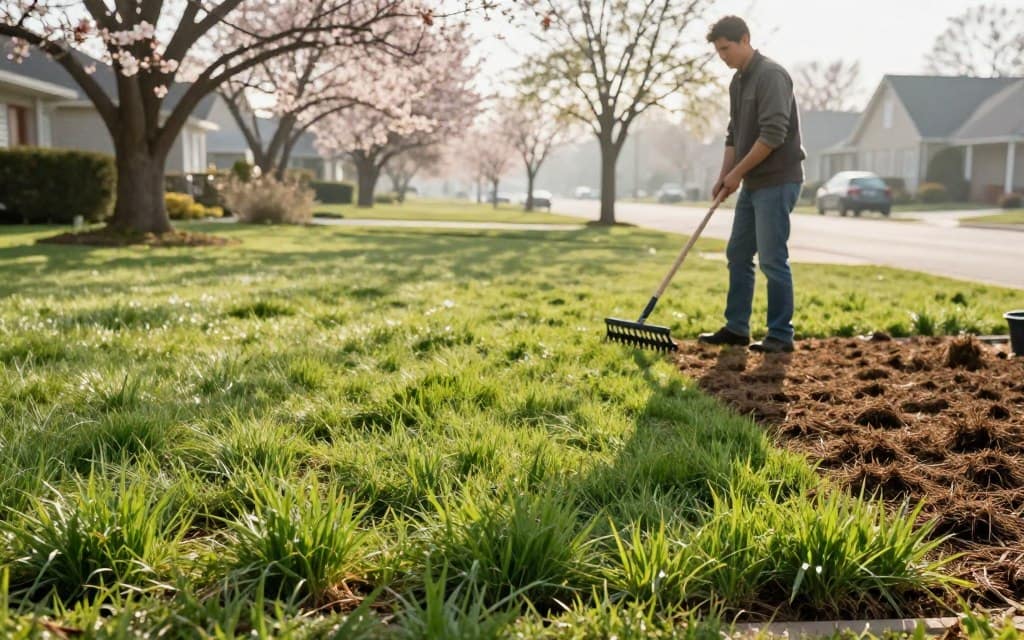
Timing is crucial for effective care of your grass, especially when it comes to thatch management. Successful lawn care requires aligning your dethatching efforts with the peak growth cycles of your specific grass type.
In the United States, cool-season grasses benefit most from dethatching in early fall. On the other hand, warm-season grasses thrive when dethatched in late spring. Providing adequate water after dethatching helps the soil and roots recover, ensuring your grass remains healthy throughout the summer.
Here are some key considerations:
- Remove excess clippings and debris in spring to prevent thatch buildup.
- Monitor the weather forecast to ensure recovery time before extreme temperatures.
- A well-timed dethatching session encourages new grass growth and improves overall density.
- Never dethatch when your grass is dormant or stressed, as this can cause lasting damage.
| Grass Type | Optimal Dethatching Time | Recovery Tips |
|---|---|---|
| Cool-Season Grasses | Early Fall | Water regularly to support growth |
| Warm-Season Grasses | Late Spring | Ensure soil is moist before dethatching |
| All Types | Avoid Dormant Seasons | Monitor weather for recovery |
By following these seasonal guidelines, you can maintain a beautiful green space while minimizing stress on your grass.
For more information on when to dethatch, visit this resource.
Tools and Techniques for Effective Dethatching
Choosing the right tools can make a significant difference in your grass care efforts. There are various options available, ranging from manual to powered equipment. Each has its own benefits, depending on the thickness of the thatch layer and the size of your area.
Manual Versus Powered Equipment
Manual dethatching rakes are heavy, short-tined tools designed to dig into the grass and pull up thatch as you rake. They are suitable for small areas and can be quite effective. On the other hand, power rakes and vertical mowers work best for lawns with thicker thatch layers that require more intensive removal.
Proper Setup and Safety Tips
When using a power mower or vertical mower, ensure the blades are set to just touch the soil surface. This avoids damaging the roots. Always wear appropriate safety gear to protect yourself from flying debris during the dethatching process.
After using a rake or machine, collect all loose material from the surface. This prevents it from suffocating the grass. Proper setup of your equipment ensures that you remove the thick thatch layer without scalping the grass or tearing up the healthy turf.
Regular maintenance of your tools, such as sharpening the blades, will make the dethatching lawn project much more efficient and less physically demanding.
Integrating Dethatching into Your Lawn Care Routine
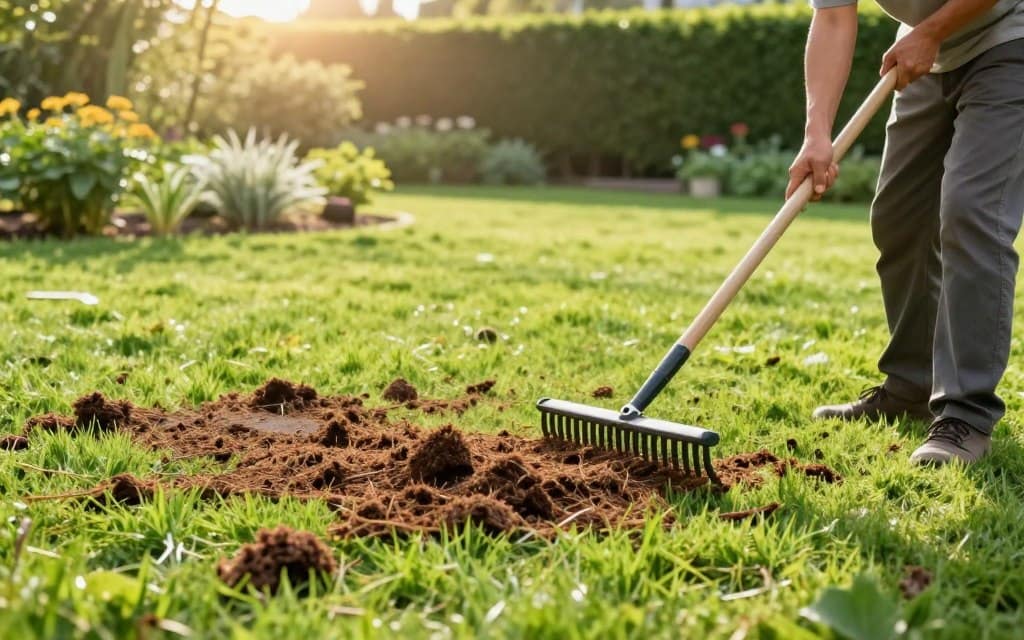
To maintain a lush and vibrant green space, it’s essential to integrate effective care practices. One of the best combinations for a healthy yard is aeration and dethatching. Aeration removes cores of soil, creating pathways for water and nutrients to penetrate the thatch layer and compacted soil.
Dethatching first clears the surface barrier, making it easier for aeration to effectively reach the roots. This process allows oxygen and moisture to nourish the grass, promoting robust growth.
After completing these tasks, using a high-quality mower to collect clippings ensures a clean surface. This promotes rapid grass recovery and growth. A healthy yard is maintained by combining these practices, which work together to break down thatch and improve overall soil structure.
Additionally, you can use a rake to gather any remaining debris, preparing your yard for overseeding or fertilization. Consistent care, including proper mowing and watering, prevents the thatch layer from returning and keeps your grass looking its best.
By following these professional techniques, you can ensure that your yard remains a vibrant and healthy part of your home landscape.
DIY vs Professional Dethatching Approaches
When it comes to managing thatch, homeowners often face a choice between DIY efforts and hiring professionals. Each approach has its own set of benefits and challenges that can influence your decision.
Benefits and Drawbacks of DIY
Taking a DIY approach to dethatching can be rewarding. You control the timing and height of your mower blades, allowing for personalized care. However, this method can be physically demanding, especially for larger areas.
If you choose to go the DIY route, ensure you have the right rake or power tool. It’s best to tackle this task during late summer when conditions are favorable.
When to Hire a Lawn Care Professional
For extensive lawns or thick thatch layers exceeding 2 inches, hiring a professional is often wise. They possess specialized equipment and expertise to remove organic matter without harming your grass.
Professional services typically range from $100 to $350, depending on lawn size and job complexity. This option saves you time and effort, as they also handle debris removal.
Ultimately, the goal of any lawn care strategy is to maintain a healthy environment where your grass can thrive throughout the year. For more information on professional services, visit this resource.
Conclusion
A vibrant yard is the result of consistent care and timely interventions. Maintaining a healthy green space requires regular attention to the thatch layer that naturally accumulates at the base of your grass. By learning to identify the signs of excess buildup, you can take proactive steps to keep your yard in top condition.
Whether you choose to handle the work yourself or hire a professional, timely action is vital for long-term care. A little thatch can be beneficial, but keeping it under control ensures your grass roots receive the nutrients they need. With the right tools and a solid plan, you can enjoy a lush, green landscape that enhances your home’s beauty.
Regular monitoring and proper seasonal maintenance will prevent future problems and keep your green space thriving for years to come.