



What if the secret to a lush lawn isn’t more fertilizer, but removing something you can’t even see? Many property owners diligently feed their grass, yet see disappointing results—the grass stays thin, patchy, or pale despite regular care. Often, the culprit is a thick, suffocating layer of organic debris that requires professional turf dethatching. Without addressing this hidden barrier, your expensive nutrients never actually reach the roots, making turf dethatching the essential first step to unlocking your lawn’s true potential.A hidden layer called thatch is often the real problem. It’s a dense mat of old roots and stems between the soil and green blades. When too thick, it blocks everything your lawn needs.
Fertilizer, water, and air cannot reach the root zone. Your lawn care efforts are essentially wasted. Understanding this barrier is the first step to reviving your property.
This guide reveals why a professional turf dethatching Homewood, IL service can be the game-changer. It explains how removing thatch lets your lawn finally absorb nutrients. You can achieve the vibrant, healthy landscape you desire.
Key Takeaways
- Fertilizer often fails because of a hidden thatch layer, not poor product quality.
- Thatch is a compact layer of organic debris sitting on top of your soil.
- A thatch layer over half an inch thick blocks vital nutrients and water from reaching grass roots.
- Identifying excessive thatch is crucial for effective lawn care.
- Professional dethatching removes this barrier, allowing your lawn to thrive.
- Addressing thatch can transform an unresponsive yard into a lush, green space.
- Proper lawn maintenance requires looking below the surface, not just applying more fertilizer.
Understanding Thatch and Its Impact on Lawn Health
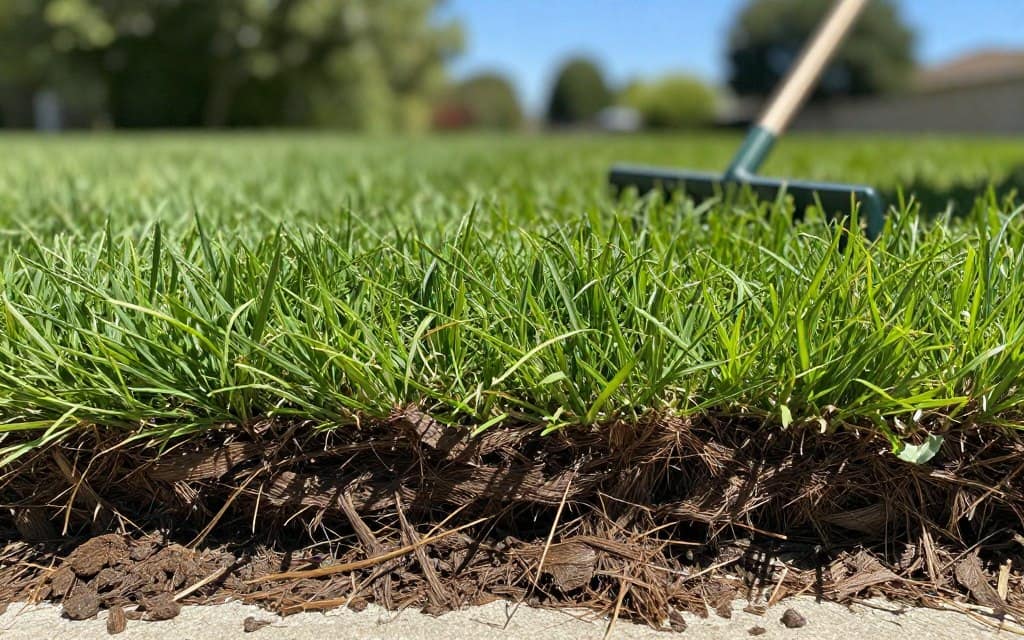
Many lawn problems originate not from what you add, but from a barrier that forms naturally over time. This layer, called thatch, sits between the green grass blades and the soil. It directly influences the overall health and vitality of your property.
What is Thatch and How Does It Form?
Thatch is a dense mat of living and dead organic matter. It includes stems, roots, and rhizomes. This layer accumulates when plant material is produced faster than soil microbes can break it down.
A thin layer, under half an inch, is actually helpful. It insulates roots and helps retain moisture. Problems begin when this layer becomes too thick.
Distinguishing Thatch from Natural Lawn Debris
It’s important to separate thatch from surface debris. Grass clippings and leaves decompose quickly. Thatch forms a persistent mat at the soil line.
Excessive thatch blocks water, air, and nutrients from reaching the soil. This stifles root growth and can harbor pests. Regular care involves monitoring this layer to maintain lawn health.
Turf Dethatching Homewood, IL: A Key to Revitalizing Your Lawn
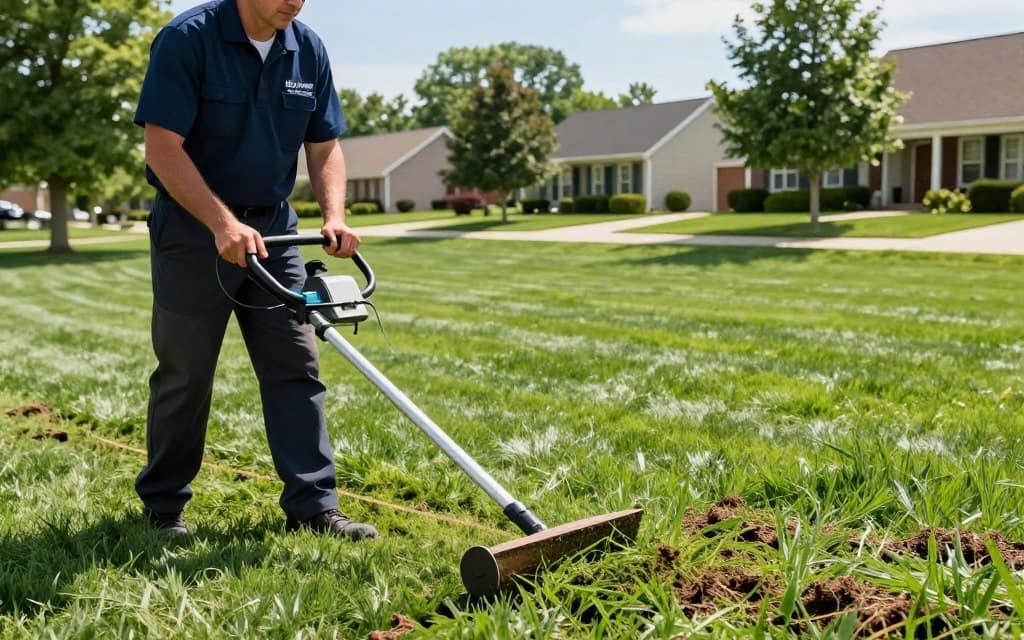
Reviving a lackluster lawn requires more than just feeding it. It demands breaking through a hidden mat. Professional dethatching services physically remove this barrier.
This process allows nutrients, water, and air to reach the root zone again. Your grass can finally absorb what it needs to thrive.
How Dethatching Improves Soil Aeration
Specialized equipment slices vertically into the thatch layer. It pulls up dead material without harming healthy grass.
Removing this compact mat dramatically improves soil aeration. Roots can breathe, and beneficial microbes become more active.
Better air circulation is essential for a balanced lawn ecosystem. It helps break down organic matter naturally.
The Role of Expert Dethatching Services in Homewood
An experienced team understands local soil challenges. Heavy clay soils common here compact easily and retain thatch.
Experts determine the correct depth and technique for your grass type. They ensure effective removal while protecting your turf.
This service removes old growth to make room for new. It can be coordinated with core aeration for comprehensive soil improvement.
| Aspect | Before Dethatching | After Dethatching |
|---|---|---|
| Soil Aeration | Poor; air is blocked by thatch | Excellent; air circulates freely |
| Water Penetration | Slow; water runs off or pools | Rapid; water soaks into soil |
| Fertilizer Effectiveness | Low; nutrients cannot reach roots | High; nutrients are fully absorbed |
| Grass Health | Weak, thin, and prone to disease | Vigorous, thick, and resilient |
Common Causes of Lawn Fertilizer Resistance
When fertilizer fails to green up your lawn, the problem often lies beneath the surface, not in the product. Several underlying conditions can create a barrier, making your feeding schedule ineffective.
Soil Compaction and Poor Drainage
Heavy clay soils, common in areas like Homewood, compact easily. This dense soil prevents nutrients from reaching the root zone.
Water either runs off the surface or becomes trapped. This waterlogging further locks away fertilizer, starving the grass.
Excessive Thatch Build-up Hindering Nutrient Absorption
A thick thatch layer acts like a sponge. It can absorb and hold fertilizer particles within itself.
When this mat exceeds half an inch, it hijacks the nutrients. Your grass roots cannot access the food they need.
The combination of compacted soil and thatch creates a double barrier. This explains why continued lawn care often yields poor results.
How Turf Dethatching Enhances Lawn Growth
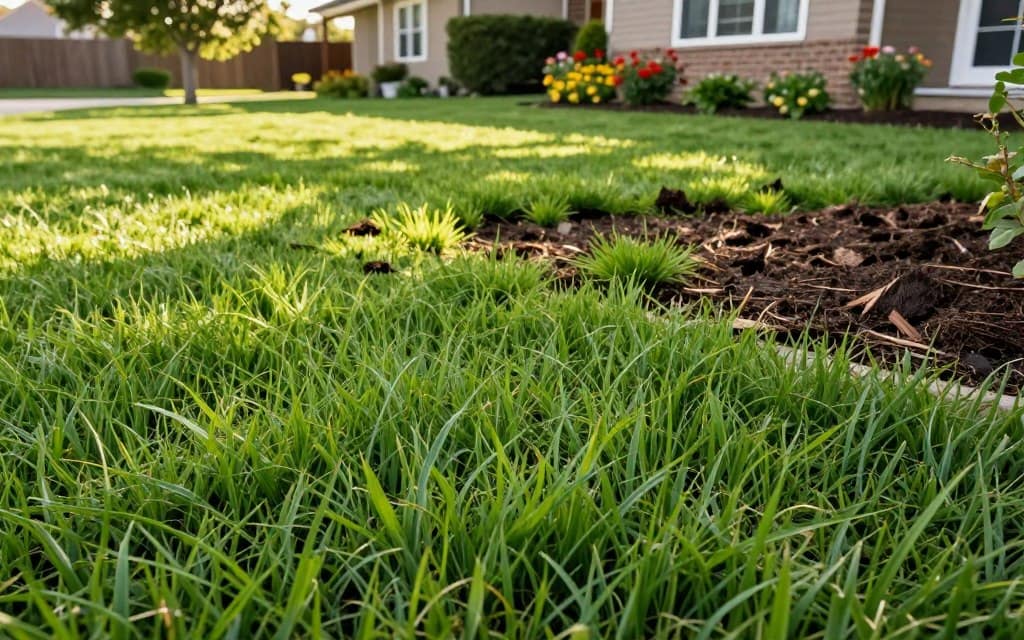
Unlocking your lawn’s full potential often means clearing the path for nutrients to do their job. Removing the thatch barrier allows everything you apply to finally reach its target.
Benefits for Soil Nutrient Penetration
Dethatching creates direct channels to the root zone. Fertilizer and water can move freely through the soil profile.
This process also boosts aeration. Oxygen reaches the roots, which helps them absorb nutrients more effectively.
Boosting Healthy Grass and Improvement in Lawn Appearance
With unimpeded access to food, your grass responds with vigorous growth. You will notice thicker, denser turf in a short time.
The visual transformation is clear. A uniform, deep green color replaces thin, patchy areas. Your lawn’s overall health and resilience improve dramatically.
| Aspect | Before Dethatching | After Dethatching |
|---|---|---|
| Nutrient Uptake | Blocked at the surface | Efficient root absorption |
| Grass Vigor | Weak, struggling growth | Strong, rapid growth |
| Root Development | Shallow and confined | Deep and extensive |
| Visual Appeal | Patchy, uneven color | Lush, consistent green |
Seasonal Lawn Care Insights for Homewood Lawns
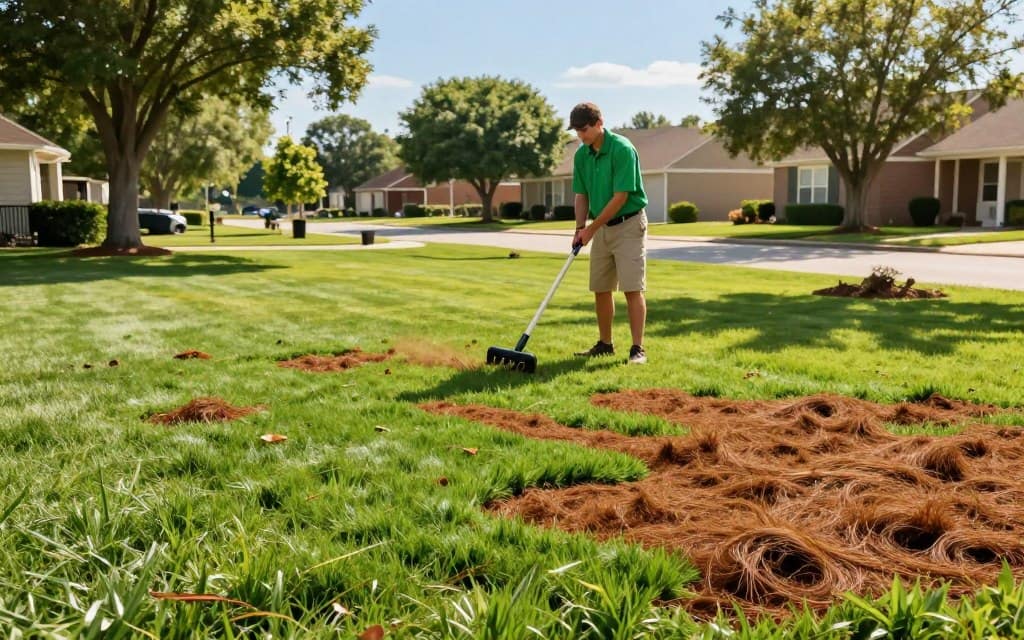
The key to consistent greenery is aligning your maintenance practices with nature’s calendar. Each season presents unique challenges and opportunities for your property.
Adapting your approach ensures your grass remains healthy year-round. This strategic lawn care prevents problems before they start.
Spring Dethatching and Nutrient Management
Spring is the ideal time for core lawn care tasks. For cool-season grasses, late April through May offers vigorous growth.
This period allows for quick recovery after essential services. Schedule fertilizer applications a few weeks later for best results.
Spring rains can cause erosion on treated areas. Proper maintenance stabilizes the soil and maximizes moisture benefits.
Summer Mowing and Drought Considerations
Summer lawn care focuses on stress reduction. Maintain a mowing height of 3 to 3.5 inches to shade roots.
Never cut more than one-third of the grass blade. This practice conserves water and reduces plant stress.
Areas near local parks often face dry conditions. Strategic watering during early morning hours is most efficient.
Fall Cleanup and Preparation for Winter
Fall cleanup removes leaves and debris that smother grass. The community’s yard waste collection runs from April to November.
Use paper bags or labeled containers for clippings and branches. This season is also excellent for overseeding and fertilization.
These steps prepare your landscape for winter dormancy. They ensure a vigorous green-up when the next growing season arrives.
Pricing and Service Considerations for Lawn Dethatching
The price for removing thatch varies, and knowing the factors behind it helps you budget effectively. Costs are influenced by your property’s size, the thickness of the barrier, and lawn accessibility.
Additional services like aeration can affect the final price. Understanding this helps you evaluate what different companies offer.
Understanding the Cost Breakdown
A professional price includes several components. It covers equipment usage, skilled labor time, and disposal of the removed material.
The expertise to perform the job without harming your grass is a key value. Be wary of quotes that seem unusually low, as they often lead to poor results or damage.
Getting a Fair Quote from Local Pros
Contact at least three contractors for a pricing comparison. If possible, reach out to five for a broader market view.
Always request an on-site assessment for an accurate quote. Every job is different, and seeing your lawn’s condition is essential for fair pricing.
Reputable providers will detail what their service includes. This ensures you know exactly what you’re paying for.
Expert Tips for Ongoing Lawn Maintenance
Achieving and sustaining a beautiful yard is a partnership between professional care services and informed homeowner actions between visits. This ongoing strategy ensures the health improvements from a major service are preserved and built upon.
Scheduling Regular Lawn Care Services
Consistency is the cornerstone of effective lawn maintenance. Enrolling in a weekly program means a team services your property every 6 to 8 days, based on a set day and weather.
This regular attention keeps grass at an ideal height and promotes dense growth. It also helps prevent the conditions that lead to excessive thatch buildup in the first place.
Integrating Fertilization with Dethatching
Expert timing is crucial when combining treatments. Professionals recommend waiting 2-3 weeks after dethatching before applying fertilizer.
This gives your grass time to recover from the stress of removal. Then, nutrients can effectively stimulate strong, new growth. Always discuss the cost for this specific service before signing a long-term maintenance contract.
Between scheduled visits, you play a key role. Provide about 1 to 1.5 inches of water per week. Avoid heavy foot traffic on recovering areas and watch for signs of pests.
This collaborative approach with your lawn care provider is the best path to lasting results.
Local Lawn Care Challenges and Solutions in Homewood, IL
Every yard tells a story through its soil and climate. In this area, that story is written in heavy clay and shifting shade.
Successful landscaping here requires specific strategies. You must work with the local environment, not against it.
Adapting to Soil and Microclimate Conditions
The heavy clay soil common here creates poor drainage and compaction. It also has a high pH, which locks away nutrients.
Core aeration and soil amendments are essential. They open the soil and help balance its chemistry for better grass health.
Mature trees in neighborhoods create deep shade. This challenges grass growth and often leads to moss or bare spots.
Choosing the right grass type for each part of your property is key. Sunny areas need drought-tolerant varieties. Shaded spots require fine fescue blends.
Road salt used on major streets can damage turf near curbs. Gypsum applications can help repair soil without raising pH further.
| Local Challenge | Primary Cause | Recommended Solution |
|---|---|---|
| Poor Drainage & Compaction | Drummer/Flanagan Clay Soil | Bi-Annual Core Aeration |
| Alkaline Soil (High pH) | Natural Soil Composition | Soil Testing & Sulfur Amendments |
| Shaded, Thin Grass | Mature Tree Canopy | Overseed with Shade-Tolerant Blends |
| Winter Salt Damage | Road De-icing Treatments | Gypsum & Salt-Tolerant Landscaping |
Understanding these microclimates improves your lawn care results. It transforms your yard into a resilient, beautiful landscape.
This tailored approach enhances your quality of life. It creates an outdoor space that thrives despite local challenges.
Conclusion
Ultimately, achieving a vibrant lawn is about solving the root cause of nutrient blockage, not just applying more products. Professional care services remove the dense layer that starves your grass. This allows water, air, and fertilizer to reach the soil where they are needed.
A comprehensive approach includes core aeration to relieve compaction. It also involves soil amendments tailored to local conditions. Working with an experienced team ensures these jobs are done correctly and at the right time.
Your lawn’s health depends on this integrated strategy. Custom service plans address unique needs based on grass type, sun exposure, and usage. Scheduling maintenance on the proper day in the season promotes optimal recovery and growth.
Investing in turf dethatching transforms your landscape from a struggling yard into the envy of the block. You will finally see that thick, green carpet that responds to feeding and stands up to the Illinois heat. Don’t let your hard work go to waste—partner with Homewood’s qualified professionals to achieve the resilient, beautiful lawn your home deserves.
Ready to see the difference? Schedule your Homewood turf dethatching consultation today and get your grass breathing again.”