


Have you ever wondered how much a well-designed irrigation system can truly impact your property’s value and operational efficiency? Understanding the commercial irrigation system cost is crucial for property managers aiming to maintain lush landscapes without overspending. This investment not only affects the immediate aesthetic appeal but also influences long-term water management strategies.
Costs can vary significantly based on factors such as property size, design, and local regulations. For many, the initial price tag can seem daunting. However, a properly planned system can lead to substantial savings in water usage and maintenance over time. As we delve into this guide, we will explore every element that contributes to the total cost of installation, ensuring you are equipped to make informed decisions.
From the type of system you choose to the technology involved, each aspect plays a role in the overall budget. Whether you manage a small commercial lot or a sprawling complex, understanding these dynamics is essential. Let’s embark on this journey to uncover the intricacies of budgeting for an effective irrigation solution.
Key Takeaways
- Understanding the total cost is vital for effective budgeting.
- Investment in a quality system can lead to long-term savings.
- Costs vary based on size, design, and local factors.
- Proper planning prevents costly mistakes.
- Technology integration can enhance efficiency and reduce waste.
What Is a Commercial Irrigation System?
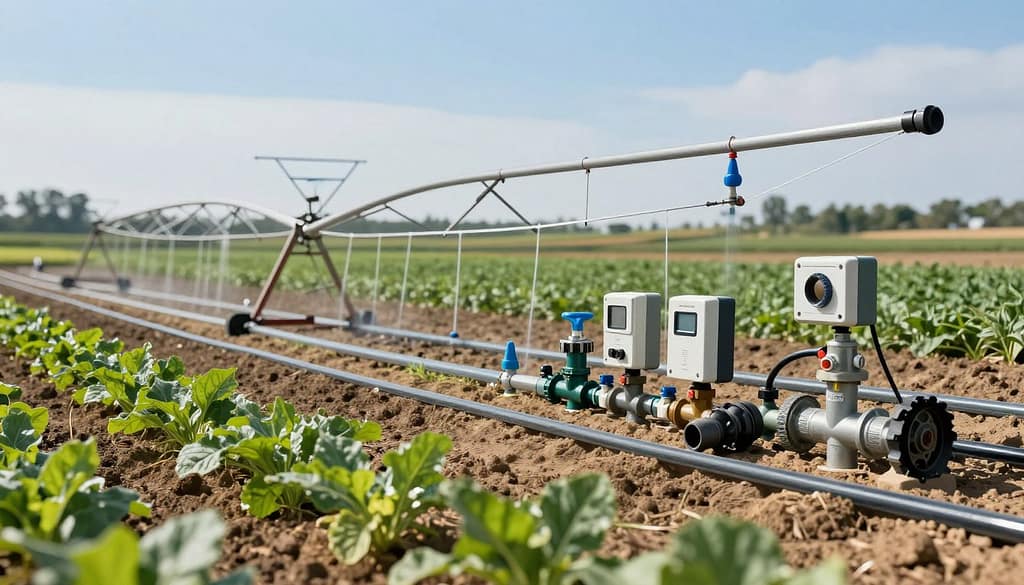
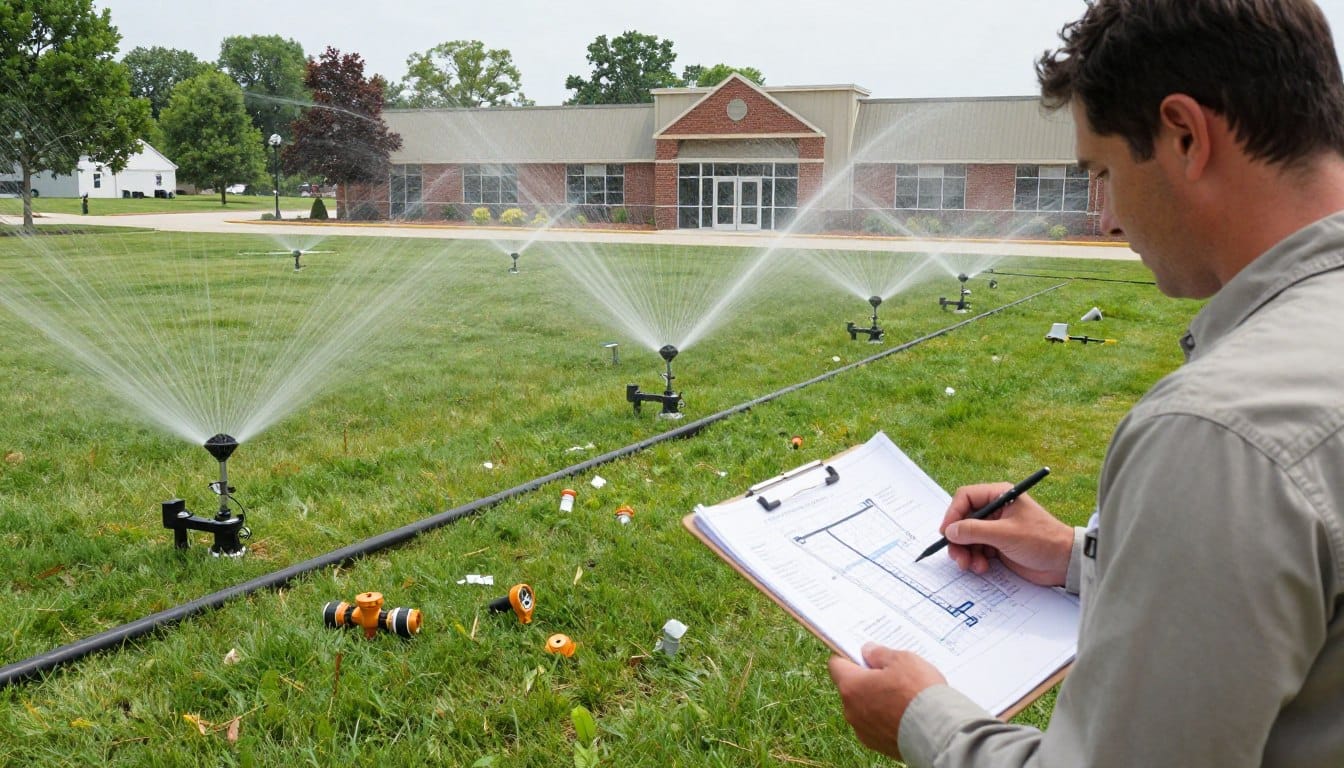
A well-structured irrigation setup is essential for effective water management across expansive outdoor spaces. This type of system consists of various components, including sprinklers, pipes, valves, and controllers, all working together to deliver water efficiently.
Specialized controllers and sensors are at the heart of these systems. They ensure that moisture is distributed evenly, which helps prevent both overwatering and waste of valuable resources. Many designs also incorporate weather-based adjustments, allowing for automatic changes in watering schedules according to seasonal variations.
Components and Functionality
The core components of a commercial irrigation system include:
- Sprinklers: These distribute water evenly across the landscape.
- Pipes: They transport water from the source to the sprinklers.
- Valves: These control the flow of water within the system.
- Controllers: Advanced controllers manage the timing and amount of water delivered.
Each component plays a crucial role in maintaining the system’s efficiency. For example, robust piping is necessary to handle higher water pressure, especially in larger areas. Backflow prevention devices are also important for protecting the water supply.
Benefits for Commercial Properties
Investing in a quality irrigation system offers numerous benefits for commercial properties. It helps maintain healthy turf, plants, or crops without excessive water usage. This not only enhances curb appeal but also increases tenant satisfaction.
Moreover, a well-designed system supports efficient water usage, leading to lower operational costs. Property managers can achieve lush landscapes while being environmentally responsible.
Role in Water Conservation
Water conservation is a critical concern in today’s world. Advanced irrigation technology has evolved to include smart controllers and sensors that automatically adjust watering based on real-time conditions. This innovation allows property managers to track performance accurately and reduce water waste.
By utilizing real-time usage updates, managers can ensure that every drop of water is used effectively. Understanding the intricacies of a commercial irrigation system helps in making informed decisions about design, installation, and ongoing maintenance.
Ultimately, investing in a well-designed irrigation system delivers both immediate aesthetic benefits and long-term operational savings for commercial properties.
Key Factors Influencing Commercial Irrigation System Cost
A variety of key elements play a significant role in determining the overall investment needed for an irrigation project. Understanding these factors can help property managers plan effectively and avoid unexpected expenses.
Terrain and Soil Conditions
The terrain and soil conditions are crucial when considering installation. For instance, steep slopes may necessitate special drip lines or additional drainage solutions. This complexity can significantly increase costs.
Soil composition also impacts how pipes and sprinklers are laid out. Sandy ground might require deeper installation to minimize water loss. In contrast, clay-heavy soil can challenge infiltration rates, leading to potential runoff or pooling.
Every adjustment made for terrain adds to the overall installation cost, especially when site grading or extra hardware is needed.
Local Regulations and Permits
Local regulations can dictate which types of sprinklers or controllers are permitted in specific zones. Obtaining the necessary approvals often involves extra administrative fees and time.
Some regions may require specific backflow prevention devices that meet certain standards, which can increase material expenses and affect the total price.
System Design and Components
The design and components of the irrigation setup also influence costs. High-quality controllers, valves, and nozzles typically offer better durability but raise upfront investment.
Projects utilizing underground sensors or Wi-Fi-enabled controllers often carry higher initial installation costs. However, these technologies can lead to lower water bills over time.
Integrating advanced flow meters or remote monitoring features may require specialized technicians, adding to labor expenses.
Considering these key factors ahead of time helps prevent overspending and sets a realistic baseline for the entire project budget.
Types of Commercial Irrigation Systems and Their Associated Costs
Choosing the right type of irrigation setup is essential for effective water management. The selection often depends on factors such as property layout, soil needs, and climate patterns. Here’s an overview of the different types of irrigation systems available:
Sprinkler-Based Systems
Sprinkler systems are among the most common choices. They utilize traditional sprinkler heads to distribute water across designated zones. Each head sprays water in a specific radius, requiring careful zoning to avoid overlap. While installation costs are moderate, regular maintenance is necessary to ensure efficiency.
Sprinkler heads can range from $1.50 to $40 each. Rotary heads tend to be more expensive than fixed heads. Typically, a single watering zone may contain five to ten sprinkler heads, making it essential to manage them effectively.
Drip Irrigation Networks
Drip irrigation is highly efficient, delivering water slowly and directly to plant roots through small emitters. This method minimizes runoff and evaporation, making it ideal for shrub beds and ornamental plant groupings. Installation costs for drip systems range from $1,191 to $2,918, including materials and labor.
While the initial costs may be higher due to intricate piping layouts, the long-term savings on water usage can be significant. Drip systems are particularly beneficial for areas requiring targeted watering.
Micro-Spray Assemblies
Micro-spray assemblies use tiny spray heads to provide gentle moisture delivery. This system is suitable for delicate plant beds and offers slightly broader coverage than traditional drip irrigation. They are a great option for areas where precise watering is essential.
Soaker Hoses
Soaker hoses represent a simpler irrigation solution. These porous hoses release water along their length and are often buried under mulch. They are effective for gardens and flower beds but may not be suitable for larger or irregularly shaped spaces.
Central Control Systems
Central control systems integrate sensors, weather data, and remote access capabilities. This technology is designed for larger enterprises seeking cohesive irrigation management. While the initial investment is higher, these systems offer enhanced efficiency and long-term water savings.
Many property owners find that combining different systems can balance performance and cost. For example, using drip lines in plant beds alongside sprinklers in open fields can optimize both efficiency and budget.
In conclusion, comparing the performance, installation complexities, and ongoing maintenance of each type of irrigation system helps determine the best solution for your property. Understanding these factors will ensure that your irrigation setup meets both immediate and future needs.
Understanding Commercial Irrigation System Cost Based on Property Size
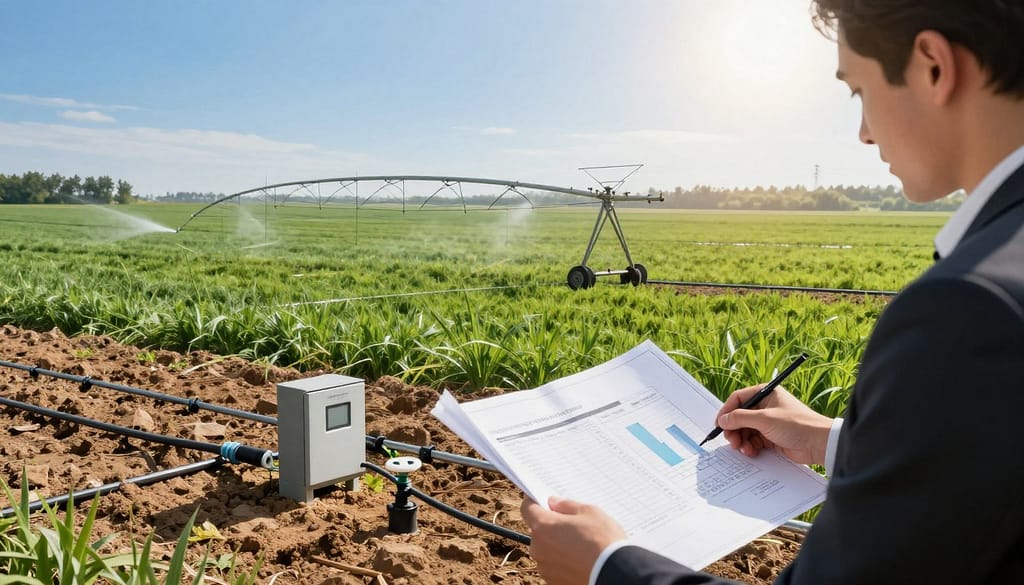
The scale of your property significantly impacts the investment needed for an effective irrigation setup. Larger properties generally incur higher installation expenses due to the increased amount of piping, valves, and control units required. As the acreage grows, more sprinkler heads, drip lines, or micro-spray assemblies are added, which leads to an increase in both labor and materials.
For context, small commercial lots may cost a few thousand dollars to install an irrigation system. In contrast, sprawling complexes can surpass six figures depending on their complexity. A 50,000-square-foot area might lean toward a mid-range system with partial automation. Conversely, a property twice that size could benefit from advanced technology for better water monitoring.
Each irrigation zone costs between $585 and $1,335 to install. An average-sized commercial lawn typically requires at least five zones, with additional zones averaging $750 each. As acreage grows, the need for more sprinkler heads, drip lines, or micro-spray assemblies leads to a proportional increase in both labor and materials.
Many businesses often request multiple quotes from reliable contractors to compare how costs stack up for different system types and property sizes. The final price to install an irrigation system reflects design complexity, geographic region, and the required level of automation for each specific property.
Precise calculations depend on local factors such as water availability, permitting requirements, and soil conditions unique to the property. Understanding how property size influences costs helps property managers set realistic budgets and avoid unexpected expenses. Investing in appropriately scaled irrigation systems ensures efficient water distribution without overspending on unnecessary components.
Additional Expenses to Consider During Commercial Irrigation Installation
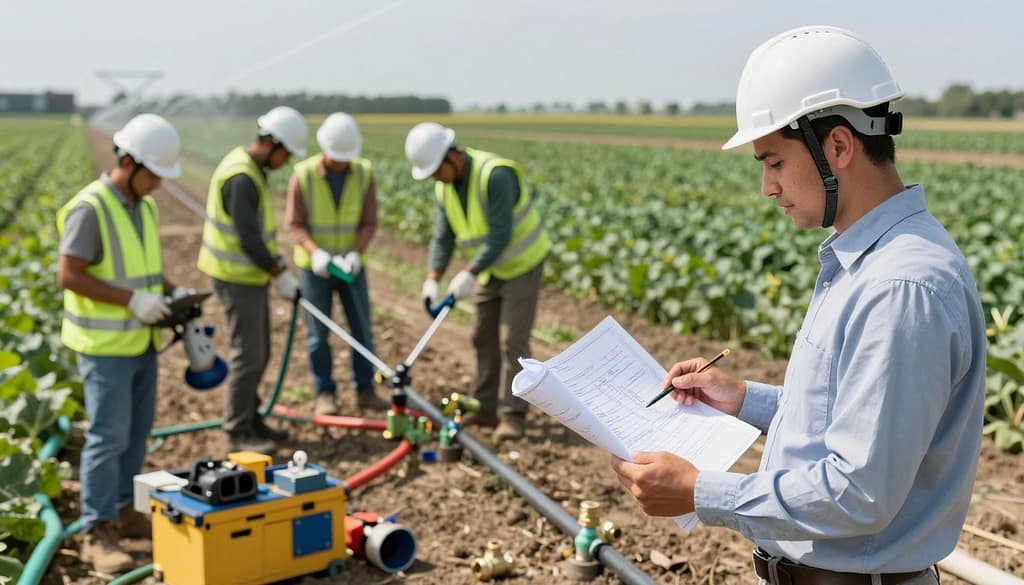
When planning for an irrigation project, it’s essential to account for various additional expenses that may arise. Being aware of these costs leads to more accurate budgeting and helps prevent surprises during installation.
Permits and Inspection Fees
Local bylaws often require site inspections before and after irrigation work. Permit costs can range from $42 to $200, depending on the municipality. Some areas may have tiered fee structures based on project size or estimated water usage. Staying informed about these regulations can help avoid interruptions.
Backflow Prevention Requirements
Most regions mandate backflow prevention to protect drinking water supplies. A backflow preventer valve typically costs between $100 and $600, excluding installation. Ensuring compliance with these requirements is vital for maintaining water safety.
Soil Testing and Amendments
Soil testing can reveal issues like compaction or pH imbalances. This analysis is crucial for confirming that infiltration rates meet design expectations. While testing and any necessary amendments may increase the overall installation costs, they contribute to healthier green areas.
Electrical and Connectivity Requirements
Advanced controllers and sensors often require stable power sources, adding wiring or conduit costs to the project. Some modern setups depend on Wi-Fi connectivity, which may necessitate network extenders or signal boosters. Rain and soil sensors typically range from $17 to $75, while smart controllers can cost between $125 and $400.
Investing in secure connections enhances monitoring capabilities and minimizes downtime, ultimately reducing long-term repair needs. Factoring in these additional expenses early on helps maintain consistent timelines and ensures a smoother installation process.
Strategies to Reduce Commercial Irrigation System Installation Costs
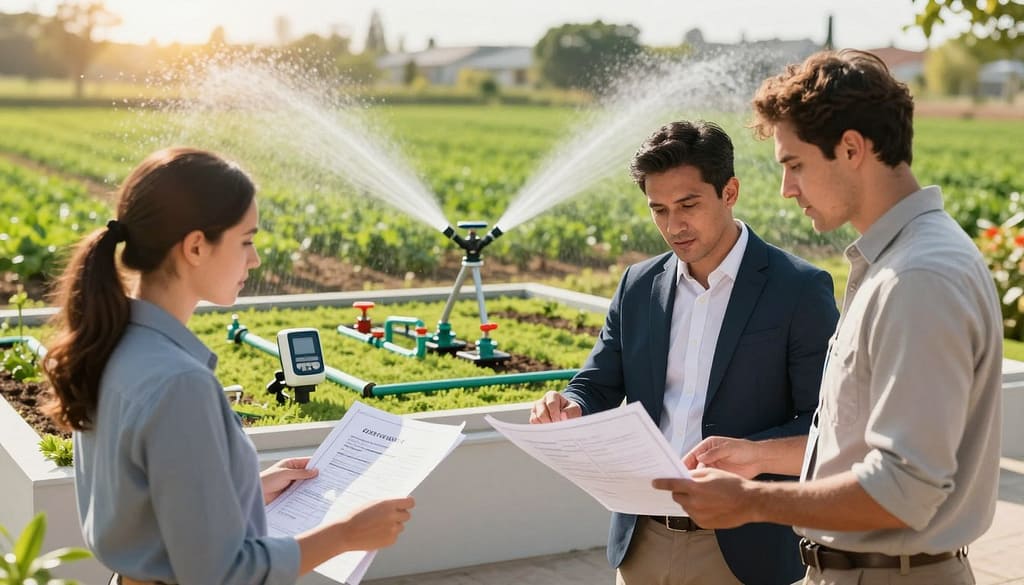
Managing expenses effectively is key for any property manager. Implementing smart strategies can help trim costs while ensuring robust coverage and performance for your irrigation needs. Here are some practical approaches to consider:
Planning Zone Groupings
Grouping areas with similar watering needs is a great way to reduce expenses. By organizing zones effectively, you can minimize the number of specialized valves or drip lines required. This approach not only cuts down on installation costs but also reduces water waste. It ensures that each area receives the appropriate amount of water, leading to healthier plants and lawns.
Comparing Controller Options
When selecting controllers, it’s wise to evaluate both basic timers and more advanced automated systems. A moderately advanced controller can offer better efficiency without the high price tag of top-tier models. This balance allows for optimal watering while keeping costs manageable.
Scheduling Off-Season Installation
Timing your installation can significantly impact costs. Labor rates often drop during off-peak seasons when demand for irrigation projects is lower. By scheduling your project during these times, you can secure contractor availability and potentially negotiate better pricing.
Reusing Existing Infrastructure
Consider reusing parts of your current setup. Upgrading older sprinkler lines or controllers can keep certain components intact, avoiding the need for a complete overhaul. This not only saves money but also maintains some level of familiarity with your existing system.
Implementing Regular Maintenance
Consistent upkeep is crucial for extending the lifespan of your irrigation components. Regular maintenance checks can catch small issues before they escalate into costly repairs. Tasks like checking for leaks, adjusting nozzles, and updating parts can prevent minor problems from becoming major expenses.
By combining these strategies, property managers can maximize their budgets while maintaining reliable irrigation performance. Awareness of costs and efficient design work hand in hand, especially when aligned with the latest water-saving technologies. Investing wisely during each phase of your project helps ensure sustainable irrigation for the long term.
Evaluating the Return on Investment for a Commercial Irrigation System
A strategic investment in an irrigation system can lead to remarkable financial and aesthetic returns. Property managers often find that a well-planned approach offers both immediate benefits and long-term savings. Understanding how these systems contribute to overall efficiency is essential for maximizing your investment.
Water Savings and Reduced Waste
Efficient irrigation systems minimize runoff and evaporation. This directly lowers monthly water bills, supporting sustainability goals. By investing in advanced controllers or integrated sensors, property managers can achieve significant water savings over time. Although these systems may have higher upfront costs, they yield better results in oversight and efficiency.
Increased Property Appeal and Value
Healthy, well-maintained landscapes attract tenants, customers, and buyers. Many operations discover that tenant satisfaction and improved curb appeal can justify the upfront investment in an irrigation solution. The overall perception of properties improves with attractive outdoor spaces, leading to increased property value.
Long-Term Operational Savings
Reduced manual labor and fewer repairs often add financial upside. Automated systems can detect small issues before they escalate, saving time and money. Consistent water management reduces monthly expenses, allowing property owners to gauge their break-even point more effectively.
Proper planning and ongoing maintenance open opportunities to maximize every dollar spent on irrigation. Analyzing potential savings alongside anticipated installation fees provides a clear picture of the true value of investing in a commercial irrigation system.
| Benefit | Description |
|---|---|
| Water Savings | Efficient systems reduce water usage and lower bills. |
| Property Appeal | Well-maintained landscapes enhance attractiveness and value. |
| Operational Savings | Automated systems lower labor costs and maintenance needs. |
The Importance of Professional Installation and Expert Design
Investing in a quality irrigation system requires more than just purchasing equipment. Professional installation and expert design are crucial for ensuring the system operates efficiently and effectively. Without the right setup, property managers may face years of costly repairs and inefficiencies.
Proper planning is essential for achieving a layout that covers all areas adequately. A well-designed system ensures that water reaches every corner without overspray or waste. Skilled professionals know how to select the right heads and nozzles, spacing them correctly to avoid the need for rework.
Ensuring Proper System Layout and Coverage
When it comes to layout, precision is key. A professional installer will assess the property to determine the best configuration for the irrigation system. This includes understanding the unique watering needs of different areas, ensuring that each zone receives the appropriate amount of water.
Avoiding Costly Installation Errors
Installation errors can lead to significant expenses down the line. For instance, if crews do not install enough wiring, grounding issues can arise. A lightning strike could potentially damage the entire system. Additionally, using non-waterproof wires and nuts can lead to corrosion, resulting in expensive electrical problems that can last for years.
Pipe sizing is another critical factor. Using larger pipes ensures maximum flow rates and prevents performance issues across the entire setup. Unfortunately, some companies may cut corners by reducing the number of heads or zones, which compromises the system’s overall efficiency.
Compliance with Local Codes and Safety Standards
Professional installers are well-versed in local codes and safety standards. They handle all necessary permits and ensure that every component meets municipal requirements. This compliance is essential not only for the legality of the installation but also for the safety of the property.
C&T Lawn and Landscape specializes in expert commercial irrigation installation services. Their attention to proper design and code compliance helps protect your investment. Choosing the lowest bid can be tempting, but it often leads to compromised quality. Trusting professionals ensures that your irrigation system operates efficiently for years to come.
| Consideration | Importance |
|---|---|
| Professional Installation | Prevents costly repairs and ensures system efficiency. |
| Proper Design | Ensures adequate coverage and minimizes waste. |
| Compliance with Codes | Meets legal requirements and enhances safety. |
| Quality Materials | Reduces long-term maintenance and replacement costs. |
Planning and Scheduling Your Commercial Irrigation Project
Effective scheduling and preparation are vital for the success of any irrigation project. Property managers should prioritize early planning to avoid delays and budget overruns. Understanding the entire process helps ensure that every step is executed smoothly.
Obtaining Permits and Approvals
The journey to a successful irrigation installation often begins with obtaining the necessary permits. This process can start up to a year before crews break ground. Navigating local municipal requirements is essential to avoid any interruptions later on.
Permit costs can vary, so it’s wise to check local regulations early. Being proactive in this area can save time and reduce stress as the project progresses.
Coordinating Installation Timing
Timing your installation is crucial. Scheduling during off-season months can significantly reduce labor costs and secure better contractor availability. Many property managers find that labor rates drop when demand is lower, allowing for potential savings.
Proper timing also minimizes disruption to daily operations, ensuring that the project runs smoothly.
Working With Contractors
Choosing the right contractor is a key part of the planning process. When selecting a contractor, property managers should ask about their experience, licensing, and insurance. It’s also important to inquire about their familiarity with local regulations and whether they handle necessary permits.
Most irrigation professionals charge between $45 to $100 per hour for labor. The average installation can take from a few hours to a day and a half, depending on the project scope. Understanding these factors helps in making informed decisions.
Additionally, asking about their experience with Homeowners Associations (HOAs) and the brands they use can provide further insight into their capabilities. Proper planning ensures that the irrigation system is installed correctly the first time, avoiding expensive fixes later.
Comparing multiple quotes helps property managers understand fair pricing. It also aids in identifying any bids that seem too low, which could indicate corners being cut. A well-coordinated project timeline keeps the installation on track and minimizes disruption to commercial property operations.
In conclusion, thorough planning and careful contractor selection are essential steps in achieving a successful irrigation installation.
Conclusion
Effective management of outdoor spaces hinges on selecting the right watering approach tailored to specific needs. The cost to install an irrigation system depends on several interconnected factors, including property size, terrain, and local regulations. Investing in a well-designed setup can lead to long-term benefits, such as water savings and reduced waste.
Strategies like planning zone groupings and comparing controller options can help lower upfront costs. Professional installation is crucial to avoid costly errors and ensure compliance with local codes. Regular maintenance further extends the system’s lifespan and prevents minor issues from escalating.
By evaluating potential savings alongside installation fees, property managers can justify their investment. With careful planning and execution, a commercial irrigation system becomes a valuable asset that supports both financial and environmental goals.