


Have you ever wondered how new regulations will affect your efforts to manage invasive plants in your garden? The upcoming 2026 updates for lawn care and lawn weed control bring significant changes that every homeowner should understand. These regulations aim to ensure environmental safety while effectively managing unwanted growth.
Effective management requires a blend of cultural practices and precise application of herbicides. It’s essential to recognize that invasive plants compete fiercely for nutrients, water, and sunlight, which your grass desperately needs. A healthy, dense turf is your best defense, naturally crowding out these unwanted invaders.
By understanding the life cycles of common plants, such as dandelions and annual bluegrass, you can take proactive steps. Proper care, including mowing and fertilization, can prevent these plants from establishing themselves in your garden throughout the year.
For more detailed information on the 2026 updates, you can check out this informative article.
Key Takeaways
- Homeowners must blend cultural practices with chemical applications for effective management.
- A healthy turf can help naturally suppress invasive plant growth.
- Understanding the life cycle of common invasive plants is crucial.
- Proper care, like mowing and fertilization, can prevent unwanted growth.
- Monitoring your garden during spring and fall can lead to timely interventions.
Overview of the New 2026 Regulations for Lawn Care
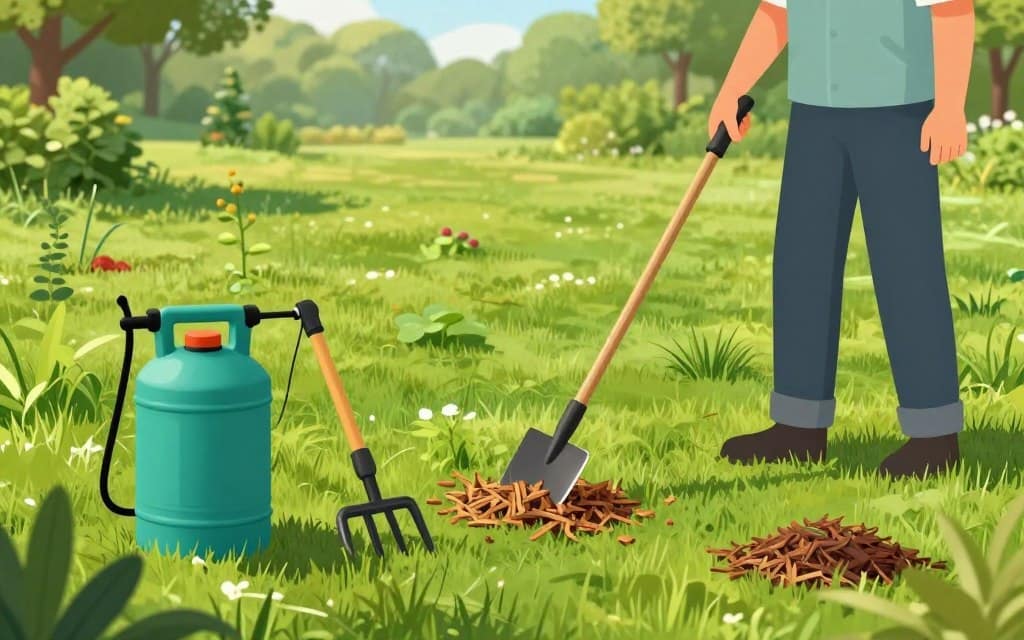
The upcoming regulations for 2026 will significantly change how we approach managing unwanted plants in our outdoor spaces. These rules focus on reducing chemical runoff into local water supplies while ensuring turf health remains a priority.
Homeowners must now embrace integrated pest management. This means combining cultural care with the responsible use of herbicides to protect the environment. Before applying any products, it’s essential to identify the specific types of weeds present in your garden.
By understanding the growth cycles of common weeds, such as crabgrass and clover, you can minimize the need for chemical applications. The guidelines suggest using herbicides only when weeds are actively growing for maximum effectiveness.
Proper application of fertilizer and water is now a best practice to prevent the spread of unwanted plants. Following label directions is crucial when dealing with persistent weeds to avoid harming non-target plants. For more information on effective strategies, check out this detailed guide.
Fundamentals of Effective Lawn Weed Control
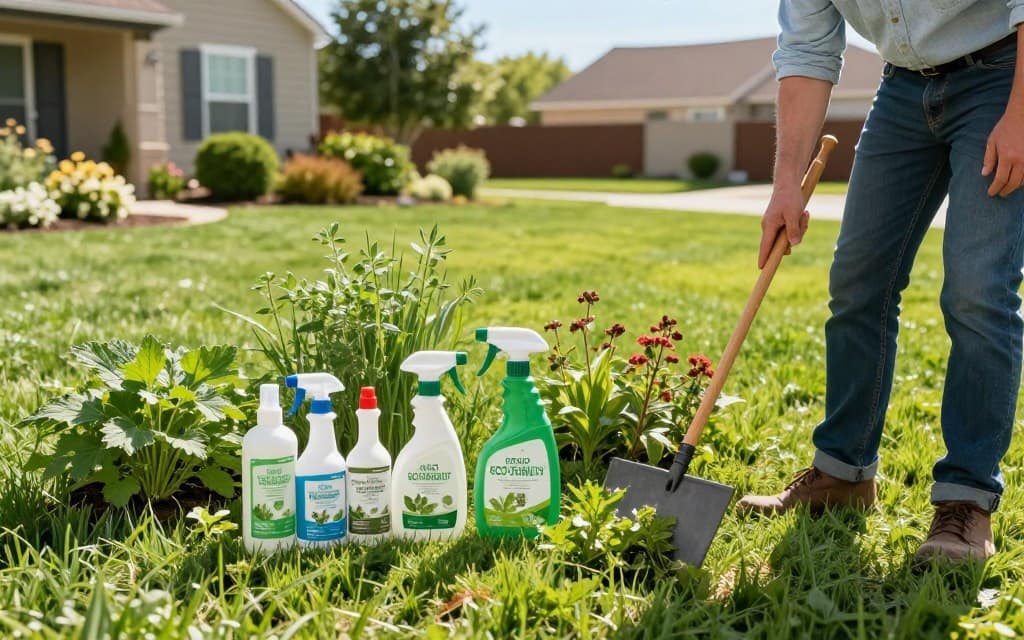
Homeowners must grasp the fundamentals of managing invasive species for a thriving garden. A dense turf canopy is essential. It blocks sunlight from reaching the soil, preventing weed seeds from germinating. This is the first step in effective lawn weed control.
Focus on cultural practices, such as proper mowing and watering. These practices ensure that grass roots remain strong and competitive against invasive plants. Identifying the specific types of weeds in your garden allows you to choose the right control strategy, whether manual or chemical.
If you notice weeds actively growing, it may indicate that your lawn needs better fertilizer or aeration. The 2026 standards recommend using herbicides only as a last resort. By maintaining your lawn throughout the year, you can prevent the spread of broadleaf plants like dandelions and clover.
Always follow label directions when applying any weed control products. This ensures the safety of your family, pets, and the environment. Regular soil testing can help determine the right type of fertilizer to promote healthy grass growth and crowd out unwanted plants.
Identifying and Classifying Common Lawn Weeds
Identifying the specific types of plants that invade your garden is key to effective management. Understanding the differences between broadleaf and grassy weeds is essential for selecting the right treatment methods.
Broadleaf vs. Grassy Weeds
Broadleaf weeds, such as dandelions, have wide, flat leaves. They often respond well to selective herbicides that won’t harm your desirable grasses. In contrast, grassy weeds like crabgrass resemble turfgrass and thrive in similar conditions, making them harder to control.
Annual, Perennial, and Biennial Life Cycles
Weeds can be classified by their life cycles. Annual weeds complete their cycle in one year, so they must be controlled before they produce seeds. Perennial weeds return for many years and often have deep roots, making them difficult to remove manually. Biennial weeds, like mullein, store energy in their roots during the first year and flower in the second.
Understanding these life cycles helps you determine the best time to apply pre-emergent or post-emergent herbicides. Regular inspections during spring and summer will help catch infestations early. Proper identification ensures you use the correct weed control products, preventing damage to your garden.
Cultural Practices to Promote a Healthy Lawn

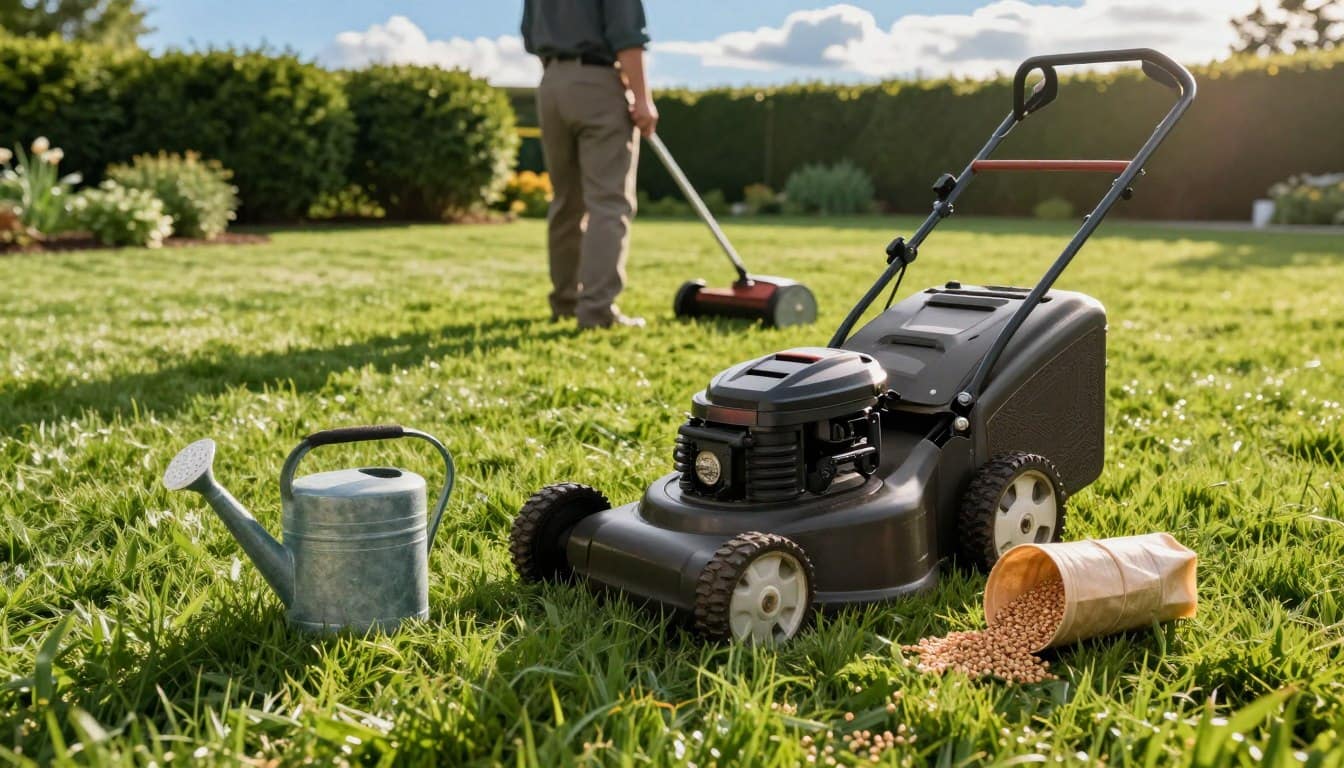
Healthy outdoor spaces begin with the right maintenance techniques tailored to your grass type. Proper mowing and watering are crucial to maintaining a vibrant garden. These practices not only enhance the beauty of your yard but also contribute to the overall health of your plants.
Proper Mowing Techniques
Maintaining the correct height is essential. Cool-season grasses should be mowed to 2.0 to 4 inches, while warm-season grasses thrive at 1 to 3.75 inches. Always keep your mower blades sharp to prevent tearing, which can make your grass vulnerable to various invasive plants.
Optimal Watering Practices
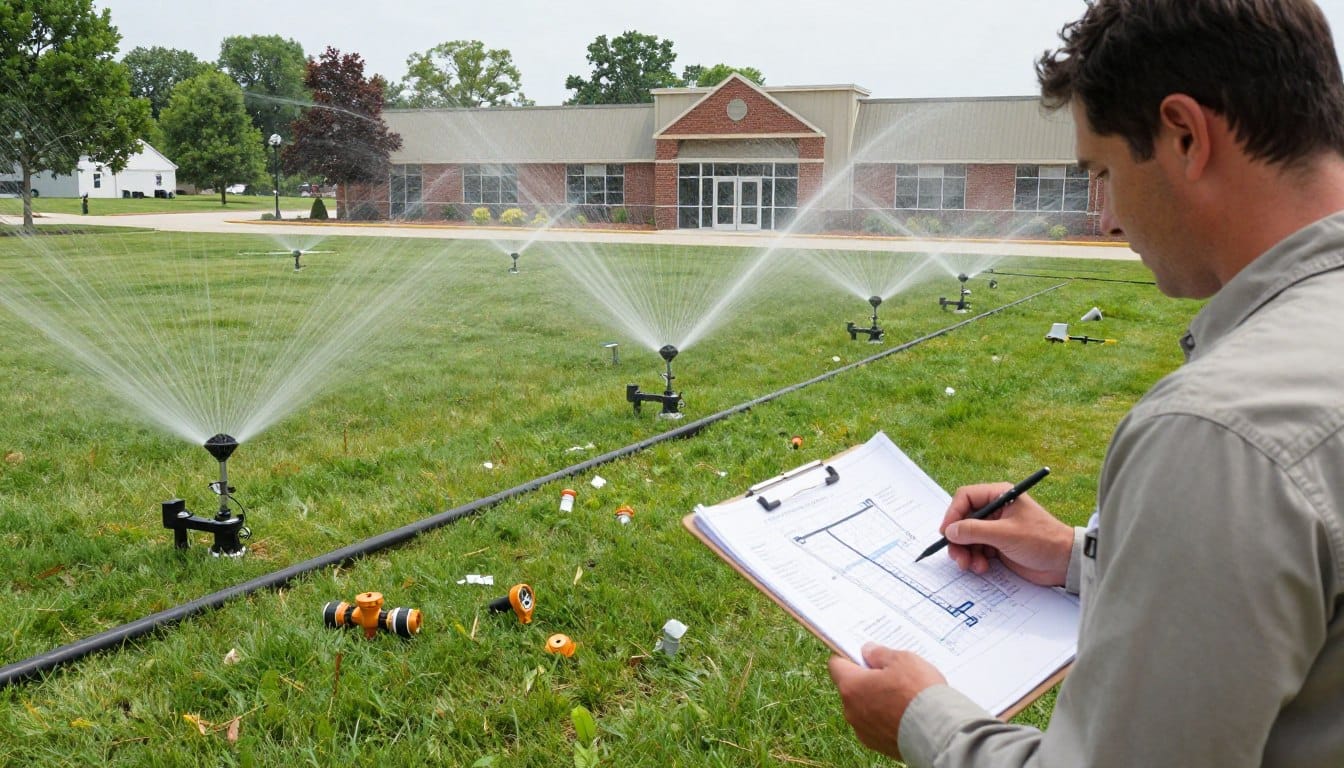
Watering your garden deeply and infrequently encourages deep root development. Aim for 1-2 inches of water per week. This practice makes it harder for shallow-rooted plants to compete for moisture. If you notice weeds actively growing, consider adjusting your watering schedule to allow the topsoil to dry out between sessions.
Consistent mowing and proper watering can significantly reduce the need for chemical herbicides. By fostering a dense turf, you can naturally crowd out potential invaders like dandelions and clover.
Optimizing Herbicide Application for Weed Management
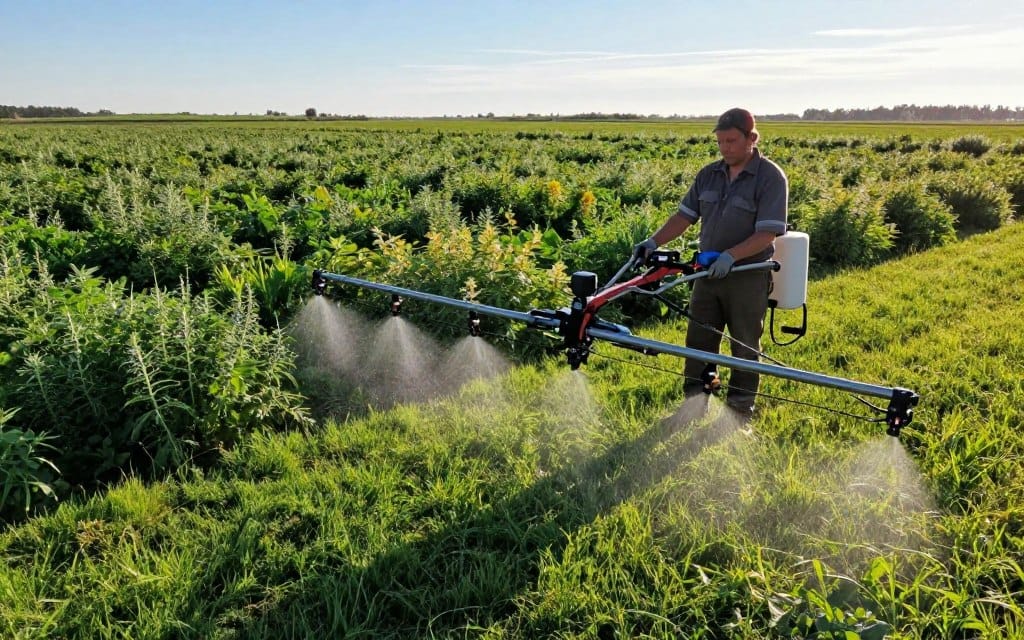
Understanding the timing of herbicide applications can greatly enhance your management strategy for invasive plants. Herbicides are powerful tools, but their effectiveness relies on when and how they are applied. There are two main types: pre-emergent and post-emergent.
Pre-Emergent vs. Post-Emergent Applications
Pre-emergent herbicides must be applied before weed seeds germinate. This creates a barrier that prevents annual weeds like crabgrass from taking root. On the other hand, post-emergent herbicides work best when applied to actively growing weeds. They are absorbed through the leaves and stems, making them effective for established plants.
Following Label Directions and Safety Guidelines
Always follow label directions when using herbicides. This ensures you apply the correct amount for your specific grass type. When using these products, wear protective gear and avoid applying chemicals near water sources or desirable plants. Proper timing of application is critical; using herbicides during the wrong season can lead to ineffective results.
| Type | Application Timing | Target Weeds | Effectiveness |
|---|---|---|---|
| Pre-Emergent | Before germination | Annual weeds (e.g., crabgrass) | Prevents growth |
| Post-Emergent | During active growth | Established weeds (e.g., dandelions) | Kills existing plants |
Seasonal Timing and Regulatory Timelines in Weed Control
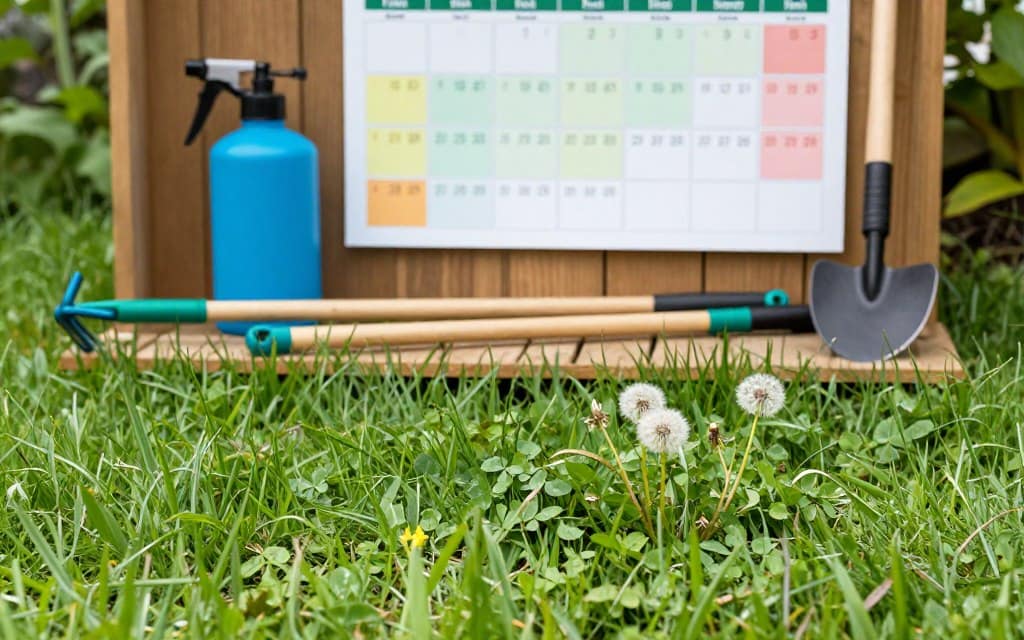
Understanding the seasonal patterns in weed management is essential for effective garden care. Timing your applications can significantly impact the success of your efforts against invasive plants. Each season presents unique opportunities and challenges for managing unwanted growth.
Spring is the ideal time to apply pre-emergent herbicides to prevent the germination of summer annual weeds like crabgrass. Aim to apply these products when soil temperatures reach 50-55 degrees Fahrenheit, especially early in the day.
In contrast, fall is the best time to control perennial broadleaf weeds. This is when they are actively growing and storing energy in their roots, making them more susceptible to treatment. The optimal window for these applications is between mid-September and mid-October.
Monitoring your garden throughout the year is crucial. It helps you identify the best times to apply treatments based on the specific life cycles of weeds. The 2026 regulations emphasize that proper timing reduces the total amount of chemicals needed for effective management.
If you miss the ideal application window, manual methods may be necessary to get rid of established weeds. Always follow label directions regarding the interval between applications to protect your grass and surrounding plants.
By coordinating your care with the seasons, you can ensure that your grass remains strong enough to resist new weed seeds. Proper timing ensures that your weed control products are effective, saving you time and money while keeping your garden looking its best.
For more tips on effective strategies, check out this helpful guide.
Integrating Fertilization and Soil Testing for Lawn Health
To maintain a vibrant outdoor space, integrating fertilization and soil testing is essential. Regular soil testing helps identify nutrient deficiencies that may encourage the growth of unwanted plants. By understanding your soil’s needs, you can apply the right fertilizer to promote healthy grass growth.
A well-fertilized garden allows your grass to compete effectively against invasive plants. Choose a fertilizer that matches the specific needs of your grass species, whether cool-season or warm-season types. Remember, applying one pound of actual nitrogen per 1,000 square feet, up to four times a year, can maintain vigorous growth.
Over-fertilizing can harm your garden and lead to increased weed growth. Therefore, always follow the recommended application rates for your area. Testing your soil every few years helps maintain the optimal pH for your grass, ensuring it thrives.
| Fertilizer Type | Application Rate | Frequency | Benefits |
|---|---|---|---|
| Cool-Season Grasses | 1 lb nitrogen/1,000 sq ft | Up to 4 times/year | Promotes dense growth |
| Warm-Season Grasses | 1 lb nitrogen/1,000 sq ft | Up to 4 times/year | Enhances drought resistance |
If you notice patches of weeds actively growing, it may indicate a localized nutrient deficiency. Address this with targeted fertilizer applications. Always follow label directions on your fertilizer packaging to prevent runoff and ensure nutrients are effectively absorbed by grass roots.
Ensuring Safety and Compliance with 2026 Standards
Familiarizing yourself with the 2026 standards is essential for safe and effective garden management. Compliance with these regulations prioritizes the safety of your family and pets when using any herbicides.
Always follow label directions exactly as printed on the container. These instructions are legal documents that dictate the safe use of these products. Proper storage of your lawn care chemicals is also vital to prevent accidental exposure.
If you hire a professional for lawn weed control, ensure they are licensed and adhere to current environmental regulations. Avoid applying herbicides on windy days to prevent chemical drift into your garden or neighboring properties.
Keeping a record of when and where you apply weed control products helps you stay organized and compliant with local guidelines. By focusing on preventive care, you can minimize the need for chemical use and ensure your outdoor space remains safe for everyone.
If you have questions about specific products, contact your local extension office for guidance on how to get rid of weeds safely.
| Safety Practice | Description | Importance |
|---|---|---|
| Follow Label Directions | Adhere to the instructions on the product label. | Ensures safe and effective use of herbicides. |
| Proper Storage | Store chemicals in a secure, dry place. | Prevents accidental exposure and maintains product efficacy. |
| Licensed Professionals | Hire certified lawn care experts. | Guarantees compliance with safety regulations. |
Preventive Maintenance and Long-Term Weed Management Strategies
Creating a thriving outdoor space relies on consistent maintenance and management practices. Regular aeration and dethatching are key components of effective long-term strategies. These practices help alleviate soil compaction, allowing essential nutrients and water to reach grass roots.
By maintaining a dense cover through overseeding, you can prevent the establishment of new weeds. Inspect your garden for signs of disease or pest damage, as these areas are vulnerable to invasive plants. A consistent care schedule is vital for adapting to the changing needs of your grass throughout the year.
If certain areas remain weedy, consider switching to a grass type that better suits your climate. Removing young weeds by hand can prevent them from seeding and spreading. This proactive approach reduces reliance on herbicides, promoting a healthy landscape for years to come.
Adapting Your Weed Control Approach for a Thriving Lawn
Tailoring your approach to weed management is essential for a thriving outdoor environment. Adapting your strategy based on local climate conditions is key to managing invasive plants like crabgrass and dandelions effectively.
Monitor the success of your treatments and adjust your lawn care practices accordingly each season. If your current weed control products are not yielding results, consider re-evaluating the types of weeds in your garden.
Be prepared to change your mowing height or watering frequency if you see weeds actively growing in specific areas. A thriving lawn results from continuous learning and applying best practices suited to your grass and soil conditions.
Stay informed about the latest 2026 regulations to ensure your methods remain effective and environmentally responsible. Don’t hesitate to explore new, sustainable methods to get rid of weeds, such as manual removal or improved soil management techniques.
Engaging with local gardening experts can provide valuable insights into the unique challenges of managing weeds in your garden. Remember, a healthy lawn is a dynamic system, and your care routine should evolve to support its growth throughout the year.
Conclusion
As we look towards 2026, it’s vital to understand how the new regulations will shape our approach to managing unwanted plants. Achieving a weed-free garden requires a balanced strategy that combines proper cultural care with the responsible use of herbicides.
By recognizing the life cycles of common weeds, you can take proactive steps to protect your grass. Prioritize preventive maintenance, such as deep watering and correct mowing, to create a healthy environment that naturally resists unwanted growth.
Always follow label directions for all products to ensure safety and compliance with environmental regulations. Consistent care throughout the year will help you maintain a vibrant outdoor space you can enjoy for years.
If you feel overwhelmed, professional services can provide tailored plans to help you manage persistent weeds. With the right knowledge and commitment to best practices, you can successfully nurture your garden in any season.