



Have you ever wondered how the right mulching can transform your garden into a thriving oasis? Mulching is more than just a decorative layer; it plays a crucial role in protecting your soil from environmental stressors. This practice not only nourishes soil microorganisms but also enhances the overall structure, leading to healthier plants.
In this guide, we will explore essential techniques for managing your garden beds with various protective covering materials. Understanding how to apply mulch properly is vital for maintaining healthy soil and creating a stable environment for your favorite plants.
We will delve into the numerous benefits of using mulch, including its ability to regulate temperature and moisture levels throughout the seasons. Additionally, selecting the right materials can significantly reduce your maintenance time and effort. By following our expert recommendations, you can cultivate a landscape that maximizes the natural potential of your garden soil.
Key Takeaways
- Mulching protects soil and enhances plant health.
- Proper application techniques are essential for success.
- Choosing the right materials can reduce maintenance time.
- Mulch regulates temperature and moisture levels.
- A well-mulched garden promotes healthy soil microorganisms.
Introduction to Mulching
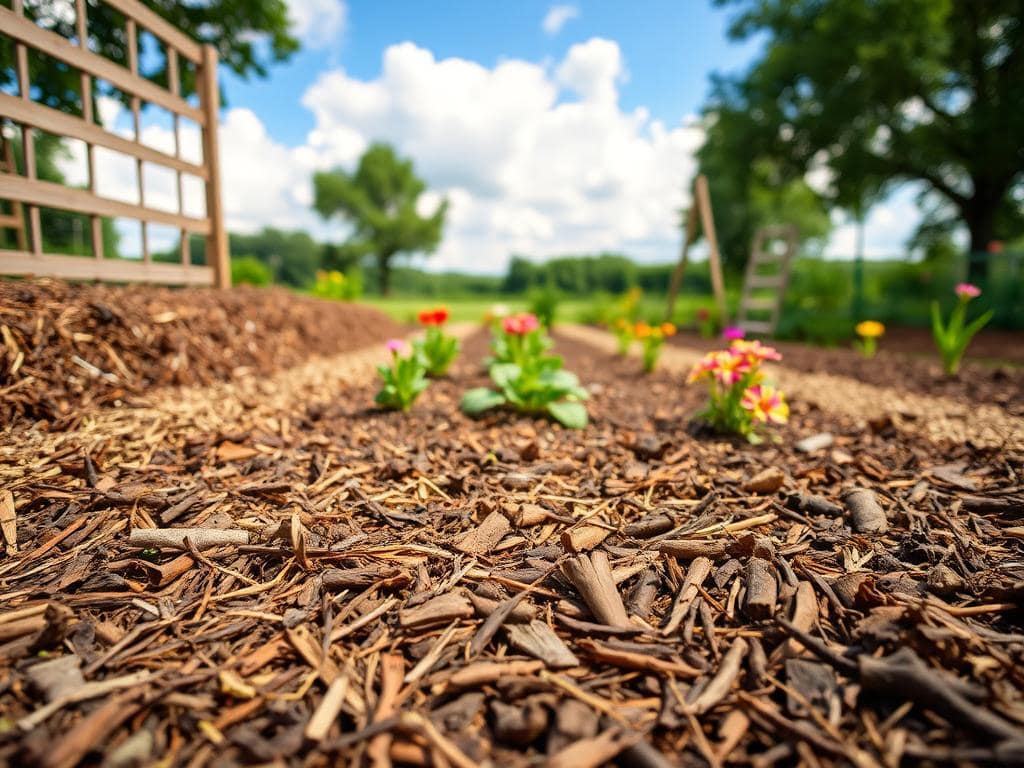
Mulch serves as a vital element in maintaining a flourishing garden ecosystem. Its primary purpose is to protect valuable topsoil, which is essential for plant and animal health. According to the NRCS, soil health directly influences the quality of food, water, and air.
By mimicking the natural forest floor, gardeners can create a self-sustaining cycle. This process improves soil structure and enhances the overall vitality of the garden. However, while the benefits of mulching are numerous, there are challenges to consider.
For instance, over-mulching can lead to pest habitats, and inadequate air circulation may hinder root growth. Effective management requires balancing moisture retention with air circulation. Understanding these aspects helps create a resilient landscape that can withstand environmental fluctuations throughout the year.
Benefits of Mulching for Garden Health and Aesthetics
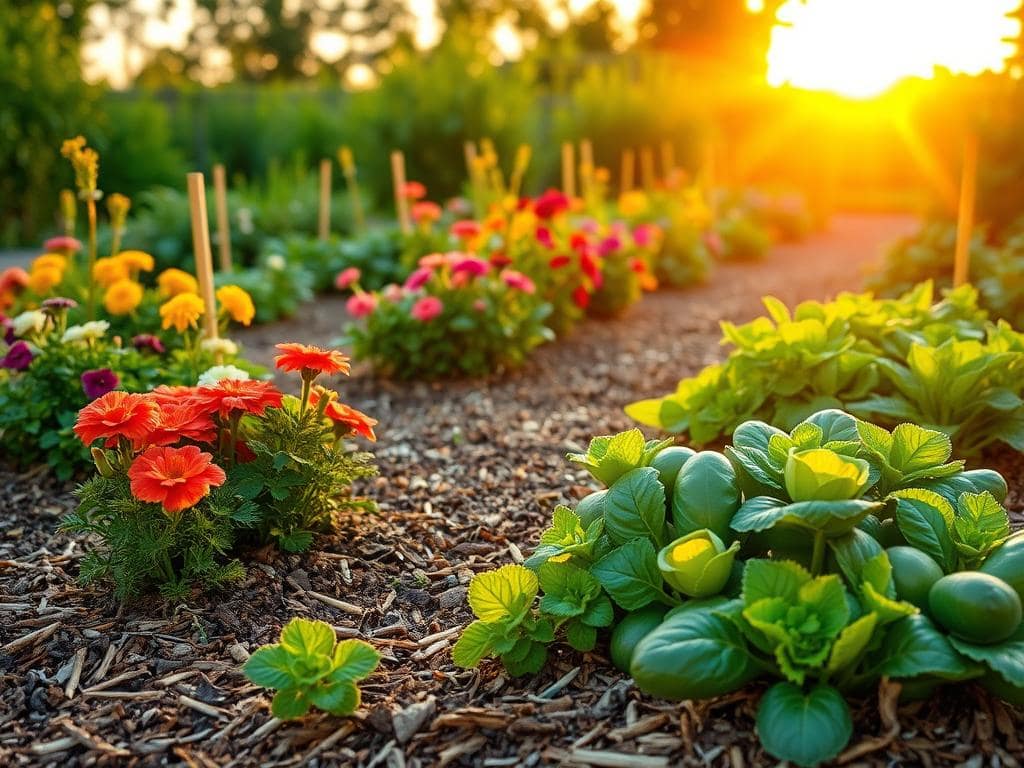
Understanding the benefits of mulch can elevate your garden’s health and beauty. This simple addition not only enhances the visual appeal but also provides crucial advantages for soil and plant health.
Applying a layer of mulch significantly improves moisture retention. This reduces the frequency and volume of water needed for your garden. By keeping the soil cooler, mulch moderates temperatures, ensuring better conditions for your plants.
Weed suppression is another major advantage. The material blocks light from reaching the soil surface, preventing weed seed germination. Additionally, as organic mulch decomposes, it enriches the soil with vital nutrients, boosting beneficial microorganisms and earthworms.
Moreover, a uniform layer of mulch gives your garden a polished look, enhancing its overall aesthetics. It also protects bare soil from erosion, preventing nutrient runoff during heavy rain or wind. For more insights on effective mulching techniques, visit this resource.
Exploring Different Mulch Types

Understanding the diverse types of mulch can transform your gardening approach. Choosing the right mulch is essential for maintaining healthy soil and vibrant plants. There are two main categories: organic and inorganic mulch, each offering unique benefits.
Organic Mulch Options
Organic mulch options, such as shredded bark, leaves, and straw, enrich the soil as they decompose. Shredded bark is particularly popular, as it resists compaction and breaks down slowly over time. Straw and hay can be effective in vegetable beds, but ensure they are seed-free to avoid unwanted weeds.
Inorganic Mulch Materials
In contrast, inorganic materials like plastic sheeting and crushed stone provide long-lasting solutions. These are excellent for areas where you want to minimize maintenance. When selecting types of mulch, consider the specific moisture needs of your plants and the overall aesthetic you wish to achieve.
Preparing Your Garden for Mulching
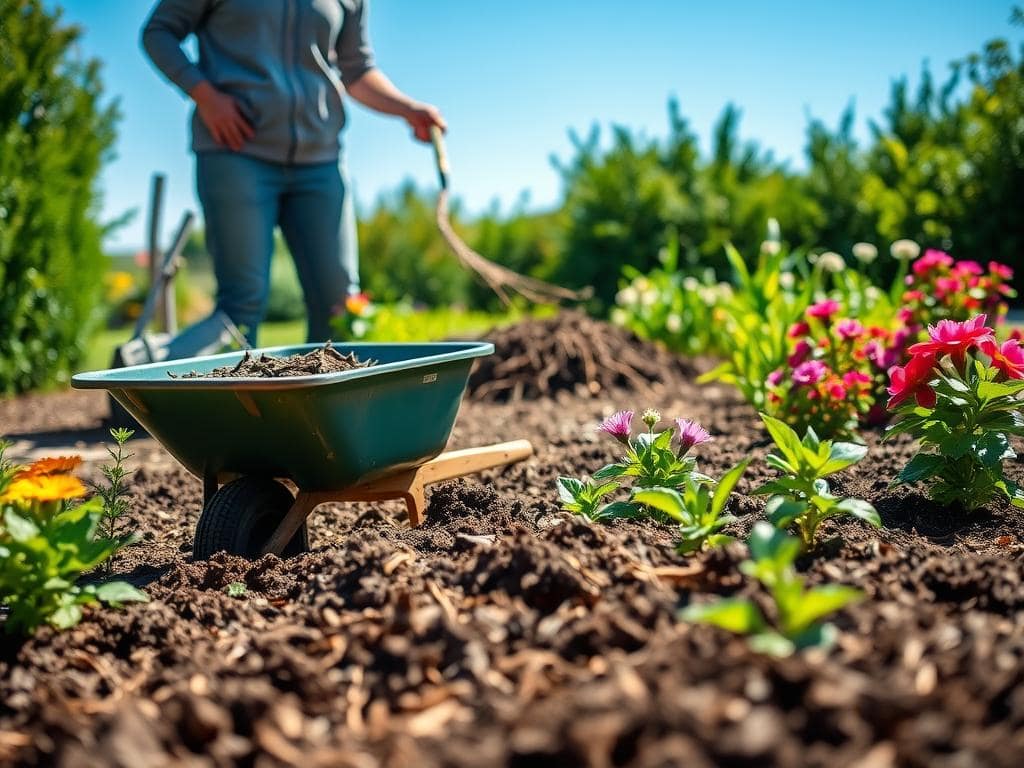
A well-prepared garden sets the stage for effective mulching and thriving plants. Before applying mulch, it is essential to remove all existing weeds. This step prevents them from growing through the new layer, which could create more work for you later.
Next, assess the moisture levels of your soil. Applying mulch over dry ground can hinder water from reaching the roots. If persistent weeds are an issue, consider using a layer of compost or cardboard to smother them before adding your final mulch.
Additionally, preparing the soil with a light application of fertilizer can be beneficial. This is especially true if you are using wood-based materials that may tie up nitrogen. Clear away any debris and dead plant matter to ensure that the new layer sits directly against the soil surface.
For larger areas, landscape fabric can provide an extra barrier against weeds. Just ensure it is permeable to allow for air exchange. By investing time in these initial steps, you create a stable foundation that supports healthy growth throughout the entire growing season.
How to Apply Mulch Effectively
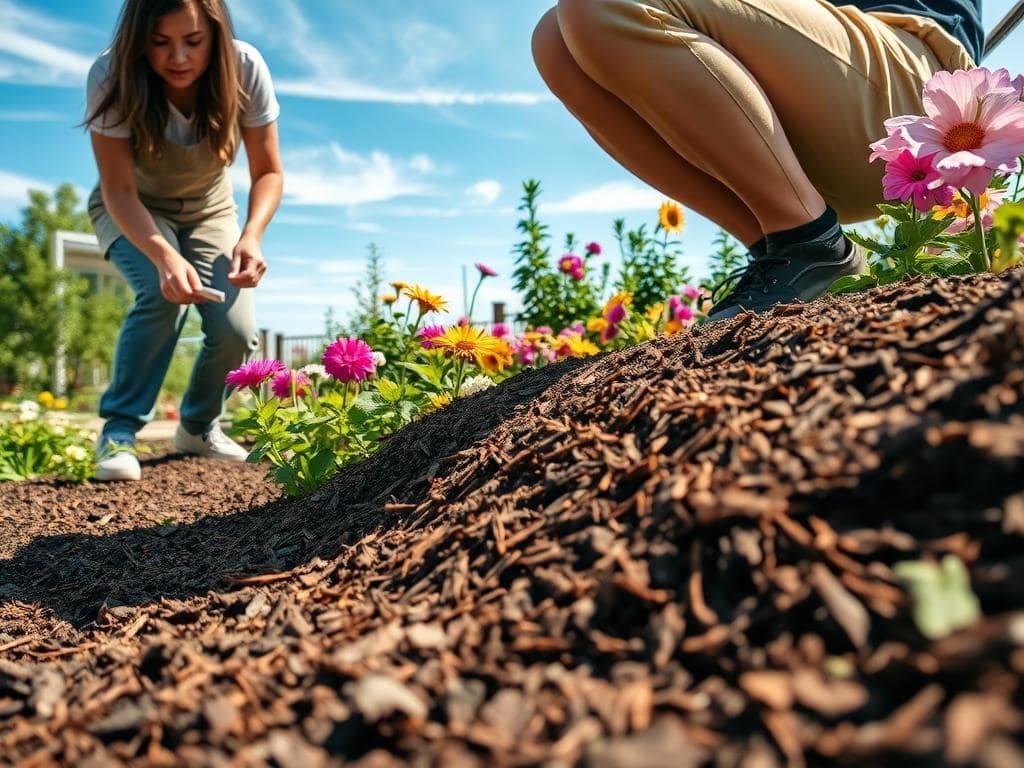
Mastering the art of applying mulch can transform your garden’s health and aesthetics. Proper application is crucial for ensuring that your plants thrive. Start by spreading an even layer of mulch, ideally 2 to 3 inches thick, across the soil surface around your established plants.
Be cautious not to pile mulch against tree trunks. This practice can create a damp environment that attracts decay and pests. Instead, maintain a distance of 6 to 12 inches from the trunks to protect them.
Common mistakes include creating mulch volcanoes, which prevent water from reaching the roots. For smaller plants, pull the mulch back 1 to 2 inches from the crown to avoid smothering. If using fine-textured materials, a thinner layer of 1 to 2 inches may suffice.
Always check that the root flare of your trees is visible above the mulch. After applying, watering the area helps settle the mulch and prevents it from blowing away. By following these steps, you can avoid common errors and ensure a beautiful garden.
Seasonal Mulching Techniques
Seasonal strategies for applying mulch can enhance your garden’s protection and aesthetics. Understanding when to apply mulch is essential for the health of your plants throughout the year.
Strategies for Spring Mulching
Spring mulching is best performed once the soil has warmed. This helps retain moisture and suppress the first wave of emerging weeds. It also refreshes the garden beds, giving them a clean look while preparing the soil for the upcoming growing season.
Approaches for Fall Application
In the fall, wait until after the first hard frost to apply a thick layer of mulch. This protects plant roots from winter damage. Using shredded leaves or straw in the winter provides an excellent insulating blanket that keeps the ground temperature stable for your plants.
| Season | Best Time to Apply | Benefits |
|---|---|---|
| Spring | Once soil warms | Retains moisture, suppresses weeds |
| Fall | After first hard frost | Insulates roots, prevents freeze-thaw cycles |
| Winter | Before heavy snow | Stabilizes ground temperature |
By timing your applications correctly, you provide your garden with the best possible protection against the extremes of both heat and cold.
Mulching Maintenance and Renewal Tips
Maintaining your mulch is essential for ensuring a vibrant and healthy garden. Regular upkeep helps keep the mulch layer effective and visually appealing. Monitoring the depth and composition of your mulch is key to its longevity and benefits.
Here are some important tips for maintaining your mulch:
- Regularly check the depth of your mulch to keep it within the ideal range of 2 to 3 inches for optimal soil health.
- As organic materials decompose, adding a fresh layer is necessary to sustain moisture retention and weed suppression.
- If your mulch has slightly compacted, a light raking can refresh its appearance without needing to add new material.
- Be cautious not to exceed a total depth of 4 inches, as this can hinder air and water from reaching plant roots.
- Assess the composition of your mulch to determine if more organic matter is needed or if existing areas can be topped off.
- During maintenance, check for signs of rot or pest activity around the base of your plants.
- Keeping a consistent mulch layer protects your garden from erosion and temperature fluctuations throughout the year.
- Proper renewal practices can save you time and money, ensuring your plants remain healthy and thriving.
| Maintenance Task | Frequency | Purpose |
|---|---|---|
| Check mulch depth | Monthly | Ensure optimal soil health |
| Add fresh layer | As needed | Maintain moisture and weed control |
| Light raking | As needed | Refresh appearance |
Mulching: Best Practices and Expert Considerations
Effective mulching can greatly enhance your garden’s health and sustainability. It’s essential to consider environmental and safety guidelines when working with mulch. Safety is paramount, so always wear a dust mask to protect yourself from inhaling fungal spores or dust particles.
When using landscape fabric, choose high-quality, permeable options. This ensures that air and water can reach the soil beneath, promoting healthy plant growth. Avoid using grass clippings from lawns treated with herbicides, as these chemicals can harm sensitive plants.
For long-term garden health, focus on building the soil food web. Using organic materials that decompose enriches the soil and provides essential nutrients. Additionally, steer clear of impervious materials like plastic sheeting, which can lead to root rot and plant decline.
Always keep mulch away from tree trunks to prevent moisture buildup that can cause disease and pest infestations. If you opt for hay or straw, ensure they are free of weed seeds to avoid introducing new problems into your garden beds.
| Best Practice | Consideration | Impact |
|---|---|---|
| Wear a dust mask | Protects from spores | Improves safety |
| Use permeable fabric | Allows air and water | Promotes plant health |
| Avoid treated grass clippings | Prevents chemical damage | Safeguards plants |
| Keep mulch away from trunks | Prevents moisture buildup | Reduces disease risk |
By following these best practices, you create a sustainable environment that supports the long-term vitality of your entire landscape.
Conclusion
Creating a thriving garden is achievable with the right practices and materials. Mulching is a fundamental technique that enhances soil health, conserves moisture, and beautifies your landscape. By selecting the appropriate type of mulch and applying it correctly, you can minimize maintenance efforts and keep weeds at bay.
Always monitor your mulch depth and replenish it as necessary to support your plants throughout the seasons. Prioritizing organic materials will improve soil structure and fertility over time. Avoid common pitfalls, such as piling mulch against tree trunks or using impermeable plastic barriers that can suffocate your plants.
With these local expert insights, you are well-prepared to cultivate a stunning and sustainable garden. Start your journey today by assessing your garden’s unique needs and choosing the best mulch to enhance your landscape.