


Have you ever wondered if starting your spring clean-up too early could harm your garden? Timing is crucial when it comes to seasonal maintenance. Many people rush into their gardens at the first sign of warmth, believing it’s the right moment to begin. However, this can lead to significant mistakes that disrupt the natural recovery of your garden ecosystem.
Experts from the Xerces Society emphasize the importance of waiting for more consistent temperatures. Rushing into tasks can inadvertently harm pollinators that are sheltering in dead plant matter. Proper timing not only protects these vital creatures but also ensures that your landscape thrives throughout the year.
In this article, you will discover the most effective strategies for managing your outdoor space without causing unnecessary stress to your plants. To learn more about how to prepare your garden for the season, check out this helpful guide.
Key Takeaways
- Starting too early can disrupt the garden ecosystem.
- Wait for consistent temperatures before beginning tasks.
- Rushing can harm pollinators sheltering in dead plant matter.
- Proper timing is essential for a thriving landscape.
- Follow expert advice for effective garden management.
Timing Your Spring Clean-Up for Success
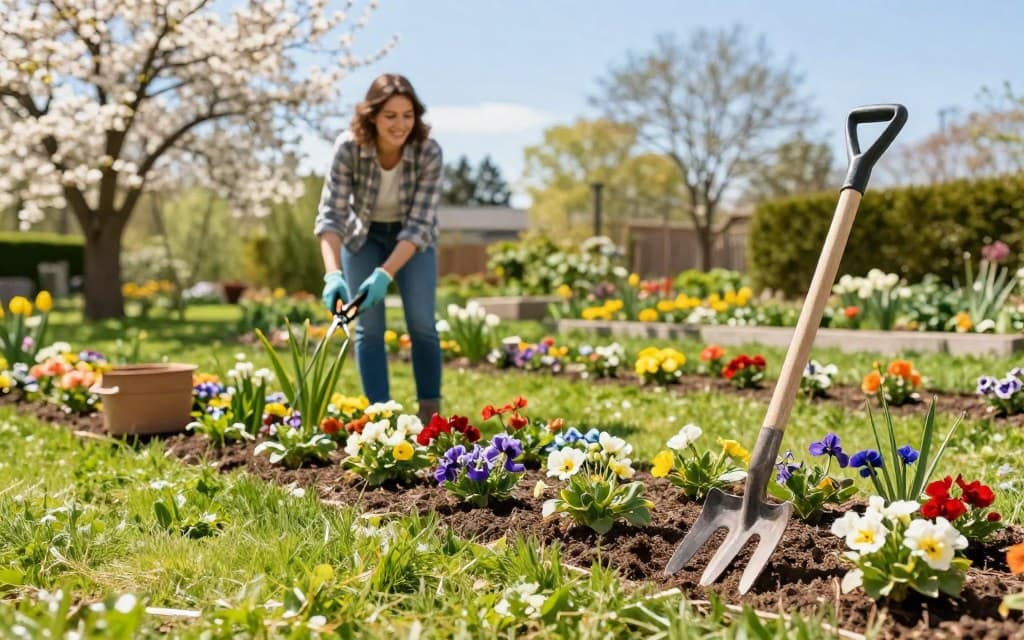
Could rushing into garden tasks too soon disrupt your outdoor ecosystem? Timing is everything when it comes to maintaining a healthy garden. The Xerces Society advises waiting for consistent warm weather to ensure that pollinators remain safe. In many areas, including Colorado, the first warm days can often be followed by late-season frosts. These frosts can be fatal to emerging insects if they are exposed too early.
If your garden spans a large area, waiting until mid-May may not be realistic. Instead, consider leaving specific areas untouched to support local wildlife. Protecting these habitats is crucial, as they help ensure that your efforts do not harm the very creatures that contribute to your garden’s beauty.
Monitor weather patterns closely. Those first few nice days do not guarantee that freezing temperatures have passed for the season. By being patient and observant, you can create a thriving environment for both your plants and the pollinators that help them flourish.
Assessing Garden Areas and Plant Needs
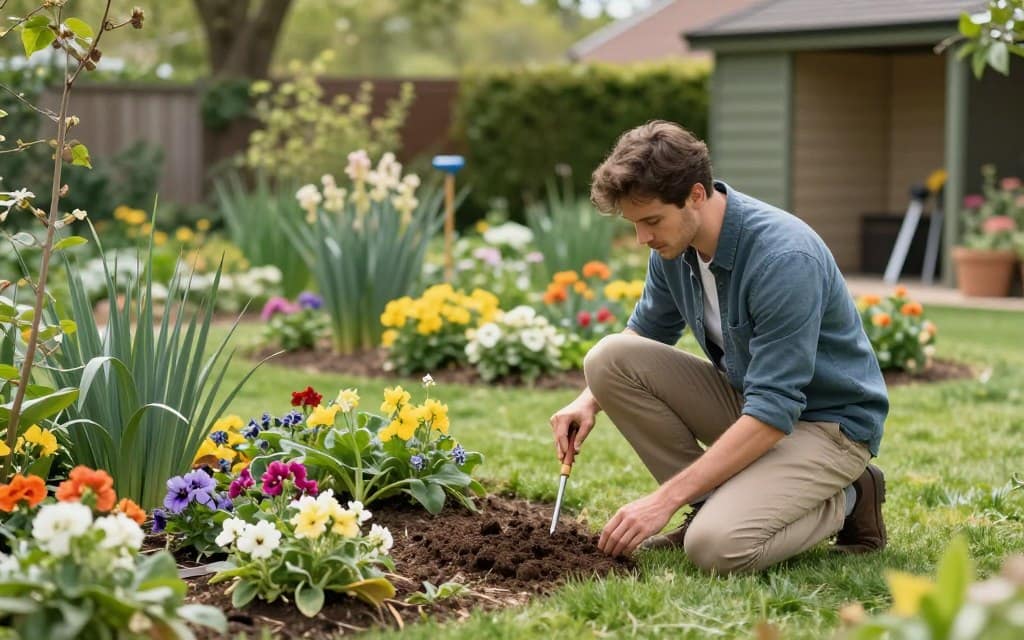
Identifying which areas of your garden require attention is essential for a thriving landscape. Start by reviewing your garden info sheet, which helps pinpoint which plants need care. As noted by Miss Jean in her blog on division and propagation, this step is crucial for effective management.
Don’t be alarmed if some perennials take longer to wake up in early months. It’s common for beds to appear empty at this time. While assessing your garden, look for areas where old growth should be removed. This action prevents the accumulation of excess plant waste that can hinder new growth.
Each plant deserves gentle treatment, especially when clearing away dead materials that may smother emerging shoots. By inspecting your garden closely, you can determine which specific areas need careful attention. This ensures your plants remain healthy and vibrant as the season progresses.
For more guidance on effective yard management, consider exploring professional yard cleanup services.
Essential Tools and Techniques for Your Garden
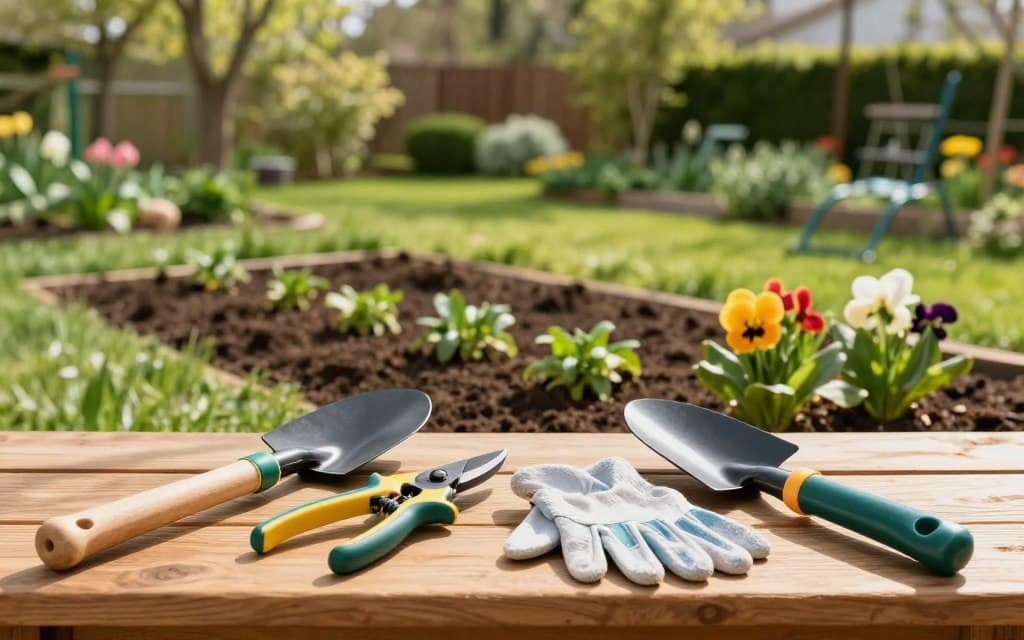
Having the right tools is essential for effective garden maintenance. CSU Master Gardeners provide valuable guidelines for maintaining and preparing your gardening equipment. This preparation is vital for a successful gardening season.
Start by ensuring your tools are clean and sharp. This step is fundamental to prevent the spread of disease between plants. If you didn’t clean your garden shears and shovels in the fall, now is the perfect time to remove any rust or debris.
Properly maintained tools allow you to manage garden waste efficiently. This prevents damage to the stems or roots of your delicate perennials. A well-prepared set of tools makes the entire process of seasonal maintenance much easier for homeowners.
Investing time in your equipment ensures you are ready to tackle any task as soon as the weather permits safe outdoor activity.
Effective Watering and Maintenance Practices
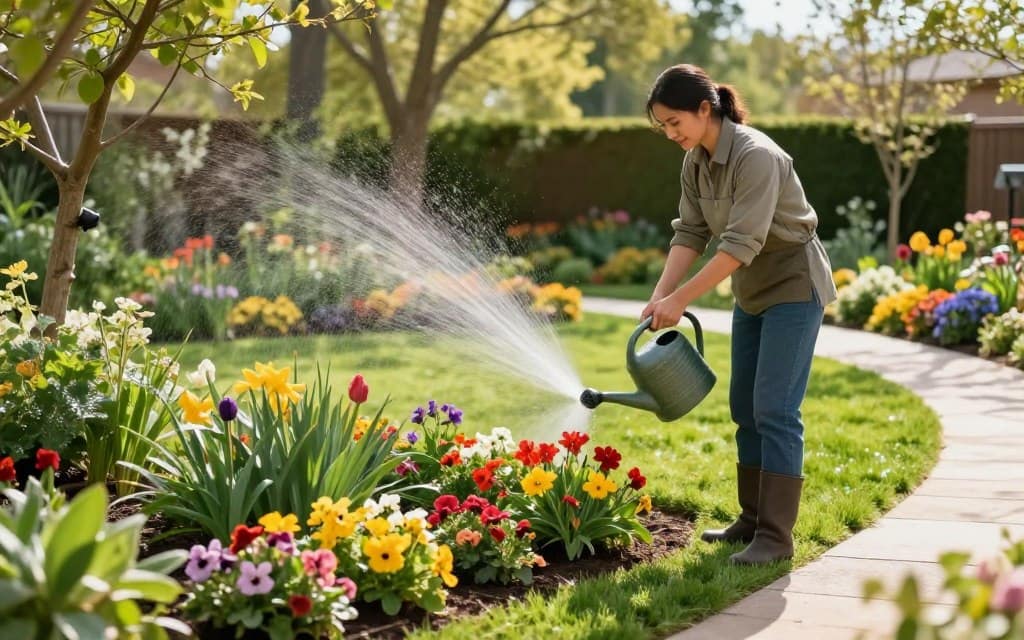
Watering your garden correctly is vital for the health of your plants. It’s essential to understand when and how to water to ensure your garden thrives. During this time, continue hand watering your plants until nighttime temperatures are consistently above freezing, which usually occurs in May.
Only water your garden when temperatures exceed 40 degrees, especially after several dry days without snow. This approach helps maintain soil moisture without over-saturating your plants.
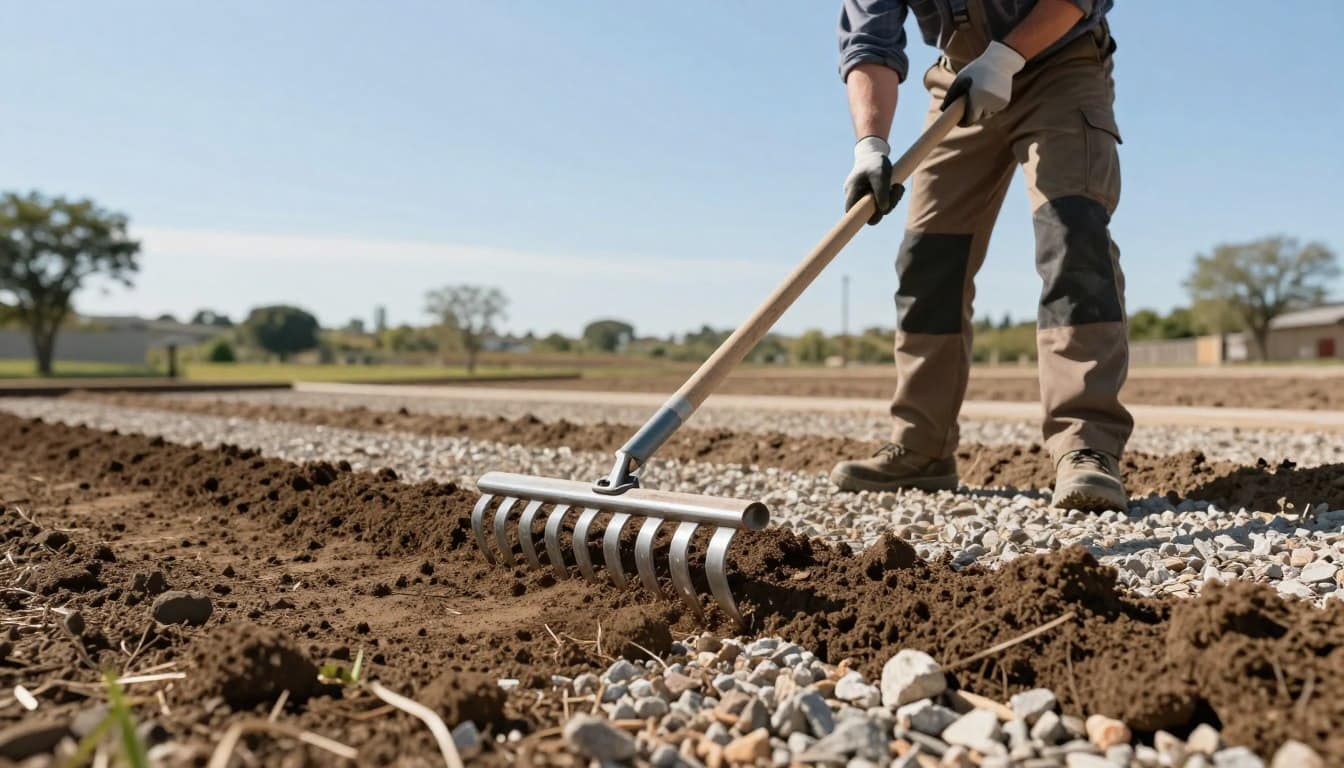
Weeding is another important task. The soft, thawed soil in early spring makes it easier to pull out weeds by their roots. Removing these unwanted plants early prevents them from becoming a significant source of garden waste later in the season.
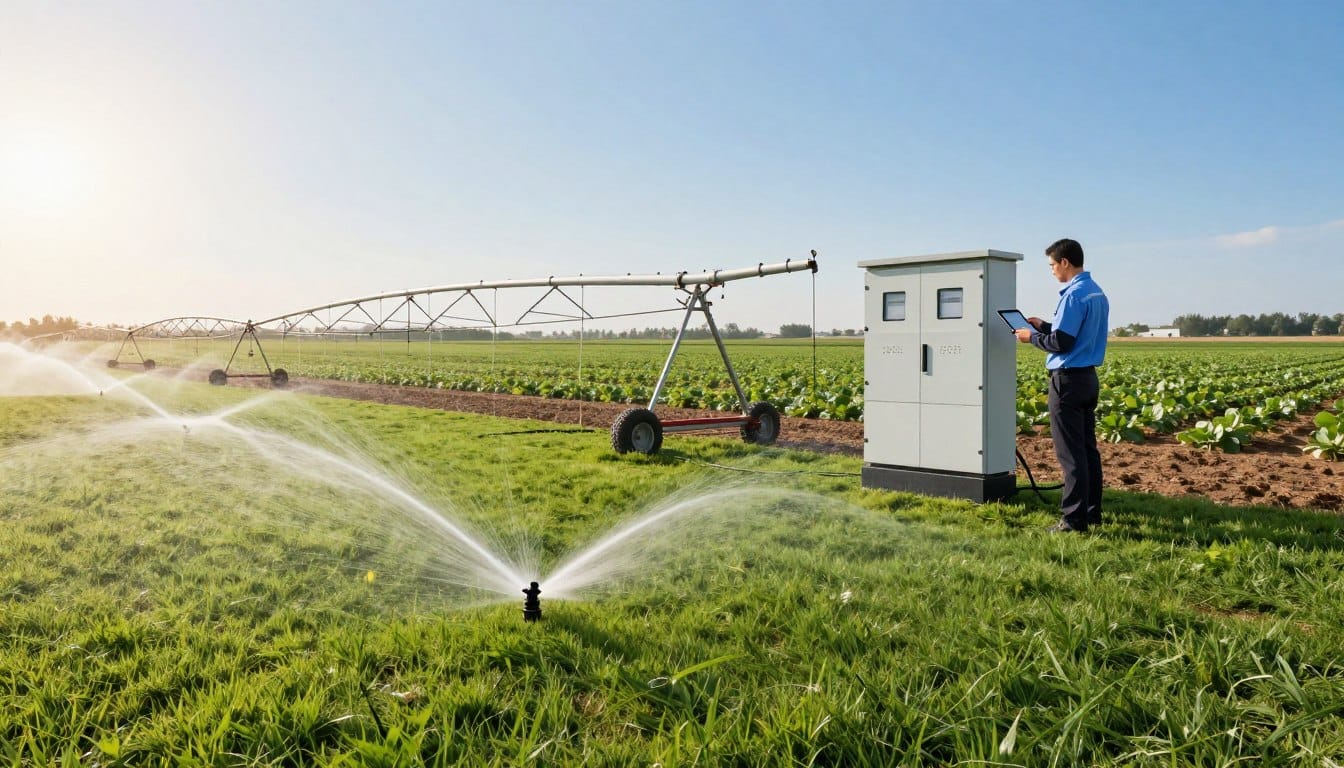
If you’re concerned about your irrigation efficiency, consider signing up for the Slow the Flow sprinkler evaluation program, which begins in June for participating areas. This program can help optimize your watering practices and ensure your garden remains healthy.
Proper Pruning and Mulching Methods
Effective pruning and mulching techniques are essential for a vibrant yard. Seasonal pruning not only encourages healthier growth but also prevents waste accumulation in your garden. By focusing on specific methods, you can enhance the vitality of your plants.
When pruning shrubs, concentrate on the 5 D’s: dead, dying, damaged, diseased, or disfigured branches. This practice redirects energy to newer growth, ensuring your plants thrive. For delicate species like Lupinus and Aquilegia, use your hands to gently remove dead material. Harsh tools can harm the crown and hinder recovery.
Cutting back ornamental grass to about 1 or 2 inches protects new shoots and prevents the center from dying out. Additionally, applying a two- to three-inch layer of mulch helps regulate soil temperatures and supports beneficial microbial communities. Proper pruning improves air circulation, crucial for preventing disease and keeping your yard looking fabulous throughout the year.
For more tips on rejuvenating your garden, check out this helpful resource.
Mastering Your spring clean-up Routine
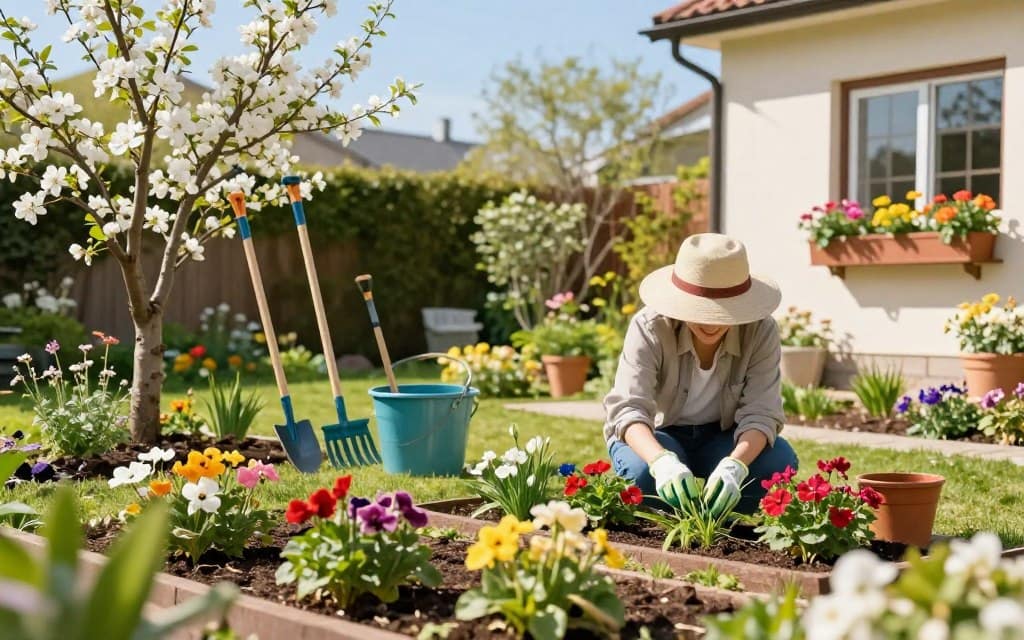
Are you ready to take control of your garden as the season shifts? It’s time to tackle your outdoor tasks with a clear plan. By mastering your clean-up routine, you can rejuvenate your yard and create a vibrant space for the year ahead.
Steps to Divide and Propagate Plants
As Billy Ocean might suggest, it is time to get out of your dreams and into your yard to tackle your spring cleanup tasks. One effective method is dividing plants that have developed a hole in the center, known as the donut. This technique helps rejuvenate your garden beds.
When you divide your plants, you can propagate the extra clumps to fill in other areas of your landscape for a fuller look this year. This not only enhances your garden’s beauty but also promotes healthier growth.
Implementing a Gradual Cleanup Strategy
Implementing a gradual cleanup strategy allows you to manage your garden area one section at a time without feeling overwhelmed by the workload. Focus on removing dead branches and plant waste systematically. This improves overall air circulation and health in your outdoor space.
By breaking down tasks into manageable parts, you can enjoy the process and ensure that your garden thrives. For more insights on signs your lawn needs aeration, check out this helpful resource.
Conclusion
Successfully managing your outdoor space requires a thoughtful approach to seasonal tasks. Mastering your cleanup routine means being patient and understanding your plants’ specific needs. By waiting for consistent warm weather, you protect vital pollinator habitats and ensure your garden beds are ready for the growing season.
Remember to manage your water usage carefully and remove garden waste gradually. This practice keeps your soil healthy and your plants thriving. Whether you are pruning branches, dividing grass, or mulching your yard, every step contributes to a more beautiful landscape this year.
Consistent care and attention to detail will ensure that your outdoor space remains a healthy environment for both you and local wildlife.