How Much Does Custom Landscape Design & Installation Cost in 2026? (Full Price Guide)

The ROI of outdoor living and professional landscape design is real: a thoughtful upgrade can add as much as 15% to your home’s value. That makes the $5,000 versus $150,000 question worth asking up front.

This guide shows why prices vary. Small yard refreshes cost far less than full property overhauls because scope, materials, and construction complexity drive price more than lot size.

Think of projects on a design-build scale: from light refreshes to full transformations. Moving up the scale means more drawings, permits, longer install times, and more trades on site.

For San Jose and the Bay Area, local labor rates, water rules, and drainage realities shift costs versus national averages. Expect the guide to focus on realistic 2026 decision points for this market.

Most custom jobs start with a questionnaire and a discovery call. Some firms offer a paid 60–75 minute virtual strategy session to answer key questions and avoid costly mistakes later.

This two-part guide breaks costs into design phase choices and installation phase costs, shows common budget blow-ups, and explains how phased projects help you avoid overspending on features you won’t use.


Key Takeaways

  • Up to a 15% home value lift makes outdoor living an investment, not just yard work.
  • Prices range from roughly $5,000 to $150,000 based on scope, materials, and complexity.
  • Design-build” is a spectrum: more scope means more time, permits, and trades.
  • San Jose and Bay Area specifics—labor, water, and drainage—affect 2026 costs.
  • Start with a questionnaire and discovery call; consider a paid virtual consult to save time and money.
  • The guide covers design choices, install costs, common budget risks, and phased approaches.

The ROI of Outdoor Living and 2026 Cost Ranges at a Glance
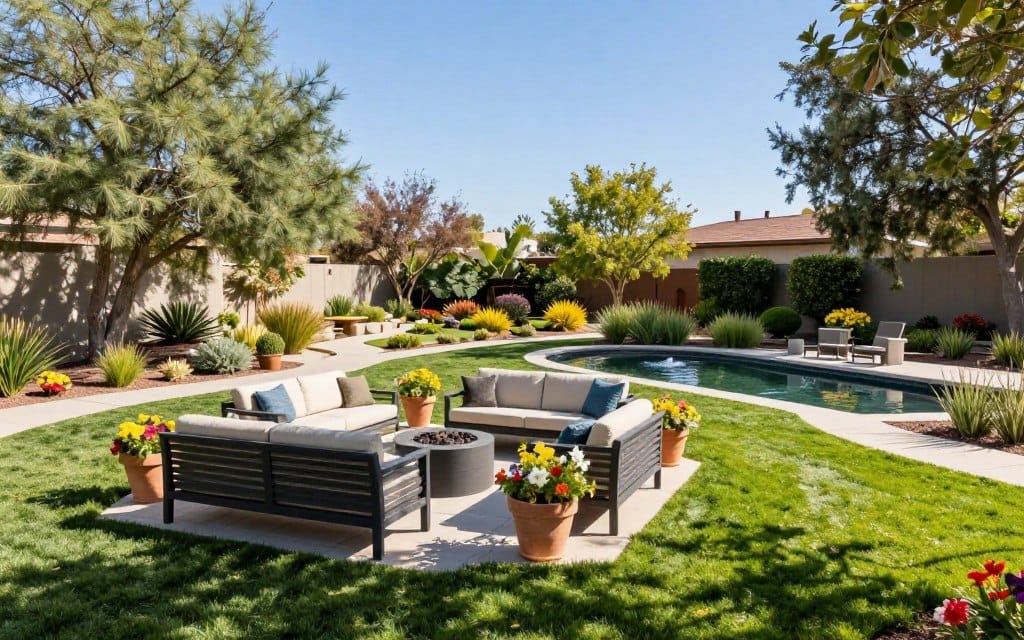
A vibrant outdoor living space in San Jose, showcasing a beautifully designed landscape. In the foreground, a neatly manicured lawn features a stylish seating area with modern outdoor furniture and a cozy fire pit, perfect for gatherings. Potted plants and colorful flowers add life and warmth. The middle ground displays a lush garden with native San Jose plants, intertwining pathways, and a serene water feature, reflecting the essence of landscape design. The background portrays a clear blue sky with soft sunlight filtering through trees, creating dappled shadows. The atmosphere feels inviting and tranquil, emphasizing the value of outdoor living. Use a wide-angle lens to capture the breadth of the space, with a focus on natural lighting to enhance the vibrant colors and details.

Smart outdoor upgrades pay off when they match how you live. Value rises most when a yard supports clear uses: dining, play, gardening, or quiet lounging. Usability—not random features—drives a stronger return on investment and better daily enjoyment.

Below are quick reasons why one project can be $5,000 and another $150,000. Small budgets often cover targeted updates: plant refreshes, irrigation fixes, or a small patio. High-end totals reflect multi-zone builds with major hardscape, lighting, walls, drainage, and premium materials.

How the design-build scale affects cost and schedule

Three common tiers change timeline and trades: concept-only (fast, low cost), full planning (permits, drawings), and full build (multiple trades, longer schedule). More scope means more site prep, inspections, and labor.

2026 price snapshot — at a glance

Project SizeTypical RangeCommon Features / FunctionComplexity
Small$5,000 – $15,000Front curb, small patio, plant refresh, irrigation fixesSimple refresh; low site work
Medium$15,000 – $60,000Backyard living, dining area, modest hardscape, lightingModerate; some grading and irrigation upgrades
Large$60,000 – $150,000+Multi-zone entertaining, retaining walls, premium hardscapeHigh; heavy grading, drainage, and multi-trade build

Phased approach and San Jose specifics

Plan a master vision and build in phases—commonly $10k/year—to keep cohesion and avoid rework. In San Jose, heat exposure, slopes, clay soils, and rising water costs push teams toward water-smart planting and drought-tolerant choices that lower long-term operating costs.

Bring these items to early talks: photos, property lines, must-have uses, inspiration, and a realistic budget range. That helps teams price the right scope and map a phased path to your final outdoor living vision.

Landscape Design Costs in 2026: The Design Phase (Architect vs. Designer)
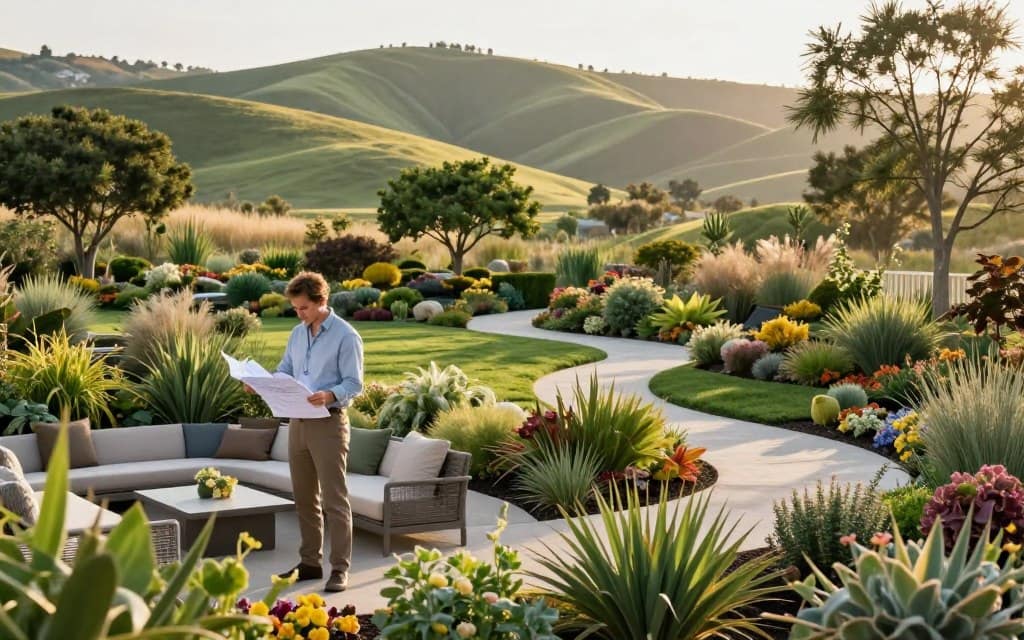
A serene and inviting landscape design scene set in San Jose, showcasing a beautifully curated garden. In the foreground, there's a professional landscape designer in smart casual attire, attentively reviewing blueprints beside a modern outdoor seating area adorned with lush greenery and colorful flowers. The middle ground features a variety of plant species, including native California flora, neatly arranged along winding pathways. In the background, the picturesque rolling hills of San Jose bathed in warm morning light provide a tranquil atmosphere, with soft shadows enhancing the contours of the land. The composition should emphasize a harmonious blend of nature and design, evoking a sense of professionalism and creativity in landscape architecture. The camera angle is slightly elevated to capture the full scope of the design, filled with vibrant colors and textures of the foliage, inviting viewers to envision the experience of custom landscape design.

Good planning at the start keeps costs predictable and prevents costly mid-project changes. In San Jose, the first phase sets scope and helps match the build to your budget.


Discovery call and measuring the area

Reputable landscape contractors start with a project questionnaire and a discovery call to learn client goals. They then measure the area, note sun, slope, access, and any constraints that affect feasibility and price.

Consult vs full-service packages

Paid virtual strategy sessions (60–75 minutes) give direction, priorities, and quick solutions to avoid mistakes. Full services deliver stamped plans, multiple feedback cycles, and complete permit-ready docs when needed.

What custom packages include and pricing

Custom work typically offers layout options, material choices, planting concepts, irrigation plans, and set feedback rounds. National average landscape design cost is about $4,485; many San Jose firms credit design fees toward installation when you hire the same team.

Aligning design with budget

Prioritize an entertaining space (patio + lighting) first, simplify driveways and walkways to save money, or reduce material types to lower labor while keeping a cohesive style. A good deliverable yields accurate bids, fewer surprises, and cleaner scheduling.

ServiceTypical OutcomeWhen to choose
Virtual consultQuick direction, prioritiesSmall upgrades, avoid early mistakes
Designer packageConcepts, feedback cyclesMost residential San Jose projects
Architect/stampedPermits, grading/drainage plansComplex grading or code-heavy builds

Installation Costs: Hardscape vs. Softscape for Bay Area and San Jose Yards
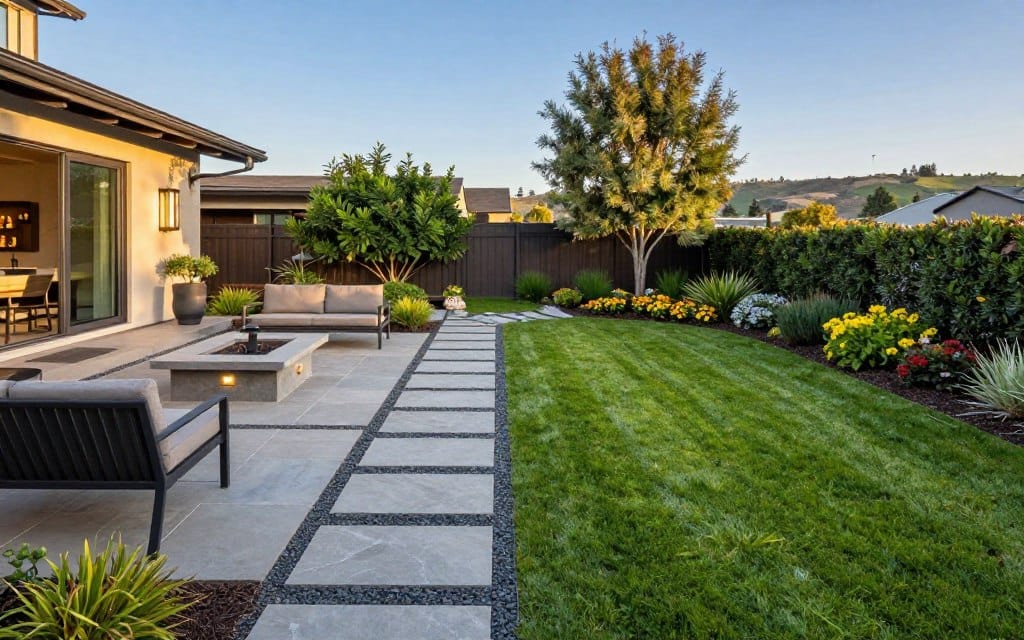
A split landscape view of a San Jose yard showcasing hardscape on one side and softscape on the other. The left side features a modern patio with stylish stone pavers, a built-in fire pit, and decorative gravel paths, highlighted by ambient lighting and surrounded by sleek minimalistic outdoor furniture. The right side displays lush green lawns, vibrant flower beds, and carefully arranged shrubs under soft natural sunlight, creating a tranquil garden atmosphere. Include a clear blue sky in the background, with distant hills to capture the Bay Area essence. The image should evoke a sense of balance between urban structure and natural beauty, emphasizing the distinct installation styles, shot from an elevated angle for an expansive view.

How you split hardscape and softscape work drives most installation budgets in the Bay Area. Breaking costs into two buckets helps homeowners read proposals line-by-line and spot where labor, equipment, and base prep add up.


Hardscape pricing drivers

Hard features like patios, walkways, driveways, retaining and sitting walls vary by excavation access, base thickness, slope corrections, and drainage layers. Material choice — pavers, concrete, or natural stone — changes labor and lead time. Poor site access or surprise demolition increases cost fast.

Softscape pricing drivers

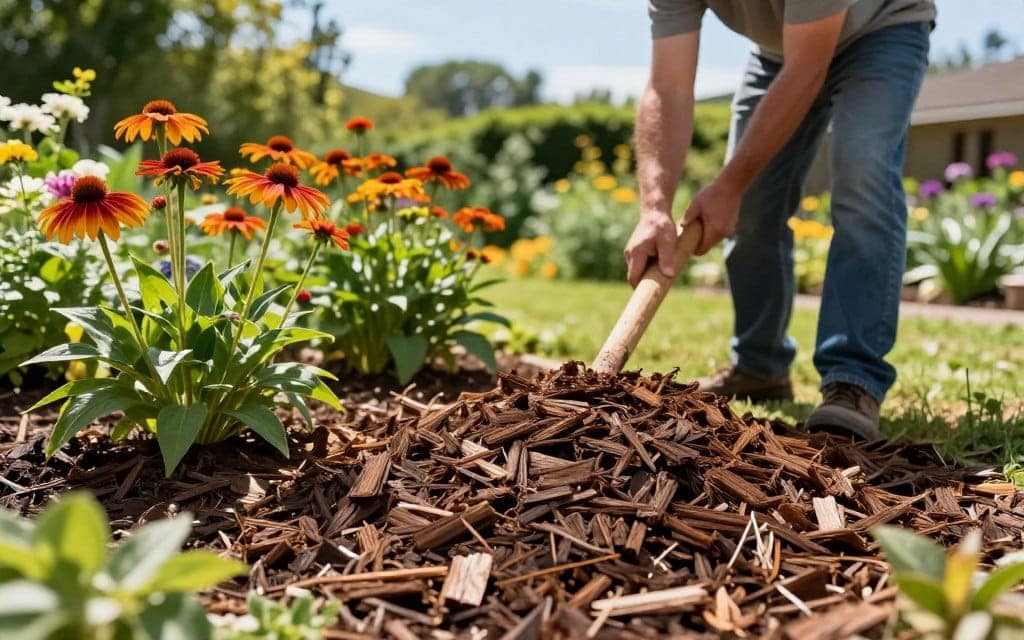
Soft costs depend on plant quantity and maturity, sod versus seed, irrigation zoning, and drainage fixes. Water-smart upgrades raise installation cost but cut bills later. In san jose, soil and disposal fees also affect final price.

Phasing, timelines, and quality signals

Start with drainage and the irrigation backbone, build hardscape bones next, then plant. This order prevents rework and keeps the outdoor space usable during a phased project.

Watch for red flags: last-minute swaps, utility surprises, or added features late. Ask for documented base prep, premium components, a 1-year irrigation guarantee, and a 90-day plant warranty.

CategoryKey DriversWhat Raises Cost
HardscapeExcavation, base compaction, materialsPoor access, slope work, special-order stone
SoftscapePlant size, irrigation zones, drainageMature specimens, extra grading, controller upgrades
Timing & RiskPermits, material lead times, weatherDesign changes, subcontractor delays, unexpected utilities

Smart installation choices reduce long-term maintenance and water use. Pick drought-adapted plants with layered textures and timed irrigation to keep a green, colorful backyard with lower ongoing costs for busy people.

Conclusion

A clear plan and staged execution make costs predictable and results lasting. A simple process that emphasizes scope, quality materials, and firm timelines leads to long-term satisfaction and fewer surprises.

2026 pricing becomes manageable when you pick the right level of landscape design, tie the scope to real function goals, and build the “bones” first. Prioritize irrigation, drainage, and structural work before cosmetic finishes to protect your budget and schedule.

Define goals → choose design support → lock materials and scope → plan phases → limit midstream changes. Experienced local teams handle end-to-end work, stand behind materials, and offer warranty terms that matter.

Compare proposals on scope clarity, timelines, warranties, and who coordinates trades so you can compare projects fairly. Ready to see what’s possible for your property? Contact C&T Lawn and Landscape for a custom quote.

FAQ

How much does a custom outdoor project typically cost in 2026?

Costs vary widely depending on scope and features. Small yard refreshes with planting, irrigation upgrades, and a basic patio often start around ,000. Mid-range projects that add hardscaping, lighting, and built-in planters typically run ,000–,000. Large, full-scale transformations with kitchens, terraces, water features, and structural elements can reach 0,000 or more. Local factors like San Jose labor rates, permits, and site access also affect final pricing.

How does investing in outdoor living affect my home’s value?

Thoughtful outdoor improvements can boost resale value and curb appeal. Well-executed spaces for dining, entertaining, and relaxation may increase perceived property value by up to 10–15%, especially when they use durable materials and water-efficient plantings. Return on investment tends to be higher when the project complements the home’s style and neighborhood standards.

What is the “design-build” scale, and why does it matter for pricing?

The landscape design-build scale refers to the range from simple schematic plans to fully detailed construction documents and managed installation. Projects using a full design-build workflow include site analysis, detailed plans, permits, and contractor coordination, which increases upfront cost but reduces surprises during construction and often shortens the timeline. Smaller consults and single-phase installs cost less but can leave scope gaps that increase change orders.

What happens during a discovery call and site measuring?

Reputable landscape contractors start with a discovery call to gather goals, budget, and timeline. Next they measure the area—either in person or with accurate site data—to confirm dimensions, grades, and utilities. This process identifies constraints like drainage, tree protection, and access for equipment, which shape the design and cost estimate.

Should I choose a landscape architect, a designer, or a contractor for the design phase?

Choice depends on complexity. Landscape architects work well for large sites, grading, retaining structures, or when permits are required. Landscape designers and experienced contractors can handle most residential projects, patios, planting plans, and water-wise solutions. Ask for portfolios, references, and proof of local permitting experience to match the professional to your project needs.

What do paid virtual consultations include compared to full-service packages?

Virtual consultations often provide concept ideas, budget guidance, and photo-based recommendations for a lower fee. Full-service packages include on-site surveys, scaled drawings, material specifications, permit drawings, and multiple revision cycles. Some firms credit design fees toward installation if you hire them for build-out.

What should be included in a “custom design” deliverable?

A complete custom plan typically includes a site plan with dimensions, hardscape layouts, planting plans with species selections, lighting locations, irrigation plans or water-smart strategies, material schedules, and a phased timeline. It should also document maintenance needs and options for drought-tolerant plants common in the Bay Area.

How can design fees be applied to installation costs?

Many providers offer a credit that applies a portion or all of paid design fees to the installation contract if you proceed with their build service. Confirm the policy in writing, including conditions that trigger the credit and timelines for use.

How do hardscape and softscape costs compare for San Jose and the Bay Area?

Hardscape—paving, retaining walls, pergolas, and built-in features—usually represents the larger portion of a project due to materials, labor, and excavation. Softscape—plants, soil, irrigation—can be less costly initially but adds long-term maintenance. In the Bay Area, higher labor and permit costs raise both line items, especially where specialized trades or engineered walls are needed.

What drives hardscape pricing the most?

Major drivers include material choice (concrete, pavers, natural stone), site grading and excavation, drainage work, retaining walls, and structural requirements for steps or terraces. Complex geometry, custom finishes, and specialty contractors also increase costs.

What drives softscape pricing the most?

Plant selection, mature specimen size, soil amendments, irrigation system complexity, and drainage solutions are primary drivers. Water-smart systems like drip irrigation and rainwater capture add upfront cost but reduce long-term water and maintenance expenses.

Can I have a green, colorful yard while conserving water?

Yes. Drought-tolerant native and Mediterranean plants can provide color and texture with less irrigation. Grouping plants by water needs, using efficient drip systems, mulch, and smart controllers significantly reduces water use while preserving aesthetic appeal.

What factors commonly extend installation timelines?

Permit delays, unexpected site conditions (rock, poor soils, underground utilities), weather, material lead times, and changes in scope can extend timelines. Clear communication, realistic scheduling, and early permitting help reduce delays.

How do I evaluate quality signals and reduce risk when hiring contractors?

Look for proper licensing, insurance, references, a written contract with detailed scopes, timelines, and payment schedules. Warranties on irrigation systems and plant establishment, and clear material specifications are strong quality signals. Request photos of past projects in similar budgets and visit completed sites when possible.

How can I align project scope with a tight budget?

Prioritize high-impact items—patio, lighting, and key plantings—then phase additional features over time. Choose durable, cost-effective materials, use native or smaller specimen plants, and plan simple irrigation upgrades now with staged hardscape installations later.

Are there financing options for outdoor projects?

Many landscape firms partner with financing companies or offer payment plans. Home equity loans, personal loans, and contractor financing can make larger projects manageable. Compare interest rates and terms before committing.

What maintenance should I plan for after installation?

Routine tasks include irrigation checks, seasonal pruning, mulching, fertilizing, and pest monitoring. Some companies offer maintenance plans or planting warranties for establishment periods. Early maintenance protects your investment and ensures plant health and longevity.
Scroll to Top