


Have you ever wondered how the outdoor spaces of our homes will evolve in the coming years? As we approach 2026, the focus on innovative landscaping is set to redefine how we interact with our yards and gardens. The trends emerging now emphasize sustainability and functionality, transforming these areas into more than just a patch of grass. Homeowners are increasingly seeking to create environments that not only look beautiful but also serve practical purposes. From integrating smart technology to adopting eco-friendly practices, the future of landscaping is bright. With the right landscape installation services, you can turn your vision into reality, ensuring your outdoor space remains a valuable asset for years to come.
This article will explore key trends shaping the way we think about outdoor living. We will delve into the essential elements that can transform your yard into a sanctuary tailored to your lifestyle and environmental conditions.
Key Takeaways
- The 2026 trends emphasize sustainable and functional outdoor spaces.
- Investing in professional landscaping can enhance property value.
- Smart technology integration is becoming essential in modern landscaping.
- Choosing the right plants can lead to lower maintenance and water usage.
- Understanding design principles can help create personalized outdoor environments.
Overview of 2026 Landscape Design Trends
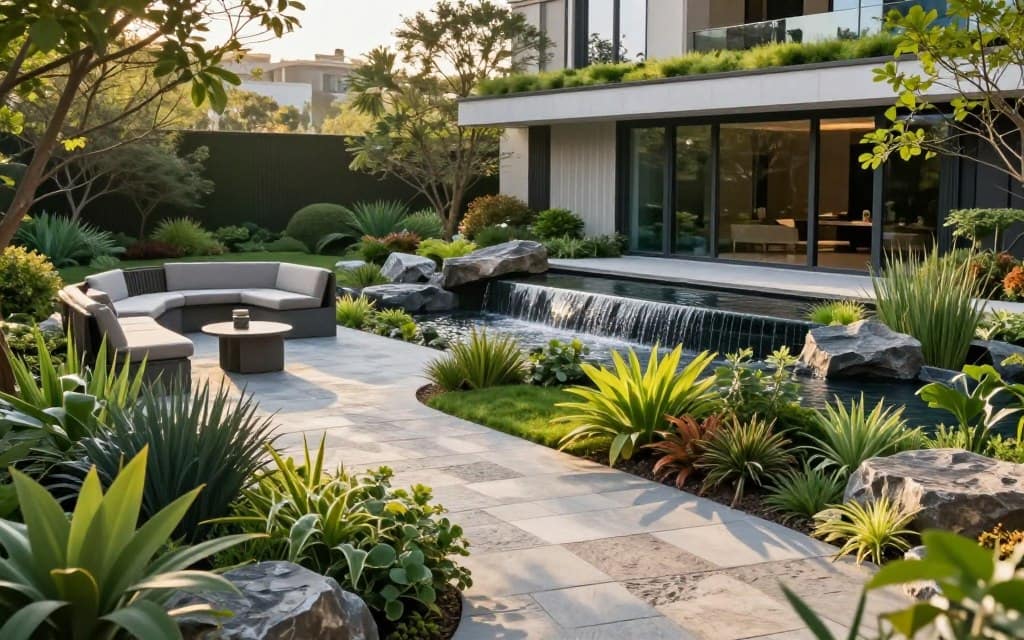
The evolution of outdoor spaces is underway, and 2026 will bring exciting changes. Homeowners are increasingly interested in innovative approaches to enhance their gardens and yards. Digital tools like iScape and SketchUp are transforming how these spaces are visualized. These platforms allow for precise planning before any physical work begins.
One of the most notable trends is the focus on creating a four-season garden. This concept ensures that your outdoor area remains vibrant throughout the year. By incorporating diverse plants, homeowners can enjoy changing foliage and flowers with each season.
Additionally, vertical gardening is gaining traction. This technique enables homeowners to maximize limited space while growing a variety of plants. Future predictions indicate a shift toward low-maintenance gardening solutions that maintain beauty without excessive upkeep.
To explore more about enhancing your outdoor areas, check out this informative article on transforming your outdoors.
Understanding Residential Landscape Design Fundamentals
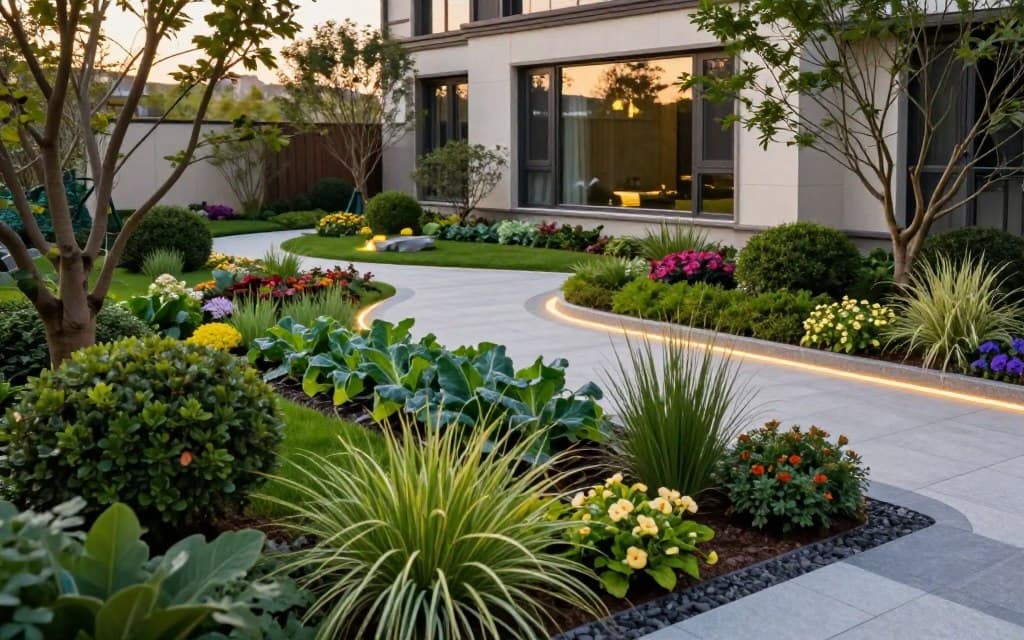
Understanding the fundamentals of outdoor space planning is essential for creating a harmonious environment. This knowledge lays the groundwork for transforming your garden into a beautiful and functional area.
Performing a thorough site analysis is the first step in the process. This involves mapping out existing structures and environmental factors that will influence your design. Creating a base plan using a scale of 1 inch = 8 feet ensures accurate measurements for future construction.
The principles of design, such as unity, simplicity, and balance, are crucial. They provide a framework that prevents your garden from becoming cluttered or chaotic. Additionally, utilizing a bubble diagram can help organize your yard into distinct zones, such as public and private spaces.
Finally, understanding the interaction between sun, shade, and wind patterns is vital. This knowledge aids in selecting the right plants that will thrive in your specific conditions, ensuring a vibrant and sustainable outdoor area.
Creating Your Personal Landscape Design Blueprint
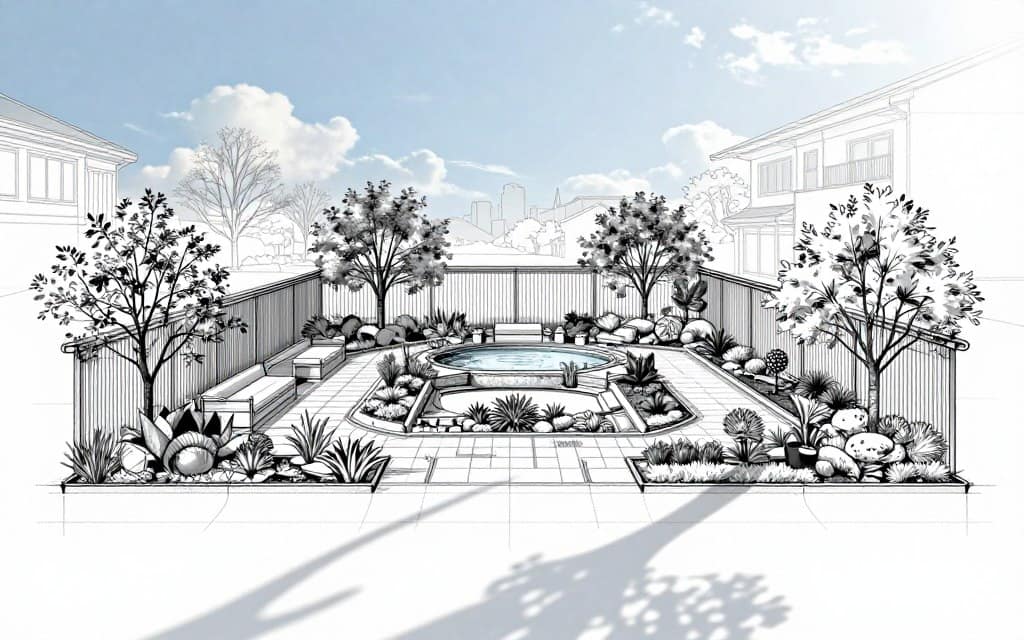
Creating a personal blueprint for your outdoor space can set the tone for a stunning transformation. Begin by sketching your property, marking permanent features like trees, sheds, and patios. This rough outline helps visualize the layout before diving into details.
Measuring your space accurately is vital. Be sure to note the locations of windows, doors, water faucets, and electrical outlets. This information will guide your design choices and ensure a cohesive look.
Once your rough map is ready, transfer it to graph paper. Each square can represent one foot, allowing you to create a master plan to scale. This plan serves as the foundation for your project.
Using tracing paper over your master copy lets you experiment with different design ideas without altering the original map. Always remember to mark the north direction on your plan. This step is essential for understanding sunlight and wind patterns.
Transforming Your Front Yard and Backyard Spaces
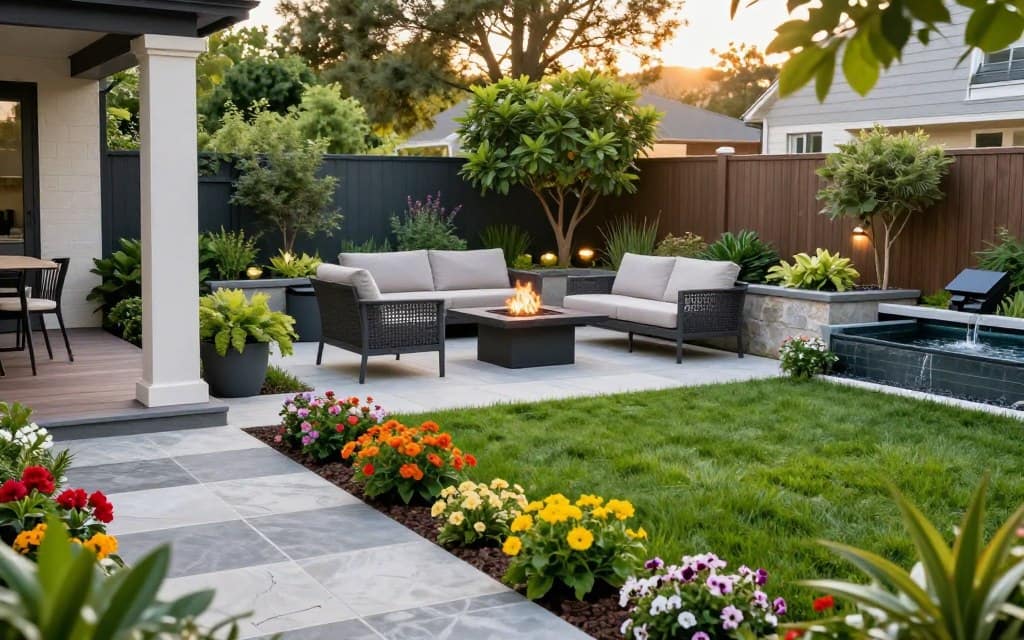
Revamping your front and back yards can create inviting spaces for relaxation and entertainment. The front yard serves as the first impression of your home. Keeping it simple and uncluttered is essential. A clear path to the entrance enhances accessibility and welcomes guests.
In the backyard, consider adding features like a patio or deck. These elements provide dedicated areas for family gatherings. Specimen plants or vibrant flowers can draw attention to your front entrance, creating a strong focal point.
To enhance privacy, utilize screening plants or decorative fences in your backyard. This transformation can create a secluded oasis that shields you from neighbors. Your outdoor spaces should meet your specific needs, whether it’s a play area for children or a peaceful garden retreat.
For more tips on enhancing your outdoor areas, explore our landscaping tips.
Incorporating Modern Features and Enhancements
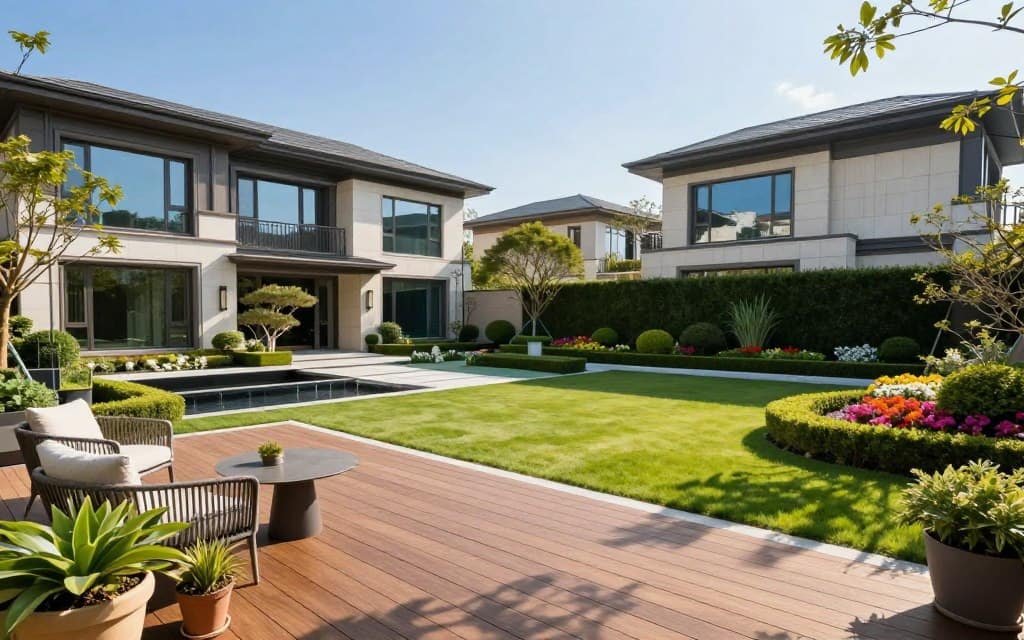
Modern enhancements are reshaping how we perceive outdoor spaces. Incorporating elements like landscape lighting and well-designed pathways can elevate both safety and aesthetics. These features not only enhance the look of your yard but also extend the enjoyment of your garden into the evening hours.
Installing landscape lighting is a transformative feature. It creates a beautiful mood for relaxation while ensuring safe navigation through your property. Well-planned garden pathways add structure and visual interest, making it easier to navigate your outdoor areas.
When designing these pathways, remember to make them wide enough for two people to walk side by side. This promotes comfort and accessibility. Additionally, incorporating water features can introduce soothing sounds, enhancing the overall atmosphere of your backyard.
Modern enhancements like these are essential for taking a landscape from good to great. They provide practical utility while adding aesthetic appeal. For more ideas on improving your outdoor areas, check out this article on holiday-ready front yard landscape tips.
Landscape Budgeting and Practical Planning
Budgeting effectively for your outdoor project can lead to stunning results without breaking the bank. A well-thought-out plan is essential to ensure your vision becomes a reality. You must consider both the costs of materials and the labor involved.
When deciding between a DIY approach and hiring professional services, think about your available time and budget. While hiring a professional designer may involve higher upfront costs, it can save you from expensive mistakes later on. A designer can create a comprehensive plan that aligns with your budget and allows for staged installations.
The DIY route may seem appealing due to lower initial costs, but it carries risks, such as poor design choices and incorrect plant installations. Serious gardeners often find this option rewarding, yet it requires significant time and effort.
Regardless of your choice, having a solid plan is crucial. It helps manage your total project cost effectively and ensures that your outdoor space meets your needs. For more insights on budgeting for your landscaping project, check out this helpful article on budgeting for remodel projects.
Sustainable Elements for Eco-Friendly Outdoor Living
The trend toward sustainability is influencing how we design our outdoor areas. Many homeowners are eager to create spaces that not only look beautiful but also benefit the environment.
Designing with nature in mind involves incorporating native plants that support local wildlife. This includes birds, bees, and other beneficial creatures. By selecting specific plants, shrubs, and trees, you can provide food and shelter for these species.
Implementing water-wise practices is another effective strategy. Drought-tolerant landscaping helps reduce water usage and can significantly lower your monthly bills. Additionally, a well-designed rain garden manages stormwater runoff while creating a stunning feature in your yard.
Choosing sustainable materials and low-impact strategies ensures your garden remains beautiful and environmentally responsible. Careful planning is essential to create a wildlife-friendly space that attracts and nurtures the species you wish to support.
For more innovative ideas on eco-friendly landscaping, check out this resource on landscape design ideas.
Innovative Residential Landscape Design Solutions
As we look toward the future, the approach to outdoor spaces is evolving rapidly. Innovative solutions in landscaping are redefining how we blend nature with modern living. A focus on unique plant selection combined with structural elements can create a lush, exotic atmosphere in any garden.
When choosing plants, it’s essential to consider their texture and form. Large leaves can add a coarse appearance, while fine foliage contributes to a uniform pattern. This balance enhances the overall style and visual flow of your outdoor area.
Modern hardscape trends also play a significant role. Using clean lines and durable materials creates a sophisticated, low-maintenance environment. These elements define spaces and add a polished look to your yard.
By mixing diverse plant species with hardscape features, you can achieve a landscape that is both functional and visually striking. From romantic cottage gardens to structured Zen retreats, the possibilities are endless.
| Design Element | Description | Benefits |
|---|---|---|
| Unique Plant Selection | Incorporating diverse species for visual interest | Enhances aesthetics and supports wildlife |
| Clean Lines | Utilizing modern hardscape techniques | Creates a polished, professional look |
| Texture Consideration | Mixing coarse and fine foliage | Adds depth and visual appeal |
| Functional Features | Combining plant choices with hardscape | Ensures practicality while enhancing beauty |
Incorporating Unique Garden Styles and Planting Ideas
Exploring different garden styles can greatly enhance the appeal of your outdoor spaces. Whether you lean towards a peaceful Zen garden, a charming cottage garden, or a vibrant tropical oasis, each style offers a unique character.
Cottage, Zen, and Tropical Inspirations
Cottage gardens are known for their informal structures and traditional plantings, creating a romantic and layered aesthetic. Zen gardens, on the other hand, focus on simplicity and tranquility, often featuring specific plant forms and clean lines. Tropical gardens bring bold, large-leafed plants together with structural elements, creating a lush atmosphere that invites relaxation.
Color and Texture Strategies
When planning your planting ideas, consider using color strategies to achieve a balanced landscape. Green foliage serves as a backdrop, allowing carefully selected colors to stand out. Texture also plays a vital role; combining different foliage types adds depth and interest, making even small spaces feel dynamic.
By thoughtfully integrating these elements, you can create a stunning outdoor area that reflects your personal style and enhances the beauty of your property.
Conclusion
Designing a beautiful and functional outdoor area is a rewarding journey. It begins with a solid plan and a clear understanding of your goals. By applying fundamental principles, you can create a space that is not only pleasing to the eye but also tailored to your lifestyle.
Whether you opt for professional help or choose to tackle the project yourself, careful planning is key. This approach will help you avoid common pitfalls and save money along the way. Remember, your outdoor environment is dynamic and will evolve as your home does.
We hope the trends and expert tips for 2026 inspire you to transform your property into the outdoor sanctuary you have always envisioned.