

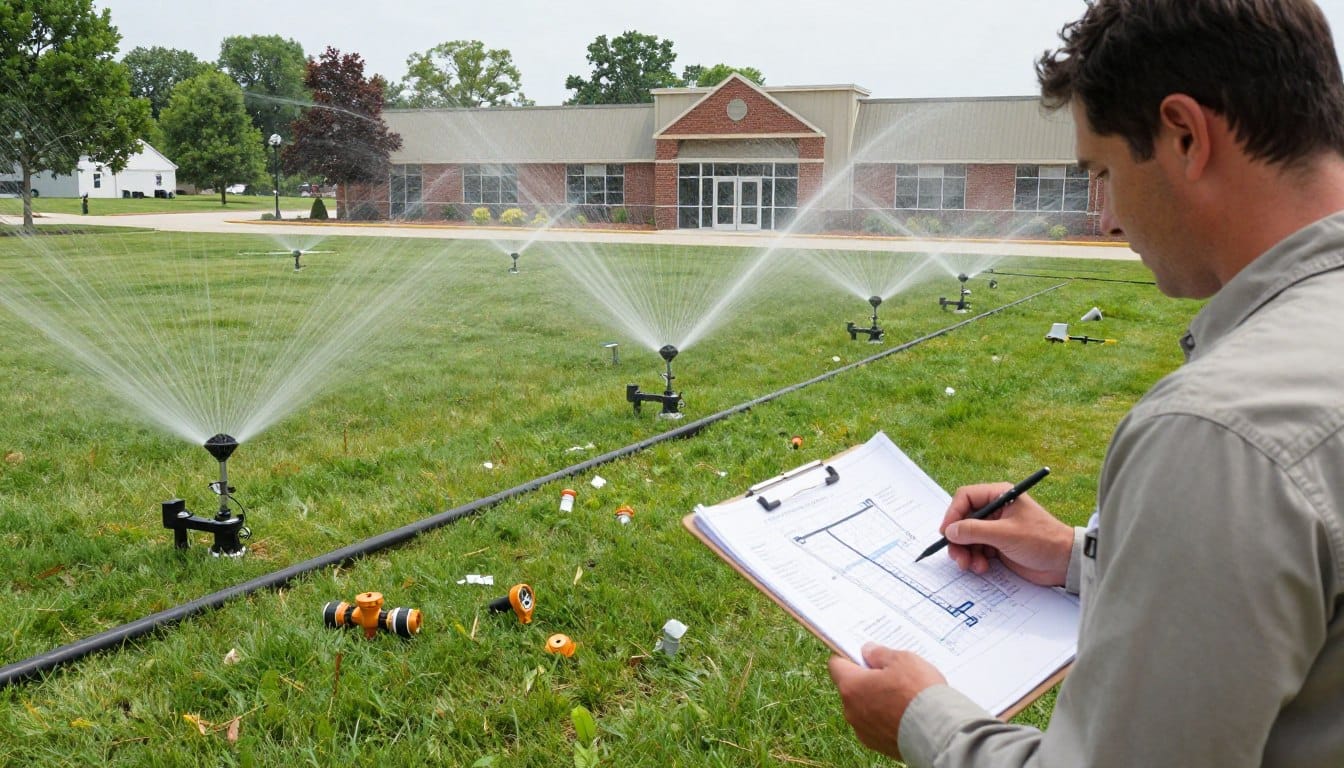



Have you ever wondered why some lawns remain thick, green, and healthy throughout the year while others appear patchy and neglected? Understanding what is lawn service can help reveal the difference. Many homeowners assume that lawn care begins and ends with regular mowing, but professional lawn service involves much more. From fertilization and weed control to aeration, pest management, and seasonal treatments, a comprehensive approach is essential for maintaining a vibrant landscape. By learning what lawn service includes, you can make informed decisions that improve your property’s appearance, health, and long-term value.
Investing in a professional service means prioritizing the long-term health of your property. It involves a strategic approach to water usage, soil management, and the application of essential nutrients. By doing so, you create an environment where your grass can thrive against various environmental challenges.
Moreover, hiring experts saves you time and effort, allowing you to focus on what matters most. With the right knowledge and care, your outdoor space can become a stunning asset to your home.
Key Takeaways
- Professional lawn care focuses on the long-term health of your property.
- True care involves complex biological management, not just mowing.
- Investing in a service provides expertise for seasonal maintenance.
- Proper care includes strategic water and soil management.
- A well-maintained lawn adds value to your property.
Understanding What is Lawn Service
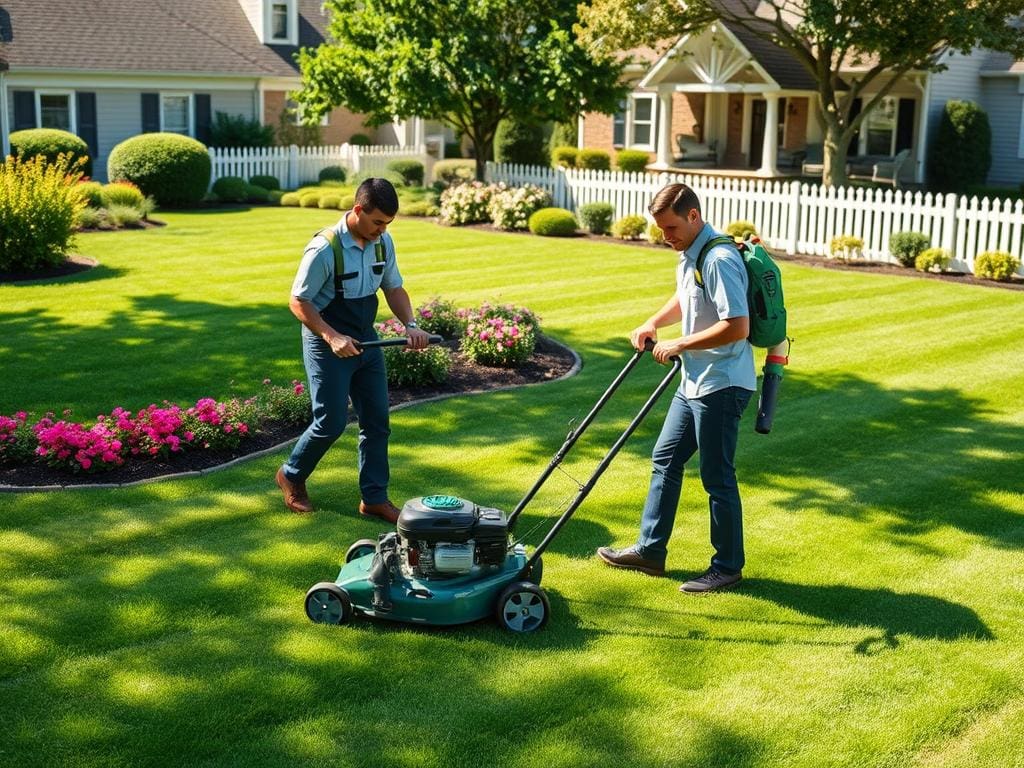
The vibrant appearance of grass can vary greatly from one property to another. This difference often stems from the understanding of care versus maintenance. While maintenance focuses on aesthetics, such as mowing and edging, care emphasizes the health of the grass.
Core services like fertilization, weed control, and aeration play crucial roles in ensuring a healthy lawn. These services are essential for promoting deep root growth and preventing unwanted weeds from competing for vital nutrients.
| Service Type | Description | Benefits |
|---|---|---|
| Fertilization | Application of nutrients to promote growth. | Enhances root health and overall vitality. |
| Weed Control | Methods to eliminate unwanted plants. | Reduces competition for resources. |
| Aeration | Puncturing the soil for better air and water flow. | Improves nutrient absorption and root development. |
Understanding the specific type of grass you have is vital for determining the right fertilization schedule. By distinguishing between maintenance and care, you can allocate your time and resources effectively, ensuring a healthy and vibrant lawn.
Components of a Comprehensive Lawn Service Plan
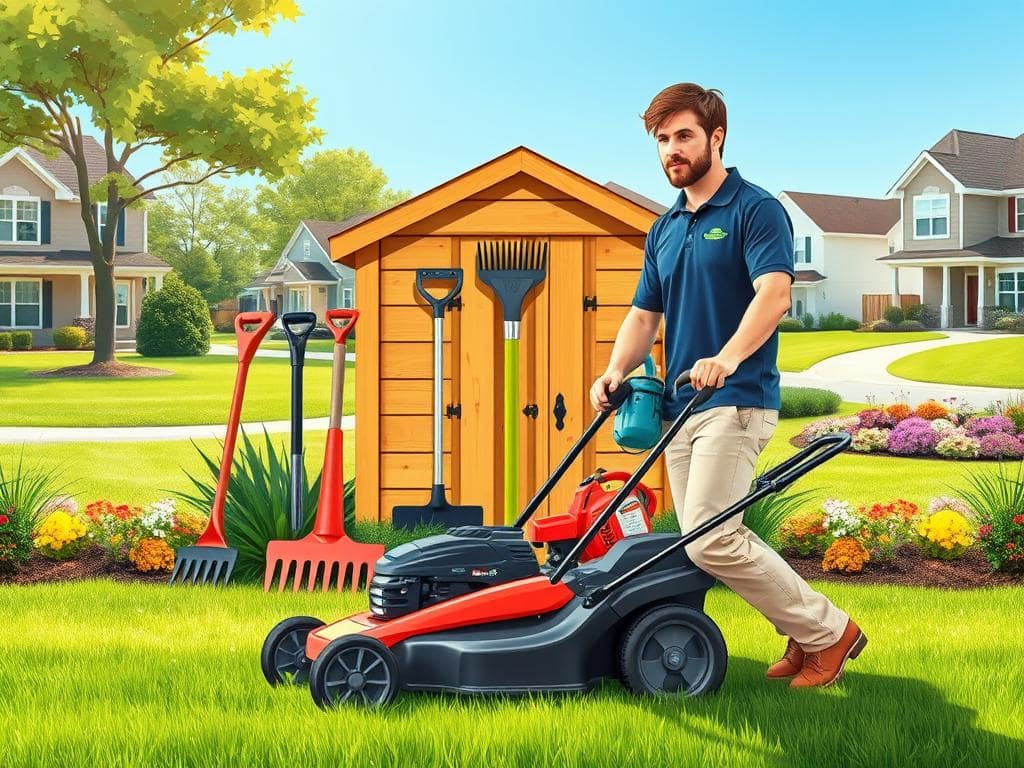
Understanding the essential elements of grass care can lead to a thriving yard. A comprehensive plan typically includes several key procedures to ensure optimal health and growth. These procedures are essential for maintaining a vibrant landscape throughout the year.
Professional services recommend around seven visits annually for consistent monitoring and timely treatment. This frequency helps address emerging issues before they escalate. Additionally, soil testing every three years is crucial for determining nutrient needs and adjusting fertilization accordingly.
| Procedure | Description | Frequency |
|---|---|---|
| Soil Testing | Analyzing soil for nutrient levels and pH. | Every 3 years |
| Fertilization | Applying essential nutrients for growth. | Seasonally |
| Weed Control | Managing invasive species that harm grass. | Year-round |
| Aeration | Puncturing soil to improve water absorption. | As needed |
Effective weed control is integrated into these plans, ensuring the health and uniformity of your grass. By customizing the approach based on real-time observations, professionals can adapt their strategies to meet the unique needs of your yard.
Essential Lawn Care Practices for Homeowners
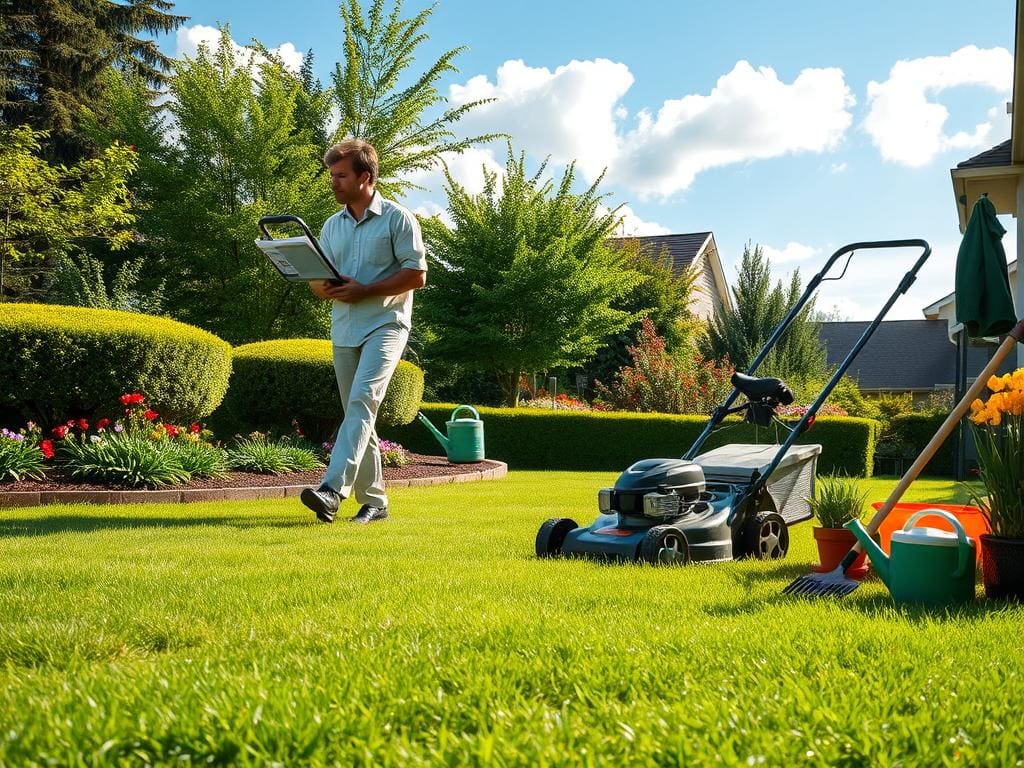
Transforming your outdoor space into a green oasis involves understanding essential care techniques. Homeowners can significantly enhance their yard’s appearance and health by mastering a few key practices.
One crucial aspect is mowing. Following the 1/3 rule ensures that you never cut more than one-third of the grass height in a single mow. This prevents stress on your grass and promotes healthy growth.
Proper watering is equally important. Aim to provide 1 to 1.5 inches of water per week, ideally in the early morning. This timing reduces evaporation and ensures your grass receives adequate moisture.
Soil testing is another fundamental practice. It helps you understand nutrient levels and pH, guiding effective fertilization strategies. Regular testing can make a significant difference in your lawn’s health.
| Practice | Description | Frequency |
|---|---|---|
| Mowing | Follow the 1/3 rule to maintain grass health. | As needed |
| Watering | Provide 1 to 1.5 inches of water weekly. | Weekly |
| Soil Testing | Analyze soil for nutrient levels and pH. | Annually |
| Pest Control | Manage harmful insects while protecting beneficial ones. | As needed |
By incorporating these practices into your routine, you can foster a healthy and vibrant yard. For more detailed steps on DIY lawn care, check out this guide.
Effective Lawn Maintenance Strategies Throughout the Year

Maintaining a lush and healthy yard requires ongoing attention and strategic planning throughout the seasons. Implementing a year-round maintenance routine ensures that your grass receives the necessary care at the appropriate times.
Dethatching, for instance, should be performed once a year, typically in early spring or fall for cool-season grasses. This practice helps to remove excess thatch, promoting better water and nutrient absorption.
Managing pests like grasshoppers and voles is crucial, as these insects can cause significant damage to your property. Regular monitoring allows you to address any infestations quickly.
Effective weed control strategies must be applied consistently to prevent invasive species from taking over your yard during the peak growing season. Additionally, regular fertilization schedules help maintain the health of your grass, providing the nutrients required for sustained growth and disease resistance.
Proper leaf removal in the fall is essential to prevent mold and disease, ensuring your yard remains healthy and ready for the next season. By keeping an eye on your property for signs of disease or pest infestation, you can take proactive steps to protect your landscape investment.
Professional vs. DIY Lawn Care: What Homeowners Should Know
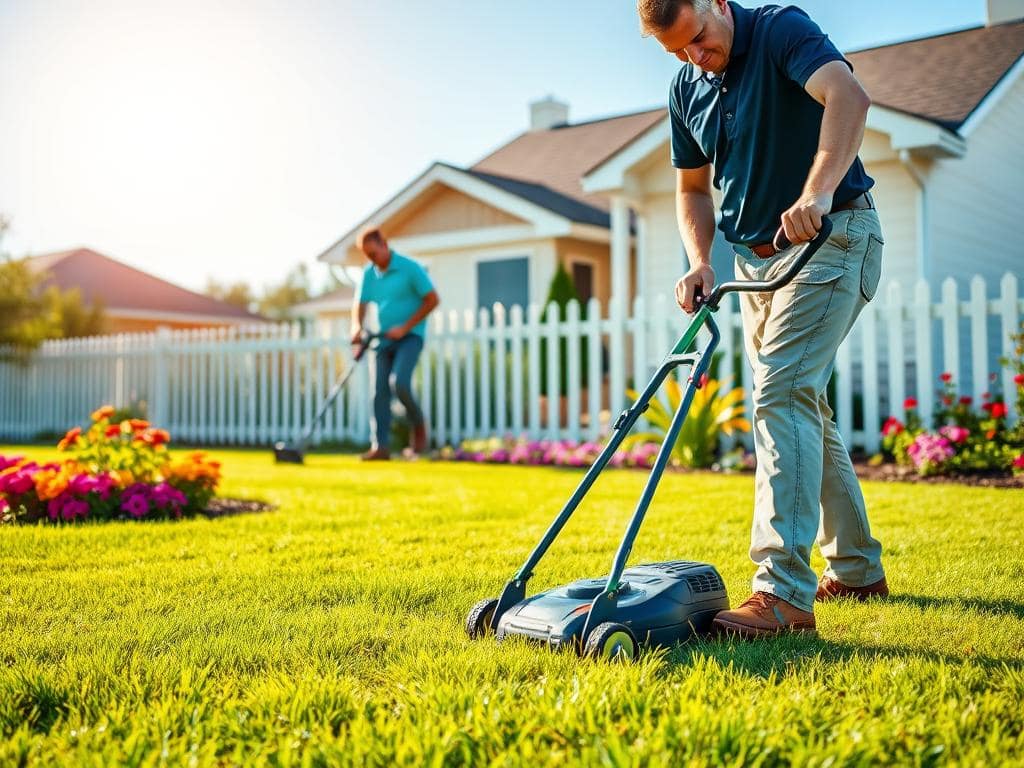
The choice between hiring experts and managing care independently can significantly impact your yard’s health. Understanding the advantages of each approach can help homeowners make informed decisions.
Benefits of Professional Lawn Care Services
Opting for professional care offers numerous benefits. Experts use commercial-grade products that outperform standard options available at stores. Their knowledge allows them to diagnose and treat specific issues effectively, saving you time and effort.
Moreover, regular monitoring by professionals ensures that problems are identified and addressed promptly. This proactive approach is essential for maintaining a healthy yard.
When to Consider DIY Solutions
While DIY methods can be cost-effective for simple tasks like mowing or basic weed control, they may not suffice for complex procedures. Homeowners should only consider DIY options if they have the time and knowledge to execute them properly.
Ultimately, the decision between professional services and DIY care depends on your budget, available time, and the specific needs of your grass.
| Service Type | Typical Cost | Benefits |
|---|---|---|
| Aeration | $75 – $225 | Improves soil health and nutrient absorption. |
| Fertilization | Varies by service | Enhances growth and resilience. |
| Weed Control | Varies by service | Reduces competition for nutrients. |
Modern Tools and Equipment to Enhance Lawn Health
Today’s homeowners have access to advanced tools that can significantly enhance the health of their yards. With the right equipment, you can effectively manage various aspects of lawn care, from mowing to aeration.
Modern aeration tools are designed to alleviate soil compaction efficiently. This allows water and nutrients to reach the roots of your grass today. Investing in high-quality equipment is a great way to get started on improving your lawn health and achieving a lush, green lawn.
Advanced mowing technology allows for precise height adjustments. This precision is crucial for maintaining the health of different grass types in your yard. Professional-grade tools, such as specialized blowers, make the task of removing leaves and debris from your landscape much faster and more effective.
Using the right tools for weed control and pest management ensures that your yard remains protected from damage throughout the changing seasons. By utilizing the latest equipment, you can ensure that your lawn receives the best possible care, leading to a more vibrant and resilient landscape.
Key Nutrients and Soil Health Management
For grass to flourish, it’s essential to grasp the relationship between soil health and nutrient needs. Healthy turf requires three primary nutrients: Nitrogen (N) for growth, Phosphorus (P) for strong roots, and Potassium (K) for stress tolerance. Understanding these nutrients is vital for effective lawn care.
Maintaining a soil pH between 6.0 and 7.0 is critical. This range allows your grass to absorb the nutrients necessary for optimal health. Effective fertilization methods involve applying the right mix of nutrients at the correct times to support the specific needs of your grass type.
Additionally, mulching grass clippings is a simple yet powerful practice. It returns valuable nutrients to the soil, acting as a natural fertilizer for your yard. Regular soil testing is essential for accurately determining nutrient levels, preventing over-application of fertilizers.
Proper watering practices work in tandem with nutrient management. Ensuring the soil remains moist allows roots to absorb essential minerals. By managing soil health through targeted fertilization and pH adjustment, you create a resilient environment that supports thick, green grass growth.
Professional lawn care services often include customized nutrient programs. This ensures your yard receives exactly what it needs to thrive throughout the year.
Conclusion
Achieving a healthy, green yard requires a consistent commitment to professional care and an understanding of your landscape’s unique needs. By integrating proper mowing, fertilization, and weed control throughout the year, you can ensure your property remains a beautiful and resilient outdoor space.
Whether you choose to manage your yard yourself or hire experts, success lies in regular monitoring and timely intervention. Remember, soil health is the foundation of all care. Investing in proper testing and nutrient management will pay off in the long run.
Take the first step today to get started on your journey toward a vibrant landscape. Assess your current routine and identify areas for improvement. With the right knowledge and tools, you can enjoy the pride that comes with having the most attractive yard on the block.