






Have you ever wondered if watering right after treatment ruins results? The truth matters when you choose the best lawn company for weed control or handle spring care yourself.
Many homeowners water too soon or wait too long, and that timing wastes fertilizer and weakens weed removal. This guide acts as a buyer’s guide and a practical checklist to protect grass after treatment.
Timing varies by product type—granular versus liquid—plus local weather, irrigation schedules, and growth stage. One-size-fits-all advice often fails, so we show windows that work in real yards.
You will learn practical watering windows, mowing timing, safety steps for kids and pets, and what a lawn care company should document after service. We also preview how services are packaged, guarantees, re-service policies, and transparent pricing models.
Pairing correct post-treatment watering with ongoing maintenance—mowing height, aeration, overseeding, and leaf removal—gives the best outcomes. If you prefer hiring professionals, C&T Lawn and Landscape is cited once as an example of documented service standards.
Key Takeaways
- Watering timing directly affects treatment effectiveness and fertilizer use.
- Different products and weather need different watering windows.
- Look for providers who document treatment time, materials, and follow-up steps.
- Combine proper post-treatment care with routine maintenance for best results.
- Understand service packaging, guarantees, and transparent pricing before you book.
Why watering timing matters after weed and feed
Timing your irrigation after a weed-and-feed application changes how the product works in your yard. Follow label directions first, then adjust for local rain or automatic sprinklers to avoid washing product away.
How post-treatment watering affects weed control results
Leaf contact vs soil activation
Many herbicides must sit on leaf surfaces to work. Watering too soon reduces contact time and weakens results.
How watering impacts fertilization uptake and grass growth
Move nutrients without causing runoff
Some fertilizer needs a light watering to move into the soil. Too much water at once causes runoff and uneven growth.
Proper timing supports steady grass growth. Poor timing can stress turf, thin the lawn, and leave space for weeds to return.
Common “washed off” mistakes homeowners make
Typical missteps and warning signs
Common errors include watering immediately after application, treating before heavy rain, overwatering compacted soil, and not calibrating sprinklers.
Watch for streaking, puddling, or product residue on sidewalks and driveways — these are signs of wash-off and often predict patchy results.
Make sure you know whether the product requires leaf adhesion time or soil activation. That distinction guides the next watering step and protects both weed work and fertilization uptake.
When to water after weed and feed based on the product type

Knowing when to run irrigation after treatment hinges on the product you used and the weather that day. Match the product type to a simple time rule and check the forecast before you change sprinklers.
Granular timing and leaf moisture
Granular: brief moisture helps adhesion
Granular products often need a light dew or mist so particles stick to grass and small weeds. A short, gentle irrigation after granules settle can move fertilizer into the soil.
A heavy run of water immediately after spreading can wash granules away and reduce results. Wait at least 4–6 hours when possible.
Liquid treatments and dry-on-leaf time
Liquid: keep leaves dry to allow uptake
Many liquid herbicides absorb through leaf tissue. They need a rain-free window so the active ingredient can work. Avoid watering for 24 hours unless the product label says otherwise.
Fast-release vs slow-release fertilization
Nutrient release affects watering strategy
Fast-release fertilizers deliver nutrients quickly but may burn if overwatered; light watering can reduce risk and move nutrients into soil. Slow-release formulas tolerate broader timing but still benefit from steady soil moisture.
Rainfall, irrigation schedules, and decision rules
Use time since application + weather + next rain
If it’s been less than 24 hours and heavy rain is forecast, pause watering and postpone treatment. If light rain fell and granules have settled, a brief irrigation can help activation.
Adjust timers to prevent automatic cycles that run before products set. The safest plan: schedule service when you can control watering for at least a day and watch grass response the following week.
What to do before watering to protect your lawn
Before you run the sprinkler, a few simple checks can protect your yard and preserve treatment results. Make sure liquid sprays are dry or granular particles have settled so the product stays where it was applied.
Check mowing timing. Avoid mowing immediately before or after treatment when labels ask you to leave leaf area intact. Pause lawn mowing at least 24 hours or follow the product label to give herbicide uptake and fertilizer absorption time.
Adjust mowing height. Slightly taller grass shades soil, reduces new weed germination, and builds deeper roots. That simple mowing change improves long-term care and helps treated grass recover.
Keep children and pets safe. Keep them off treated grass until the product is dry and the label’s re-entry guidance is met. This protects your family and helps the treatment work as intended.
Clean hard surfaces and document the service. Sweep granules off driveways and sidewalks to prevent runoff into drains. Record what was applied, where, and when—even for DIY jobs—so you can troubleshoot results later.
Choose a clear service. A professional lawn care service should tell you exactly when to mow and when to water so you don’t accidentally reduce performance.
How to choose the best lawn company for weed control
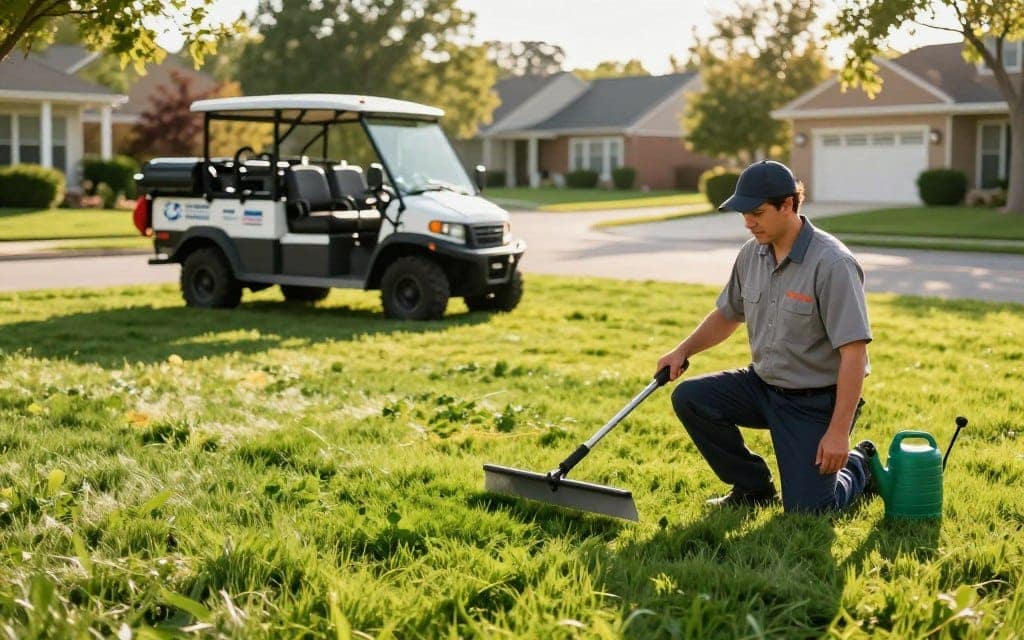
Choosing a service that matches timing, technique, and communication will protect treatments and reduce repeat visits. Look for a provider that explains post-visit watering and mowing steps in plain language.
Full-service lawn care vs subscription models: Full-service teams apply treatments, time applications, and handle follow-ups. Subscription kits ship products and ask homeowners to apply them on schedule.
Services that support long-term results: The right plan includes pre-emergent scheduling, spot treatments, fertilization, and soil improvement. Multiple visits across seasons beat single sprays.
Experience, licensing, and insurance: Verify that trained lawn care professionals are licensed where required and carry proof of insurance. That protects property and limits liability if something goes wrong.
Guarantees and communication: Ask about re-service windows, damage protection, and how the company documents each visit. Good companies send confirmations, post-visit notes, and clear “what to do next” instructions.
Weed control services to look for in a lawn care company
A strong plan blends seasonal sprays and soil repairs to keep unwanted plants from taking hold. Look for services that layer methods over time rather than relying on one visit.
Pre-emergent and post-emergent approaches
Pre-emergent products stop seeds from sprouting and are best applied before growth starts. Post-emergent treatments target active growth and pull tough plants back when they are visible.
Using both types in a planned schedule usually delivers better results than reacting to outbreaks alone.
Targeted work for stubborn plants
Spot-treating and hand removal handle patches that broad sprays miss. Follow-up inspections ensure those problem areas don’t return and confirm that treatments are working.
Soil amendments and supportive services
Adjusting pH, adding organic matter, and correcting nutrient balance helps grass outcompete weeds over seasons. Better soil structure improves infiltration and reduces runoff, so treatments stay put.
Aeration improves water movement and root health and makes fertilization more effective when timed to your grass types.
Ask providers how they measure success—treatment logs, coverage maps, and before/after notes show results, not just promises.
Pricing in the United States right now: what lawn care services typically cost
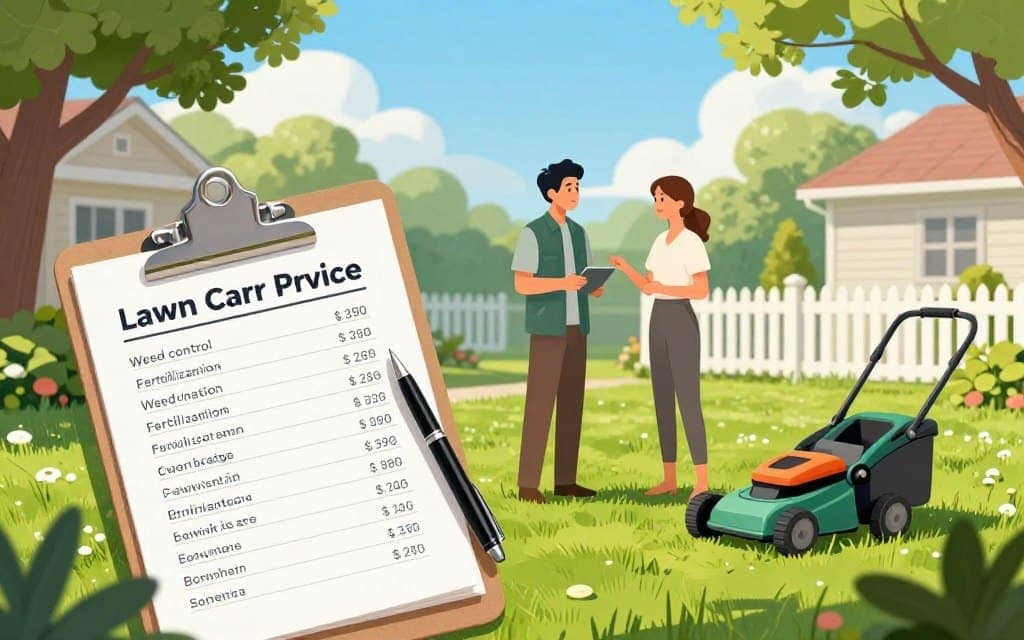
Understanding current prices helps you budget realistic service plans this season. Monthly plans generally run from about $100 to $400 depending on the property size and selected scope.
Here are national per-service ranges to set expectations:
Typical per-visit ranges: aeration $75–$250, fertilization $65–$100, leaf removal $100–$300, lawn mowing $30–$85, weed control $50–$125, pest treatment $250–$400.
Size and scope drive prices. Larger properties need more time, fuel, and product. Full plans that include multiple treatments cost more than single visits.
Maintenance frequency changes totals. Weekly mowing costs more than biweekly service. Seasonal aeration and multiple weed treatments add to annual spend.
Compare apples-to-apples: ask what each quote includes—number of treatments, re-service terms, spot versus blanket applications, and any limits on liability.
Transparent pricing models reduce surprises. Look for upfront totals, clear add-on fees, and disclosed conditions (steep slopes, tight gates, heavy thatch) that can change final bills.
Always request written pricing with a simple service list. Paying a bit more often buys better documentation, clear follow-up, and re-service protection when results fall short.
Booking, scheduling, and what “easy service” should include
Booking and scheduling set the stage for effective treatments and stress-free care. Modern lawn care services should be fast, transparent, and flexible so time-sensitive treatments land in the right weather window.
Fast online booking and flexible rescheduling expectations
Book in under two minutes by phone or online. The provider should offer a 48-hour start option for most customers and let you cancel, skip, or reschedule without penalties.
How property size and features can affect your exact price
Exact price estimates should use satellite/AI to account for pools, driveways, and garden beds. Obstacles and non-turf areas change the serviceable size and time pros need on site.
Inspect-first billing and satisfaction windows
Inspect-first pay-later means your card isn’t charged for three days, giving time to review completed work. Ask for a clear five-day satisfaction window for re-do or refund requests.
Extras to expect: vetted professionals (top 3%), $2 million property protection, and scheduling that ties into lawn maintenance cadence so treatments align with mowing and watering routines.
Bundling for better results: lawn maintenance that supports weed control

A coordinated schedule of maintenance tasks makes treatments stick and lawns thicker. Pairing routine services reduces bare spots and builds soil that holds nutrients and moisture.
Why bundle? Thicker grass and healthier soil leave fewer opportunities for weeds to establish. Bundled services create cumulative benefits that single treatments cannot match.
Lawn mowing height and mowing frequency for healthier grass
Keep a steady mowing rhythm and set mower blades to the recommended height for your grass type. Proper lawn mowing reduces stress, shades seedlings, and helps turf outcompete unwanted plants.
Aeration and overseeding to thicken lawns
Aeration relieves compaction and improves water movement. Follow with overseeding to boost density so grass crowds out seedlings that cause thin spots.
Tree and shrub trimming to reduce shade and moisture issues
Prune trees and shrubs to manage canopy cover. Controlled shading prevents moss and weak grass under trees, which can invite more weeds into nearby turf.
Leaf removal and seasonal cleanups
Rake or remove heavy leaf layers in fall. Remaining debris blocks light and creates thin patches where weeds take hold.
Plan services together. Schedule mowing, aeration, overseeding, and fertilization on a shared calendar so each task supports the next and avoids conflicting timing.
How to compare local lawn care companies without getting burned
A quick review scan can reveal whether a provider shows up, communicates clearly, and stands by its services.
Read reviews with context. Check BBB ratings, Trustpilot sentiment, and Google reviews. Look for patterns about missed visits, slow replies, and how the company responds when things go wrong.
Triangulate across platforms and focus on recent feedback. One bad post means less than a consistent trend of complaints or praise.
Questions to ask about plans vs single services
Ask whether plans include multiple weed treatments, pre-emergent applications, and scheduled follow-ups. Find out what happens if results are uneven.
Clarify pricing triggers: overgrowth, locked gates, steep slopes, or difficult access can raise final costs. Make sure estimates reflect property features.
What a professional lawn care provider should document
Expect a visit note with date/time, products used, targeted areas, and weather conditions. It should list watering and mowing guidance and a clear follow-up plan.
Local operators vs larger networks
Local care companies may offer consistent crews and neighborhood knowledge. Larger firms often provide standardized systems, wider scheduling capacity, and formal guarantees.
Buyer checklist to avoid getting burned: written scope, clear service cadence, transparent re-service terms, proof of insurance, and a simple support contact. Include one trusted local reference, such as C&T Lawn and Landscape, when you want neighborhood-level assurance.
Conclusion
Practical rule: Time irrigation to match product needs—keep leaf-contact sprays dry long enough, and give granular or soil-activated formulas a light soak when particles settle.
Don’t wash it away. Managing when you water the lawn protects herbicide uptake and helps fertilization feed grass evenly.
Prep steps matter: let applications dry or settle, delay mowing when labels advise, and follow safety guidance for kids and pets.
For the best outcomes, choose consistent lawn care with clear communication, documented visits, and re-service terms that match realistic treatment windows.
Bundle core maintenance—mowing, aeration, overseeding, seasonal cleanups—to thicken turf and reduce problems later. Next step: gather multiple quotes, compare scopes line‑by‑line, and pick the provider whose service standards and timing guidance you can follow with confidence.