

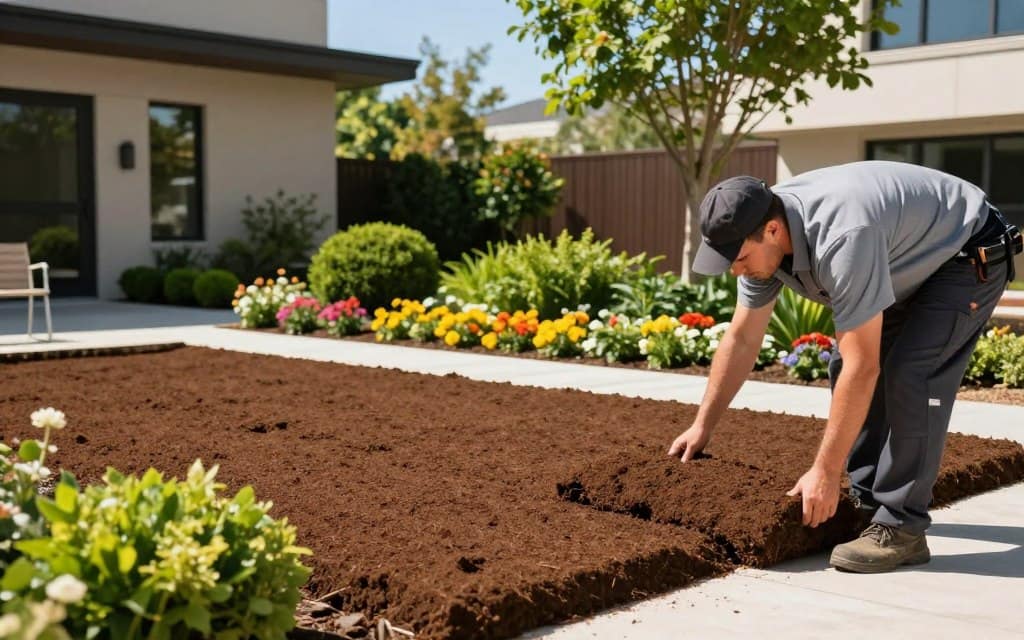
What if the secret to a thicker, more vibrant lawn isn’t a special fertilizer or a complex watering schedule, but simply giving the ground a chance to breathe through regular turf aeration?
Many homeowners focus on regular mowing and watering. Yet, they often overlook a critical annual task. This process is vital for supporting the ongoing health of any green space.
Grass roots need air, water, and nutrients to grow deep and strong. When soil becomes compacted, it blocks the flow of these essentials. This compaction happens easily from foot traffic, play, and even routine yard care.
This guide explores the multifaceted role of core aeration. It explains why this practice matters and how it transforms soil conditions. A lawn that receives proper care enjoys improved access to everything it needs to thrive.
The health of any lawn depends on the condition of the soil beneath it. Understanding the way aeration alleviates compaction provides the foundation for effective lawn care strategies that produce lasting results.
Key Takeaways
- Lawn aeration is a crucial, yet often missed, step for a dense and resilient yard.
- Soil compaction blocks essential air, water, and nutrients from reaching grass roots.
- This process significantly improves the overall health and vitality of your grass.
- Proper aeration supports thicker growth and helps your lawn withstand stress.
- Timing and technique are key to maximizing the benefits of this maintenance task.
- The condition of the soil is the fundamental factor in lawn health.
Understanding Turf Aeration
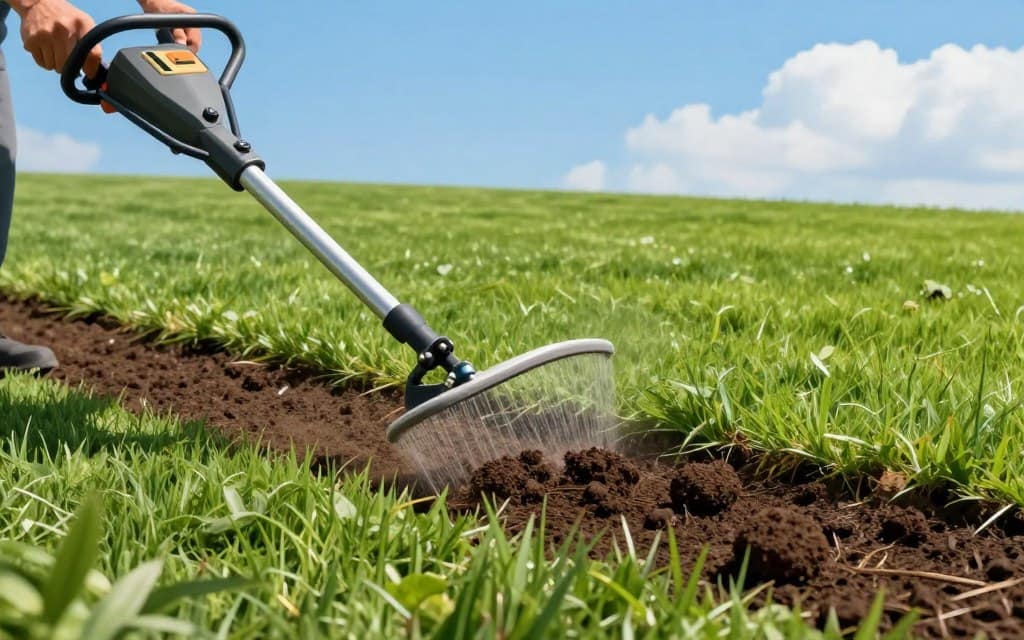
The health of any green space depends on what occurs below the surface, where roots interact with the earth. This underground activity determines how well grass can access essential resources.
What is Turf Aeration?
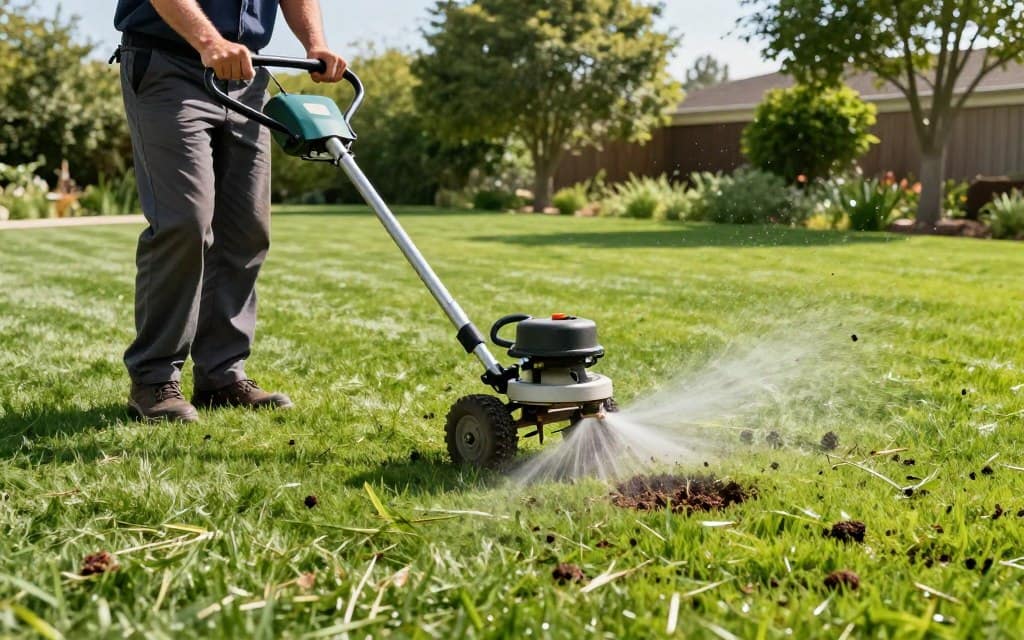
Lawn aeration involves creating small openings in the ground. These holes allow vital elements to reach deep into the root zone.
The process addresses soil compaction by physically breaking through dense layers. It establishes direct pathways for essential resources to move downward.
How Aeration Enhances Lawn Health
This technique significantly improves soil conditions. Grass roots gain better access to oxygen, moisture, and nutritional elements.
Aeration helps reverse compaction effects immediately. The soil’s physical properties change to support stronger root development.
Benefits extend to improved fertilizer effectiveness and better drought resistance. The practice creates optimal conditions for vigorous growth and vibrant color.
Signs Your Lawn Needs Aeration
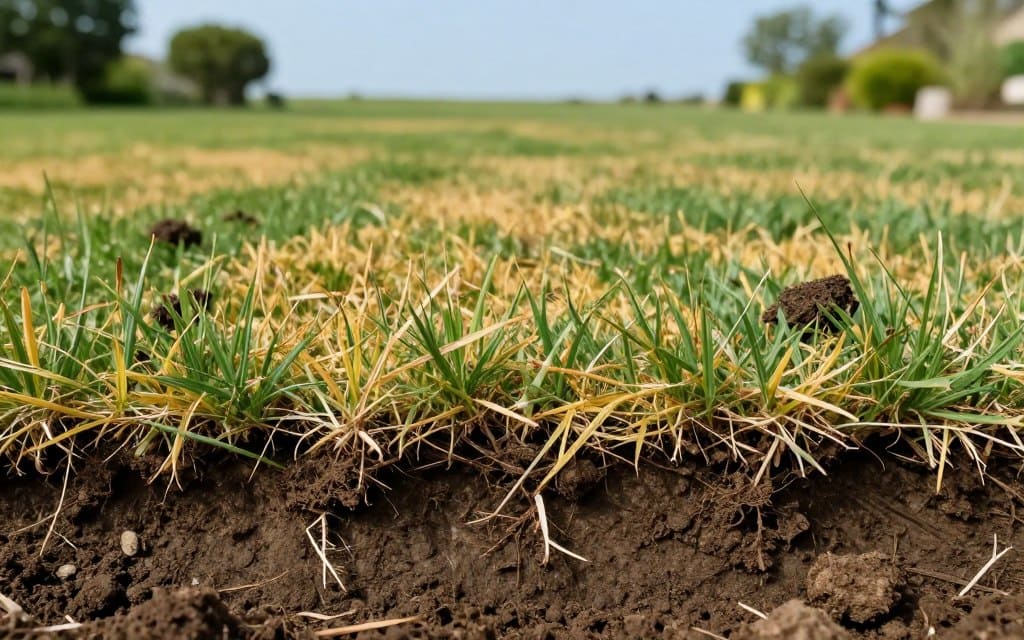
A struggling lawn often sends clear distress signals that point directly to soil health problems. Recognizing these indicators early allows homeowners to take corrective action before damage becomes severe.
Indicators of Soil Compaction and Thatch Build-Up
Heavy foot traffic creates compacted soil conditions. This pressure squeezes air pockets from the earth, making it dense and hard.
Grass in these areas may thin out or develop bare patches. Water might pool on the surface instead of soaking in naturally.
A simple screwdriver test confirms compaction issues. If the tool meets resistance when pushed into the ground, the soil needs attention.
Thatch accumulation presents another common problem. This organic layer forms between grass blades and soil surface.
When thatch exceeds half an inch thick, it blocks water and nutrients. The lawn feels spongy underfoot and dries out quickly after watering.
New construction yards and sod installations often develop soil layering. Different textures create barriers that disrupt proper drainage.
Visual symptoms include pale coloring despite fertilization and poor recovery from foot traffic. These signs indicate underlying issues that aeration addresses effectively.
How to Aerate Your Lawn Effectively
Proper lawn aeration requires more than just puncturing the ground. It demands strategic equipment selection and execution. The right approach ensures your grass receives maximum benefits from the process.
Step-by-Step Aeration Process
Begin by checking soil moisture before aerating. The ground should be moist but not soggy. Ideal conditions occur the day after rainfall or watering.
Dry soil resists penetration while wet soil creates messy plugs. Work systematically across the lawn in a mowing pattern. Make multiple passes over compacted areas for adequate coverage.
Most machines create holes spaced 2-3 inches apart. Concentrate on high-traffic zones where soil compression is worst.
Choosing the Right Tools: Spike vs. Core Aerators
Core aerators are the professional’s choice for this essential lawn care task. They remove cylindrical plugs of soil approximately 2-3 inches deep. These soil plugs decompose naturally, returning organic matter.
Spike aerators simply poke holes without removing material. This can worsen compaction around each hole. Slicing aerators cut through turf but don’t extract soil cores.
Equipment rental centers offer various aerators for homeowners. Staff can guide proper operation techniques for best results.
Expert Tips for Turf Aeration Success
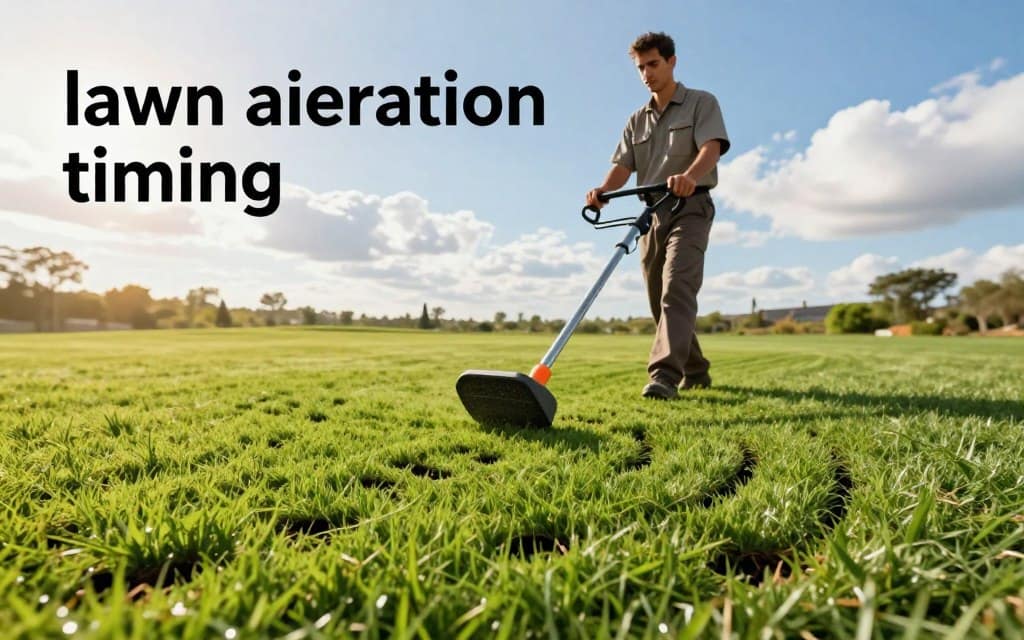
Mastering the timing and execution of lawn aeration separates average results from exceptional lawn health. The right approach ensures grass recovers quickly and thrives.
Optimal Timing for Aeration: Spring and Fall Considerations
Choosing the right season is crucial for this lawn care task. Grass must be actively growing to heal properly.
For cool-season grasses, early fall is the prime time. The weather is ideal for rapid growth. This period helps lawns recover from summer stress.
Spring offers a secondary window for these lawns. Be aware it can sometimes encourage weed growth. Warm-season grasses need a different schedule.
Late spring or early summer works best for southern lawns. This timing matches their peak growing season. Never aerate when grass is dormant.
DIY Practices Compared to Professional Services
Homeowners can choose to aerate their lawns themselves. Renting equipment is a common DIY approach. Success depends on proper technique and timing.
Consider the size of your property and your comfort with machinery. Professionals bring expertise and efficient equipment. They can assess specific lawn needs accurately.
Both methods yield excellent results when done correctly. The investment in this care practice pays off with a denser, healthier lawn.
Post-Aeration Lawn Care and Maintenance
Post-aeration care represents a critical window of opportunity to transform your lawn’s foundation and future growth. The openings created during this process allow for enhanced access to essential resources.
Overseeding, Fertilizing, and Repairing Your Lawn
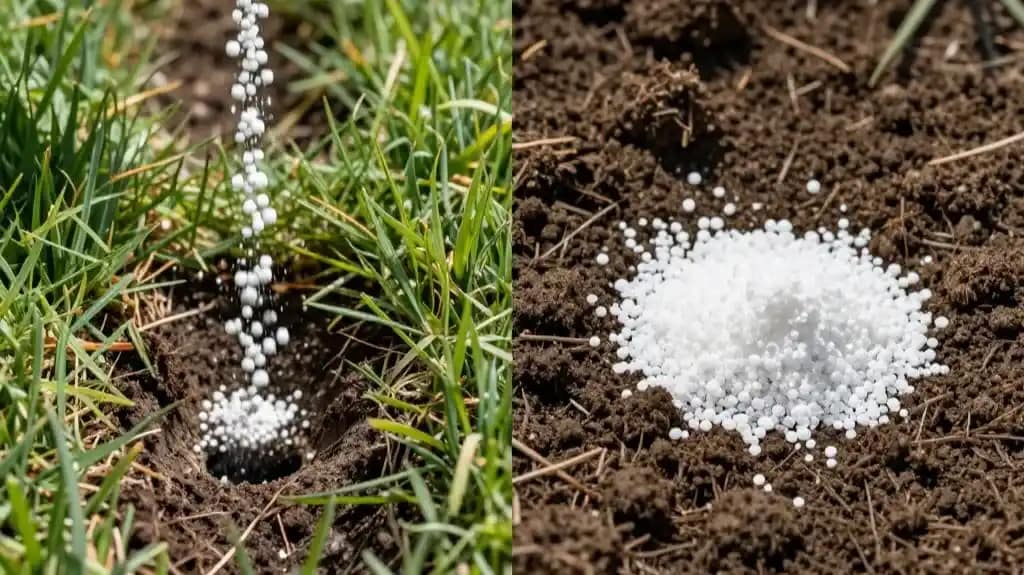
Right after aeration is the perfect time for overseeding and fertilizing. Grass seeds fall directly into the holes, ensuring excellent soil contact.
This placement protects seeds from birds and improves germination rates. Fertilizer applications become more effective as nutrients penetrate deeper into the root zone.
Managing Soil Moisture and Nutrient Penetration
Proper water management supports recovery after aeration. Light, consistent irrigation keeps the upper soil profile moist without waterlogging.
This moisture level helps existing grass recover and supports new seed growth. The enhanced nutrient penetration means fertilizers work more efficiently.
Leave soil plugs on the surface to break down naturally. They return valuable organic matter that improves soil texture over time.
Continue regular lawn care practices like mowing and watering. These maintenance routines build on the foundation that aeration establishes for long-term health.
Conclusion
Homeowners seeking exceptional grass quality discover that strategic interventions below ground yield visible results above. Lawn aeration stands as a cornerstone practice for achieving lasting lawn health.
The benefits of regular aeration extend throughout the entire growing system. This process creates pathways for air, water, and nutrients to reach grass roots effectively. Improved soil conditions support stronger root growth and overall vitality.
Integrating this practice into annual lawn care routines produces cumulative advantages. Each session builds upon previous improvements, creating progressively healthier conditions. The investment in proper aeration pays dividends through reduced maintenance and enhanced beauty.
Ready to transform your lawn? Schedule your professional turf aeration service today and give your grass the foundation it needs to thrive year-round.