

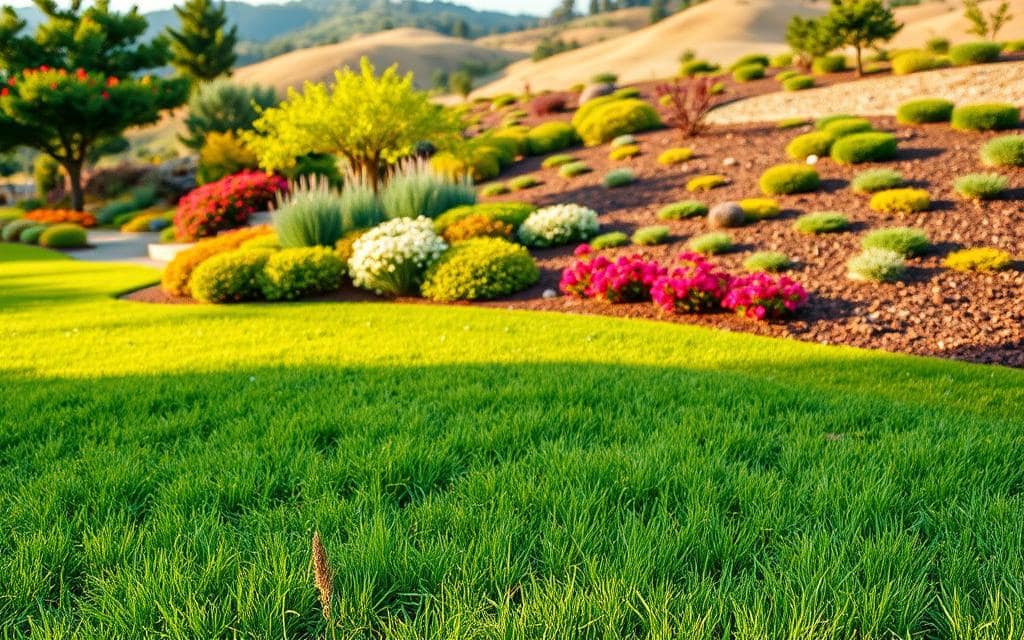

A commercial landscape is more than just an aesthetic addition to a property. It’s a reflection of your business, a functional extension of your workspace, and an investment that can significantly boost curb appeal, employee satisfaction, and client impressions. For businesses with an established budget, planning a commercial landscape thoughtfully ensures every dollar contributes to a long-lasting, professional result.
Successfully executing a commercial landscape project requires careful planning from concept to build. This guide provides a step-by-step roadmap to help business owners, facility managers, and property developers navigate the process, avoid costly mistakes, and achieve a landscape that balances beauty, functionality, and sustainability.
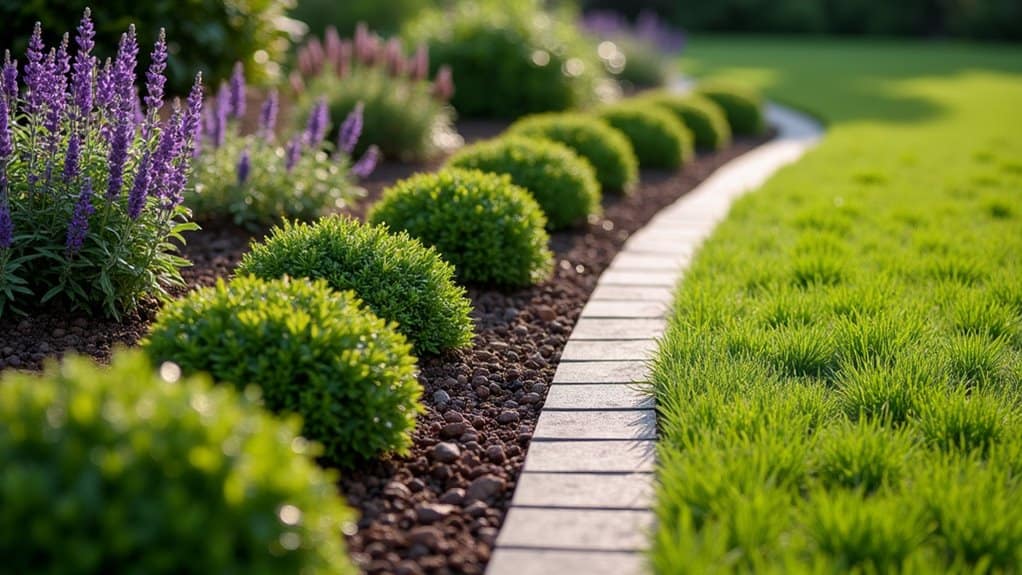
Introduction: Why Professional Planning Matters
Commercial landscaping services are not just about planting trees and laying sod. A well-designed commercial landscape serves multiple purposes:
-
- Enhances brand image: Your outdoor spaces communicate professionalism, attention to detail, and quality.
-
- Improves functionality: Thoughtfully planned pathways, seating areas, and signage enhance traffic flow and usability.
-
- Supports sustainability: Incorporating efficient irrigation, native plants, and proper soil management reduces long-term maintenance and resource costs.
-
- Boosts property value: High-quality landscapes increase curb appeal, attract tenants, and can improve ROI on commercial properties.
In this guide, you will learn how to define project goals, plan layouts, select materials, and oversee construction while ensuring your commercial landscape thrives for years to come.
1. Define Goals and Objectives
Every successful commercial landscape starts with clear goals. This step ensures that design choices align with your business objectives and long-term vision.
Understand the Purpose of Your Landscape
Consider whether your landscape is primarily:
-
- Aesthetic: Focused on enhancing the appearance of your property and creating visual appeal.
- Functional: Designed to facilitate traffic flow, employee access, and client interaction.
- Sustainable: Built with environmentally responsible materials, drought-tolerant plants, and energy-efficient lighting.
Align with Your Brand and Identity
Your landscape should reflect your company’s identity. Corporate campuses, hospitality properties, and retail centers each have unique needs. A modern, minimalist design may suit an office park, while vibrant, colorful plantings could enhance a hotel or retail location.
Identify Key Features
Establishing priorities helps guide design decisions:
-
- Outdoor seating and gathering areas
- Signage visibility for visitors and passersby
- Walkways, ramps, and accessibility features
- Irrigation, drainage, and soil enhancement
2. Establish a Budget and Timeline
A solid budget and timeline are crucial for a smooth commercial landscape project.
Set Realistic Budgets
Even for clients with an established budget, consider breaking down costs for:
- Design and planning fees
- Materials and plants
- Labor and construction
- Irrigation and drainage systems
- Long-term maintenance
Including contingency funds (10–15% of the total budget) helps cover unexpected challenges.
Create a Phased Timeline
Phasing your project ensures proper sequencing:
-
- Conceptual design and approvals
- Site preparation and grading
- Hardscape installation
- Planting and irrigation setup
- Final inspection and adjustments
Allow flexibility for permitting, weather delays, and seasonal planting schedules.
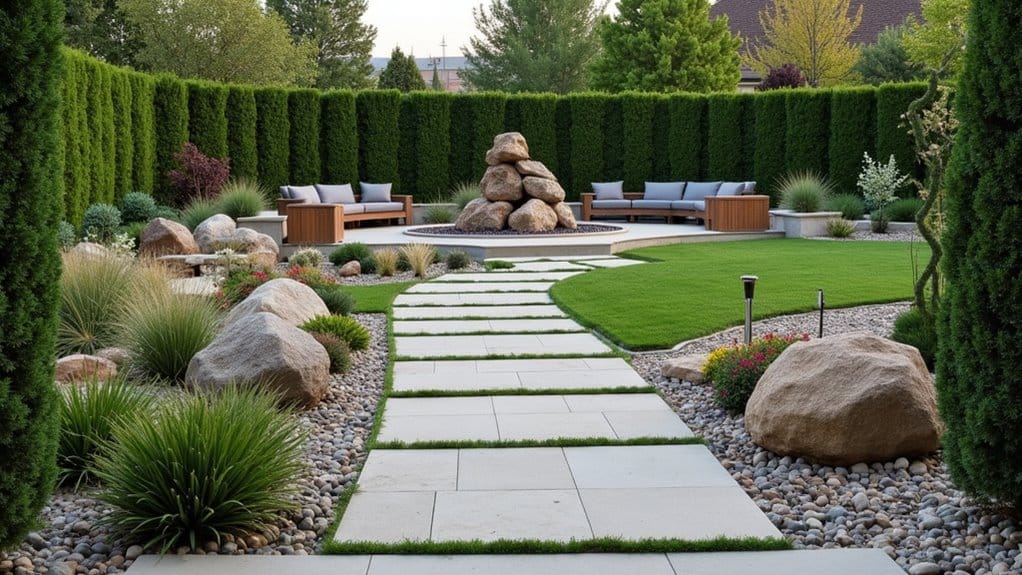
3. Conduct a Site Analysis
Before designing, assess the site thoroughly.
Assess Site Conditions
-
- Soil quality: Test for pH, nutrient levels, and compaction.
- Drainage: Identify low spots, runoff patterns, and erosion risks.
- Sunlight and shade: Map areas for sun exposure to select appropriate plants.
- Wind and slope: Consider microclimates and erosion control.
Evaluate Existing Features
Take inventory of existing trees, utilities, retaining walls, and structures. Identify which elements can be incorporated and which may need removal.
Identify Potential Challenges
-
- Poor drainage or erosion zones
- Utility lines and infrastructure restrictions
- Accessibility requirements for ADA compliance
4. Conceptual Design and Master Planning
Once the site is assessed, begin creating the conceptual layout.
Sketch Initial Layouts
-
- Hand-drawn sketches or CAD software can illustrate potential layouts.
- Include pathways, gathering spaces, parking areas, and focal points.
Select Landscape Themes
-
- Modern or minimalist: clean lines, hardscapes, and limited plant varieties
- Sustainable or native: drought-tolerant species, rain gardens, and low-maintenance plants
- Traditional: lush lawns, ornamental trees, and decorative beds
Plan Functional Zones
Dividing your site into zones helps ensure usability:
-
- Main entrance and reception area
- Parking lots and access routes
- Employee relaxation areas
- Service or maintenance access zones
Consider Environmental Factors
Plan for sustainability by:
- Incorporating native plants that require less water
- Using permeable hardscape materials
- Designing for efficient irrigation
5. Plant and Material Selection
Selecting the right plants and materials ensures longevity and reduces maintenance costs.
Plant Selection
- Choose species adapted to local climate and soil conditions
- Consider growth rates, mature size, and maintenance requirements
- Use a mix of trees, shrubs, and groundcover for visual interest
Hardscape Materials
- Pavers, concrete, or asphalt for pathways
- Benches, lighting, and retaining walls
- Decorative elements like planters, fountains, or sculptures
Balancing Aesthetics and Durability
- Select materials that withstand weather, foot traffic, and maintenance
- Ensure color, texture, and scale complement the property’s architecture
6. Irrigation and Drainage Planning
Proper irrigation and drainage are essential for plant health and site longevity.
Irrigation Design
- Automated irrigation systems tailored to lawn, beds, and trees
- Smart controllers and drip irrigation to reduce water use
- Seasonal adjustments based on rainfall and temperature
Drainage Solutions
- French drains or swales to prevent flooding
- Grading to redirect water from structures
- Retention basins or rain gardens to manage runoff
Regulatory Considerations
- Compliance with local water restrictions and building codes
- Permits for water use or discharge in some areas
7. Final Design and Approval
Finalize your plans before breaking ground.
Create Detailed Plans
- Include site maps, planting schedules, and irrigation diagrams
- Use 3D renderings to visualize the finished landscape
Obtain Stakeholder Approvals
- Present plans to business owners, investors, or facility managers
- Incorporate feedback before construction begins
Ensure Compliance
- Local codes, ADA accessibility, and safety standards must be met
- Adjust plans as needed for setbacks, easements, and fire safety
8. Construction and Installation
Construction transforms your concept into reality.
Site Preparation
- Grading, excavation, and soil improvement
- Installation of root barriers or soil amendments
Hardscape Installation
- Pathways, retaining walls, lighting, and other structural elements
- Focus on durability and proper drainage
Planting
- Trees, shrubs, and lawns installed according to the design plan
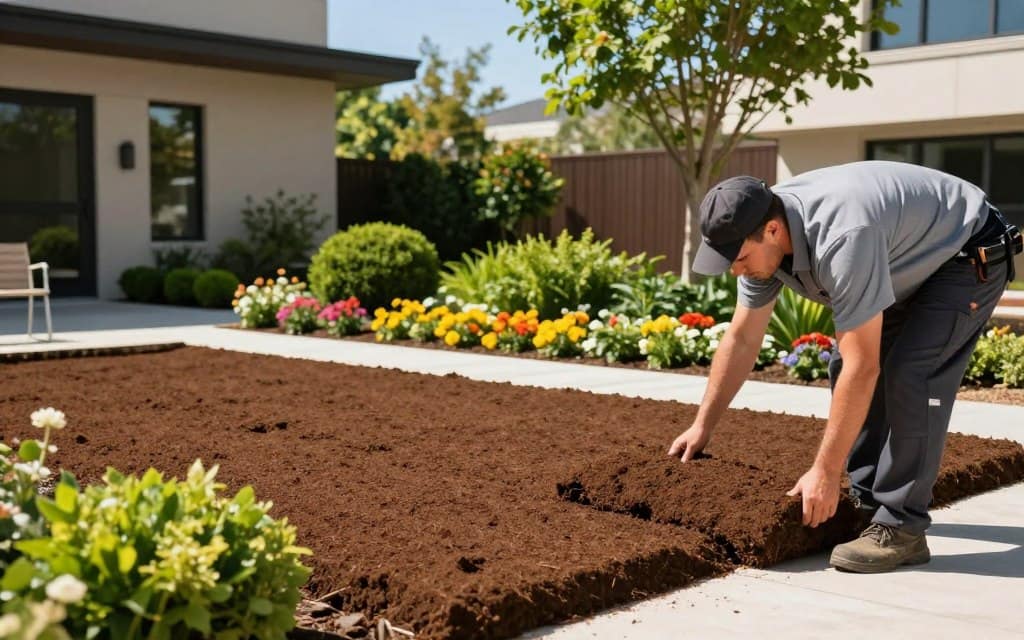
- Mulching, staking, and initial watering to ensure establishment
Irrigation and Drainage
- Connect and test irrigation systems
- Verify drainage paths are functioning before planting
9. Maintenance Planning
A landscape’s success is measured over time.
Long-Term Maintenance
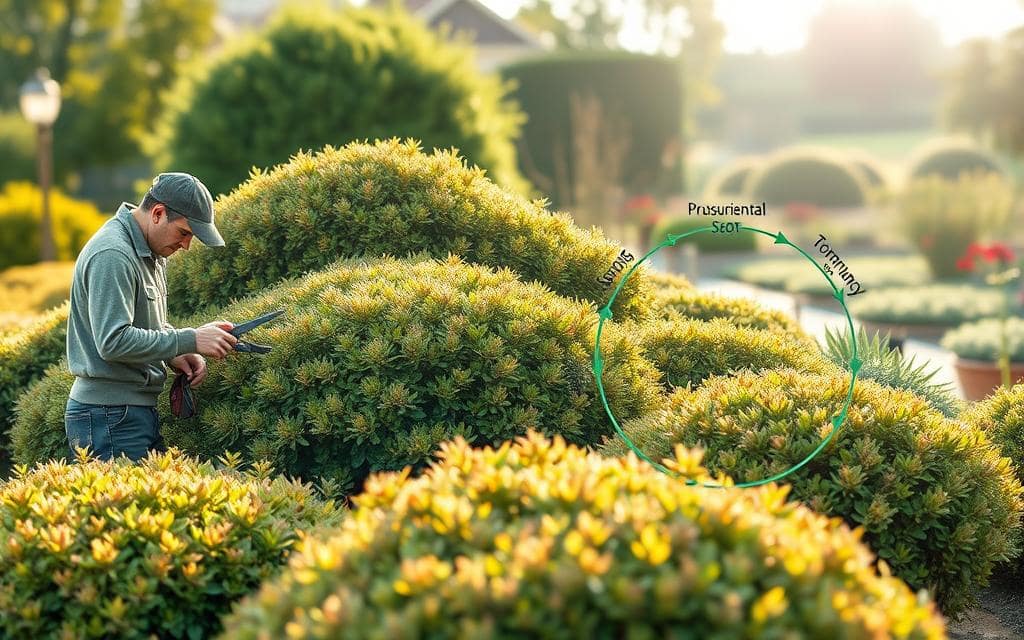
- Mowing, pruning, seasonal fertilization, and weed control
- Pest management and disease monitoring
Turf Fertilizer and Weed Control Program
- Apply professional turf fertilizer tailored to grass type
- Develop a targeted weed control program to protect investment
Seasonal Adjustments
- Replace plants as needed
- Adjust irrigation based on weather and growth patterns
- Review hardscape for damage or wear
10. Monitoring and Evaluation
Regular evaluation ensures your commercial landscape remains attractive and functional.
Inspect Landscape Health
- Look for signs of stress: discoloration, thinning, or pest damage
- Monitor turf density and plant growth
Make Adjustments
- Correct irrigation or drainage issues
- Replant or fertilize areas that show stress
- Modify maintenance schedules as needed
Track ROI
- Evaluate how the landscape supports business objectives
- Document improvements in curb appeal, tenant satisfaction, or customer perception
Conclusion
Planning a commercial landscape from concept to build requires detailed attention, strategic decision-making, and proactive management. By following these steps, businesses with an established budget can achieve a landscape that:
- Enhances brand and property value
- Improves functionality and usability
- Reduces long-term maintenance costs
- Creates a welcoming and professional environment
Investing in professional commercial landscape planning, quality materials, and proper maintenance ensures your commercial landscape thrives for years to come. Consult a reputable landscaping company today to bring your vision to life and secure a landscape that makes a lasting impression.