

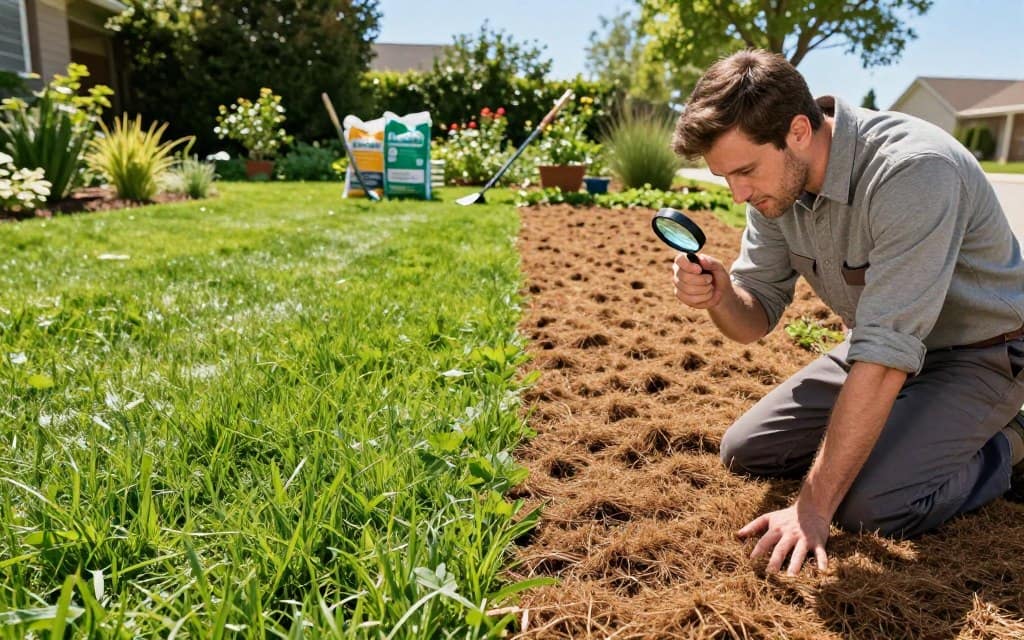
Using the right mulch is crucial for healthy perennial gardens. It helps retain moisture, regulate soil temperature, and suppress weeds. Getting it wrong, however, can lead to plant damage or death.
Well-intentioned homeowners often make three devastating errors. These mistakes compromise root development and overall garden vitality. Understanding them is the key to thriving plants.
This guide reveals professional insights into common application errors. Even experienced gardeners make them without realizing the long-term consequences. You will learn expert solutions to protect your perennial investments.
Correcting these mistakes can immediately improve soil conditions and plant survival rates. You will gain actionable knowledge to transform your practices from harmful to beneficial.
Key Takeaways
- Proper mulch application is vital for perennial health and survival.
- Common, well-meaning mistakes can severely damage plants and roots.
- Identifying these errors is the difference between thriving and struggling gardens.
- This article will uncover mistakes even seasoned gardeners often miss.
- Expert solutions provided can lead to immediate improvements in soil and moisture.
- You will learn actionable techniques to protect your garden investment.
Understanding Mulch: Benefits & Common Pitfalls
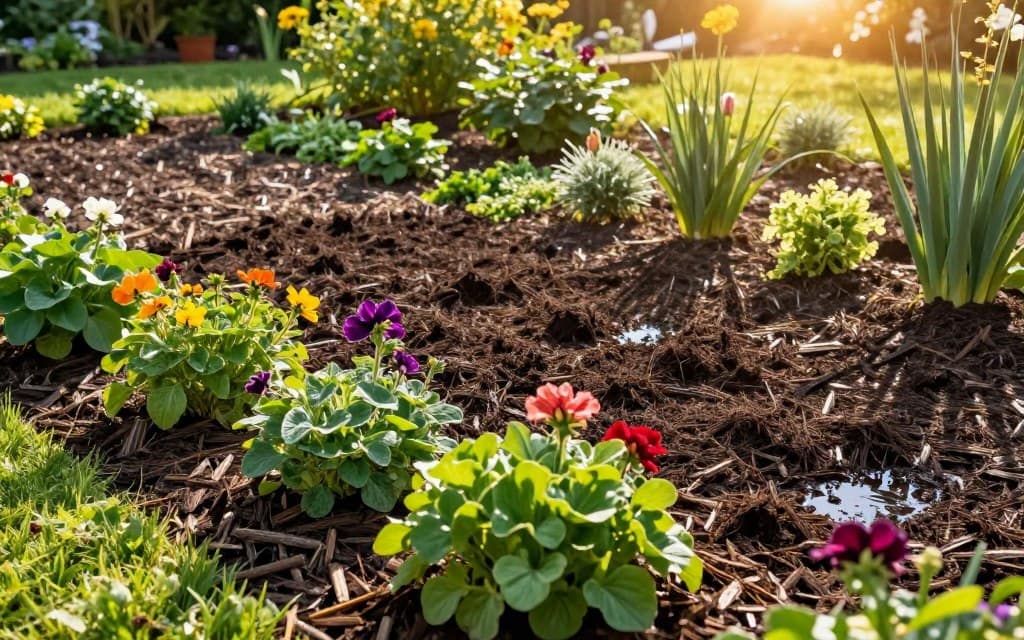
While mulch is celebrated for its protective qualities, common application errors can transform this garden ally into a hidden threat. It plays a vital role in maintaining a healthy landscape.
The Role of Mulch in Enhancing Landscape Health
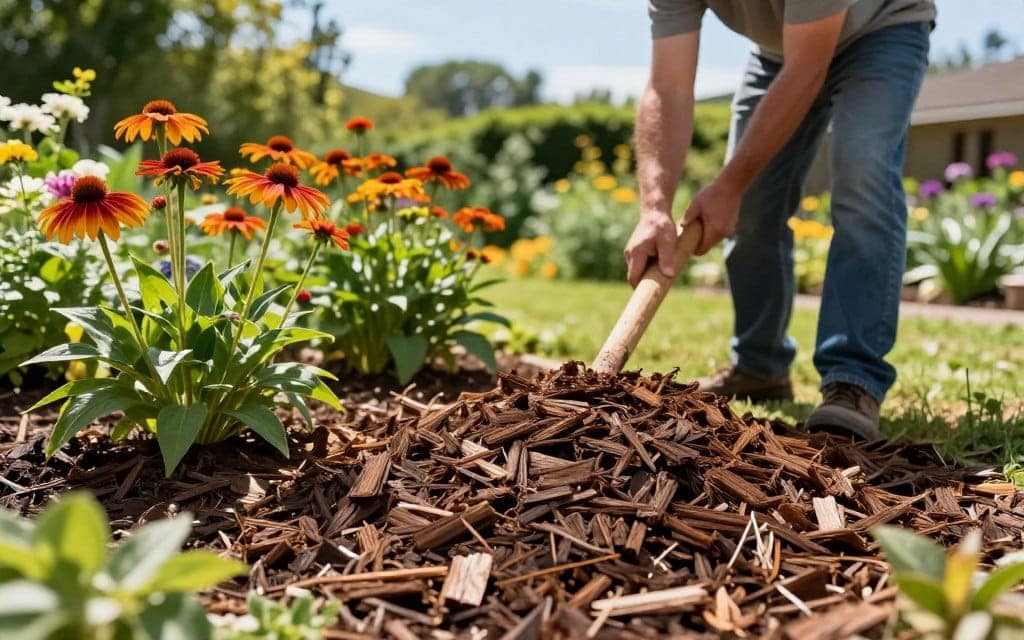
Proper mulch application offers several key benefits. It helps soil retain crucial moisture and regulates its temperature.
This layer also suppresses weeds and enriches the soil over time. It creates an ideal environment for root systems and microbial life.
Identifying Common Mistakes in Mulching Practices
A major error is applying mulch too deeply. More than four inches can suffocate roots and cause rot.
Another mistake is piling mulch against tree trunks and plant stems. This “volcano” effect traps moisture and invites pests and disease.
Using the wrong type of mulch is also problematic. Fresh wood chips can harm soil nitrogen, while some dyed options may contain chemicals.
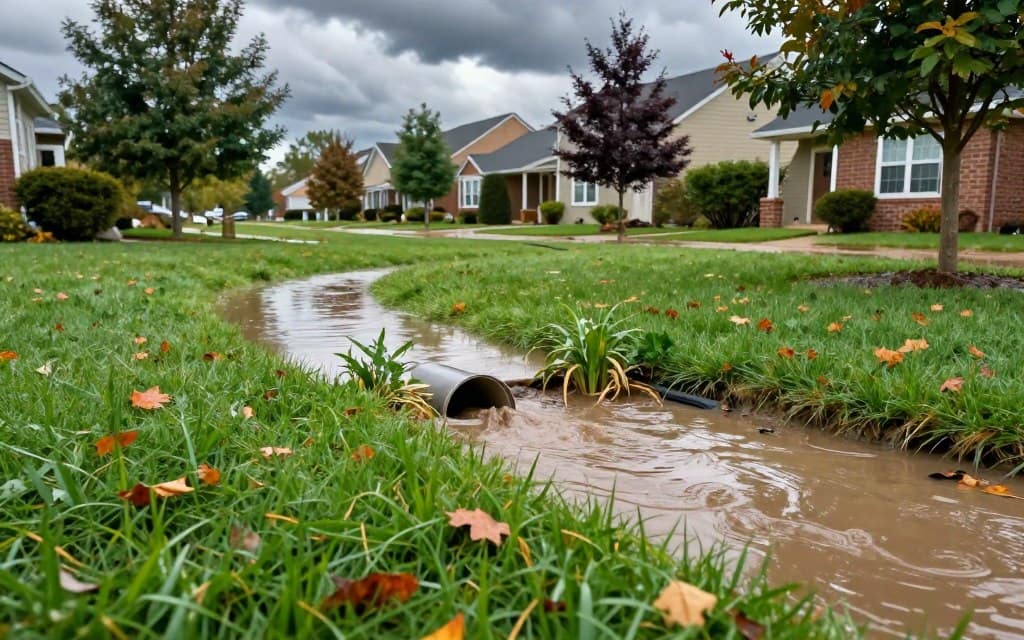
Homeowners often forget that mulch depth affects yard drainage. Too much can waterlog soil and damage perennial roots.
These pitfalls slowly diminish the beauty and health of your garden spaces. Correcting them is essential for thriving planting areas.
| Practice | Benefit/Goal | Common Error |
|---|---|---|
| Depth | Retains moisture, insulates soil | Layer over 4 inches, causing oxygen starvation |
| Placement | Protects soil, suppresses weeds | Mounded against stems (“mulch volcanoes”) |
| Material Choice | Enriches soil, suits plant needs | Fresh wood chips or potentially dyed mulch |
| Overall Impact | Enhances landscape beauty and vitality | Promotes disease, poor drainage, plant decline |
For optimal results, maintain a mulch layer of two to four inches. Always keep it several inches away from the base of plants and trees.
Mulching Homewood, IL: Expert Services from Installation to Delivery
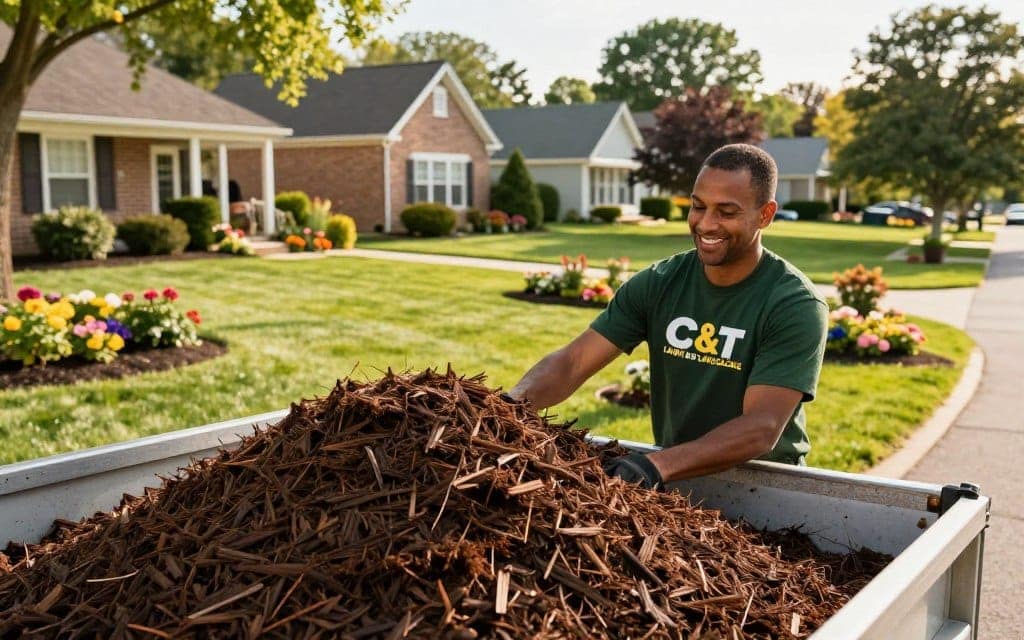
For homeowners seeking flawless results, expert landscaping services offer a seamless solution from start to finish. These professionals remove the physical strain and uncertainty from mulch installation. They cater to both residential and commercial property owners.
Premium Materials and Timely Delivery
The process is straightforward. First, contact C&T Lawn and Landscape to discuss your project details with a friendly team. They will provide a free quote tailored to your landscape needs.
Once you approve, they deliver premium materials directly to your location. This ensures fresh mulch and saves you transportation hassle.
Quality Service & Customer Reviews That Speak Volumes
The knowledgeable crew provides local expert guidance on material selection. They consider your soil conditions and aesthetic goals.
Customer testimonials highlight their attention to detail and professional workmanship. Their commitment to quality makes them a trusted choice for any job.
Flexible scheduling and competitive pricing are available. Contact expert for a free estimate.
Avoiding Costly Mulch Mistakes for Thriving Perennials
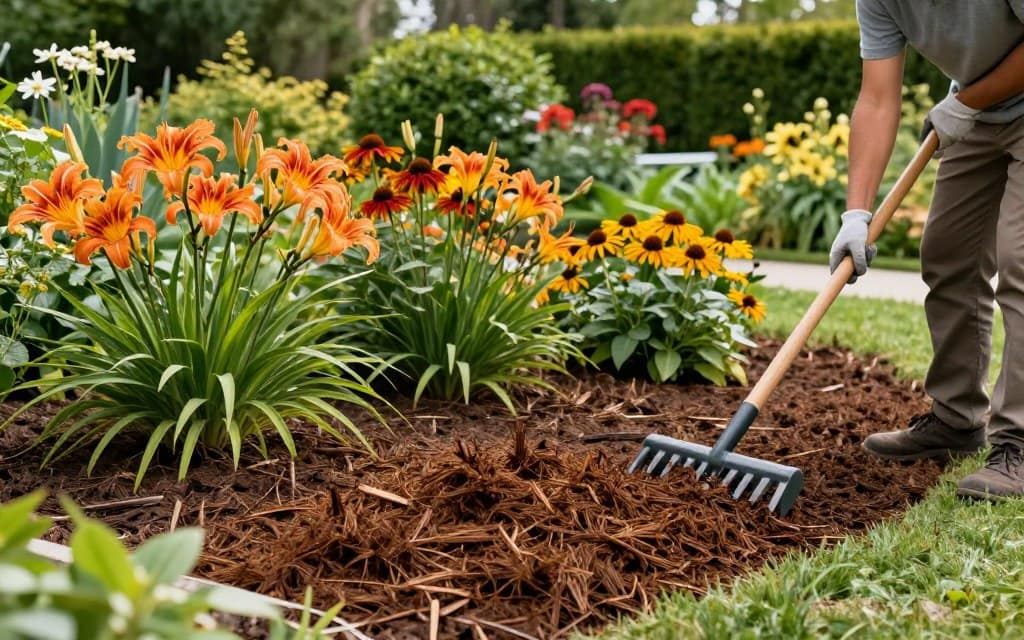
Even the most dedicated gardeners can undermine their perennials with a few critical mulch missteps. Correct application is a precise science that protects your soil and ensures long-term plant vitality.
Proper Application Techniques to Protect Your Soil
Maintain a mulch layer of two to four inches, which retains moisture without suffocating roots. Always keep the material three to six inches away from plant stems and tree trunks to prevent moisture-related diseases.
Assess your soil conditions before starting any project by testing drainage and identifying compaction issues. Prepare the planting area thoroughly by removing weeds and edging beds properly. This foundational work ensures successful mulch installation.
Tips on Tailoring Mulching Projects to Your Landscape Needs
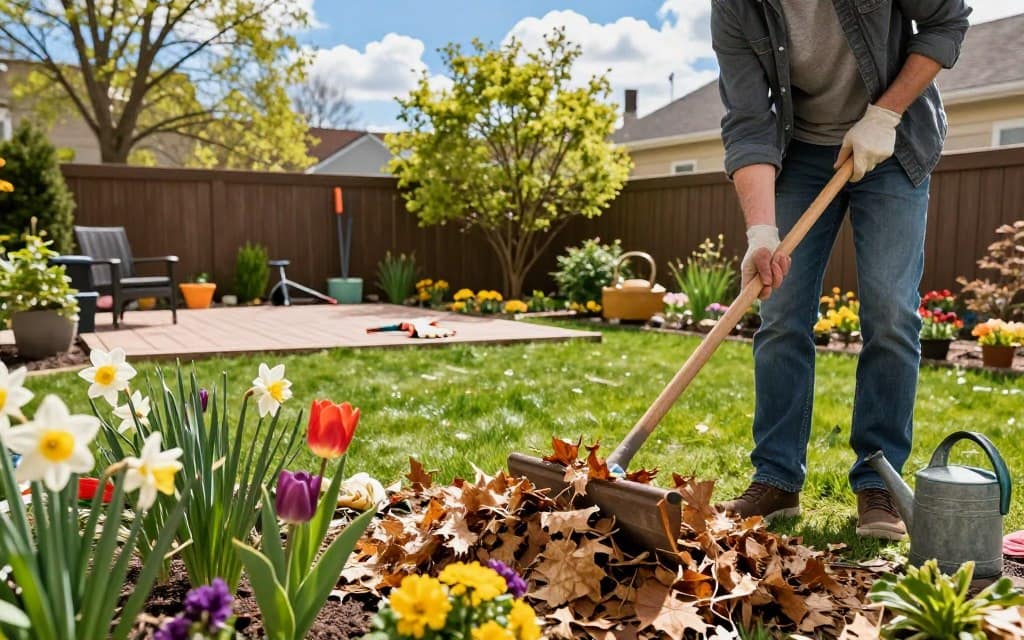
Select mulch types based on specific landscape needs: shredded hardwood for perennial beds, pine needles for acid-loving plants, and cedar for insect-deterrent properties in yard applications. Time your applications with the seasons, refreshing mulch in spring and fall to maintain optimal levels.
Tailor projects to your property size, recognizing that small residential garden installations differ from large commercial landscaping jobs requiring professional services. Calculate the correct quantity by measuring your area to prevent waste. Expert solutions address common challenges like mulch washing away on slopes.
This investment in quality practices yields healthier perennials and enhanced aesthetics.
Conclusion
Transforming your landscape begins with correcting simple but costly mulch mistakes. Avoid excessive depth, direct contact with plant stems, and using the wrong material type. Understanding these proper techniques protects your garden investment and enhances its lasting beauty.
Take a moment to assess your current practices. For guaranteed results, professional landscaping services offer expert solutions. Their quality materials and proper installation eliminate common errors.
Correcting these issues leads to thriving perennials and reduced maintenance. Your outdoor spaces will flourish year after year with the right approach.