



What if your yard could become more than just a patch of grass? Through thoughtful landscape design, it could become a true extension of your home—a personal sanctuary for relaxation and connection. Transforming an outdoor area requires a careful blend of creativity and practicality. This guide explores how landscape design can turn any space into a beautiful and functional retreat while balancing artistic vision with sustainable, long-term planning. Whether planning a full yard makeover or smaller updates, understanding core landscape design principles is key. This article covers everything from initial measurements to choosing plants and materials, showing how professional landscape design concepts work for properties of all sizes.
Readers will find practical advice on budgeting and the pros and cons of DIY versus hiring landscape design experts. The goal is to create an environment that boosts curb appeal, offers enjoyment, and increases property value through smart, well-executed solutions.
Key Takeaways
- Landscape design blends art and science to create beautiful, functional outdoor areas.
- Good planning ensures projects are sustainable and meet long-term goals.
- Principles apply to all property sizes, from small urban yards to large suburban lots.
- Choosing the right plants and materials is crucial for a harmonious look.
- Understanding budgeting helps in deciding between DIY and professional help.
- Thoughtful design enhances curb appeal, enjoyment, and property value.
- Creating spaces that support local ecosystems is an important consideration.
Introduction to Transforming Outdoor Living
Many homeowners overlook the true value that a thoughtfully planned yard can bring to their property. It’s more than just grass; it’s an extension of your living area. This space offers chances for relaxation, fun with friends, and gardening all year round.
A modern approach to your outdoor area balances beauty with practical use. The goal is to create a place that serves many purposes. It should also be easy to care for and adapt as your needs change.
The transformation process begins with a good look at what you have now. Identify any problem spots and think about how different parts of your yard can be used best. You might want a quiet reading nook or a lively entertainment zone.
Successful change requires seeing how your house and yard work together. Your choices should match your home’s style. This creates a smooth flow from inside to outside.
This section sets the stage for your entire project. A well-planned outdoor environment improves your daily life. It supports nature and adds lasting value as plants and features mature over time.
Landscape Design Basics & Planning Your Space
Mapping your space is the crucial first step that turns abstract ideas into a workable plan. This phase establishes the foundation for all subsequent decisions in the process. Careful documentation prevents costly mistakes and ensures elements work with natural conditions.
Rough Sketches and Measurement Techniques
Begin with a simple outline of your property. Include permanent features like your house, sheds, and large trees. This initial sketch doesn’t need perfect scale.
Take measurements of everything shown on your rough drawing. Note window and door locations for traffic flow. Mark utility access points for future planning.
Transfer these measurements to graph paper to create a scaled master plan. This becomes your permanent reference document. Use tracing paper overlays to experiment with different layouts.
Analyzing Sunlight, Shade, and Slope Conditions
Observe how sunlight moves across your space throughout the day. Note areas that receive full sun versus deep shade. These patterns change with seasons.
Identify slope conditions and drainage patterns on your property. Steep areas may need retaining solutions. Low spots might require drainage improvements.
Document wind exposure and microclimates created by structures. This analysis ensures plants thrive in their placements. It also helps position seating areas for comfort.
Understanding Design Principles for Outdoor Spaces
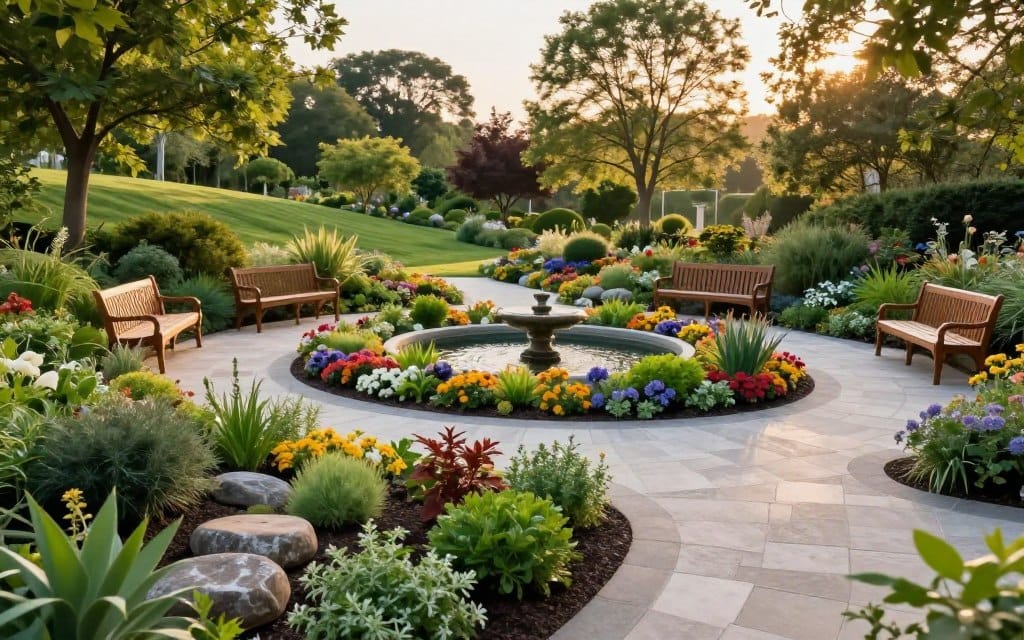
A successful outdoor space feels right because it follows a set of fundamental visual rules. These principles of garden design provide a framework for creating harmony and interest. They guide decisions on placement, selection, and combination of various elements.
Mastering these concepts helps avoid a cluttered or disjointed look. It ensures all parts of the yard work together seamlessly. The result is an environment that is both beautiful and intentionally composed.
Proportion, Unity, and Balance in Your Layout
Proportion relates to the size of components against the whole space. A large feature should suit the property’s scale. This creates a natural sense of fit.
Unity is achieved when all elements share a common theme. Repeating shapes or materials fosters this harmony. It makes the layout feel cohesive and planned.
Balance deals with the distribution of visual weight. This can be symmetrical, with mirrored elements on each side. Asymmetrical balance uses different items of equal impact to create stability.
Using Color, Texture, and Scale Effectively
Color theory helps create mood. Warm tones feel energetic, while cool colors are calming. Using a limited palette promotes unity throughout the area.
Texture adds depth through varied surfaces. Combine plants with different leaf sizes and hardscape materials. This contrast makes the space more engaging up close.
Scale ensures elements relate well to their immediate neighbors. A small plant next to a large boulder might seem lost. Proper scaling makes every feature feel intentional and contributes to a pleasing sense of movement as one views the space.
Choosing the Ideal Materials and Hardscape Elements
The foundation of any great outdoor space lies in the careful selection of hardscape materials that define its character and functionality. These non-living components provide the structural framework for your entire layout.
Material choices significantly impact aesthetics, maintenance, and longevity. Options range from natural stone and brick to concrete pavers and composite decking. Each offers different benefits for various applications.
Selecting materials that complement your home’s architecture creates visual harmony. Traditional homes often pair well with brick and natural stone. Contemporary designs benefit from clean-lined concrete and steel elements.
Climate considerations guide practical decisions. Some materials withstand freeze-thaw cycles better than others. Surface texture affects slip resistance, especially around pools and slopes.
Integrating hardscape with planting areas requires planning for drainage and root growth. Planting pockets within patios allow greenery to soften hard surfaces. This balance creates a cohesive environment.
Budget allocation typically favors hardscape for long-term value. While installation costs are higher initially, these features require less ongoing maintenance than plant-heavy designs. This investment pays off over time.
Incorporating Plants, Gardens, and Greenery
Living elements form the heart of outdoor environments, providing seasonal beauty and ecological benefits. They create the living foundation that brings color, texture, and habitat to any space.
Selecting Climate-Appropriate Plants
Choosing the right plants begins with understanding local growing conditions. The USDA hardiness zone map helps determine which species will thrive in specific regions.
Different landscape types present unique challenges. Mountain areas need plants that survive harsh weather and shorter seasons. Flat landscapes require species that withstand wind and temperature extremes.
Coastal locations demand salt-tolerant and drought-resistant varieties. Matching plants to these conditions ensures long-term success.
Enhancing Your Space with Trees, Shrubs, and Gardens
Trees provide structural impact with shade, privacy, and seasonal interest. Their placement requires consideration of mature size to avoid future conflicts.
Shrubs serve multiple functions as foundation plantings, hedges, and focal points. They soften building edges and define spaces effectively.
Layering plants by height creates visual depth. Trees form the canopy, shrubs provide mid-level structure, and perennials complete the composition. This approach results in a harmonious outdoor environment.
Optimizing Layout for Various Yard Sizes
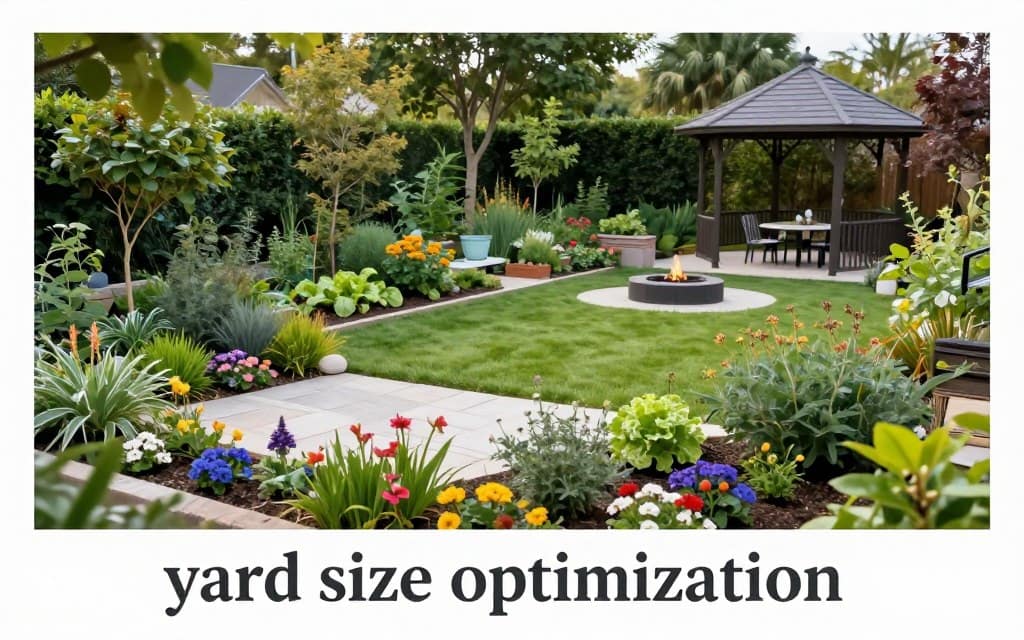
From compact urban lots to expansive suburban properties, each space demands specific solutions. The physical dimensions of your yard significantly influence the planning approach. Smaller areas require clever strategies to maximize functionality without feeling cramped.
Large properties need strategic zoning to create purposeful areas. This prevents empty, unused spaces from dominating the layout. Proper allocation ensures every section serves a clear function.
Strategies for Small Spaces
Vertical gardening makes excellent use of wall and fence space in tight quarters. Multi-functional features like storage benches serve dual purposes. They provide seating while concealing garden tools.
Light-colored materials and strategic mirrors can create illusions of expanded space. Selective plant choices deliver visual impact without overwhelming limited square footage. This careful curation prevents a cluttered appearance.
Front yard plans must balance curb appeal with practical needs like parking and pathways. Backyards typically prioritize private enjoyment through designated zones. These areas might include dining, lounging, or play spaces.
Narrow side yards offer opportunities for utility access or productive gardens. Hillside properties benefit from terracing strategies using retaining walls. This transforms challenging slopes into distinctive multi-level gardens.
Regardless of property size, identifying priority uses is essential. Comfortable circulation between areas maintains flow throughout the space. Proportional relationships ensure no single element dominates inappropriately.
Innovative Tips for Modern Landscape Design
Technology now plays a pivotal role in shaping outdoor environments. Modern landscape design approaches blend digital tools with emerging aesthetic preferences.
Homeowners can explore creative solutions before committing to physical changes. This forward-thinking method reduces costly mistakes.
Trend Insights for 2026 and Beyond
Future outdoor spaces will prioritize climate resilience and extended usability. Gardens will withstand temperature extremes while supporting local ecosystems.
Wellness-focused areas like meditation spaces gain popularity. Edible plants merge with ornamental arrangements for dual-purpose beauty.
Naturalistic styles replace formal geometry in contemporary preferences. Sustainable materials and diverse groundcovers create layered visual interest.
Integrating Digital Design Tools and Apps
Software like iScape and SketchUp allows virtual experimentation with layouts. Homeowners can test plant placements and material combinations digitally.
Applications range from simple photo overlays to detailed 3D modeling. Some services like Home Outside offer remote professional consultations.
Professional landscape design planning typically costs between $2,000 and $8,000 depending on scope. Many find digital tools provide helpful preliminary visualization.
Smart systems for irrigation and lighting represent additional technological integration. These innovations help create adaptable, efficient outdoor living areas.
Creating Cozy Outdoor Living Areas and Patios
Outdoor living areas have evolved beyond basic seating to become fully functional rooms that enhance daily life. These spaces effectively extend a home’s square footage when planned with purpose.
Designing Functional Patios and Outdoor Rooms
Successful patio planning starts by defining the primary use. Will it focus on dining, lounging, or multi-functional activities? This decision guides the size, layout, and material choices.
Location matters for convenience and comfort. Position the area near the house for easy kitchen access. Consider sun exposure and wind patterns throughout different seasons.
Creating a sense of enclosure transforms open yards into intimate outdoor rooms. Use vertical elements like pergolas or privacy screens. These define boundaries while maintaining airflow and views.
Furniture selection requires durable, weather-resistant pieces scaled to the space. Comfortable seating arrangements encourage conversation. Include adequate surfaces for dining and storage for cushions.
Extend usability with seasonal features like fire pits or heaters for cooler evenings. Consider ceiling fans or retractable awnings for hot climates. These additions make the area enjoyable year-round.
Integrate the patio with surrounding greenery through adjacent planting beds. Use container gardens on the hardscape surface. This creates seamless transitions between built and natural elements.
How to Execute Effective Landscape Design
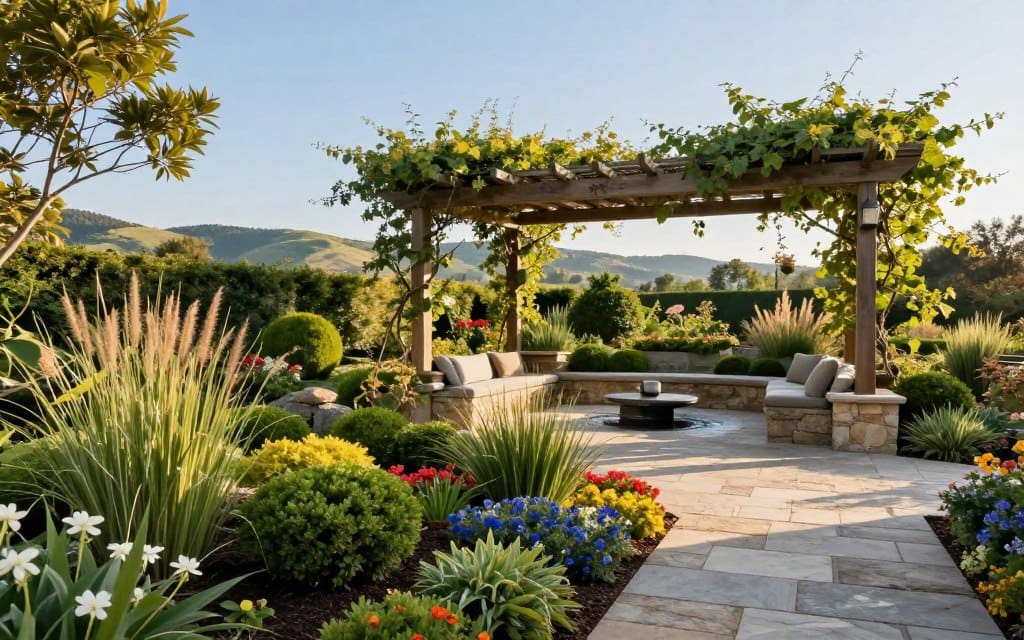
A methodical implementation strategy transforms initial ideas into a fully realized outdoor environment. This approach ensures each phase builds logically on the previous one.
The design process begins with thorough site assessment. Measure your property accurately and document existing conditions. Note sun patterns, drainage issues, and elements worth preserving.
Step-by-Step Guide for Beginners
Establish clear goals for your yard before moving forward. Determine your preferred style and set a realistic budget. Consider whether you’ll handle the work yourself or hire professional landscape designers.
Develop conceptual layouts using tracing paper over scaled drawings. Experiment with different arrangements of functional zones. Focus on circulation paths and major feature placement.
Refine your chosen concept by applying design principles. Ensure proper scale and balance throughout the space. Identify focal points that highlight attractive areas.
Create detailed plans specifying exact materials and plants. Include quantities and coverage calculations for hardscape elements. This becomes your comprehensive installation guide.
Systematic implementation starts with grading and drainage work. Install hardscape features before moving to planting. Begin with trees and shrubs, then add perennials and groundcovers.
Sustainable and Eco-Friendly Landscaping Techniques
Water-wise landscaping techniques help homeowners create beautiful, responsible outdoor areas. These methods work with natural systems rather than against them. The result is a yard that requires less maintenance while supporting local ecosystems.
Incorporating Drought-Tolerant and Native Plants
Choosing plants adapted to your region’s climate is the first step toward sustainability. Native species thrive with minimal intervention because they’re suited to local conditions. They provide essential food and habitat for pollinators and birds.
Drought-tolerant varieties like succulents and ornamental grasses need little water once established. Grouping plants with similar water needs makes irrigation more efficient. This approach significantly reduces outdoor water consumption compared to traditional lawns.
Healthy soil forms the foundation of successful eco-gardening. Composting organic matter improves soil structure naturally. Avoiding chemical fertilizers protects groundwater quality and beneficial organisms.
Integrated pest management reduces the need for pesticides. Encouraging beneficial insects helps control pests naturally. Accepting minor plant damage maintains a balanced ecosystem without chemicals.
These practices create landscapes that conserve resources while supporting wildlife. They offer long-term beauty with reduced environmental impact. Sustainable yards become thriving habitats that evolve gracefully over time.
Enhancing Visual Appeal with Water and Lighting Features
Thoughtful integration of water and lighting transforms outdoor spaces into multi-sensory experiences. These elements work together to create atmosphere while improving functionality. They add dynamic qualities that change throughout the day and seasons.
Designing Garden Pathways and Water Elements
Pathways serve as both practical routes and visual guides through the garden. Material choices affect the overall style and feel. Curves and width variations create interest while ensuring safe passage.
Water features introduce sound, movement, and reflections. Options range from simple birdbaths to elaborate ponds. Each choice should match the space’s scale and maintenance needs.
Proper installation requires planning for electricity and water sources. Consider how water will affect local wildlife. These elements become natural focal points that draw attention.
Illumination Ideas for Safety and Ambiance
Lighting extends outdoor enjoyment into evening hours. It enhances safety on pathways and steps. A layered approach combines different lighting types for best results.
Uplighting dramatizes trees and architectural features. Downlighting creates natural-looking illumination. Path lighting ensures safe navigation without glare.
Strategic placement highlights key garden elements after dark. Warmer color temperatures create cozy atmospheres. Energy-efficient LED systems offer long-lasting performance with smart controls.
Conclusion
Well-executed outdoor environments blend beauty, function, and ecological responsibility in equal measure. They create spaces that serve personal needs while supporting local ecosystems. This balance results in yards that offer both immediate enjoyment and lasting value.
The landscape design process requires careful planning but delivers rewards for years. Whether homeowners choose DIY approaches or professional help, understanding core principles leads to success. Good planning ensures landscapes mature gracefully over time.
Every property presents unique opportunities based on its size and conditions. Creative solutions exist for various challenges, from small urban spaces to large suburban lots. Continuing to learn about plants and trends keeps gardens relevant through changing seasons.Turn your outdoor potential into reality—contact C&T Lawn and Landscape today to schedule your professional landscape design consultation.