



Curious whether mulching fallen leaves helps or harms your lawn? Homeowners often ask if mulching leaves benefits soil and grass or simply smothers turf and invites disease. Mulching can retain moisture, block weeds, and moderate soil temperature, but timing and thickness matter.
This short guide shows what mulch does to soil and turf, the best seasons to act, and a practical shredding method so leaves break down instead of matting. You will learn the difference between chopping leaves into the turf and applying mulch in garden beds, so you don’t use bed-depth rules on grass.
Key factors that decide good versus bad are oxygen flow, water infiltration, sunlight, and decomposition speed under varying weather. Lawn type and climate vary across the United States, so these are broad rules of thumb rather than one-size-fits-all solutions.
If you prefer a pro cleanup or need heavier work, companies like C&T Lawn and Landscape can help with proper application and removal.
Key Takeaways
- Mulching fallen leaves can benefit soil if shredded thinly and timed right.
- Too thick a layer can block oxygen and water and harm grass.
- Shredding prevents matting and speeds decomposition.
- Rules for landscape beds don’t always apply to turf.
- Climate and lawn type change the best approach; use broad rules of thumb.
What Mulching Leaves Really Does to Your Lawn and Soil
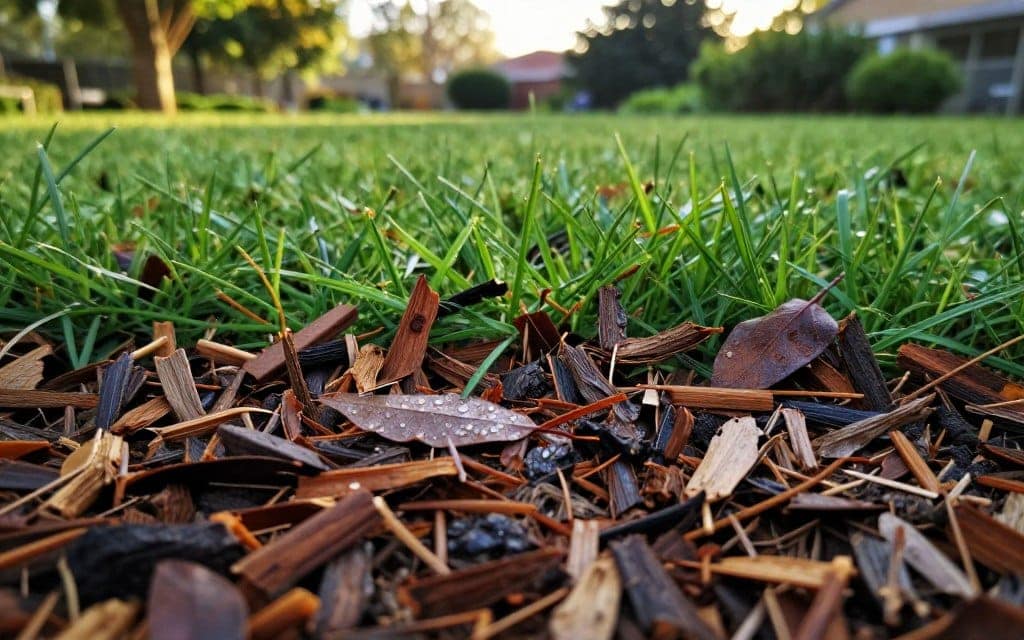
A thin, shredded leaf cover changes how your lawn breathes, moves water, and cycles nutrients. That modest change at the surface alters evaporation, temperature swings, and the way rain impacts the turf.
How a layer changes moisture, temperature, and the surface
A light mulch reduces water loss and buffers soil temperatures—warmer on cold nights and cooler on hot days. It also softens raindrop impact so the soil does not crust and water soaks in easier. Keep the layer thin so the turf crown stays exposed.
Organic matter, nutrients, and improved soil structure
Shredded leaves break down and add organic matter that helps loosen heavy clay and hold water in sandy ground. Microbes feed on that matter and release nutrients slowly. This gradual return of nutrients supports steady growth without quick spikes.
Weed suppression and the role of light
A light-blocking cover reduces weed pressure because many weed seeds need light to sprout. Still, the goal on turf is to limit weeds without smothering grass. Too thick a layer can trap excess moisture and restrict airflow, flipping benefits into problems.
When Mulching Leaves Helps Most in the United States
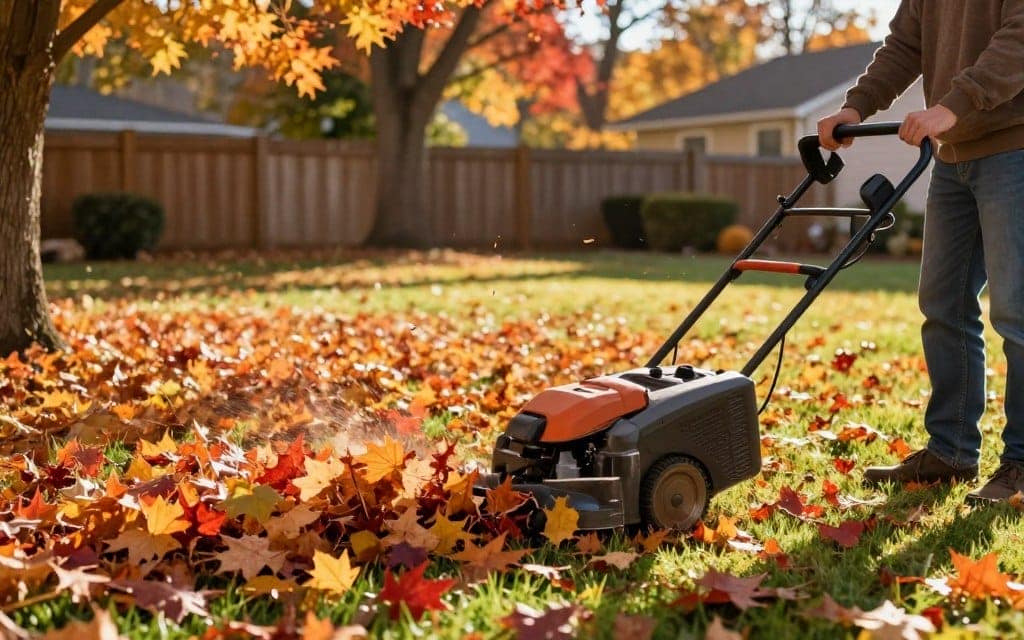
Timing matters—how and when you process leaves affects soil health, root protection, and spring growth. Follow seasonal cues so a thin, breathable layer breaks down instead of forming a wet blanket.
Spring timing
Remove winter cover once hard frost risk passes so soils can warm and new blades can push through. Leaving a thick layer too long keeps the ground cool and can delay green-up.
Fall timing
Wait until after the first hard frost or several freezes before adding a protective layer. At that time, shredded leaves help stabilize soils, insulate roots, and reduce erosion. Early fall shredding can trap moisture and encourage rot.
Wet vs. dry conditions
Soggy leaves mat and block air and water movement. Mulch when leaves are dry enough to shred cleanly—after a few dry days or when morning dew clears. If rain is coming and you can’t shred finely, pause to avoid creating a compacted layer.
How to Do Mulching the Right Way Without Hurting Grass
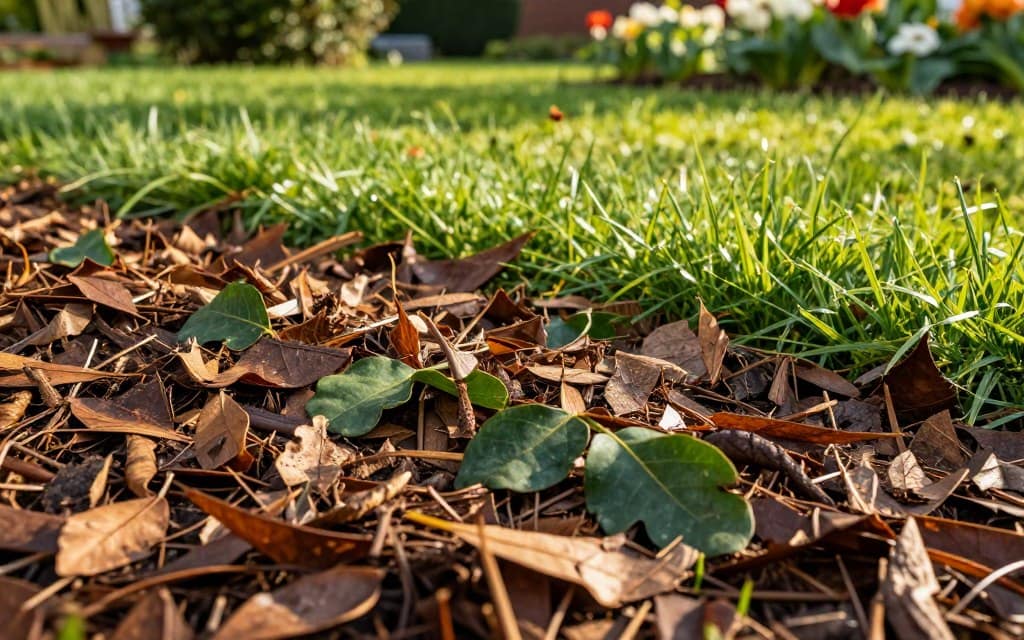
Begin with simple prep: clear sticks, remove big debris, and address weeds so the area is ready. If soils are powder-dry, water lightly so shredded material stays put and the soil can accept organic matter.
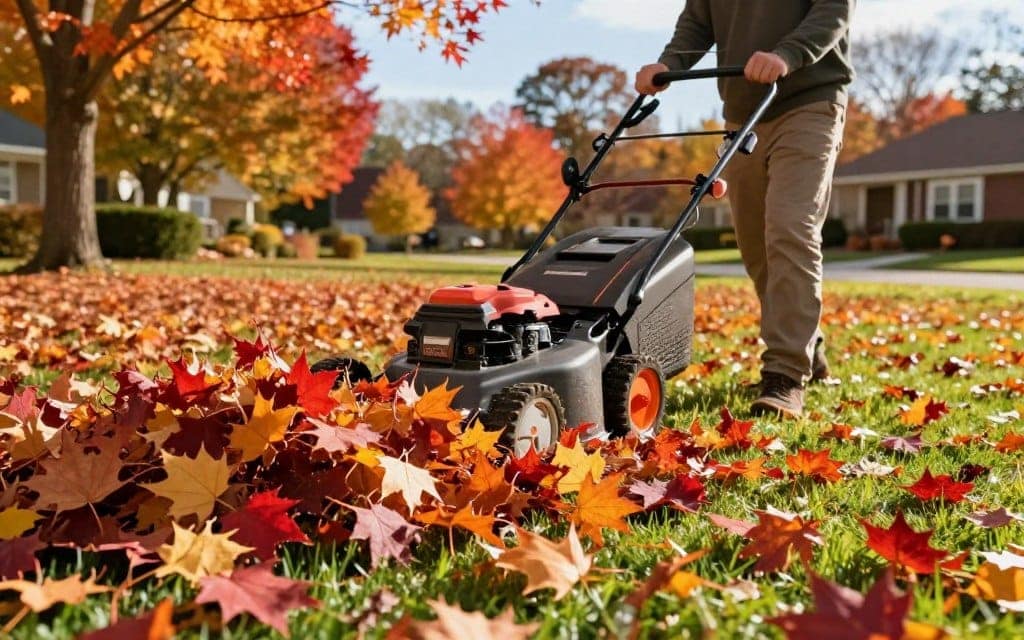
Shred leaves with a mower using multiple passes for a fine texture. Finer shredding reduces matting, increases surface area, and speeds decomposition into the turf instead of forming a wet mat.
Apply a thin layer on turf—aim for a breathable cover where blades remain visible and not flattened. Lawn treatment differs from beds; do not use the 2–3 inch bed rule on grass.
Watch for too much and fixes
Signs of over-application: buried grass, pressed blades, a spongy wet layer, or water running off instead of soaking in. Fix it by raking or blowing excess leaves, re-mowing to shred, and spreading the rest thinly.
Around trees and shrubs
Keep mulch pulled back 6–12 inches from trunks to protect bark, roots, and stems. Avoid volcano-shaped piles that trap moisture and attract pests.
Blending materials
Mix thin, dry grass clippings with shredded leaves to speed breakdown. Do not combine wet clippings and wet leaves—those clump and block air and water.
Choosing the Best Mulch Materials for Lawns, Gardens, and Landscape Beds
Choose the right covering for beds and turf by matching materials to goals like soil building, weed control, or low upkeep. Different types perform distinct jobs: some improve soil while others reduce maintenance and last for years.
Organic mulches such as shredded leaves, compost, leaf mold, bark, and composted wood chips break down and add organic matter. Shredded leaves and compost return nutrients quickly. Bark and composted chips hold moisture longer and decompose more slowly, so they need less frequent topping up.
Inorganic mulches include gravel, stone, landscape fabric, and plastic sheeting. Gravel suits drought-friendly gardens and steep slopes but can heat the soil and migrate into turf. Permeable fabric helps as a weed barrier when pinned down; non‑breathable plastic limits air and water and may fragment over time.
Material matchups matter: use fine, shredded material on lawns so particles integrate into turf. Reserve wood chips and chunky bark for landscape beds and around trees, keeping them pulled back from trunks to avoid rot. Match choices to U.S. conditions—rainfall, heat, and slope—and to your maintenance tolerance.
Common Problems and How to Prevent Them
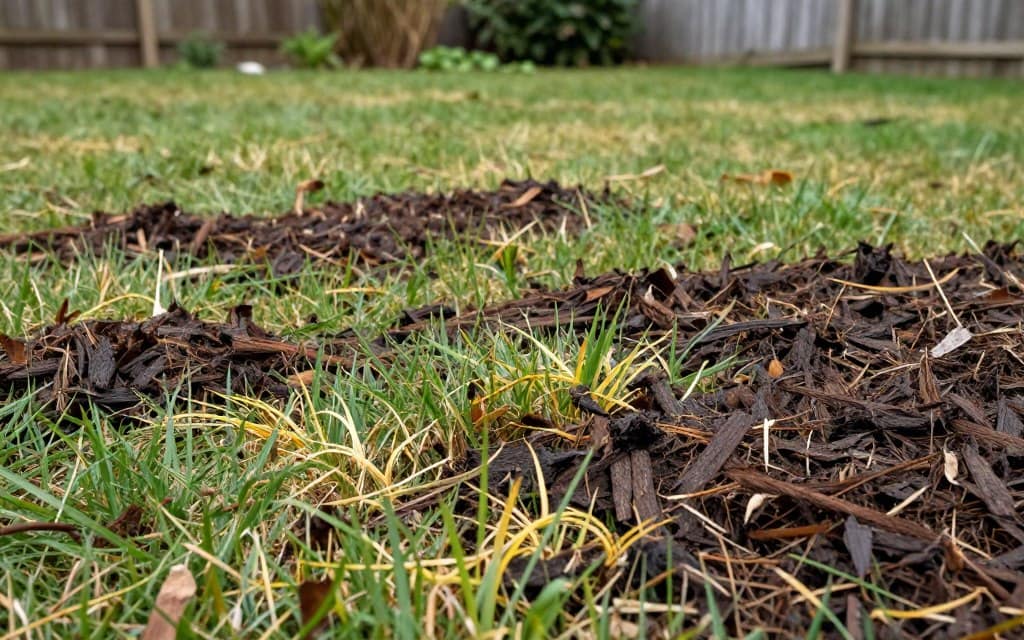
High-carbon wood products and thick leaf layers can cause real problems for turf and beds. Fresh wood-based materials often pull nitrogen from soils as they break down. That temporary “tie-up” can stress nearby plants.
Counter it by adding a nitrogen-rich amendment such as soybean meal, alfalfa, or cottonseed meal when you use wood materials. This returns nutrients fast and keeps growth steady.
Watch for signs of over-application: persistent soggy patches, sour smells, fungal growth, or wilted plants. These point to trapped moisture and low oxygen at the surface.
Keep mulch off crowns and pull material back 6–12 inches from trunks. Fluff or thin layers in shady, humid spots to restore air flow and reduce rot and pest shelter.
Think about the environment and waste: using leaves as organic matter reduces landfill loads, but avoid free piles that may contain weed seeds, trash, or diseased debris. If you cannot keep the amount thin and breathable on turf, skip leaf cover and compost or collect instead.
Conclusion
Treat leaves as a resource: shred small, spread thin, and match timing to seasonal needs.
When done right, mulching supports steady moisture and returns slow nutrients to the soil. It also helps suppress weeds and evens out temperature swings that affect growth.
Do no harm: if a cover blocks light, air, or water, remove or thin it quickly to protect roots and nearby plants. Shred leaves finely, spread mulch evenly, and avoid wet matting.
Remember seasonal rules for the United States: in spring keep soil free of cold debris, and in fall wait for freezes before heavy protection around beds and tree roots. Use shredded leaves on lawns, reserve wood chips for garden beds, and avoid heat‑trapping materials near tender plants.
Contact our team today for expert fountain selection, professional installation, and premium mulching services. Schedule your on-site consultation and let’s create a beautiful, finished outdoor space tailored to your property.
FAQ
Is it okay to mulch leaves into my lawn instead of raking them up?
How does a layer of shredded leaves affect soil moisture and temperature?
Will adding leaf matter improve soil structure and nutrients?
Do shredded leaves help control weeds?
When is the best time to mulch leaves to avoid harming spring growth?
Should I wait until after the first freezes in fall before mulching leaves?
How do wet versus dry leaves change the outcome?
How should I prepare the lawn area before applying shredded leaves?
What mower settings and techniques best prevent matted leaves?
How thick should the layer be on turf to avoid smothering grass?
What signs show grass is being smothered by too much leaf material?
How should I mulch around trees and shrubs without harming trunks?
Can I mix grass clippings with shredded leaves?
Which materials work best for lawns versus garden beds?
Are inorganic mulches like gravel appropriate for landscape beds?
Will fresh wood chips cause nitrogen deficiency in my lawn?
Can overuse of leaf and wood materials increase pests or disease?
What environmental factors should I consider before using free or recycled leaf mulch?
When should I skip mulching leaves and choose removal or composting?