


Your landscape relies on a strong foundation. Plants and shrubs that form this base require regular care to maintain their health and appearance. When these foundational plants become overgrown, they lose their structural integrity. This affects the entire look of your yard.

An overgrown shrub can block sunlight and air from reaching its inner branches. This leads to dead wood and poor foliage. The plant’s natural shape becomes distorted, often encroaching on pathways or other plants. Recognizing these signs is the first step toward restoration.
Assessment is critical. You must evaluate the density of the branches and look for diseased limbs. Consider the plant’s intended size and its role in your garden design. Proper evaluation ensures you choose the correct rejuvenation method.
Key Takeaways
- Identify key signs of overgrowth, such as poor shape and dense interior branches.
- Assess the plant’s health by checking for dead wood and restricted light penetration.
- Understand how overgrown plants detract from your landscape’s visual appeal.
- Recognize the role of these plants as a bridge between garden beds and trees.
- Determine if the plant has outgrown its space and is impacting its surroundings.
- Evaluate foliage color and vitality to decide between pruning and full rejuvenation.
- Establish a systematic approach based on the plant’s growth habit and function.
Recognizing the Signs of Overgrowth
A well-maintained shrubs enhances your garden’s structure, but overgrowth disrupts this balance. You must learn to identify the specific symptoms. Early detection allows for simpler corrective measures.
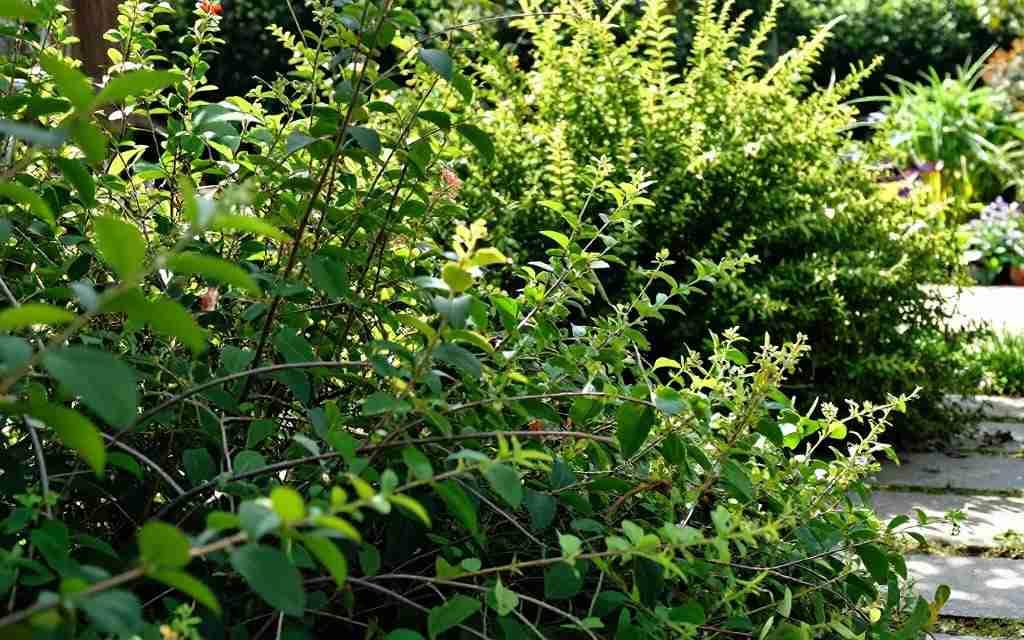
Identifying Overgrown Foliage and Structural Issues
Inspect your shrubs for dense, tangled foliage. This condition blocks light from reaching the inner branches. The plant’s health declines as a result.
Look for dead or crossing branches within the structure. These create entry points for pests. They also compromise the overall form of the shrubs.
Check if the base appears leggy with foliage only on top. This indicates a loss of natural shape. Assess if it has outgrown its allocated space, interfering with pathways or other plants.
Note any decline in flowering or foliage color. Pale, yellowed leaves signal nutrient stress. This often occurs after several years of neglect.
Seasonal Impacts on Shrub Health
Different seasons reveal unique problems. Spring planting encourages new growth, which can mask underlying issues. Summer’s full foliage often hides dead wood.
Winter dormancy is the best time for assessment. The bare structure exposes crossing and diseased branches. This clarity helps you plan effective rejuvenation for the coming years.
Recognize when a shrub no longer serves its function. Decisive action restores its role in your landscape design.
Essential Pruning Techniques for Healthy Growth
Strategic branch removal serves as the foundation for healthy development in your outdoor space. Proper shrub pruning techniques prevent stress and promote vigorous growth. You must approach this task with precision and planning.
Tools and Methods for Effective Pruning
Select tools based on branch diameter. Use hand pruners for stems under ¾ inch. Choose loppers for branches up to 1½ inches. Employ pruning saws for larger limbs.
Consider two primary approaches for overgrown specimens. Renewal pruning removes one-third of oldest stems each spring. This three-year process minimizes shock. Rejuvenation pruning cuts the entire plant back to 6-12 inches in late winter.

Make all cuts at 45-degree angles above outward-facing buds. This directs new growth away from the center. Remove dead and diseased wood first. Then address crossing branches that compromise structure.
| Tool Type | Branch Diameter | Best Use Case |
| Hand Pruners | Up to ¾ inch | Precise cuts on small stems |
| Loppers | Up to 1½ inches | Medium branches with leverage |
| Pruning Saw | Over 1½ inches | Thick limbs requiring power |
Time your work according to bloom cycles. Prune spring-flowering varieties after blossoms fade. Address summer-blooming types in late winter. This timing ensures abundant flowers each season.
Thin dense interiors to improve air circulation. Better light penetration promotes healthier foliage. Monitor your landscape response after pruning. Adjust maintenance to prevent future overgrowth.
Selecting the Best Shrubs for Your Garden
Successful garden planning begins with selecting vegetation that aligns with your specific growing conditions and aesthetic goals. You must evaluate multiple factors before making purchasing decisions. This systematic approach ensures long-term landscape success.
Understanding Your Growing Zone and Landscape Needs
Determine your USDA hardiness zone before selecting any plants. This numerical code indicates which vegetation survives your winter temperatures. Zone 6 offers the widest selection with 427 varieties available.
Consider your landscape requirements and intended function. Choose between privacy screening, foundation planting, or specimen display. Match mature height to your space constraints.
Evaluate sunlight exposure in your planting area. Full sun locations support 523 varieties, while partial shade suits 345 options. Only 16 types tolerate full shade conditions.
Select flower color to coordinate with your existing garden palette. Pink leads with 156 varieties, followed by white (100) and red (74). Purple and yellow offer additional options.
Review popular types like rose (121 varieties) and hydrangea (47 varieties). These provide diverse selections for various applications. Consider bloom seasons for continuous color throughout the year.
Incorporating Shrubs into Your Garden Landscape
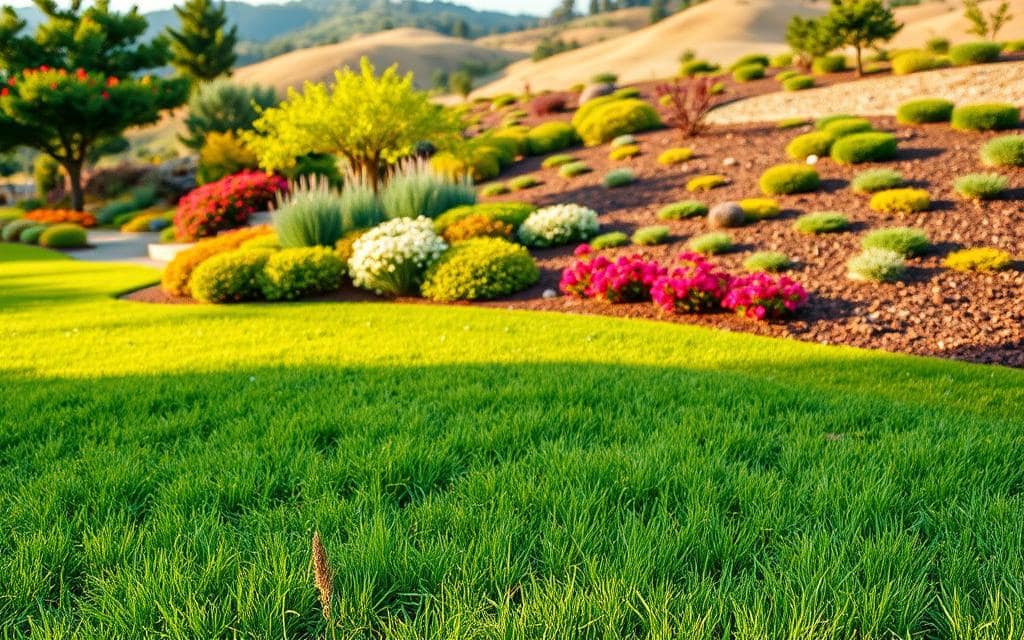
Landscape design achieves professional results when you layer plants according to their mature heights. This approach creates smooth transitions from ground-level flowers to mid-height vegetation to canopy trees.
Mixing Shrubs with Flowers, Trees, and Other Elements
Position foundation plantings to create visual hierarchy in your yard. Use these woody plants as intermediaries between delicate flowers and towering trees. This strategy establishes depth and natural flow throughout your space.
Coordinate bloom times for continuous color display. Pair spring-flowering varieties with early perennials. Combine summer-blooming types with seasonal annuals. This ensures vibrant interest across the growing season.
Designing with Color, Texture, and Foliage
Select vegetation that offers multiple seasons of visual appeal. Choose plants with spring flowers, summer foliage color, and fall interest. Evergreen varieties provide consistent structure during winter months.
Create mixed borders with varied foliage textures. Combine fine-textured specimens with bold, coarse-leaved plants. This approach maintains visual interest even when flowers are not blooming. Consider shade tolerance when planting beneath tree canopies.
Conclusion
Implementing systematic rejuvenation practices ensures your garden plants maintain their intended form and vitality. Proper lawn care transforms your yard into a cohesive landscape that functions beautifully across seasons.
Select proven varieties like rose and hydrangea for reliable performance. These plants offer spring flowers and summer color that enhance your space. Consider sunlight exposure and shade requirements when planning.
Order from suppliers with quality guarantees and expert support. Over 2.6 million customers benefit from plants shipped at ideal planting times. Payment processes upon shipment for your convenience.
Apply these techniques to create lasting value in your landscape. Your foundation plantings will thrive for years with proper maintenance.
Ready to bring your garden to life? Connect with a trusted local landscaping professional to select the best plants for your yard and implement these practices tailored to your region.