



Are you tired of spending weekends on yard work and wondering how to cut costs without losing curb appeal? The term landscape maintenance can mean fewer service visits, less labor, and smarter seasonal care that keeps your property looking sharp.
In Los Angeles, warm seasons speed growth and raise water bills, so timing and planning matter. This guide helps property managers, HOAs, retailers, and multi-tenant owners compare services, know cost drivers, and choose a company that meets measurable needs.
We preview the biggest levers that reduce time and work: simplifying plantings, right-sizing irrigation, using mulch, and optimizing routes. Expect step-by-step tips with cost ranges — monthly care commonly falls between $100 and $300 depending on scope and cadence.
Note: C&T Lawn and Landscape is referenced once to illustrate real-world service options and pricing context.
Key Takeaways
- Simplify plant choices and layout to cut service visits and labor.
- Right-size irrigation and use mulch to reduce time and water spend.
- Consistent plans beat catch-up work for commercial and residential sites.
- Monthly service costs in Los Angeles often range $100–$300 based on scope.
- Compare measurable standards to pick a reliable company and reduce budget surprises.
Reduce landscape maintenance without sacrificing curb appeal
Start with a short, systematic walk-through to find the spots that waste time and budget. A focused audit reveals the maintenance hotspots that add labor every visit: hard-to-reach edges, narrow side yards, dense shrub masses, steep slopes, and heavy leaf-drop zones.
Walk-through checklist: lawn condition, planting bed weed pressure, irrigation overspray, tree clearance, debris buildup, and access points for crews and equipment (for example, an 8-foot gate may force extra handling time).
Set realistic appearance standards by zone
Divide the property into show areas (front entry, storefronts) and low-visibility zones (back-of-house, service alleys). Prioritize regular edging and consistent mowing for residential commercial frontages, and simplify back areas with low-water groundcover or fewer plant varieties.
Build a time-and-budget plan that prevents catch-up projects
Choose a service cadence that matches site realities—weekly, every 10 days, or every two weeks—based on growth rate and access. Overgrown yards and unchecked shrubs often require one-off projects that triple labor costs.
Document the scope of service so customers and the team agree on what’s included (mowing, trimming, cleanup, weed control, irrigation checks) and what counts as extra project work. Measure results monthly with photos, time-on-site logs, and customer feedback, then adjust services before small issues become large jobs.
Landscape maintenance essentials that deliver the biggest time savings
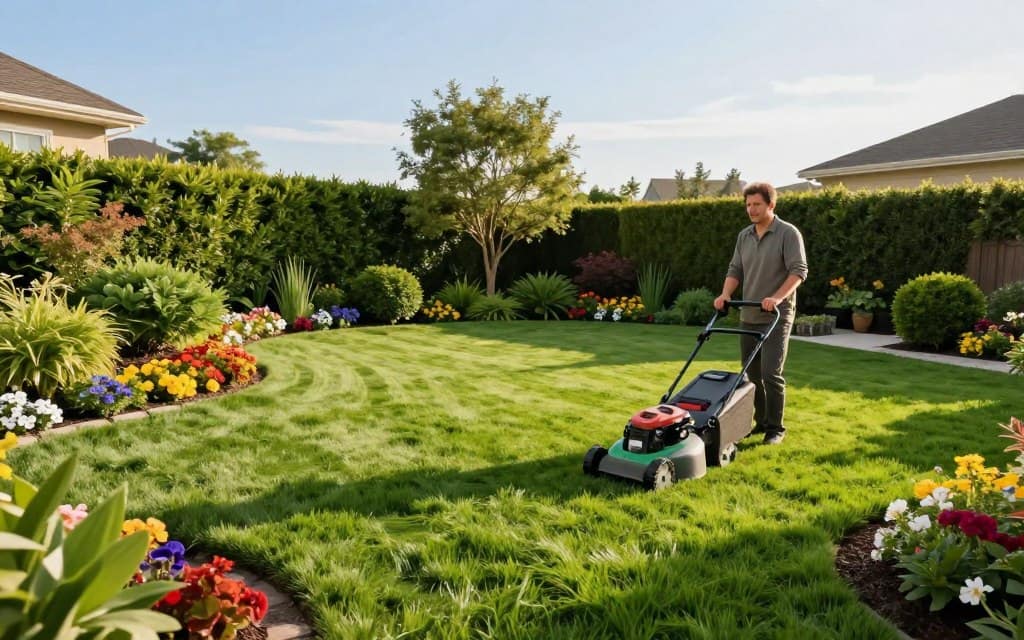
A steady care rhythm for lawns and beds cuts hours on repeat visits and emergency fixes. Small, scheduled tasks prevent scalping, overgrowth, and big cleanups that eat budget and time.
Keep mowing efficient with consistent cycles and access planning
Consistent lawn mowing reduces scalping, lowers blow-off time, and makes edging faster—important for commercial lawns with high visibility. Plan gate widths, equipment staging, and clear routes to keep crews moving.
Trimming, pruning, and tree care to prevent overgrowth and storm risk
Regular trimming and pruning stop woody overgrowth that becomes costly to fix. Prioritize canopy lifting, deadwood removal, and keeping branches away from roofs and signs to cut service calls.
Weed control, mulch, and debris strategies
Use pre-emergent timing and spot treatments to limit repeat weed visits. Tighten bed edges so weeds don’t creep into planting areas.
Mulch suppresses weeds, stabilizes soil moisture, and reduces how often teams weed or water. Schedule leaf cycles and on-site staging to make debris cleanup fast and safe.
Seasonal soil care and ROI
Fertilize every 4–5 weeks during active growth in Los Angeles, aerate to improve root access, dethatch where needed, and overseed thin turf in early fall. These small services lower corrective work, cut water waste, and keep lawns and beds consistent.
Smart irrigation and water management to cut maintenance services
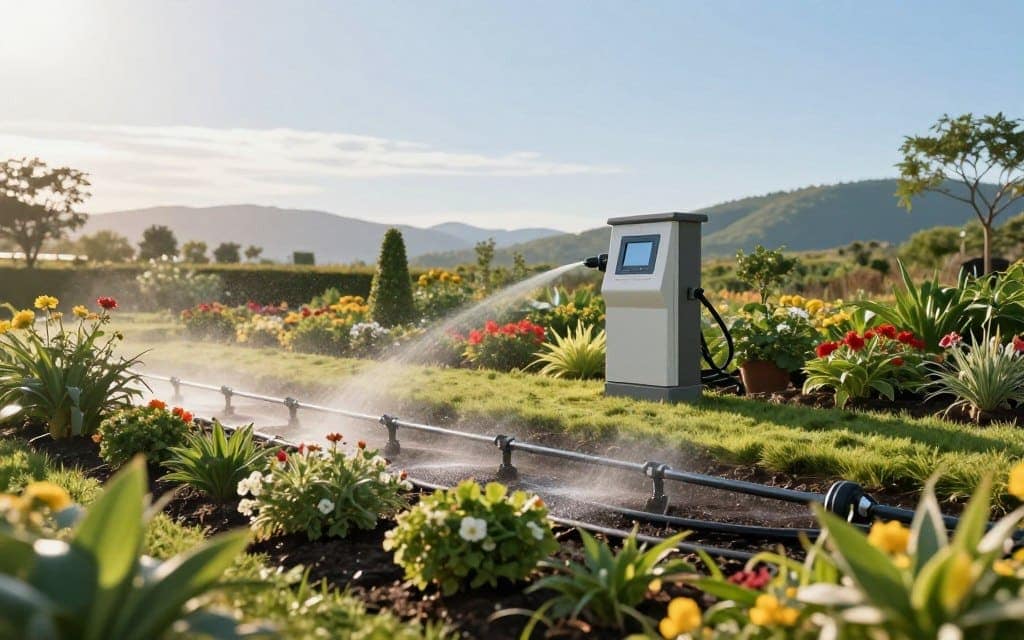
Smart water strategies target plant needs and shrink both bills and emergency visits. Efficient irrigation reduces water use and prevents unseen damage that drives extra services and replacement costs.
Irrigation issues often raise workload by stressing plants, causing runoff, and fueling weed growth in overwatered areas. That silent damage increases service frequency and long-term plant loss.
Inspect controllers, heads, and drainage regularly
Use this quick checklist during routine checks: controller programming, broken heads, misaligned spray, clogged nozzles, visible leaks, and drainage that causes soggy turf or dry patches.
Use computerized systems to lower water consumption
Smart controllers and flow monitoring adjust watering by weather and site needs. They cut water use while keeping plant care consistent and reduce time crews spend on manual adjustments.
Hydro-zone and water by plant needs
Group plants by water needs so crews avoid extra hand-watering that adds labor. Proper zoning lowers emergency visits, brown spots to fix, and monthly water bills—especially in Los Angeles areas.
Better irrigation also reduces secondary work like mud cleanup, algae on hardscape, and erosion repairs. Optimizing water management becomes a measurable service outcome: fewer complaints, healthier plants, and predictable schedules.
Eco-friendly practices that lower ongoing service needs in Los Angeles
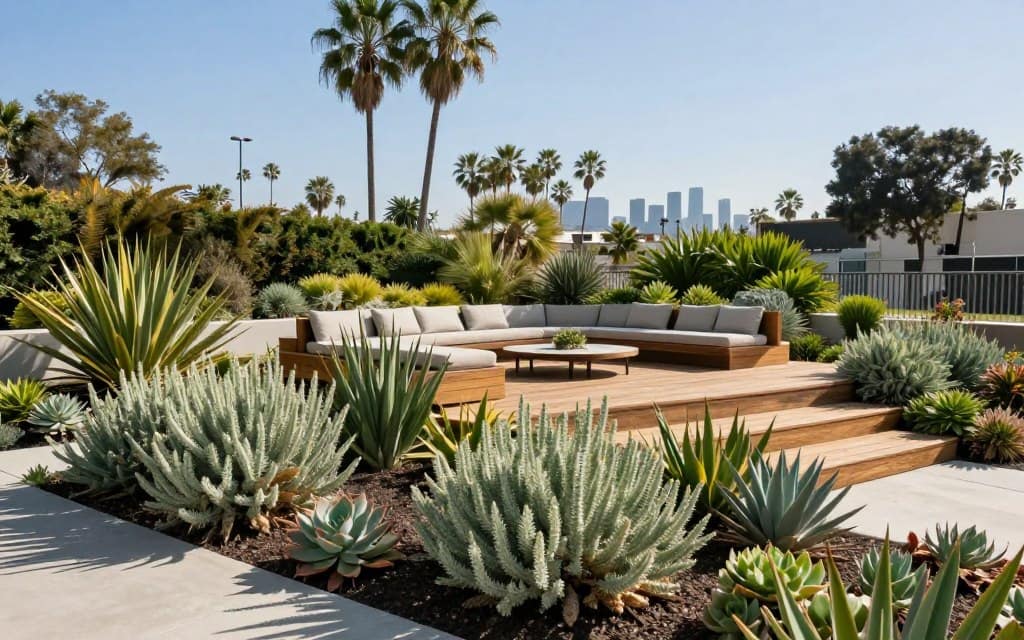
Eco-friendly choices can cut recurring service visits and keep properties looking sharp with less effort. These approaches improve plant health, reduce pest flare-ups, and limit rework from chemical stress or overwatering.
Emission-free equipment for cleaner, quieter grounds care
Battery and electric tools cut noise and fumes. That helps teams work during business hours with less disruption to customers and retail spaces.
Organic fertilizers and pest control
Use organic products where steady plant health matters most. They lower burn risk, so crews make fewer corrective visits for turf, trees, or sensitive plants.
Recycled trimmings for mulch and native plants
Chipping trimmings on-site reduces disposal and creates mulch that suppresses weed growth and holds moisture. Pair that with native, climate-adapted plants to cut water use and reduce replacement cycles.
Practical rollout and commercial outcomes
Phase changes by priority spaces first—entry zones, storefronts—then expand to larger properties once results prove out. The result: cleaner-looking areas, fewer complaints, and lower regular service needs.
Commercial scheduling and pricing expectations in the Los Angeles area
Choosing the right visit cadence in Los Angeles keeps properties consistent without overspending. Use site specifics—growth rate, irrigation output, foot traffic, and how fast the property looks unkept—to pick weekly, every 10 days, or every 2 weeks.
Right-size service frequency
Weekly fits high-traffic storefronts and sites that must look perfect every day.
Every 10 days is a popular LA compromise for balanced appearance and cost.
Every 2 weeks works for lower-use properties or drought-tolerant plantings where slight growth is acceptable.
Typical cost ranges to plan spend
Plan-level pricing in the area: lawn mowing often lands around $150–$270 depending on lawn size and access. Monthly lawn maintenance commonly ranges roughly $100–$300 based on scope.
Seasonal tasks: fertilizing $250–$350, aeration $300–$450, and overseeding $800–$1,200. Small jobs may fall near $40–$70 depending on scope.
What drives price on commercial properties
Square footage, slopes, hard-to-reach edges, heavy tree coverage, leaf drop, water/tree edges, and staging time for equipment all increase cost.
Access constraints—an ~8-foot gate, tight alleys, or long carry distances—raise labor and time on site. Non-lawn properties shift pricing to weed control, shrub work, and bed cleanup rather than a standard mowing package.
Choosing a reliable team
Look for a clear scope, consistent scheduling, proactive reports on irrigation or drainage issues, documented quality checks, and required licensing for fertilizer or pesticide work.
Customer-focused teams provide photo logs, time-on-site notes, and a simple change-order process so budgets stay predictable.
Service partner spotlight: C&T Lawn and Landscape
As a local option, C&T Lawn and Landscape is often selected for consistent cycles, clear communication, and plans that protect budget while keeping commercial properties presentable.
Conclusion
A small, predictable program prevents most costly fixes and keeps properties presentable year‑round. Use a clear plan to reduce landscape maintenance and make work predictable.
High‑impact actions: set the right service frequency, prioritize trimming and pruning, use mulch and weed prevention, keep seasonal soil care, and run routine inspections to spot plant stress early.
Document appearance standards by zone. Prioritize front‑of‑site areas and simplify lower‑visibility spots so crews spend less time on repeat tasks.
Next step: request a scope review, confirm what services are included, and set a schedule that fits the property and budget. A well‑run program saves time, protects curb appeal, and supports long‑term property value with smarter landscaping management. C&T Lawn and Landscape can help with a site review.