
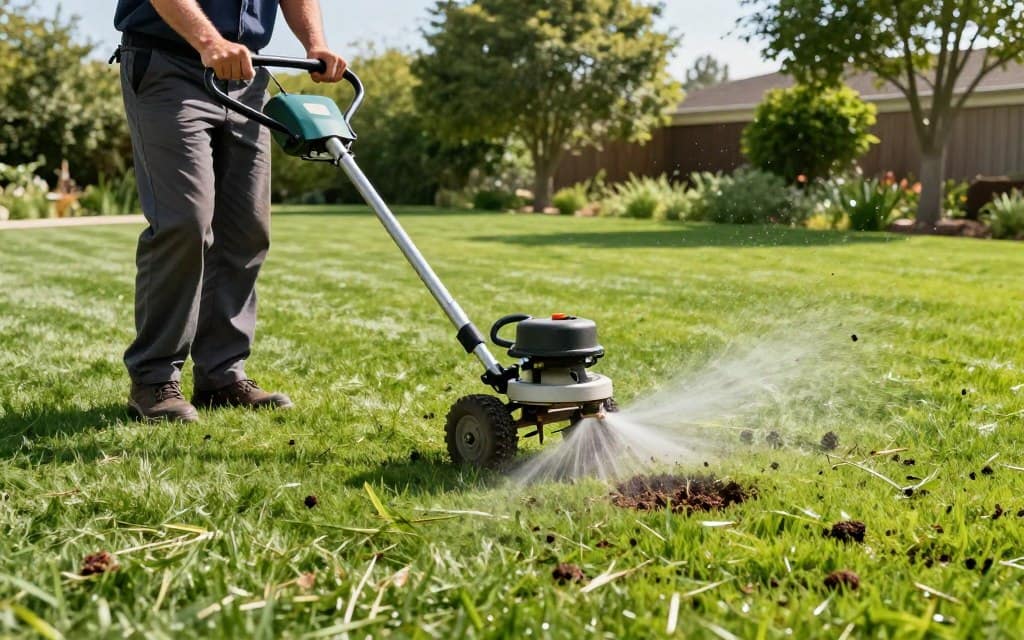
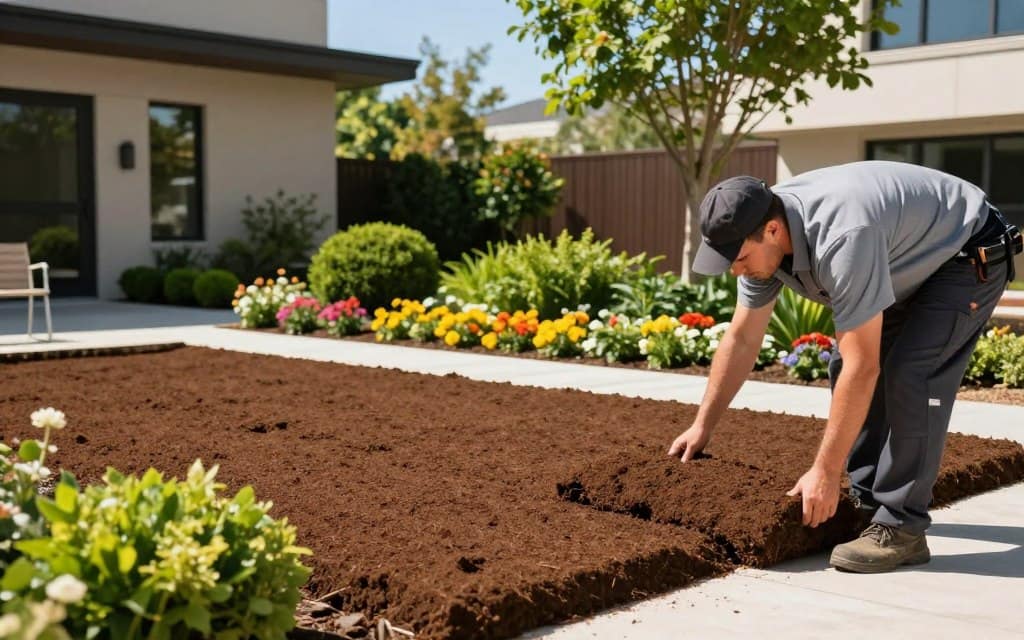
Sarah watched her newly planted hydrangeas wilt under the summer sun. Her beautiful backyard landscape installation was turning brown just weeks after completion. The problem wasn’t the plants or the soil—it was the water. Her sprinklers sprayed the fence as much as the flower beds, leaving some areas soaked and others parched.
This common mistake highlights why water management is the foundation of any successful outdoor project. Proper planning prevents costly errors and ensures plant health from the start. It conserves water and builds long-term value for property owners.
Integrating irrigation design with the initial project phase is crucial. Retrofitting a system later is far more expensive and disruptive. Professional landscaping services combine these elements to create cohesive, efficient systems tailored to specific site needs.
This guide provides comprehensive advice for property owners and contractors. It covers site assessment, technology selection, and coordination with other elements. The goal is to create an irrigation system that performs effectively for years, addressing both immediate and future maintenance considerations.
Key Takeaways
- Irrigation planning is a foundational step, not an afterthought.
- Proper water management prevents costly mistakes and ensures plant health.
- Integrating irrigation design early saves money and avoids disruption.
- Professional services create systems tailored to your specific outdoor space.
- Effective planning conserves water and adds long-term value.
- A well-planned system coordinates with all other landscape installation elements.
- Considering future maintenance during installation ensures years of efficient performance.
Understanding the Landscape Installation Process
The journey from bare soil to lush greenery involves multiple specialized phases. Each step builds upon the previous one to create cohesive outdoor environments.
Defining Key Concepts in Landscaping and Irrigation
Professional landscaping services encompass site preparation, plant selection, and hardscape construction. These elements work together to form complete outdoor living spaces.
Irrigation represents the controlled application of water through efficient delivery systems. Proper watering maintains plant health while minimizing waste throughout the property.
Landsape installation experts provider coordinate horticulture, hydraulics, and construction disciplines. This integration ensures irrigation supports overall aesthetic and functional goals.
Benefits of Professional Landscape Installation
Seasoned professionals bring valuable knowledge of local conditions and plant requirements. Their experience prevents common mistakes that can lead to costly corrections.
Quality services deliver both immediate visual appeal and long-term functionality. They handle permitting, code compliance, and coordination with other trades.
This comprehensive approach ensures systems operate efficiently for years. Property owners gain peace of mind knowing their investment is properly managed from start to finish.
Assessing Your Outdoor Space and Irrigation Needs
A detailed site assessment maps the foundation for an irrigation system that truly meets the yard’s needs. This process involves carefully examining the property’s physical layout and environmental factors. Understanding these elements ensures the final design is efficient and effective.
Evaluating Yard Layout and Soil Conditions
Professionals start by measuring the entire area. They document boundaries, slopes, and sun exposure patterns. This helps identify zones with different watering requirements.
Soil type dramatically influences water absorption. Clay holds moisture, while sandy soil drains quickly. Testing reveals composition, pH, and drainage characteristics.
Companies like C&T Lawn and Landscape diagnose soil and grading issues. Their specialists use scientific analysis to predict how water will move through the space. This knowledge prevents future problems.
Identifying Specific Watering Requirements
Plants have varying thirst levels. Grouping them into hydrozones based on their needs is key. Turfgrass often requires more water than established shrubs.
Seasonal changes and microclimates within the property also affect schedules. A sunny slope dries out faster than a shaded, flat area. A thorough assessment tailors the system to these specific needs.
Planning an Effective Irrigation System
The blueprint for successful watering management transforms raw site data into a functional system that serves plants while conserving resources. This phase bridges assessment findings with practical implementation.
Designing for Efficiency and Sustainability
Smart design principles ensure water reaches plants efficiently. Proper head spacing and zoning prevent waste. Different areas receive customized watering based on plant needs.
Water conservation strategies include drip irrigation for beds and smart controllers. Rain sensors and soil moisture monitors reduce unnecessary watering. These technologies maintain plant health while cutting waste.
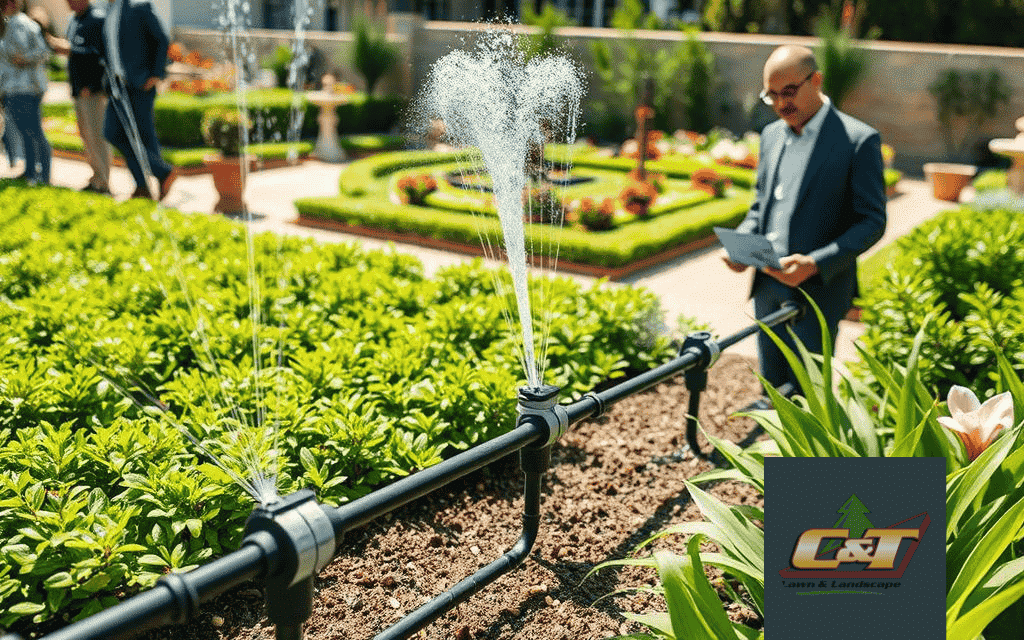
Companies like C&T Lawn and Landscape incorporate micro spray systems as water-wise solutions. Sustainable approaches consider rainwater harvesting and drought-tolerant plants.
Selecting Suitable Irrigation Components
Component quality directly impacts system reliability and maintenance costs. Choosing the right sprinkler heads, valves, and controllers prevents future problems.
Landscape experts emphasizes proper component selection in their irrigation management services. Quality materials ensure long-term performance and reduce replacement expenses.
| Component Type | Best Use Cases | Key Considerations | Longevity Impact |
|---|---|---|---|
| Spray Heads | Small, regular-shaped areas | Precipitation rate matching | 3-5 years with maintenance |
| Rotary Nozzles | Large, sloped areas | Pressure requirements | 5-7 years typically |
| Drip Emitters | Beds, shrubs, trees | Flow rate calibration | 2-4 years depending on water quality |
| Smart Controllers | All system types | Weather integration capability | 7-10 years with updates |
Hydraulic design ensures proper pressure and flow throughout the system. Creating detailed documentation during planning simplifies future maintenance and modifications.
Exploring Irrigation Technologies and Options
Property owners today face important decisions when selecting between various irrigation methods. The right choice depends on understanding each technology’s strengths and limitations for specific applications.
Sprinkler Systems vs. Micro Spray Systems
Traditional sprinkler systems work well for lawn areas needing uniform coverage. They include spray heads for smaller zones and rotors for larger spaces. Each type offers specific coverage patterns and precipitation rates.
Micro spray and drip technologies deliver water directly to root zones. This approach minimizes evaporation loss, making them ideal for plant beds and water-conservation designs. Companies like C&T Lawn and Landscape provide these water-wise landscaping solutions.
Smart irrigation technologies represent the latest advancement. Weather-based controllers adjust watering based on local conditions. Soil moisture sensors prevent overwatering, while app-based systems allow remote monitoring.
Many properties benefit from combination approaches. Sprinklers serve lawn areas, while drip systems hydrate beds and shrubs. This matching of technology to need creates optimized irrigation services.
Selection factors include water source capacity, budget constraints, and maintenance capabilities. Local water restrictions and specific landscaping requirements also influence the decision. Technology choice significantly impacts water efficiency and system longevity.
Integrating Hardscaping with Irrigation Design
The marriage between hardscaping elements and watering systems determines long-term landscape success. Permanent features like patios and pathways create structure but complicate water delivery. Proper coordination ensures these elements work together rather than against each other.
Coordinating Pathways, Patios, and Water Features
Timing matters greatly when combining hardscaping work with irrigation systems. Contractors typically install main water lines before constructing permanent features. This approach allows pipes to run beneath pathways and patio areas without disruption.
Final sprinkler head placement happens after hardscape completion. This sequencing prevents damage during construction and ensures optimal spray patterns. Heads position carefully to avoid watering pavement while reaching adjacent planting beds.
Quality hardscaping design incorporates irrigation considerations from the beginning. C&T Lawn and Landscape professionals route pipes around retaining walls and beneath walkways. They ensure valve boxes remain accessible after patio stone placement.
| Hardscape Element | Irrigation Challenge | Solution Approach | Professional Tip |
|---|---|---|---|
| Paver Patios | Pipe depth protection | Install mains before paving | Minimum 18-inch depth beneath surfaces |
| Retaining Walls | Drainage interference | Separate irrigation zones | Account for elevation changes in pressure |
| Pathways | Head placement | Adjustable risers near edges | Use low-profile heads along walkways |
| Water Features | Dedicated water lines | Separate zone with backflow prevention | Install isolation valves for maintenance |
Customization and Precision in Landscape Design
The true art of outdoor transformation begins when a property owner’s vision meets professional expertise. Landscape installation companies emphasize creative collaboration, working closely with each client to develop plans that exceed expectations. This partnership ensures every detail reflects personal style and functional needs.
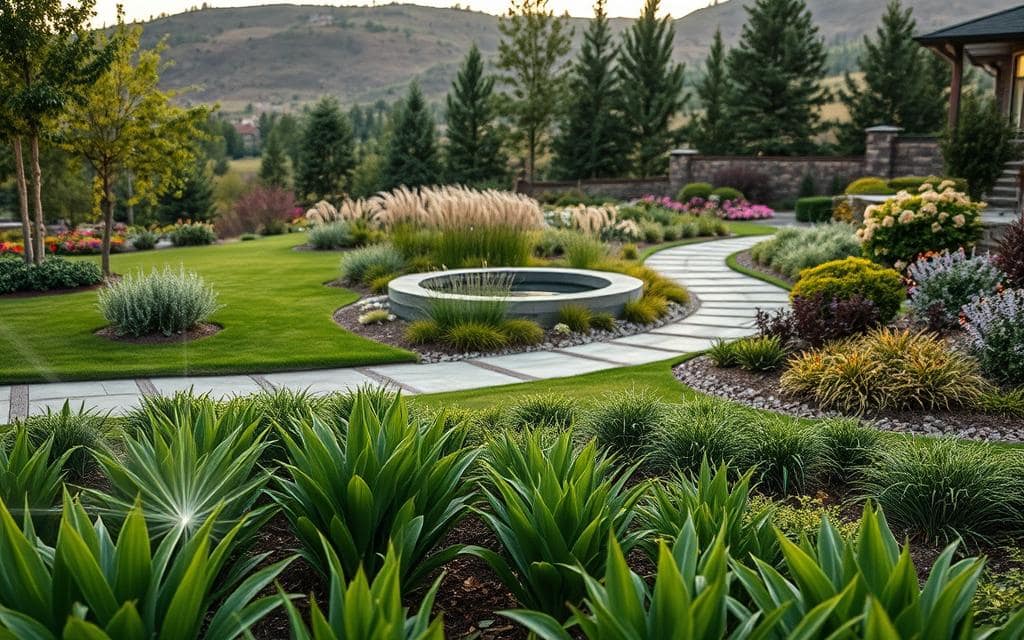
Effective landscape design balances beauty with practicality. It considers irrigation requirements, maintenance capabilities, and long-term sustainability. C&T Lawn and Landscape creates hand-drawn, scaled plans that account for these factors from the start.
| Design Element | Client Input | Professional Consideration | Irrigation Impact |
|---|---|---|---|
| Plant Selection | Color preferences | Water requirements | Zone-specific watering |
| Layout Planning | Usage patterns | Sun exposure analysis | Head placement optimization |
| Hardscape Integration | Aesthetic style | Drainage requirements | Pipe routing beneath features |
| Seasonal Interest | Year-round enjoyment | Plant maturity timing | Adjustable watering schedules |
Precision in this design process extends to irrigation planning. Custom zones match specific plant needs while technology selection ensures optimal coverage. This integrated approach creates cohesive environments where plants and watering systems work together seamlessly.
Professional landscaping services address unique site challenges through customized solutions. Dry shade areas, slopes, and microclimates receive specialized attention. The result is an outdoor space that truly reflects the client’s personality while functioning efficiently for years.
Quality Craftsmanship in Service and Installation
A reliable irrigation system for years to come is the direct result of superior craftsmanship. This quality separates professional work from projects that fail prematurely. It ensures every component functions as intended from day one.
True quality service is a complete process. It starts with careful planning and continues with precise execution. The final step involves thorough testing and clear client instruction.
Experienced teams demonstrate their skill through specific actions. They take immense pride in their work, which shows in the details.
- Proper pipe depth and secure, glued connections
- Level sprinkler heads and straight, clean trenches
- Meticulous site cleanup and protection of existing features
This attention to detail prevents future leaks and breakdowns. A skilled team can adapt to unexpected challenges on site. They maintain high standards from start to finish.
Choosing a provider who values quality over speed is an investment. It leads to a system that performs reliably with minimal upkeep. This approach delivers lasting satisfaction and protects your property’s value.
Long-Term Maintenance and Irrigation Management
The real work begins after the sprinklers are installed, when consistent care determines long-term success. Proper upkeep ensures systems deliver optimal performance season after season. This ongoing attention protects your investment and maintains beautiful outdoor spaces.
Scheduled Inspections and Seasonal Adjustments
Regular check-ups catch small issues before they become expensive repairs. Spring startup involves testing valves and checking for winter damage. Summer brings mid-season reviews of spray patterns and coverage. Fall preparation includes reducing watering time as temperatures drop. Winterization protects pipes from freezing in cold climates.
Maintenance Practices for Sustained Quality
Simple routines extend system lifespan significantly. Cleaning filters prevents clogged emitters. Checking wire connections ensures reliable controller operation.
Professional maintenance service providers handle complex tasks. They test backflow preventers and replace worn components. Their expertise maintains water efficiency over many years.
Properties with consistent care programs enjoy healthier lawns. They use less water and experience fewer emergencies. This proactive approach saves time and money while preserving beautiful landscaping.
Expert Insights and Years of Experience
The wisdom gained from thousands of completed projects informs every decision made by seasoned professionals. This accumulated knowledge separates true specialists from temporary contractors in the irrigation field.
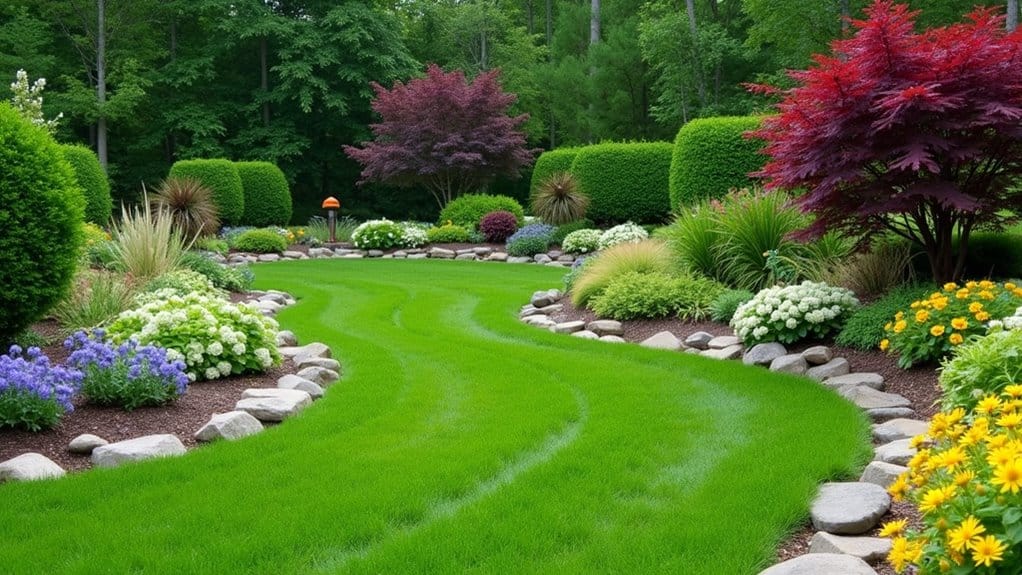
C&T Lawn and Landscape demonstrates this principle with over five decades of combined experience. The brothers running this operation possess intimate understanding of soil science, root systems, and proper grading techniques.
Collaborative Approaches in Landscape Installation
Successful outdoor transformations rarely happen in isolation. They require coordinated efforts among multiple specialists working toward shared goals.
Effective collaboration ensures seamless integration of all elements. Irrigation planning coordinates with design, hardscape construction, and electrical work. This prevents common problems like damaged pipes or blocked sprinkler coverage.
Partnering with Designers, Contractors, and Homeowners
The partnership between creative vision and practical implementation drives success. Designers and contractors maintain ongoing communication throughout projects. This ensures installed results match initial expectations perfectly.
Homeowner involvement remains crucial from consultation to completion. Families provide input during design reviews and receive progress updates. Final walkthroughs include system training for long-term success.
Family-run businesses like C&T Lawn and Landscape bring particular dedication to collaborative work. They build relationships on trust and commitment, treating client properties with personal care.
| Team Member | Primary Contribution | Collaboration Benefit |
|---|---|---|
| Designer | Aesthetic vision | Creative solutions |
| Irrigation Specialist | Technical knowledge | System efficiency |
| Contractor | Construction experience | Practical implementation |
| Homeowner | Functional needs | Personalized results |
Budgeting, Scheduling, and Project Management Tips
Financial planning and scheduling form the backbone of any successful outdoor upgrade. A well-managed project stays within budget while meeting timeline expectations. This approach prevents surprises and ensures quality results.
Understanding cost factors helps property owners plan effectively. Materials, labor, and site preparation represent major expenses. Permits, backflow devices, and controllers add to the total budget.
Smart budgeting strategies include obtaining multiple quotes for comparison. Review what each estimate includes and excludes. Prioritize essential elements over optional enhancements.
| Cost Category | Typical Percentage | Key Considerations | Potential Savings |
|---|---|---|---|
| Materials & Equipment | 40-50% | Quality vs. budget balance | Bulk purchasing discounts |
| Labor & Installation | 30-40% | Experience level of crew | Off-season scheduling |
| Site Preparation | 10-15% | Existing conditions | DIY cleanup options |
| Contingency Fund | 5-10% | Unexpected discoveries | Proper initial assessment |
Realistic timelines depend on system complexity and property size. Weather conditions and permit requirements affect scheduling. Coordination with other work happening simultaneously matters greatly.
Effective project management includes clear communication protocols. Schedule regular progress updates and maintain flexibility for delays. Document all decisions and changes throughout the process.
Working with professionals who provide accurate time estimates brings value. Landscape installation experts or even companies complete work efficiently without compromising quality. They respect client timelines and property access needs.
Taking action today prevents scheduling delays during peak seasons. Established professionals often book weeks or months in advance. Readers should call qualified providers promptly to discuss their needs.
C&T Lawn and Landscape offers reasonable prices and exceptional value. Their team works quickly with little notice when needed. Contact them today to start your irrigation project.
Considering Local Climate and Irrigation Challenges
From the arid Southwest to the humid Southeast, irrigation planning must account for dramatic environmental differences. Regional conditions dictate system design, water requirements, and maintenance approaches for every property.
Water scarcity concerns dominate western regions, demanding maximum efficiency. Eastern areas receive more rainfall but still need irrigation during dry spells. Each climate zone presents unique watering challenges.
Adapting Systems for the US Environment
Northern properties require freeze protection for pipes and equipment. Southern homes face heat management and evaporation control. Temperate zones need seasonal adjustment strategies.
Local regulations significantly impact system design. Water use restrictions, backflow prevention, and permit requirements vary by municipality. Professionals understand these regional rules.
| Climate Zone | Primary Challenge | Adaptation Strategy | Professional Consideration |
|---|---|---|---|
| Arid Southwest | Water scarcity | Drought-tolerant plants | Ruppert Landscape expertise |
| Humid Southeast | Excess rainfall | Drainage integration | Moisture sensor technology |
| Northern States | Freeze protection | Winterization systems | C&T Lawn and Landscape |
| Temperate Zones | Seasonal variation | Smart controllers | Local plant knowledge |
Soil types, precipitation patterns, and wind exposure affect watering needs. Microclimates created by buildings and trees require customized approaches. Successful designs consider both current and future climate trends.
Working with local professionals ensures proper adaptation. They understand which plants thrive in specific areas. Their experience creates reliable systems for each unique outdoor space.
Conclusion
Investing in quality irrigation delivers returns through healthier plants and reduced maintenance. Comprehensive planning considers site conditions, plant needs, and technology options to create efficient systems.
Professional landscape installation and services bring invaluable expertise that prevents costly mistakes. These services ensure reliable results for your home property. Proper system design supports vibrant lawn areas and flourishing plant beds.
The investment pays dividends through enhanced property value and water conservation. Working with expert professionals guarantees client satisfaction and lasting results.
Take action today by reaching out to qualified providers. Call to discuss your specific needs and begin creating the outdoor space you envision.
FAQ
Q: What are the main benefits of hiring a professional team for my yard project?
A: A professional team brings years of experience to ensure quality work. They handle the design and installation with precision, saving you time and delivering results that enhance your property’s value and your family’s enjoyment.
Q: How do you assess the specific needs of an outdoor space before starting work?
A: The process begins with a detailed evaluation of the yard’s layout, soil conditions, and the client’s vision. This assessment helps identify the correct watering requirements and plan an efficient system tailored to the area.
Q: What is the difference between sprinkler systems and micro spray systems?
A: Sprinkler systems are ideal for covering large areas like a lawn, while micro spray systems offer targeted watering for garden beds. The choice depends on the specific needs of the property’s plant life and the goal of water efficiency.
Q: How is hardscaping, like a patio or pathways, integrated with the irrigation design?
A: Careful coordination is key. The irrigation plan is designed around hardscaping elements to ensure complete coverage without water waste. This integration is planned from the start to create a cohesive and functional outdoor space.
Q: What does long-term maintenance involve for a new irrigation system?
A: Long-term care includes scheduled inspections and seasonal adjustments to keep the system running efficiently. Proper maintenance practices protect your investment and ensure sustained quality and performance for years.
Q: How does your team approach project management and scheduling?
A: The team provides clear timelines and maintains open communication throughout the project. This collaborative approach with the homeowner ensures the work stays on schedule and within budget, minimizing disruption to daily life.
Q: Why is local climate a critical factor in irrigation system design?
A: Systems must be adapted to local weather patterns to be effective and sustainable. Designing for the US environment, considering factors like rainfall and temperature, ensures the irrigation meets the property’s needs without wasting resources.