


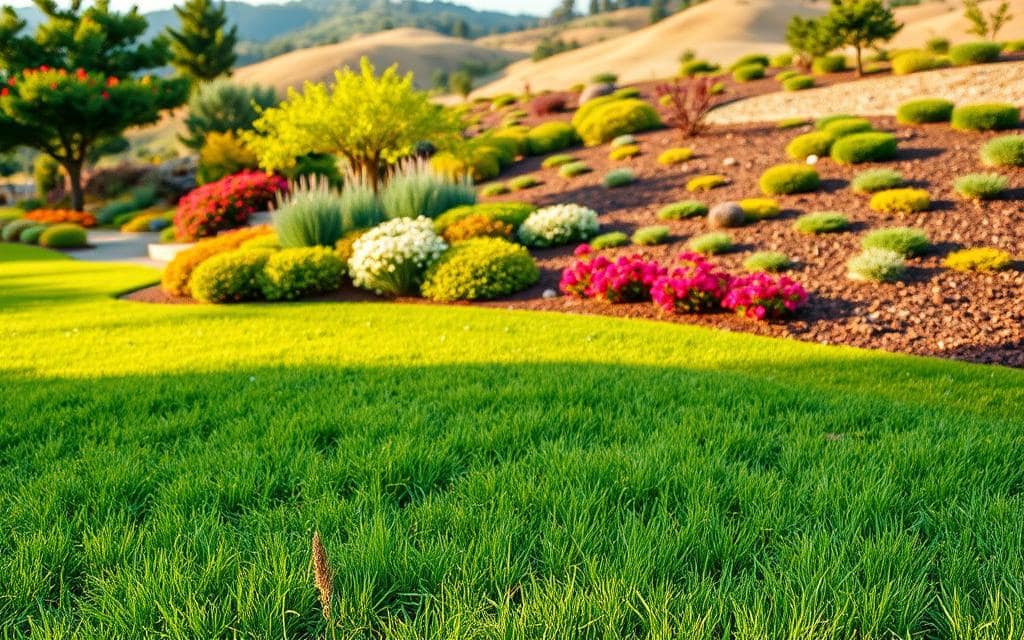
A lush, healthy lawn is one of the most noticeable features of any property. It enhances curb appeal, increases property value, and creates a welcoming outdoor space. But achieving that thick, green turf requires more than just occasional mowing or spot-treating weeds when they appear. Using the right turf fertilizer at the proper time plays a critical role in strengthening grass and supporting long-term turf health. True lawn success comes from understanding how turf health, fertilization, and weed management work together.
Many homeowners focus heavily on killing weeds without realizing that weak turf is the real problem. Weeds don’t invade healthy lawns—they exploit thin, stressed grass. That’s why monitoring turf health while managing weeds is the foundation of any successful lawn care strategy.
In this guide, we’ll break down how to evaluate turf health, recognize early warning signs, choose the best turf fertilizer, implement an effective weed control program, and understand when to apply weed control to lawn areas without damaging grass.
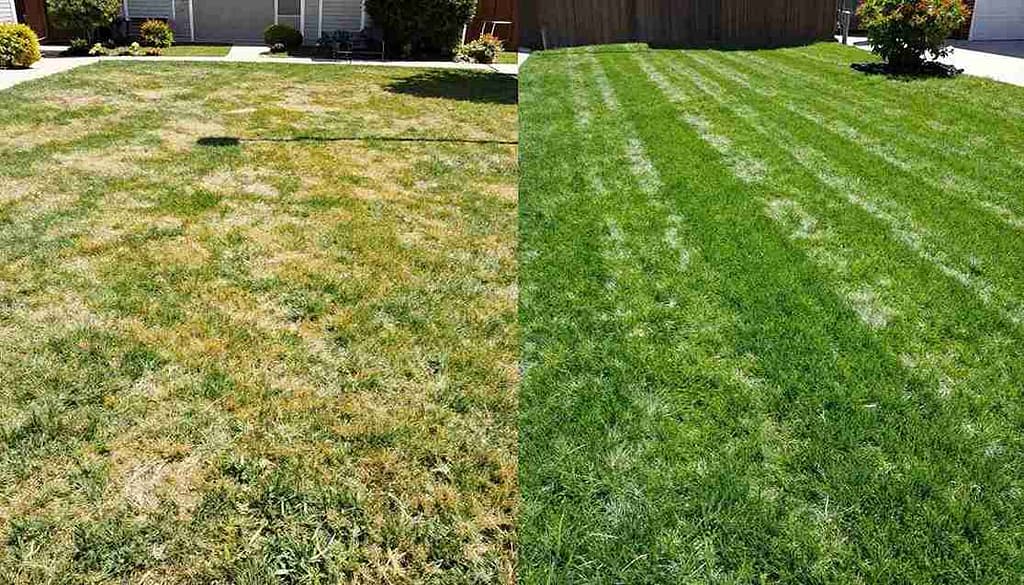
Why Turf Health and Weed Control Must Work Together
Weed control and turf health are not separate goals—they are deeply connected. Weeds thrive in lawns where grass is thin, nutrient-deficient, compacted, or improperly maintained. Killing weeds without improving turf health only creates short-term results.
Healthy turf:
-
- Grows thick enough to crowd out weeds
- Develops deep roots that tolerate stress
- Recovers quickly from mowing and traffic
- Requires fewer chemical interventions
A balanced lawn care approach focuses on strengthening turf through proper fertilization, watering, and maintenance while applying weed control strategically and at the correct times.
Understanding the Basics of Turf Health
Before weeds can be managed effectively, it’s essential to understand what healthy turf actually looks like.
Key Characteristics of Healthy Turf
Healthy grass should exhibit:
-
- Uniform green color (without yellow or pale patches)
- Dense growth with minimal bare soil
- Consistent growth across the lawn
- Strong root systems anchoring grass firmly in the soil
Using a professional turf fertilizer helps ensure grass receives the essential nutrients—nitrogen, phosphorus, potassium, and micronutrients—needed to maintain these characteristics.
Early Signs of Turf Stress You Shouldn’t Ignore
One of the most important aspects of lawn care is early detection. Small turf problems quickly become weed problems if left unaddressed.
Common Turf Stress Indicators
-
- Discoloration: Yellowing or fading grass often signals nutrient deficiencies or poor soil conditions.
- Thinning Grass: Sparse growth allows weeds to germinate easily.
- Uneven Growth: May indicate compaction, irrigation issues, or poor fertilizer distribution.
- Slow Recovery: Grass that doesn’t bounce back after mowing or foot traffic is under stress.
- Monitoring these signs helps you adjust fertilization, watering, or weed control before damage becomes severe.
What Weeds Can Tell You About Turf Health
Weeds are not random—they’re indicators of underlying issues.
Broadleaf Weeds
Dandelions, clover, and plantain often indicate:
-
- Low nitrogen levels
- Poor soil fertility
- Thin turf coverage
Grassy Weeds
Crabgrass and goosegrass commonly appear in:
-
- Compacted soil
- Areas with excessive moisture
- Lawns cut too short
Understanding weed types helps determine whether your lawn needs soil improvement, a change in mowing practices, or a stronger weed control program.
Soil Health: The Foundation of Healthy Turf
Healthy turf begins below the surface. Without healthy soil, even the best turf fertilizer won’t deliver optimal results.
Soil Testing and Nutrient Balance
A soil test reveals:
-
- pH levels
- Nutrient deficiencies
- Organic matter content
Most turf grasses thrive in slightly acidic soil. If pH levels are off, fertilizer efficiency drops and weeds gain an advantage.
Moisture Management
Improper watering is a major contributor to turf stress:
-
- Overwatering encourages shallow roots and weed growth
- Underwatering weakens turf and thins coverage
Deep, infrequent watering promotes stronger roots and better weed resistance.
Choosing the Right Turf Fertilizer
Not all fertilizers are created equal. Choosing the best turf fertilizer depends on your grass type, soil condition, and seasonal needs.
Professional Turf Fertilizer vs Store-Bought Products
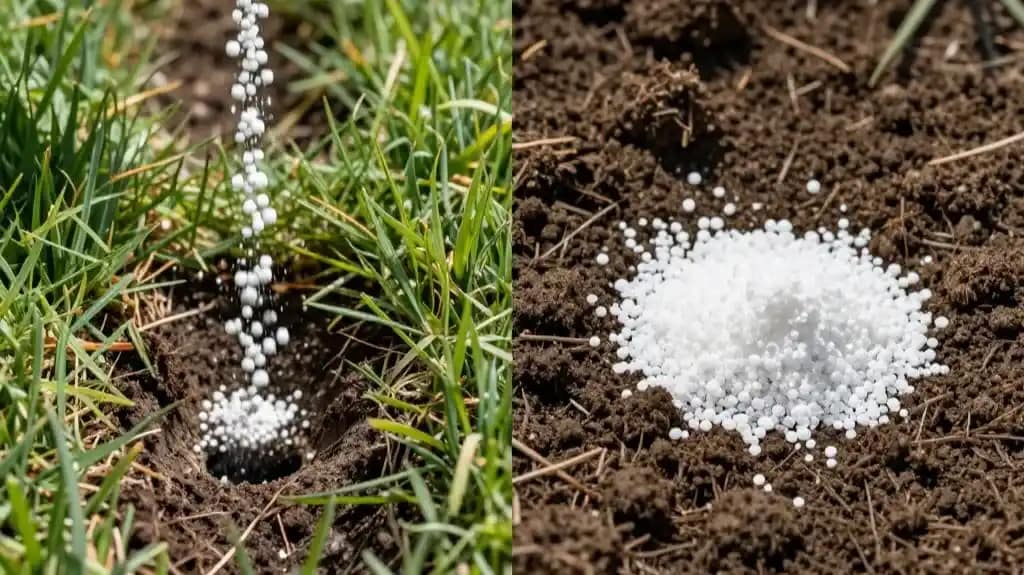
Professional turf fertilizer offers:
-
- Controlled nutrient release
- Balanced formulations
- Reduced risk of burning grass
- Longer-lasting results
Quick-release fertilizers may provide short-term green-up but can weaken turf over time and even feed weeds if misapplied.
Feeding Grass Without Feeding Weeds
The goal of fertilization is to strengthen grass—not stimulate weed growth. Proper timing, correct nutrient ratios, and slow-release formulas are essential.
Building an Effective Weed Control Program
A successful weed control program doesn’t rely on a single treatment. It’s a long-term strategy tailored to turf health, seasonal growth patterns, and weed pressure.
Pre-Emergent Weed Control
Pre-emergents prevent weed seeds from germinating. Timing is critical—applications must occur before soil temperatures reach optimal germination levels.
Post-Emergent Weed Control
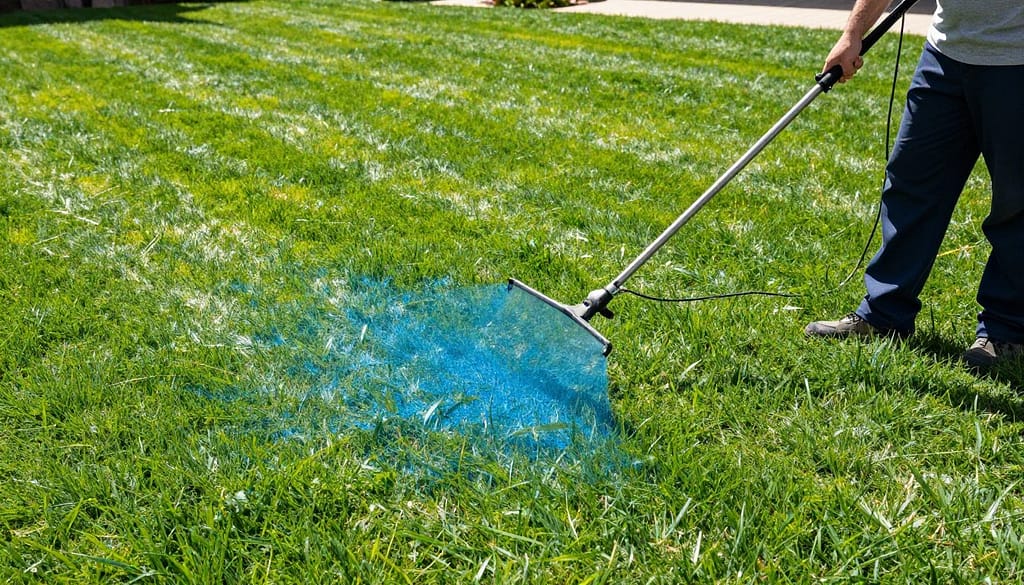
Post-emergent treatments target visible weeds. Spot treatments are often more effective and safer for turf than blanket applications.
Integrated Approach
A complete program combines:
-
- Healthy turf density
- Proper fertilization
- Timely herbicide applications
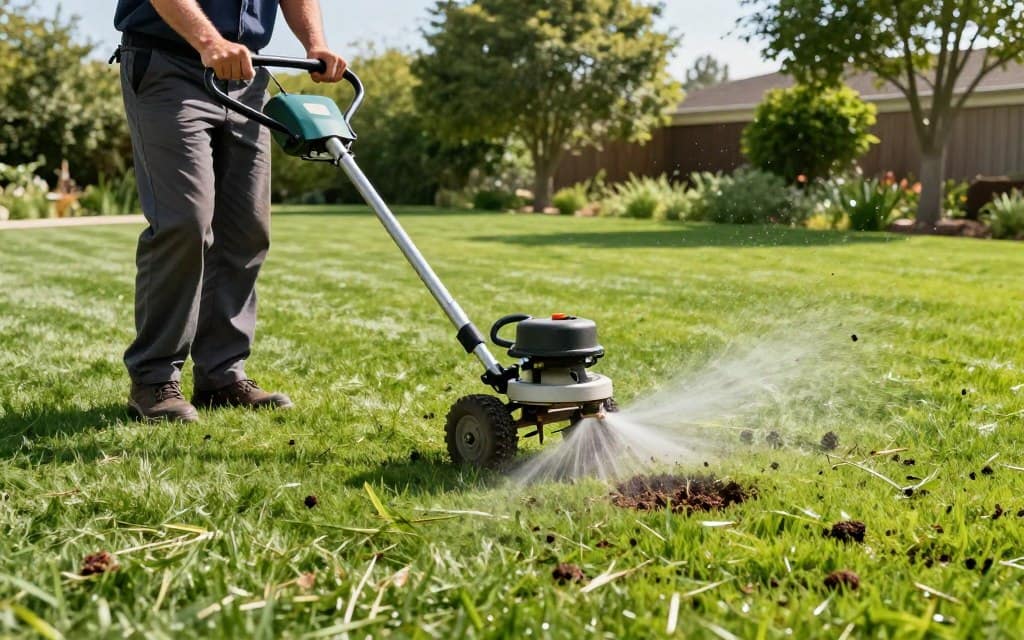
- Cultural practices like mowing and aeration
Even a well-designed wee control program (as many homeowners mistakenly search for) must be supported by strong turf to deliver lasting results.
When to Apply Weed Control to Lawn Areas
One of the most common questions homeowners ask is when to apply weed control to lawn areas without harming grass.
Seasonal Timing Matters
-
- Early Spring: Apply pre-emergents before crabgrass germination.
- Late Spring to Summer: Spot-treat emerging weeds.
- Fall: Ideal time for broadleaf weed control and turf strengthening.
Applying weed control at the wrong time can stress turf, reduce effectiveness, or encourage weed resistance.
Mowing Practices That Support Turf Health
Mowing is often overlooked, yet it plays a huge role in weed prevention.
Best Mowing Practices
-
- Never remove more than one-third of the grass blade at a time
- Keep mower blades sharp
- Adjust mowing height seasonally
Taller grass shades soil, reduces weed seed germination, and promotes deeper roots.
Fertilization Timing and Strategy
Fertilizer timing is just as important as the product used.
Seasonal Fertilization
-
- Spring: Light feeding to support growth without overstimulation
- Summer: Maintenance feeding to reduce stress
- Fall: Heavy feeding to strengthen roots and prepare turf for winter
Using the best turf fertilizer at the correct time maximizes turf density and minimizes weed pressure.
Tracking Turf Health Over Time
Monitoring progress ensures your lawn care plan stays effective.
What to Track
-
- Turf color and density
- Weed frequency
- Recovery after mowing
- Seasonal changes
A proactive approach prevents small problems from becoming major infestations.
When DIY Lawn Care Isn’t Enough
Some lawns require professional intervention due to:
-
- Persistent weed problems
- Poor soil conditions
- Incorrect past treatments
- High-visibility or premium properties
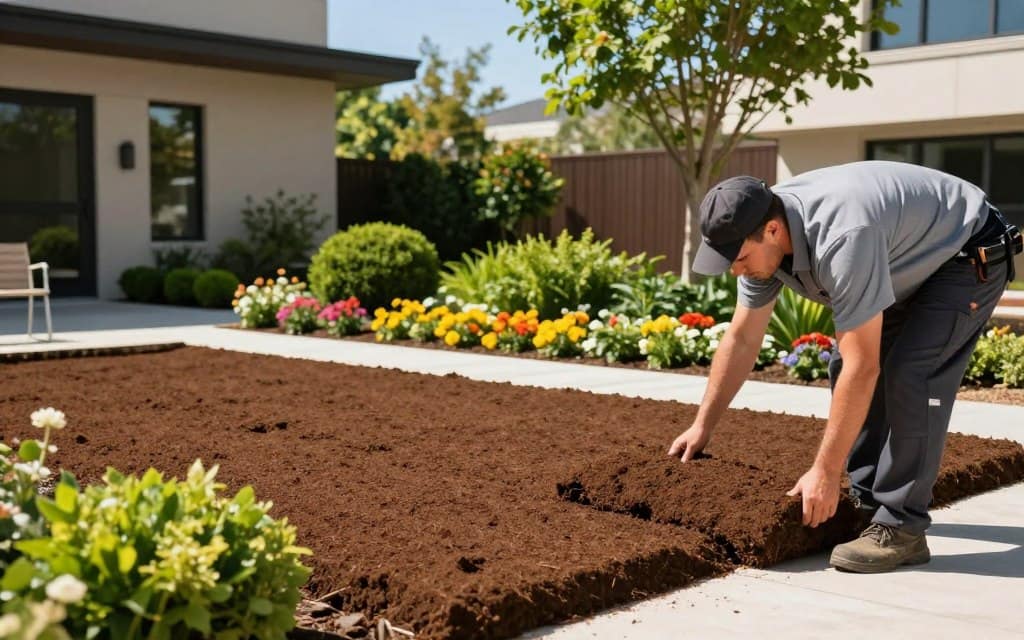
Professionals use calibrated equipment, advanced products, and experience to deliver consistent results that DIY methods often can’t match.
Benefits of Professional Lawn Care Services
Partnering with professionals provides:
-
- Customized fertilization plans
- Seasonally timed weed control
- Access to professional turf fertilizer
- Long-term turf monitoring
- Reduced risk of turf damage
For homeowners who value quality, consistency, and appearance, professional lawn care is an investment—not an expense.
Final Thoughts: A Smarter Way to Manage Turf and Weeds
Monitoring turf health while managing weeds is about balance. Weed control alone won’t deliver a great lawn—but healthy turf supported by proper fertilization, soil care, and strategic treatments will.
By understanding your lawn’s needs, choosing the best turf fertilizer in Dyer, knowing when to apply weed control to lawn areas, and committing to a complete weed control program, you can enjoy a thick, resilient lawn that naturally keeps weeds in check.
If your goal is long-term results—not temporary fixes—focusing on turf health is the smartest strategy you can choose.