


Do you dream of a thick, green yard that makes your neighbors stop and stare? Many homeowners deal with thinning spots and bare patches that traditional watering just cannot fix. It often feels like a losing battle to maintain a beautiful lawn despite your best efforts. Power seeding offers a mechanical solution that mimics the methods used on professional golf courses. This precise process uses specialized equipment to cut tiny rows directly into the soil. It places grass seeds into the earth to ensure they have the best chance to thrive.
Also known as the slit or slice method, this technique ensures superior contact between the seed and the dirt. It creates the perfect environment for new grass growth to take hold quickly. By using this approach, you can achieve a much healthier lawn without the usual frustration of wasted materials.
This guide explains how power seeding works and why it is a smart investment for your lawn. We will walk through the best timing and the equipment needed for success. Get ready to transform your lawn with effective grass care that actually delivers results.
Key Takeaways
- Power seeding uses mechanical tools to plant seeds directly into the soil.
- The process is also called slice or slit seeding in the landscaping industry.
- It provides better seed-to-soil contact compared to traditional broadcast methods.
- This technique is highly effective at fixing bare patches and thinning turf.
- Homeowners can achieve professional-grade results that mimic golf course quality.
- Proper timing is essential to ensure the new grass survives and flourishes.
What Is Power Seeding and How Does It Work?
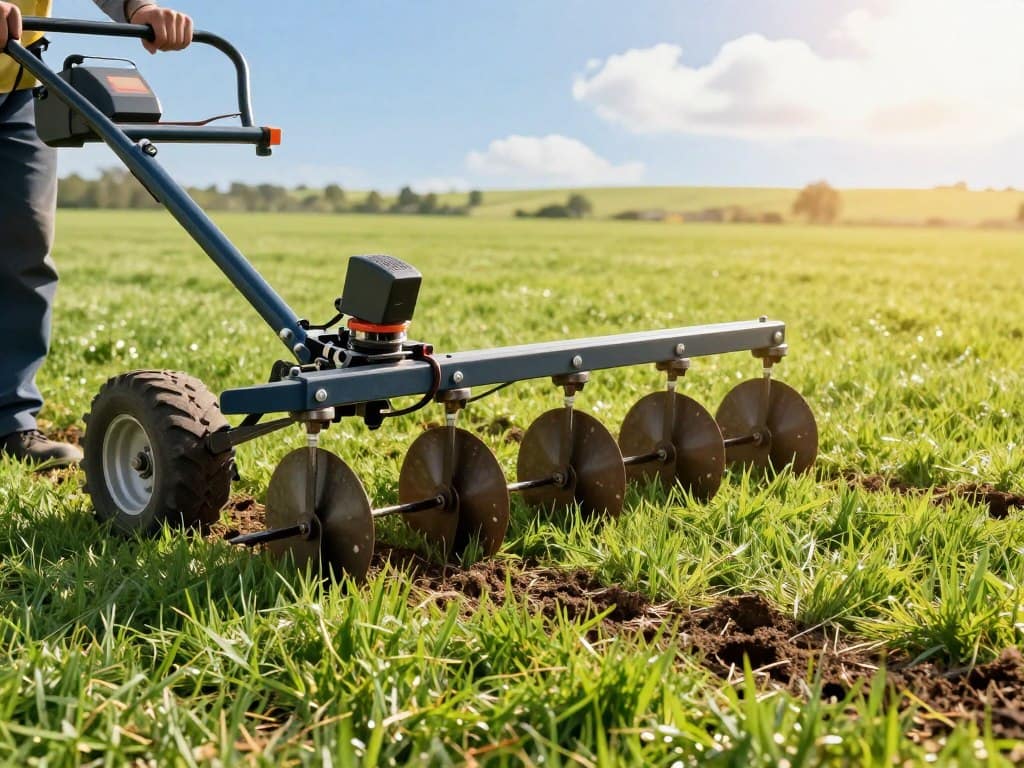
Power seeding, also called slice seeding, is a mechanical process that builds a thicker lawn. It involves a specialized machine that cuts small grooves directly into the soil. This ensures the new growth starts in a protected environment.
The power equipment slices through old grass and thick roots that might block new sprouts. This places the grass seed at a specific depth that promotes fast and healthy growth. It mirrors the methodical way a farmer plants crops in a field.
This method provides much better soil contact than standard seeding, where seeds are just scattered. Direct soil contact is the most critical factor for a seed to sprout successfully. Without it, many seeds simply dry out on the surface.
Professional turf managers use this power technique on golf courses to keep them lush. It allows the grass to grow densely even in high-traffic areas. By using high-quality blends, you can achieve professional results at home.
A specialized machine makes the seeding very efficient and precise. This power tool places every seed into the soil for maximum germination success. It is the best way to transform a thin yard into a vibrant landscape.
| Feature | Traditional Method | Power Seeding |
|---|---|---|
| Technique | Surface Spreading | Slice Seeding |
| Soil Contact | Low contact | High soil contact |
| Success Rate | Moderate | Very High |
Power Seeding vs. Aeration and Overseeding: The Complete Breakdown
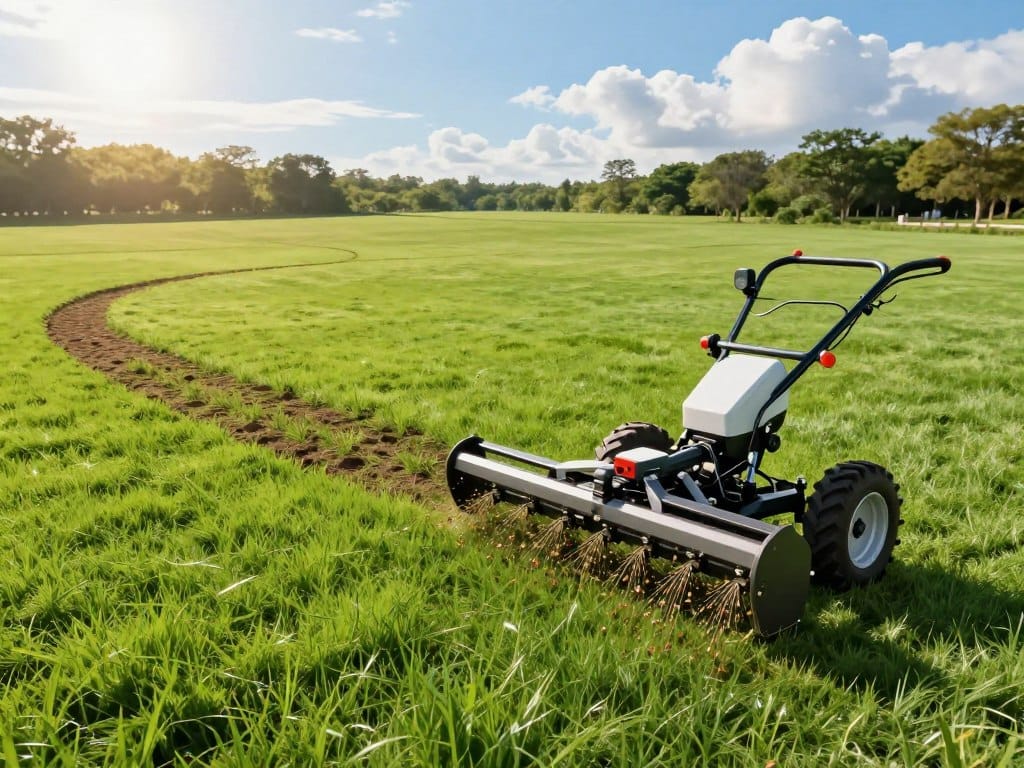
You might think all seeding methods are the same, but the debate of power seeding vs. aeration overseeding reveals major differences. Both techniques aim to grow new grass to revitalize your lawn. However, they use very different approaches to achieve those goals.
In the aeration overseeding process, a machine pulls soil cores to create small holes. A technician then broadcasts seed over the ground, hoping it falls into those spaces. Unfortunately, many of these seeds never reach the holes.
Seeds left on top of the ground often become expensive birdseed. They can also dry out quickly before they have a chance to grow. This is why seeding vs. aeration often leads to disappointing results for homeowners with bare patches.
Turf power seeding works by cutting narrow slits into the soil. The machine plants the seed directly into these rows to ensure vital seed-to-soil contact. This mechanical approach protects the seed from the elements and keeps it moist.
The difference in germination is dramatic. Aeration typically achieves 10-30% germination, while the power seeding method reaches up to 90% in good conditions. You can even see the planted rows, giving you visual proof that the work was done properly.
Using power minimizes waste and ensures faster growth. When comparing power seeding vs. aeration overseeding, the choice is clear for those wanting thick, healthy turf. You get reliable results and a lawn free of dead spots.
| Feature | Aeration Overseeding | Power Seeding |
|---|---|---|
| Primary Method | Pulls soil cores; broadcast seed | Cuts slits and plants a seed |
| Germination Rate | 10% to 30% Success | Up to 90% Success |
| Seed Placement | Sits on top of the ground | Direct contact with the soil |
| Visual Proof | Randomly scattered seed | Clearly defined planted rows |
Top Benefits of Power Seeding for a Healthier Lawn
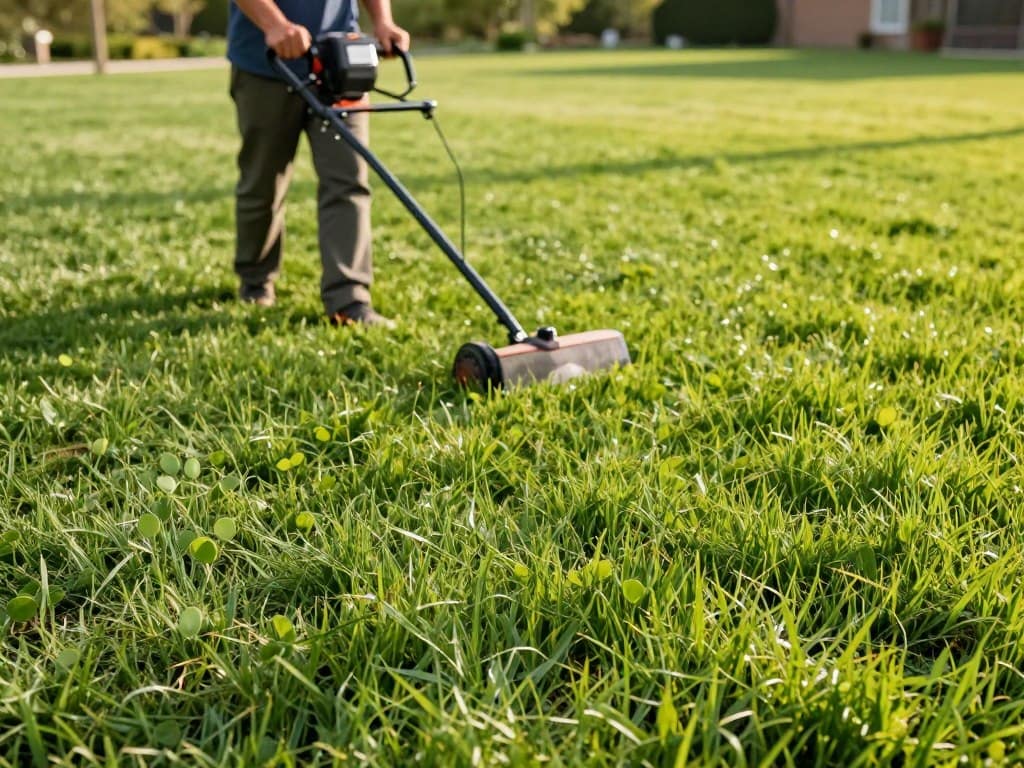
If you want a lush landscape, discovering the many advantages of mechanical seed placement is your first step toward success. Power seeding offers several key benefits that go beyond just adding new grass. The seeding process ensures high germination by placing each kernel directly into the soil where it can thrive.
This method effectively fills in bare spots, creating a thicker turf that looks uniform. A dense yard naturally suppresses weeds because healthy grass crowds out any unwanted weed species. This reduces your need for chemical care and keeps your outdoor space safer.
The power of the machine’s slicing action also helps with aeration, allowing air and water to reach the roots. This specialized seeding tool promotes healthy growth while providing excellent soil contact. Stronger root systems help your lawn survive heat while using water more efficiently.
Professional power seeding helps eliminate bare spots quickly for a better, healthier lawn. These growth improvements create a lawn that is much easier to maintain. This approach to lawn maintenance provides lasting benefits that protect against weeds and improve air circulation. Using mechanical power is a smart choice for any homeowner.
| Main Benefit | Lawn Improvement Result | Environmental Impact |
|---|---|---|
| Precise Placement | Higher germination rates | Less wasted seed resources |
| Thicker Turf | Fills in thin patches | Natural weed suppression |
| Slicing Action | Improved soil aeration | Better nutrient absorption |
| Stronger Roots | Drought resistance | Lower water consumption |
When Should You Choose Power Seeding Over Overseeding?
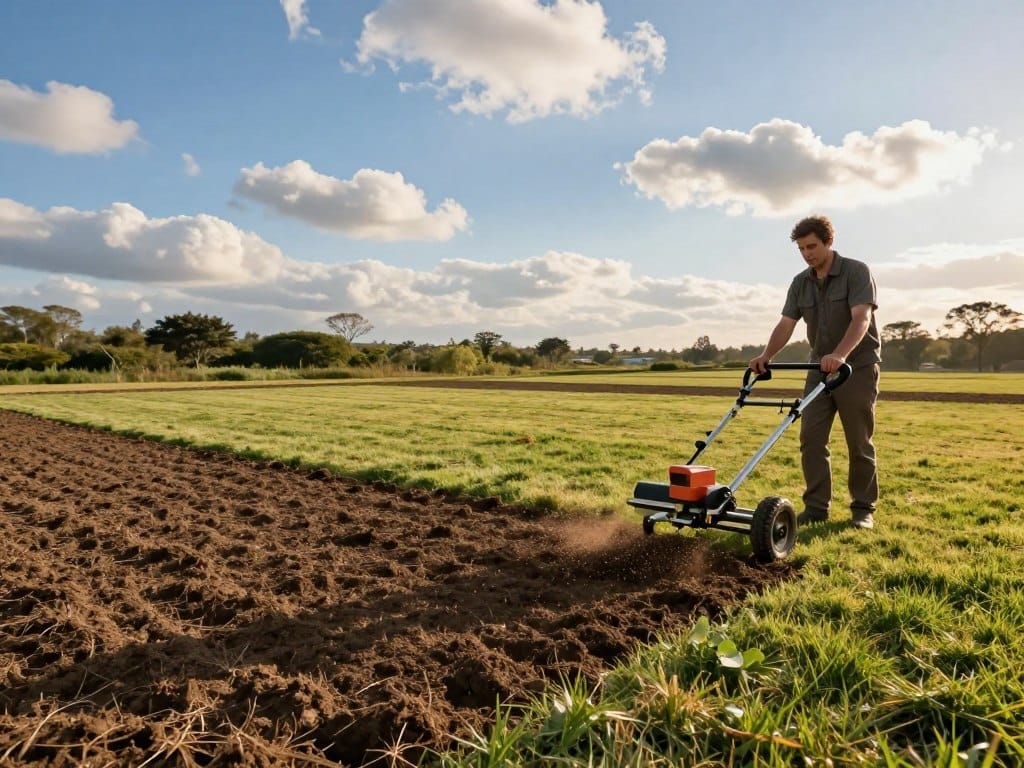
Deciding between power seeding and overseeding depends mostly on your current lawn’s health and your specific goals. If your lawn has significant bare patches, you might wonder if a simple overseeding session will actually fix the problem. Choosing the right method helps homeowners save time and money in the long run.
Homeowners should choose power seeding when the lawn has large dead zones or if you have large patches of dead grass. This power equipment cuts through compacted soil while seeding directly into the ground for better results. It is the perfect choice for a full renovation or when previous seeding attempts failed.
Simple overseeding works best for a mostly healthy lawn that is only starting to thin. If you just have minor thinning or small spots, this cost-effective care step is usually sufficient. It serves as great routine maintenance to keep your grass thick and green for lawns that are already established.
Power seeding provides more reliable germination because the seeds have direct contact with the soil. It is the superior choice for lawns bare of life and helps fix thin spots effectively. If you want faster results on lawns bare of health, use this high-intensity power approach.
| Lawn Condition | Power Seeding | Overseeding |
|---|---|---|
| Bare Ground | Large patches or dead zones | Minimal thinning or small spots |
| Soil State | Cuts through compacted soil | Requires healthy, loose soil |
| Primary Goal | Lawn renovation and repair | Routine health maintenance |
Best Time of Year for Power Seeding Success
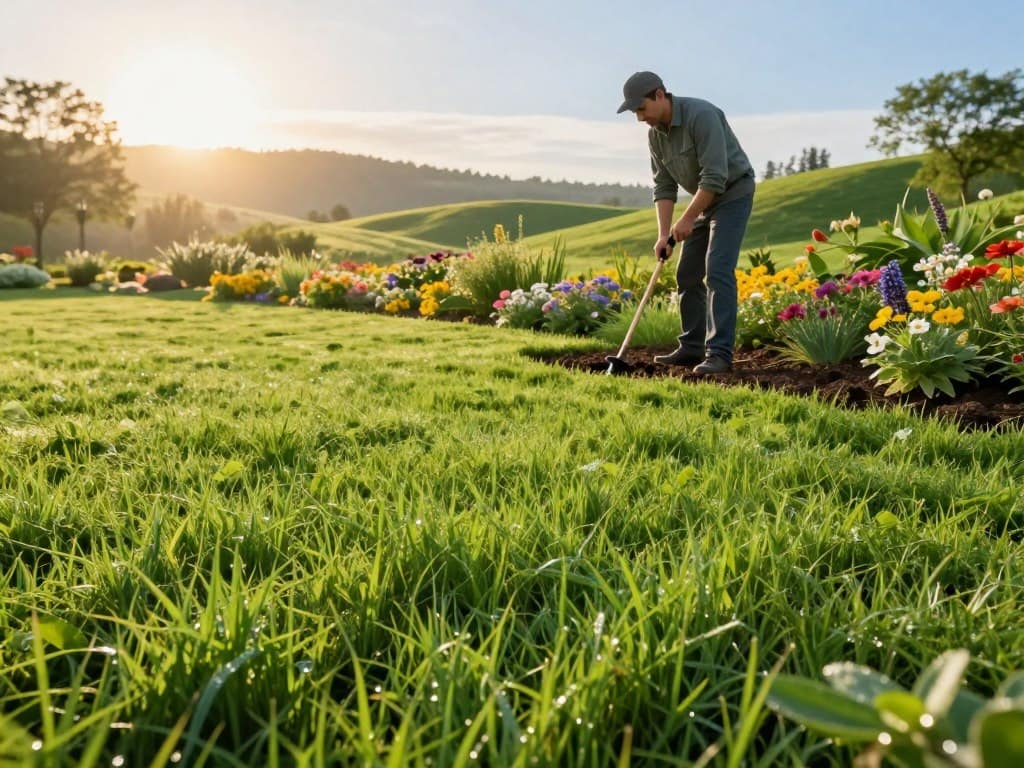
Finding the best time for power seeding ensures your grass grows thick and strong. For many regions, the late summer early fall window offers the most favorable conditions. During this time, the soil stays warm while air temperatures start to decrease. This environment helps seeds germinate quickly and establish deep roots before the winter frost.
This specific balance encourages fast grass growth before the cold winter arrives. Successful seeding requires patience and the right power equipment to reach the root zone. If you are seeding lawn areas in the spring, watch out for heavy weed competition. New seedlings often struggle against aggressive spring weeds and upcoming heat stress.
Cool-season grass growth is best when the late summer early fall conditions begin. For warm-season lawn types, wait for late spring when temperatures hit 65°F. Using power tools at the best time ensures a healthy lawn. Proper power seeding helps new grass thrive as the summer heat fades. Start seeding lawn projects today to maximize growth. Traditional seeding works better in moderate summer weather when moisture levels remain stable.
| Grass Category | Optimal Timing | Ideal Soil Temp |
|---|---|---|
| Cool-Season Grass | Late Summer to Early Fall | 50°F to 65°F |
| Warm-Season Grass | Late Spring to Early Summer | 65°F or Higher |
| Transition Zone | Early September | 60°F to 70°F |
Power Seeding Cost vs. Value: Is It Worth the Investment?
Realistic wide-angle photo of a professional landscaper operating a modern slice seeding machine on a residential lawn, showing the machine’s blades engaging with the soil and fresh grass seeds being deposited, vibrant green background, natural daylight, 4k.
Investing in your lawn often comes down to choosing between a quick fix and a long-term solution. Power seeding costs more than traditional aeration overseeding because it uses a specialized machine and requires more labor. This power method provides better care than simple aeration.
The higher price reflects the extreme precision. A slice seeding process cuts directly into the soil to place the seed at the perfect depth. This specialized seeding ensures grass grows even in tough spots.
This method results in a germination rate up to 90%, which is much higher than standard methods. Homeowners get more value because this power approach prevents waste. You see better results from every seed planted.
While aeration overseeding is great for routine upkeep, power seeding acts like a full lawn renovation. It is perfect for reviving heavily compacted soil. Strategic seeding on bare patches helps your grass thrive.
If you have a large property, you can use power seeding selectively to manage your budget. This smart use of power tools keeps costs down. It is a great choice for homeowners wanting a healthy lawn.
Professional seeding reduces the need for repeat work. Regular aeration is good, but slice seeding offers a permanent fix.
Conclusion
Achieving a beautiful yard requires the right process, and power seeding delivers exactly that. This method provides superior seed-to-soil contact for better germination than traditional overseeding. By cutting rows into the ground, the slice seeding process places grass seed where it needs to be. This helps fill bare spots and thin spots while providing air to the soil in your lawn.
Power seeding costs more upfront, but the results are worth it for healthy lawns. You will see new grass growth within 7 to 21 days with proper care and watering. Perform this seeding lawn task every 1-2 years to maintain thick grass and natural weed control. This approach keeps your property green without the need for harsh chemicals.
Plan your time for late summer to give new grass the best start. Using power and the right seeding technique, your yard stays lush all year. Combined with core aeration, power seeding helps lawns thrive through consistent growth. This power-driven seeding and aeration cycle proves why power seeding is best. Regular seeding keeps the grass healthy and uses power to spread grass seed in bare spots. Ready to revive your lawn? Contact your local power seeding professionals today to restore bare spots and bring your grass back to life.