


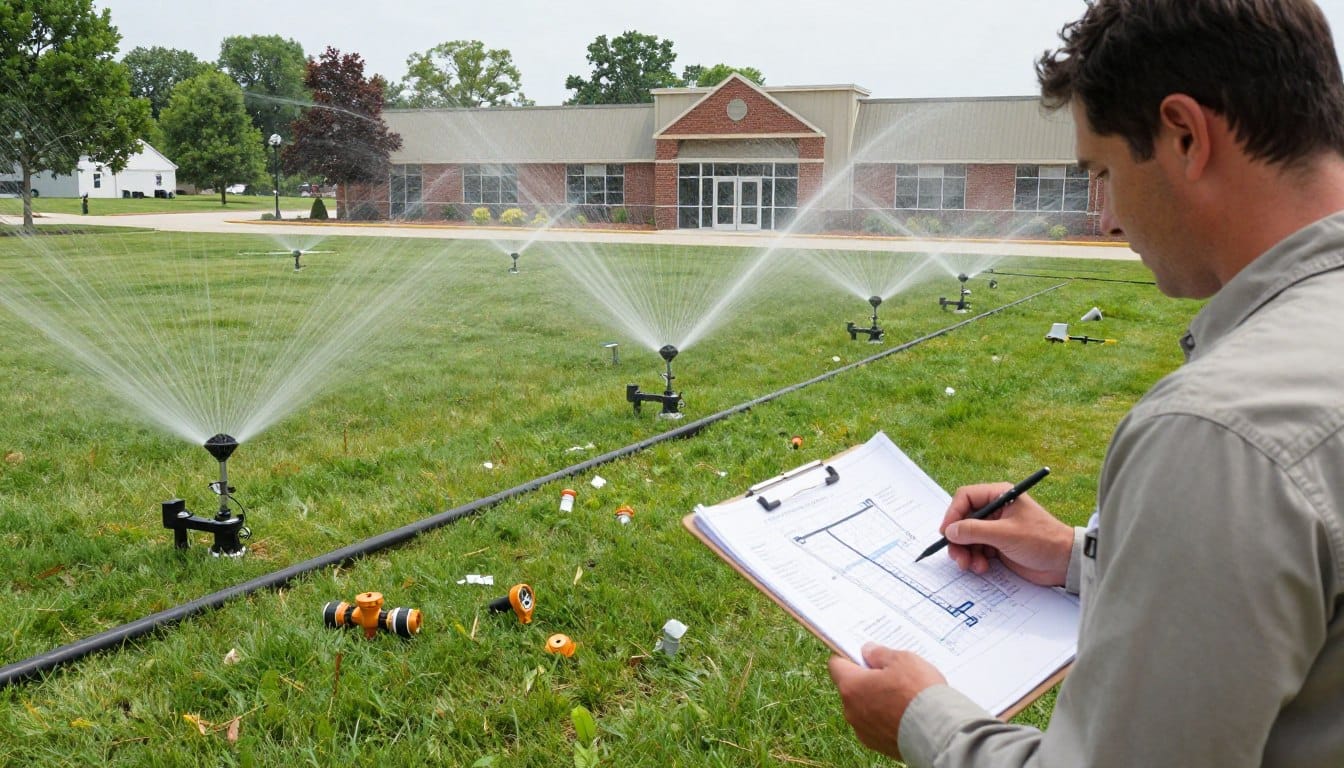



The best lawn care routine mows cool-season grass at 3–4 inches and follows the 1/3 rule, waters 1–1.5 inches weekly in 2–3 deep sessions, and uses four seasonal feedings guided by soil needs.
Connecticut homeowners need year-round lawn care that coordinates mowing, irrigation, feeding, soil checks, and seasonal changes. Cool-season turf grows most actively in spring and fall, so the routine must respond to weather, shade, drainage, and drought stress.
Quick answer: Keep the lawn tall enough to protect the root zone, water deeply rather than shallowly every day, and fertilize according to soil-test results. The weekly water target includes rainfall and may change with grass type, soil, slope, shade, and local restrictions.
Property size, slopes, trees, beds, driveways, and drainage influence the right plan, service price, and time required. Consistent lawn mowing supports turf density, while cutting too short can increase heat stress, weed pressure, and moisture loss.
For a tailored address-based plan, review Connecticut lawn care services and professional lawn care services from CT Lawn, a local lawn care company serving Connecticut homeowners.
Key Takeaways
- Set the lawn mowing height at about 3–4 inches and remove no more than one-third of the blade.
- Water the grass deeply, usually 2–3 times weekly when needed.
- Use four seasonal feeding windows only when soil and turf conditions support them.
- Inspect soil compaction, drainage, shade, and runoff before selecting a service.
- Seasonal lawn care saves time and supports a healthier yard.
What Makes a Lawn Care Routine Work in Connecticut?
Connecticut follows a New England growth cycle: cool-season grass is usually most active in spring and fall, slows during summer heat, and may become dormant during winter. These facts make a flexible local lawn care plan more effective than repeating one schedule all year.
How Cool-Season Grass Responds to New England Weather
Kentucky bluegrass, fine fescue, perennial ryegrass, and tall fescue are common cool-season turf choices. Each responds differently to shade, moisture, foot traffic, and temperature, so a lawn care company should assess the site before recommending treatment.
Why Connecticut Soil and Drainage Affect Lawn Health
Compacted or clay-heavy soil can restrict roots and reduce water movement. Shade and poor drainage may contribute to thin turf, moss, disease, runoff, or standing water. Observe the yard after storms before choosing aeration, seeding, irrigation, or another care service.
| Site factorCommon signPractical response | ||
| Soil compaction | Hard ground, runoff, or weak growth | Assess the root zone and consider aeration |
| Poor drainage | Standing water after rain | Check grading and irrigation coverage |
| Local conditions | Uneven growth across the lawn | Seek an informed professional service |
How Often Should You Mow Your Lawn?
Timing matters more than speed when managing Connecticut turf. The right mowing schedule follows grass growth, soil moisture, temperature, and weather rather than a rigid calendar. During peak spring and fall growth, many lawns need lawn mowing about once a week. Slow growth during summer heat, drought, or winter may require fewer visits.

What Is the Ideal Lawn Mowing Height?
Set the mower deck to about 3–4 inches for most established cool-season grass, adjusting slightly for the turf variety and season. Taller blades shade the soil, protect the root zone, support deeper roots, and help the yard tolerate summer heat. Follow the one-third rule: remove no more than one-third of the blade during one mowing job. Mow when the grass is approximately one-third taller than the desired final height.
Cutting below the recommended lawn mowing height can scalp the lawn. Scalping exposes soil, weakens roots, increases moisture loss, and allows more sunlight to reach weed seeds. Avoid removing extra height in an attempt to reduce future mowing. Consistent, moderate mowing produces better turf density and quality than occasional severe cuts.
How Should You Mow Without Damaging the Grass?
Mow only when the surface is dry enough to support equipment. Saturated soil is easily compacted, especially on clay-prone sites, and tires can leave ruts. Keep mower blades sharp so they make clean cuts instead of shredding grass. Alternate mowing direction from week to week, overlap passes slightly, and avoid turning sharply on soft turf.
During active growth, inspect the lawn each week and schedule mowing before blades become excessively tall. Rain, temperature, grass type, shade, slope, and yard size can change the frequency. A local service can adjust visits when weather interrupts the maintenance plan.
For seasonal timing, review this Connecticut mowing schedule. A professional lawn care service can also coordinate lawn mowing with property size, weather, and other services.
- Edge sidewalks, driveways, and garden beds after mowing.
- Use trimming around fences, trees, and beds to keep grass from spreading.
- Blow clippings from paved surfaces, drains, and walkways.
- Leave fine clippings on the lawn when they are evenly distributed; remove heavy clumps that block light.
Clean finishing work is an important part of lawn maintenance. Compare recent reviews, equipment standards, scheduling, and cleanup expectations before hiring a provider. Use this yard maintenance guidance to evaluate the scope of work and choose a suitable mowing service.
How Much Water Does Your Lawn Need?
Most established Connecticut lawns need approximately 1–1.5 inches of water per week, including rainfall. Deliver that amount in two or three deep watering sessions rather than shallow daily sprinkling. A smart lawn care plan keeps water moving into the root zone while limiting runoff, waste, and disease.
What Is the Best Lawn Watering Schedule?
Water less often, but apply enough moisture to reach several inches into the active root zone. Before you water, insert a screwdriver or soil probe several inches into the ground. If the soil is dry and difficult to penetrate, the lawn may need water; if it remains wet, delay irrigation. Rain, shade, slopes, soil type, and grass maturity can change how quickly a yard dries.
Water established grass in the early morning, ideally between 4:00 AM and 8:00 AM. This timing reduces evaporation and gives foliage time to dry during the day. The goal is not a rigid clock time but avoiding prolonged overnight leaf wetness, which can increase fungal disease risk. New seed and sod need more frequent, lighter watering until roots establish, while sandy soil may need shorter cycles and clay soil may need slower application.
- Measure irrigation with a rain gauge or several straight-sided containers placed around the lawn.
- Reduce watering when recent rain has supplied part of the weekly total.
- Watch for folded blades, dull color, and footprints that remain visible as signs of underwatering.
- Watch for puddles, algae, runoff, and persistently soft soil as signs of overwatering or drainage trouble.
- Check municipal watering restrictions before setting an irrigation schedule.
Uneven coverage may indicate blocked sprinkler heads, leaks, slope-related runoff, or compacted soil. Correct the irrigation problem before adding more water. Homeowners can follow this proper watering guide and explore landscape services for a customized lawn service plan. You can also find CT Lawn on Google Maps to review its local service area. Professional care services can help with irrigation checks, soil conditions, and seasonal lawn maintenance when the yard requires more time or specialized equipment.
When Is the Best Time to Apply Fertilizer?
Effective lawn feeding starts with observation and soil data, not a calendar alone. Connecticut cool-season grass needs nutrients during active growth, but the right application depends on soil-test results, turf variety, weather, moisture, and local fertilizer regulations.
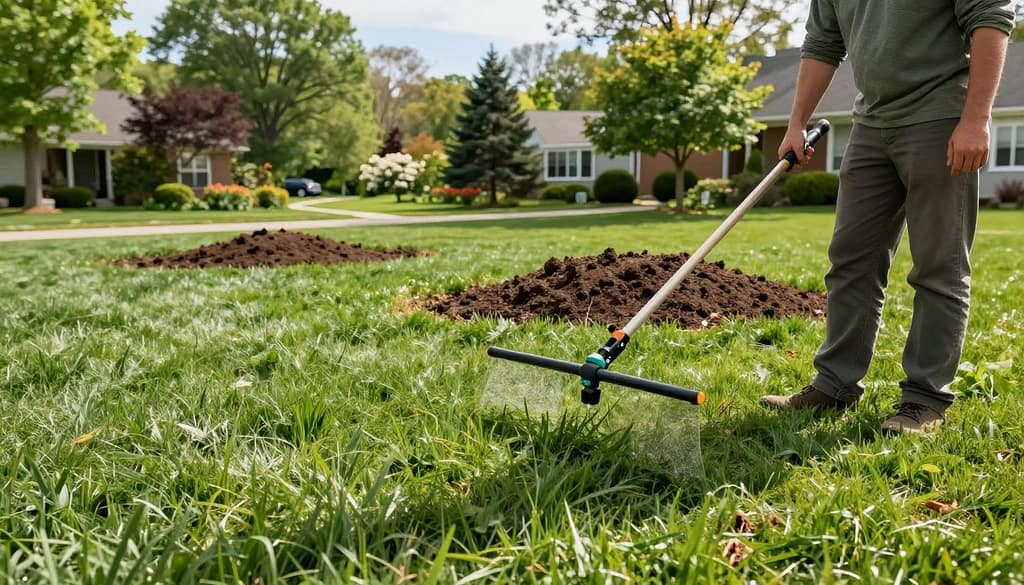
What Should a Connecticut Lawn Feeding Schedule Include?
A four-stage lawn feeding schedule can organize the year, but it is not permission to apply fertilizer automatically. Early spring applications should occur only when soil testing and turf condition support them. Avoid excessive nitrogen, which can produce weak, rapid top growth before the lawn is ready to use the nutrients.
Late spring is a common window for supporting active growth. Apply the selected product at the label rate with a calibrated spreader and suitable soil moisture. Summer feeding requires caution: skip or reduce applications during heat, drought, disease, or dormancy. Fall is often the most useful period for recovery, root development, and preparation for winter. Never fertilize immediately before major rain, and follow Connecticut water-protection rules near waterways.
Coordinate feeding with mowing, irrigation, overseeding, and aeration. Fertilizer cannot correct soil compaction, poor drainage, inadequate sunlight, or faulty irrigation. More product does not create a healthier lawn; excess nutrients can burn turf, increase unnecessary growth, and wash into stormwater.
How Do N-P-K and Soil Testing Guide Lawn Treatment?
The three numbers on a fertilizer label describe N-P-K: nitrogen supports green leaf growth, phosphorus supports roots and plant development, and potassium supports overall stress tolerance. A soil test can measure pH and nutrient levels before you choose fertilizer, lime, or another treatment. Shaded, sandy, clay-heavy, renovated, and heavily used areas may need different care.
- Use soil-test facts to select a product and application rate.
- Match nitrogen levels to current turf vigor and seasonal growth.
- Use a calibrated spreader and follow every product label.
- Keep fertilizer off sidewalks, driveways, drains, and paved surfaces.
- Record each job to prevent repeated feeding or excessive applications.
Homeowners who have time and suitable equipment can manage simple feeding. A lawn care company can provide professional lawn care services when accurate soil interpretation, weed control, aeration, or precise fertilizing is needed. For local guidance, explore professional yard maintenance and review CT Lawn’s landscape services before comparing service scope, pricing, and quality. Experienced pros can help a company build a responsible lawn care plan that protects the yard and reduces avoidable maintenance.
How Should You Adjust Lawn Care by Season?
Connecticut yards need a flexible seasonal lawn care routine because temperatures, rainfall, and grass growth change throughout the year. Use this calendar to coordinate cleanup, irrigation, lawn mowing, trimming, feeding, and landscaping without repeating the same job every week.
| SeasonPrimary lawn care focusActionable maintenance | ||
| Spring | Assess and restart growth | Remove winter debris, test soil, inspect equipment and drainage, prevent weeds when appropriate, and repair bare areas. |
| Summer | Manage heat and moisture | Keep suitable mowing height, water deeply, monitor drought stress, and limit traffic during hot or dry periods. |
| Fall | Strengthen roots before winter | Complete leaf removal, aerate compacted soil, overseed thin areas, and apply measured feeding when conditions support it. |
| Winter | Protect dormant turf and equipment | Avoid traffic on frozen or saturated grass, shut down irrigation before freezing weather, service equipment, and plan spring work. |
What Should You Do for Connecticut Lawns in Spring?
Remove winter debris, inspect drainage, and repair bare spots after the lawn begins to dry and green up. Test soil before applying lime or fertilizer, inspect mower blades and irrigation equipment, and use a weed-prevention strategy suited to the turf and site. Spring cleanup can reveal winter injury, compaction, or drainage problems that need a targeted service.
How Should You Manage Summer Heat Stress?
Raise the mowing height when appropriate, water deeply in response to soil moisture, and limit foot traffic during hot periods. Watch for folded blades, faded color, and heat-related dormancy. Adjust irrigation after rain or during dry spells, and avoid unnecessary treatments when grass is dormant or under severe stress.
What Lawn Care Is Most Important in Fall and Winter?
Schedule leaf removal before thick layers block light and air or remain wet against the turf. Fall core aeration can relieve compaction, while overseeding and measured feeding may support thin lawns during active growth. In winter, protect the yard by avoiding traffic on frozen grass, completing irrigation shutdown, maintaining equipment, and planning the next season.
Choose maintenance according to soil, grass type, drainage, shade, and weather rather than a fixed calendar. A weekly inspection does not mean every lawn needs weekly treatment; it means problems can be identified before they become expensive.
What Lawn Maintenance Tasks Should Happen Between Mows?

Small checks between visits can stop minor defects from becoming costly repairs. Add a quick lawn care review to the weekly routine, especially after storms, heavy foot traffic, or major weather changes.
- Look for weeds, animal damage, fallen branches, leaks, puddles, and bare spots.
- Clean and sharpen mower blades after each lawn mowing session. Sharp blades create cleaner cuts and reduce tissue damage and turf stress.
- Clear light leaf and branch debris before it blocks sunlight, airflow, or drainage.
- Check paths, fences, beds, and tree bases before the next mowing job.
Routine observations save time and help determine whether a lawn needs mowing, irrigation adjustment, trimming, aeration, or another service. A local lawn care company can combine these checks with seasonal maintenance when a property has complex access, drainage, or landscaping needs.
For spring preparation, review professional yard cleanup options and explore CT Lawn’s landscape services for coordinated care.
| CheckWarning signHelpful action | ||
| Grass surface | New bare spots, thinning, or pale growth | Inspect soil, shade, traffic, and nutrient needs |
| Irrigation | Leaks, puddles, runoff, or dry patches | Adjust or repair coverage and check drainage |
| Edges | Blocked paths or spreading grass | Clear debris and complete careful trimming |
How Can You Protect Grass From Connecticut Lawn Problems?
Healthy turf starts with diagnosis, not guesswork. Thinning blades, yellow patches, mushrooms, weeds, insect activity, and runoff can have several causes. Damage near trees or shaded structures may indicate low light, poor airflow, soil compaction, excess moisture, or irrigation problems, but one symptom is not a definitive diagnosis.
Begin with safe observations: check soil moisture and drainage, inspect sprinkler coverage, assess sunlight, and look for traffic or pet damage. Build resilience with correct mowing, soil testing, aeration, balanced irrigation, and responsible lawn care. Correct sprinkler coverage before applying products, and consult University of Connecticut Extension for science-based turf guidance. Follow Connecticut licensing, fertilizer, pesticide, and water-protection requirements.
- Ask licensed treatment specialists about widespread weeds, insects, or suspected disease.
- Follow every product label and protect children, pets, waterways, and pollinators.
- Inspect drainage before beginning a treatment job or adding irrigation.
- Contact a professional if bare spots persist, standing water recurs, the property is steep, or soil remains compacted.
- Coordinate debris removal, tree trimming, and landscaping near grass.
Mushrooms may indicate moisture or decaying organic matter, but they do not automatically require fungicide. Choose each service according to symptoms and site conditions rather than applying products without a clear reason. CT Lawn can be considered for custom soil evaluation, weed control, aeration, and precise fertilizing schedules where those services are available.
| SymptomPossible concernFirst response | ||
| Runoff or puddles | Drainage, grading, or sprinkler issue | Inspect soil, grading, and irrigation coverage |
| Thin, pale growth | Shade, compaction, nutrient, or moisture stress | Assess light and soil before choosing treatment |
| Mushrooms or insects | Moisture, organic matter, or pest pressure | Seek a qualified evaluation before treatment |
Which Extra Care Services Can Improve Your Yard?
A complete property plan includes more than routine mowing. Cleanups, mulching, bed weeding, tree trimming, aeration, and gutter cleaning can support the yard while improving the broader landscape. Leaf removal helps prevent wet layers from blocking light and smothering grass, while gutter cleaning is a home-exterior service that helps direct roof runoff away from foundations, walkways, beds, and weak turf.

Edging, mulch renewal, irrigation repairs, sod installation, and outdoor lighting may also improve a home that needs broader landscaping work. Prices vary by property size, access, materials, labor, and job scope, so request written pricing instead of relying on a general price range.
Bundle seasonal work to save weekend time, coordinate bed, tree, drainage, and turf maintenance, and ask one company whether it can manage related services. This approach can simplify scheduling while ensuring that lawn service and exterior property work do not conflict.
- Bundle seasonal work to reduce repeated visits.
- Coordinate bed, tree, drainage, and turf maintenance.
- Confirm which company is responsible for each service and disposal task.
For spring planning, review professional yard cleanup options and explore CT Lawn’s landscaping services. A qualified team can help match maintenance, leaf removal, gutter cleaning, and other care services to the property’s actual needs.
| Extra taskProperty benefitBest timing | ||
| Leaf removal | Protects grass from smothering | Fall and after storms |
| Gutter cleaning | Helps control roof runoff | Spring and fall |
| Aeration | Relieves soil compaction | Active growth periods |
Should You Hire a Lawn Care Company or Maintain the Yard Yourself?
Choosing between DIY work and professional lawn care services depends on your property, schedule, equipment, and comfort with maintenance. DIY lawn mowing may cost less for a small, level yard when you have a reliable mower, storage space, and time each week. A company may be more practical for a large, steep, or complex lawn.
DIY care also requires fuel, blade sharpening, clipping disposal, seasonal equipment storage, safe product handling, and the knowledge to identify weeds, compaction, drainage, and irrigation problems. Professional lawn care services provide scheduled visits, commercial equipment, trained teams, consistent lawn mowing, and coordinated seasonal work. Consider a professional service when recurring weeds, uncertain fertilizer needs, poor drainage, steep slopes, or limited time make routine care difficult.
Before booking lawn care services, check recent reviews, insurance, licensing, service area, and the exact scope of each job. Ask whether the provider handles edging, trimming, clipping cleanup, bagging, disposal, and weather-related rescheduling. Request an address-based price and compare pricing by lawn size, visit frequency, and included services. See this DIY versus professional lawn care services and service value guide before deciding.
| ChoiceBest fitCheck first | ||
| DIY | Small, level yard and flexible schedule | Equipment, safety, disposal, and time |
| Professional | Large yard, steep property, or limited time | Scope, pricing, insurance, and reviews |
| Either option | Routine weekly lawn mowing | Visit schedule and cancellation terms |
What Should You Look for in Lawn Care Services?
A trustworthy provider should offer more than a low price. Look for local lawn care knowledge, clear communication, proof of insurance, appropriate licensing, and consistent results. Connecticut yards need plans that fit cool-season turf, winter recovery, summer stress, soil type, drainage, and neighborhood access.

How Do Reviews, Experience, and Guarantees Build Trust?
Read recent reviews for specific details, not only star ratings. Look for comments about arrival times, lawn mowing quality, edging, cleanup, property respect, treatment communication, and repeat visits. Ask how pros handle fences, pets, children, gardens, slopes, irrigation, and outdoor structures.
Confirm the guarantee in writing, including deadlines, rework terms, refunds, exclusions, and the process for reporting a concern. Also ask who performs the work, how the team communicates, and whether the company will document changing lawn conditions. A clear agreement reduces confusion and helps protect your home and yard.
For broader guidance, review this full-service maintenance comparison. When you are ready, contact CT Lawn to request a property-specific quote for lawn service, seasonal care, and related services.
| CheckWhat to confirmWhy it matters | ||
| Experience | Connecticut turf and seasonal knowledge | More suitable lawn care decisions |
| Protection | Insurance and property coverage | Reduced financial risk |
| Guarantee | Deadline, refund, and rework terms | Clear customer protection |
How Does Professional Lawn Service Simplify Property Care?
Outsourcing routine yard work gives homeowners more time and fewer weekly chores. Recurring lawn mowing removes equipment setup, fuel purchases, clipping disposal, and weather-based planning. Pros can adjust visits when grass growth or rain changes the schedule.
A single company may coordinate care services across the property. Options can include fertilization, leaf removal, aeration, trimming, landscaping, and seasonal cleanups. One service relationship makes planning easier and can improve consistency without promising superior results automatically.
Before hiring, ask about communication, payment, gate access, pet instructions, and the best phone contact. Confirm exactly what each visit includes and whether a quality guarantee covers missed details.
- Check recent reviews for punctuality, cleanup, and communication.
- Confirm insurance, licensing, and property protection before work begins.
- Ask whether the guarantee covers missed details or required rework.
Choose CT Lawn when the property needs dependable lawn care, coordinated maintenance, or a team to manage seasonal jobs. Request a quote with your address, lawn size, current concerns, preferred schedule, and requested services.
| FeatureHomeowner benefitWhat to verify | ||
| Recurring visits | Less weekly planning | Weather adjustments and visit frequency |
| Professional equipment | Consistent mowing and efficient work | Equipment standards and cleanup |
| Protection policy | Added financial confidence | Insurance and coverage terms |
What Can You Expect When Requesting a Quote From ctlawn.net?
When a Connecticut homeowner requests a quote from ctlawn.net, specific details help the company price the job fairly. Provide your property address, lawn size, grass type if known, slopes, shade, irrigation, access notes, preferred time, and current lawn problems.
List the work you need, such as lawn mowing frequency, edging, clipping cleanup, fertilization, leaf removal, gutter cleaning, landscaping, aeration, weed control, or one-time seasonal jobs. A clear scope helps local pros plan routes across nearby neighborhoods and bring suitable equipment.
Ask about arrival windows, rain policies, recurring visits, payment options, insurance, licensing, guarantees, and recent reviews. Confirm whether the service includes trimming, cleanup, bagging, disposal, and treatment follow-up. You can also discuss work for another home or several yards.
Before scheduling, compare the quoted price with the work included rather than relying on a generic lawn service average. Ask whether the team will inspect soil, drainage, turf condition, and irrigation before recommending additional services. You can find CT Lawn on Google Maps and review its local service area.
Confirm the guarantee and how reviews are handled. Request written terms for cancellations, weather delays, payment, rework, and any refund policy. These details make the quote easier to compare and help prevent unexpected costs.
Visit ctlawn.net to request a Connecticut lawn care services quote tailored to your property.
Contact ctlawn.net today by phone to discuss lawn care, mowing, seasonal needs, and professional lawn care services with a local team.
Conclusion
A dependable Connecticut seasonal lawn care routine combines the three essentials: maintain the correct lawn mowing height, water deeply according to soil conditions, and follow a lawn feeding schedule based on testing and active growth. Most established cool-season lawns are generally kept at 3–4 inches, receive about 1–1.5 inches of water weekly including rainfall, and benefit from carefully timed rather than excessive fertilizer.
Inspect the lawn throughout each season. Remove leaves in fall, aerate compacted soil when appropriate, prepare irrigation before freezing weather, and respond to summer heat or drought instead of following an inflexible calendar. A complete plan may pair lawn mowing with fertilization, aeration, cleanups, gutter work, weed control, or landscaping.
Before choosing help, compare local experience, recent reviews, insurance, clear pricing, scheduling options, communication, service scope, and guarantee terms. For package ideas, review this maintenance package guide.
DIY lawn maintenance may suit a small, level property and a homeowner with suitable equipment and time. Professional lawn care services are especially useful when a lawn has complex soil, drainage, slope, weed, irrigation, or scheduling needs. CT Lawn can help homeowners discuss soil testing, weed control, aeration, and precise fertilizing schedules where applicable.
Request a quote from ctlawn.net and share your property size, grass condition, seasonal needs, and preferred schedule.