



Welcome to your essential guide for preparing your property before the winter chill arrives. Taking action now ensures your residence stays protected and ready for the next growing cycle. A little bit of work today saves you massive time and effort once the warm weather returns. This comprehensive approach covers all yard tasks, from managing leaves to winterizing expensive equipment. We designed this list to ensure nothing gets overlooked during this critical season of transition. These small steps will provide peace of mind throughout the snowy months. A proper fall clean-up is about much more than just keeping the lawn looking neat. It protects your home foundation from water damage and prevents pests from finding a winter dwelling inside. Focusing on these details prevents costly repairs when the ice finally melts.
Whether you face deep snow or mild rain during the fall, these adaptable steps will help every homeowner succeed. By following this checklist, you will enjoy a healthier lawn and a safer outdoor space for your family. Breaking these chores into weekly goals makes the entire process manageable and rewarding.
Key Takeaways
- Save significant time and energy by preparing your lawn for winter now.
- Protect your structural foundation and prevent pest infestations effectively.
- Adapt maintenance steps to your local climate and regional needs.
- Maintain outdoor equipment to ensure everything works during the spring.
- Ensure the safety and security of your family in colder weather.
- Break large projects into manageable weekly tasks to avoid burnout.
Why Fall Clean-Up Is Essential for Your Property
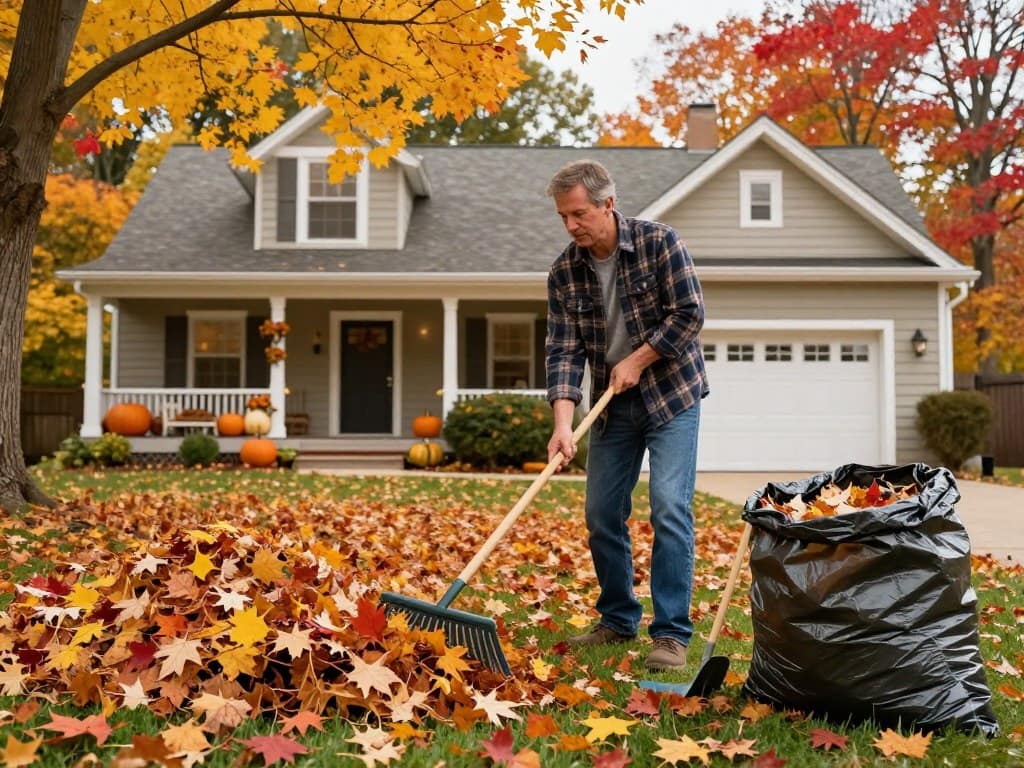
Getting your property ready for winter involves more than just raking a few stray leaves from the grass. This seasonal maintenance acts as a shield for your home, protecting the foundation from moisture and preventing expensive repairs. By clearing debris now, you stop water from pooling in areas that could freeze and crack your structures.
Removing fallen leaves also eliminates cozy winter habitats for unwanted pests. Mice, spiders, and groundhogs often hide in leaf piles before trying to enter your warm house. A proper fall cleanup keeps these critters away from your siding and doors during the cold months.
Focusing on your lawn during autumn helps the root system grow deep and strong while the grass is dormant. This preparation ensures you have a lush, green yard as soon as the spring thaw begins. You will also avoid the stress of dealing with compacted, moldy debris when the gardening season returns.
Safety is another major benefit of keeping your property tidy before the first snow falls. Wet leaves on walkways create dangerous slipping hazards for your family and guests. Additionally, pruning weak branches prevents them from breaking under the weight of ice and damaging your roof or power lines.
Consistent care preserves your investment and keeps your curb appeal high all year long. Taking action now saves you hours of back-breaking work once the weather warms up again. You will feel much more relaxed knowing your property is finally ready winter.
| Maintenance Task | Property Benefit | Safety Impact | Future Savings |
|---|---|---|---|
| Gutter Clearing | Protects foundation | Prevents ice dams | Avoids water damage |
| Leaf Removal | Prevents lawn mold | Stops slipping hazards | Reduces spring labor |
| Tree Pruning | Improves plant health | Prevents falling limbs | Protects roof integrity |
| Lawn Aeration | Strengthens roots | Improves drainage | Lowers fertilizer costs |
Remove Leaves and Yard Debris
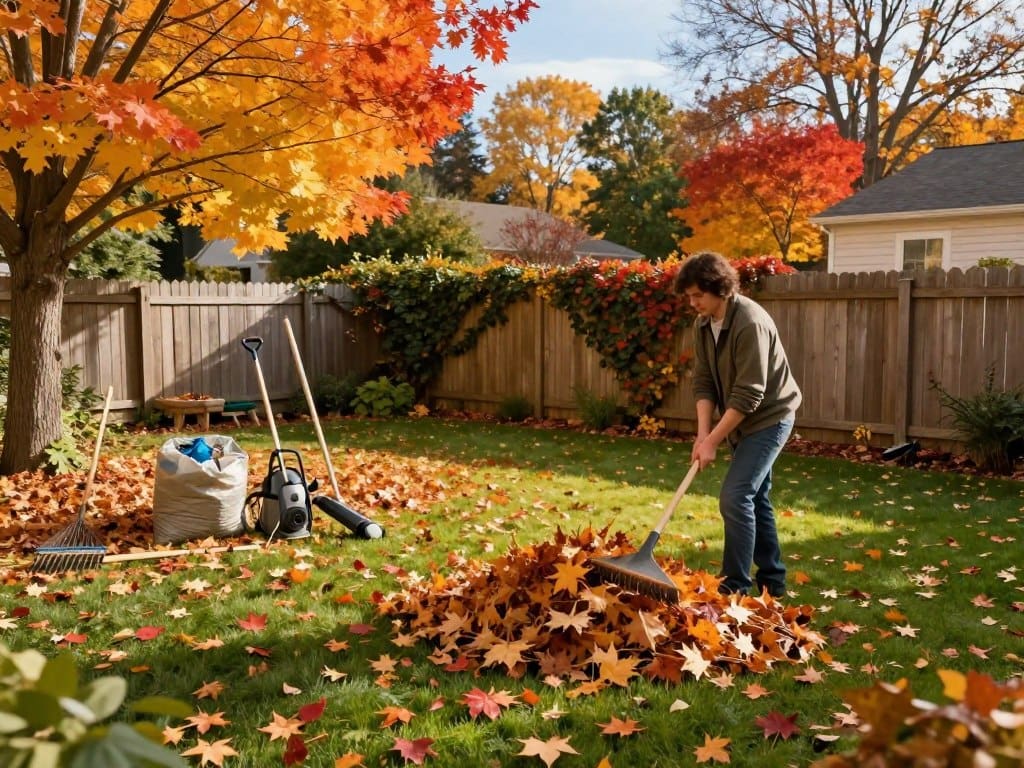
As the trees begin to shed their foliage, starting your yard cleanup early helps prevent future headaches. Fallen leaves and thick weeds provide the perfect winter hideout for pests like mice and insects. Clearing your flower beds keeps these critters away from your home and protects your foundation.
| Method | Best For | Primary Benefit |
|---|---|---|
| Tarp Dragging | Large Properties | Reduces heavy lifting |
| Row Raking | Bagging Leaves | Better portion control |
| Mower Shredding | Garden Beds | Natural fertilization |
Excessive leaves and debris can also damage your yard drainage and pose significant fire risks. Try using a large tarp to make leaf removal much easier for your fall yard. Simply blow or rake the material onto the tarp and use a carabiner through the grommets to create a dragable bag.
If you prefer bagging, rake the leaves into long rows rather than large piles. This technique makes it easier to separate the organic material into manageable portions. Remember that wet piles are a slipping hazard, while dry ones near structures are fire hazards.
Staying ahead of the yard work prevents dead foliage from smothering your grass. This regular routine ensures your lawn gets enough sunlight and stays disease-free. You can even find creative tips for reuse, such as adding shredded debris to your compost bin for nutrient-rich soil.
Clean Gutters and Improve Drainage
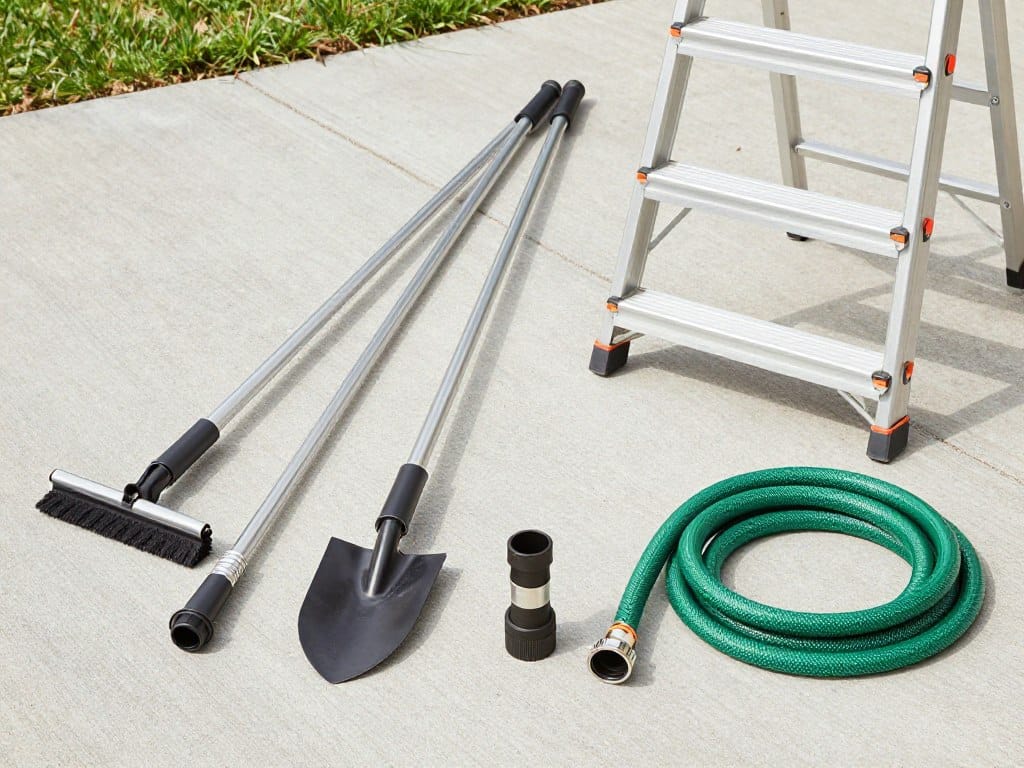
Take the time to clear your gutters now to prevent costly water damage later. Before rain and snow start falling, you should remove leaves and debris from your home’s rain gutters. Clogged channels often lead to foundation issues and basement flooding.
Start by using a sturdy ladder with proper safety positioning. You can clear blockages by hand or with a small garden trowel. Afterward, rinse the whole system with a garden hose to verify the flow.
Specialized gutter cleaning tools like hose attachments or pressure washer extensions are very helpful. These allow you to rinse the debris from ground level safely. This ensures a thorough job without climbing high ladders repeatedly.
Check your downspouts to ensure they direct water at least 4-6 feet away from your foundation. This prevents moisture in crawl spaces and protects your landscaping. Inspect for rust spots or sagging sections that need repair before the cold weather.
Proper gutter cleanup protects multiple parts of your property at once. It keeps your siding clean and your basement dry. Complete this cleanup task after the leaves fall but before the first winter freeze to avoid ice damage.
Complete Fall Lawn Care Tasks
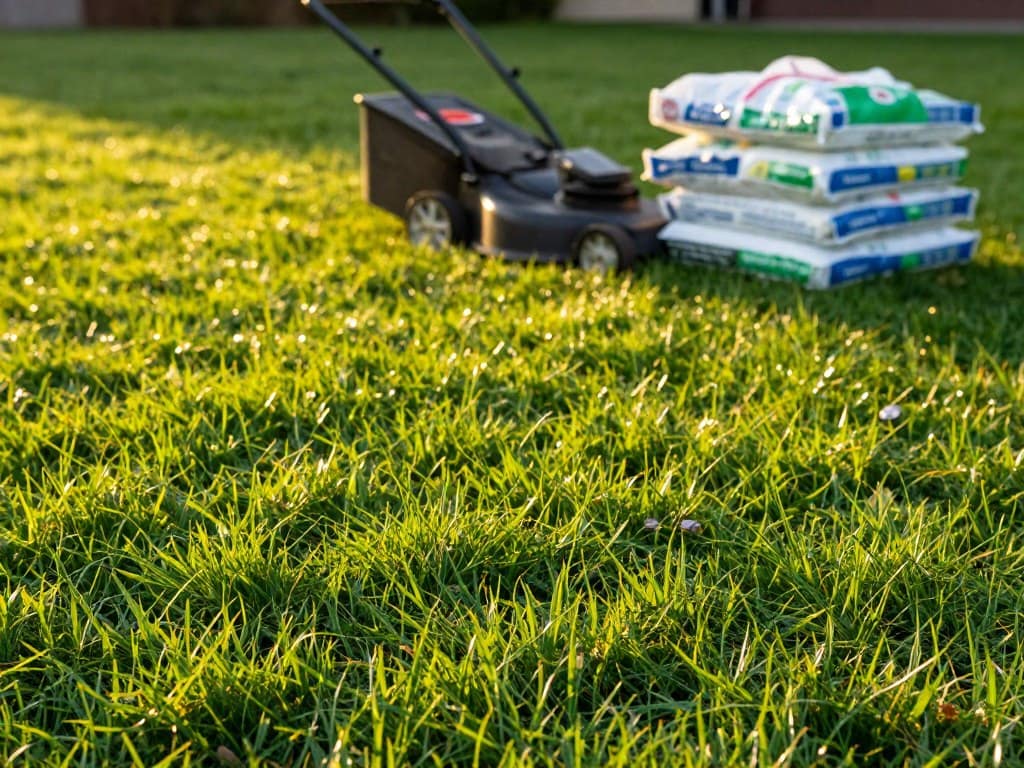
Your grass needs special attention during the transition into winter to ensure it thrives next spring. Continue to use your mower as long as the blades are still cutting growing turf. Once temperatures consistently stay below 50 degrees during the day, you can finally put your tools away for the season.
Lower your cutting height for the final two mows of the year. This allows more sunlight to reach the crown of the plant and helps the soil dry faster during the spring thaw. This simple change prevents fungal diseases from taking hold during the damp winter months.
Fall is the best time to aerate your lawn if you live in the Northern or Mid-Atlantic regions. Northern homeowners should aim for early September, while those in transitional zones have until mid-October. Southern residents should skip this task now and wait until late spring for their warm-weather varieties.
Aeration removes small plugs to alleviate compaction and lets oxygen and water reach the roots. This process creates the perfect environment for overseeding thin areas effectively. Applying a fall lawn fertilizer with high phosphorous content will further encourage deep root growth during the dormant period.
These essential nutrients help your yard recover from summer heat and stay healthy. You can also fix bald spots using an all-in-one repair mixture that includes seed and organic mulch. This is the best time to ensure uniform coverage across your entire property.
Remember to keep watering regularly to activate your lawn care products. This moisture helps new seeds germinate and thrive before the first deep frost hits your region. Proper hydration supports the root system without the stress of rapid summer evaporation.
Prune and Trim Trees and Shrubs
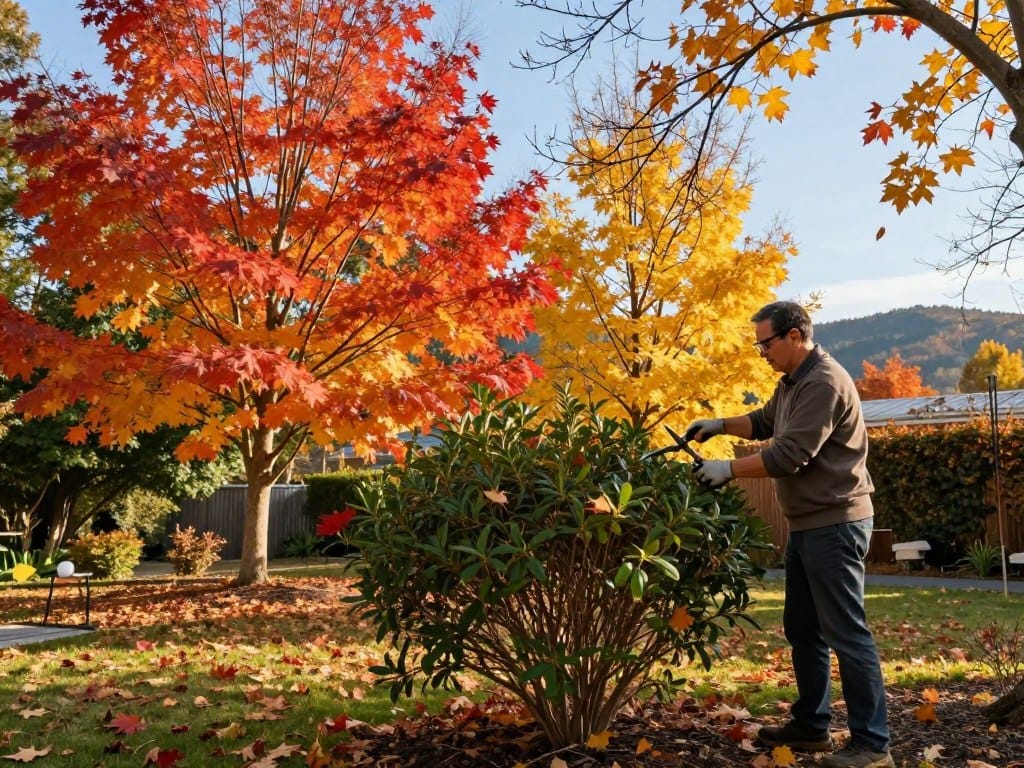
Pruning your landscape in the autumn is about more than just aesthetics; it’s about safety. Focus on removing dead, damaged, or diseased branches that could snap under heavy snow. This proactive step prevents property damage and keeps your family safe during winter storms.
It is vital to distinguish between dead wood and green growth. You can safely remove dead pieces in the fall, but wait until spring for living wood. Cutting green wood now may not give plants enough time to heal before freezing temperatures arrive.
Spring-flowering trees and shrubs like lilac or forsythia should be trimmed now to preserve next year’s blooms. However, wait until late winter or spring to prune any varieties that flower in the fall. This professional tip ensures your garden stays vibrant across all seasons.
Strategic trimming of trees and shrubs also improves home security by removing hiding spots near windows. Clear any branches hanging over your roof or power lines to avoid emergency repairs. Always call a professional for large tasks to ensure the long-term health of your plants.
| Plant Type | Pruning Window | Main Goal |
|---|---|---|
| Dead Wood | Autumn | Storm Safety |
| Spring Bloomers | Early Fall | Flower Protection |
| Fall Bloomers | Late Winter | Growth Control |
| Green Wood | Spring Season | Wound Healing |
Prepare Your Garden for Winter
High-quality photo of bags of organic mulch and garden supplies like a broadfork and compost bin sitting on a wooden deck next to a dormant vegetable patch in autumn.
Healthy spring blooms start with smart fall cleanup habits in your vegetable and flower patches. After your final harvest, pull out old vegetable plants and remove any lingering debris. The USDA Extension recommends skipping the tiller this year to protect your backyard space.
Removing plant debris by hand keeps important nutrient networks and earthworm tunnels intact. You can use a broadfork tool to add oxygen to the soil without turning it over. This method avoids disturbing the natural layers and preserves a rich, complex structure.
Consider leaving fallen leaves in your garden beds as a protective layer. These leaves act as natural mulch that breaks down over the winter months. They release vital nutrients back into the soil while insulating your roots.
Transform your vegetable waste into compost instead of sending it to a landfill. Before the ground hardens, make sure to pull all weeds and clear the area. These weeds can harbor pests and diseases if they stay in your garden during the cold season.
Give your plants plenty of water before the first freeze hits. This hydration helps perennials develop strong roots during their dormancy. Take the time to wait until the ground is frozen before you trim back perennial herbs.
Trimming them back a few inches once the ground freezes will protect the crowns for next year. Combining leaves with other yard waste will also improve your planting beds. These steps ensure your landscape remains healthy and productive.
Protect Plants from Cold Weather
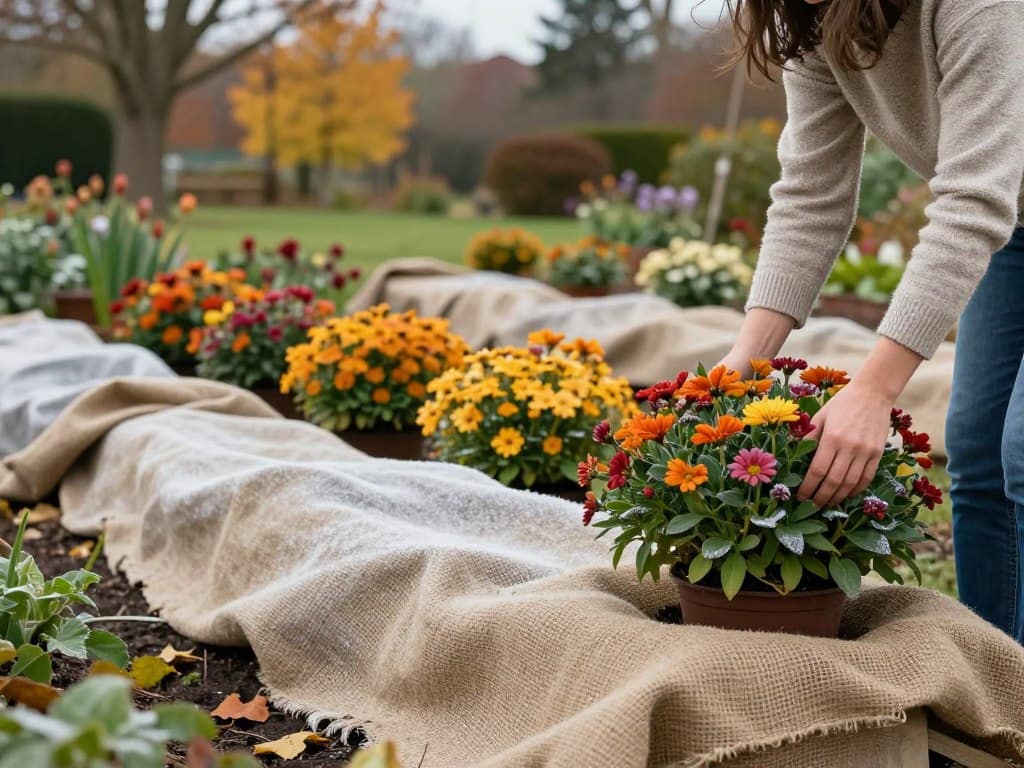
Successful winter gardening starts with shielding your landscape from harsh temperatures before the first hard freeze hits. You must protect your plants, including sensitive perennials, shrubs, and roses, as the weather turns cold. If your area sees a drop in temperatures to 25°F or lower, these measures are essential to prevent frost damage.
Adding a 2 to 3-inch layer of mulch is a great way to insulate roots during the cold months. This organic barrier helps regulate soil moisture and keeps the ground stable throughout the season. It also helps with weed control, so you have less work to do when spring finally arrives.
Wrap your plants in cloth or burlap barriers for reliable above-ground protection. You can use a single sheet for a mild winter or combine fabric and plastic for maximum insulation against the ice. This shielding is vital when local weather exceeds a plant’s natural cold tolerance in your specific USDA zone.
Fall is also the perfect time to get new perennials, shrubs, or spring bulbs like hyacinth into the ground. Apply mulch around these new additions at least six weeks before the soil freezes. This timing helps plants develop strong root systems safely while you prepare your garden for its upcoming dormant phase.
| Protection Method | Primary Benefit | Recommended Materials |
|---|---|---|
| Root Insulation | Regulates ground heat | Wood chips or bark |
| Fabric Wrapping | Blocks freezing winds | Burlap or breathable cloth |
| Autumn Planting | Stronger root growth | Spring-flowering bulbs |
Winterize Outdoor Features and Equipment
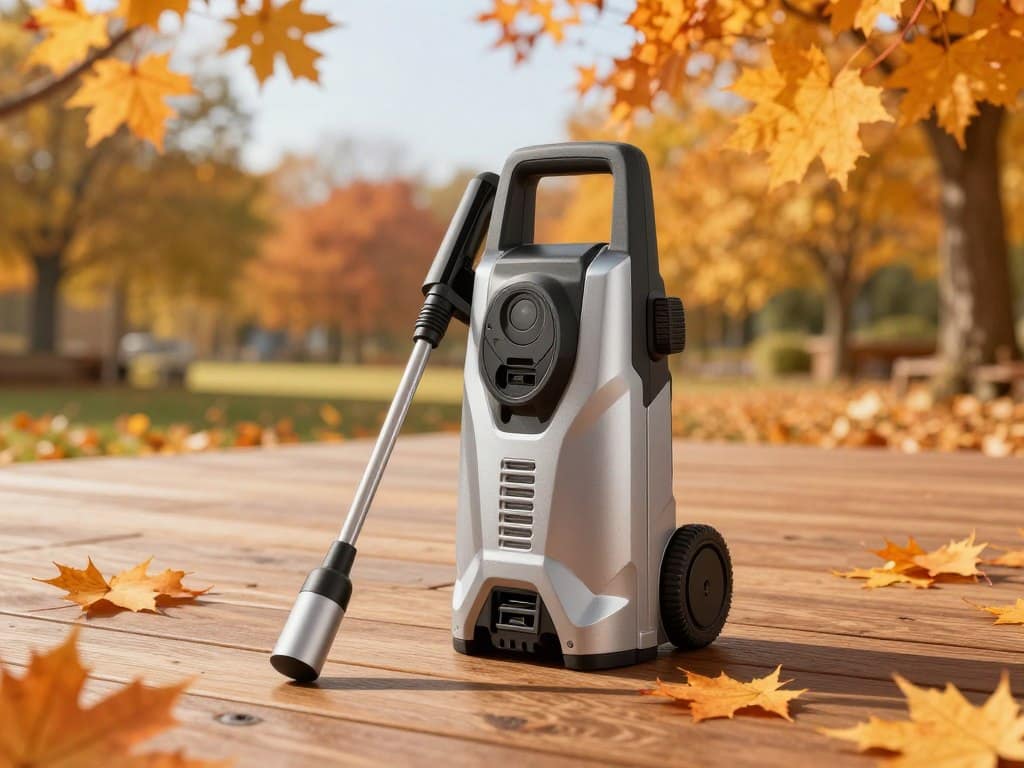
Winterizing your backyard gear is a vital step in any successful fall cleanup routine. Drain all water from hoses, fountains, and drip systems to prevent ice from cracking pipes. A professional sprinkler blowout is a maintenance task you must not ignore to protect your home irrigation.
Your gardening tools are a big investment. Clean them with rubbing alcohol or bleach to stop the spread of nasty plant diseases. Always store these tools in a locked, weatherproof shed to keep them safe throughout the long winter.
A thorough power wash removes mold and mildew from your deck. Once dry, apply a weatherproofing stain to protect the wood from moisture. This simple tip keeps your outdoor surfaces looking great and prevents dangerous slips on icy walkways.
Finally, clean your firepit and grill to remove sticky grease and food residue. Use a heavy-duty cover to stop rust and keep pests away during the cold fall months. Taking time for this home cleanup ensures your favorite items survive the winter without damage.
Additional Fall Clean-Up Steps for Home Safety
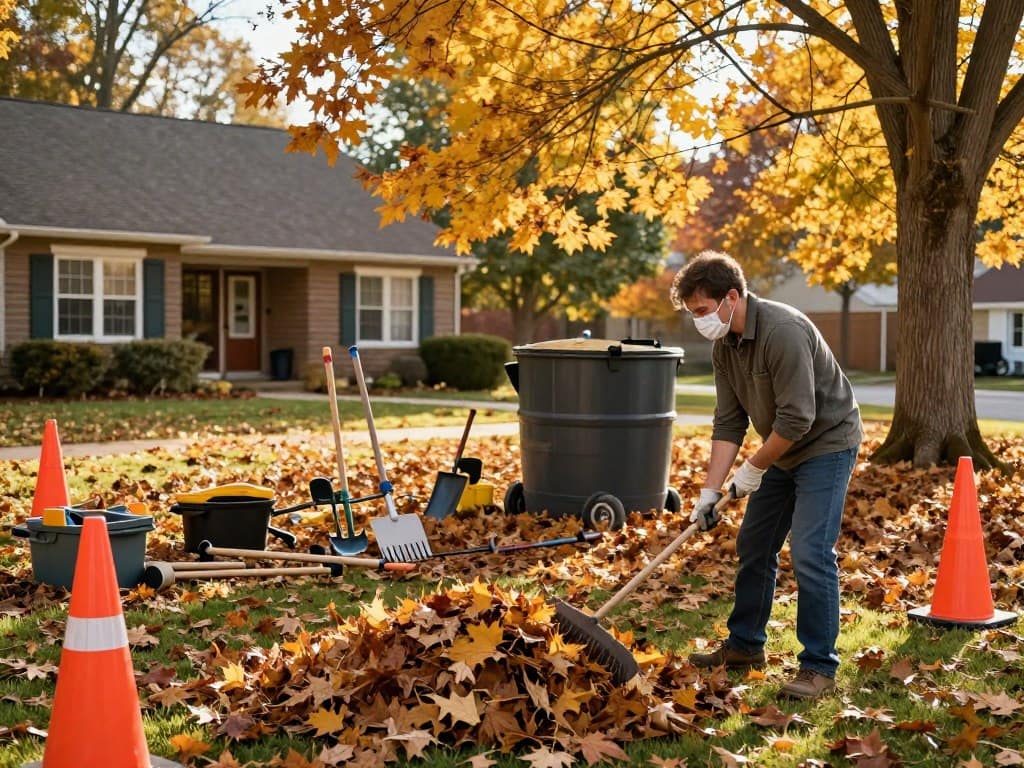
As the days grow shorter, focus on home safety to keep your yard secure for everyone. Start your fall cleanup by checking all outdoor lighting and replacing any burnt-out bulbs. Motion lights add a great layer of security as darkness arrives much earlier each evening.
Inspect your fences and gates for stability before the first storm. Reinforce any weak posts now before heavy snow and strong winds hit your yard. This fall yard cleanup step keeps your property boundaries in great shape all through the winter months.
Pest prevention is a vital task for your home this season. Seal any openings in your shed or garage with caulk to keep rodents out. You should also stock up on ice melt and clear your driveway to prepare for winter weather.
Cleaning your concrete with a pressure washer is a satisfying job that removes slippery organic stains. Consider applying a sealer afterward to protect the surface from salt and freezing temperatures. Following these fall cleanup strategies and cleanup tips makes the transition to winter much safer.
| Maintenance Task | Materials Needed | Primary Benefit |
|---|---|---|
| Lighting Check | LED Bulbs & Sensors | Nighttime Security |
| Concrete Sealing | Pressure Washer & Sealer | Damage Prevention |
| Pest Sealing | Steel Wool & Caulk | Rodent Control |
Finally, use a tool belt and a bucket to stay organized during your yard cleanup. This simple tip keeps your hands free and all your gear within reach. A thorough fall yard cleanup keeps your property functional. This handy tip makes the entire yard cleanup process much more efficient.
Conclusion
Taking these essential steps transforms tedious outdoor chores into a rewarding investment in your home. This fall yard cleanup guide provides a flexible framework to help you protect your property. By completing these tasks, you ensure a healthy lawn and reduce winter damage risks.
Approaching your yard work as a seasonal routine builds cumulative benefits year after year. You will notice fewer weeds and faster growth when the next season arrives.
Your effort this fall ensures a stress-free spring and a beautiful outdoor space for your family to enjoy.