


What if the secret to a flawless, thick green carpet in your yard isn’t just about more water or fertilizer? Turf power seeding may be the solution many homeowners struggle with bare spots and thin areas, despite their best efforts with traditional care.
This guide introduces a revolutionary approach to lawn rejuvenation. It goes beyond standard methods to deliver superior results for residential properties. The technique has become a preferred choice for achieving premium grass coverage.
The article serves as a comprehensive how-to resource. It provides actionable information on implementing this process for optimal lawn health and appearance. Readers will learn to address common challenges like overall deterioration.
This informational resource covers the entire process from start to finish. It includes comparisons with alternative methods and step-by-step implementation guidance. Best practices for maintaining newly seeded areas are also explored.
Key Takeaways
- This guide presents a superior method for revitalizing residential lawns.
- The technique addresses common issues like bare patches and thinning grass.
- It offers a step-by-step approach for homeowners to achieve professional-grade results.
- The process is detailed from preparation through to long-term maintenance.
- Comparisons with other lawn care methods help illustrate its advantages.
- Proper turf power seeding implementation leads to a thicker, healthier, and more attractive yard.
Introduction to Lawn Rejuvenation Through Seeding
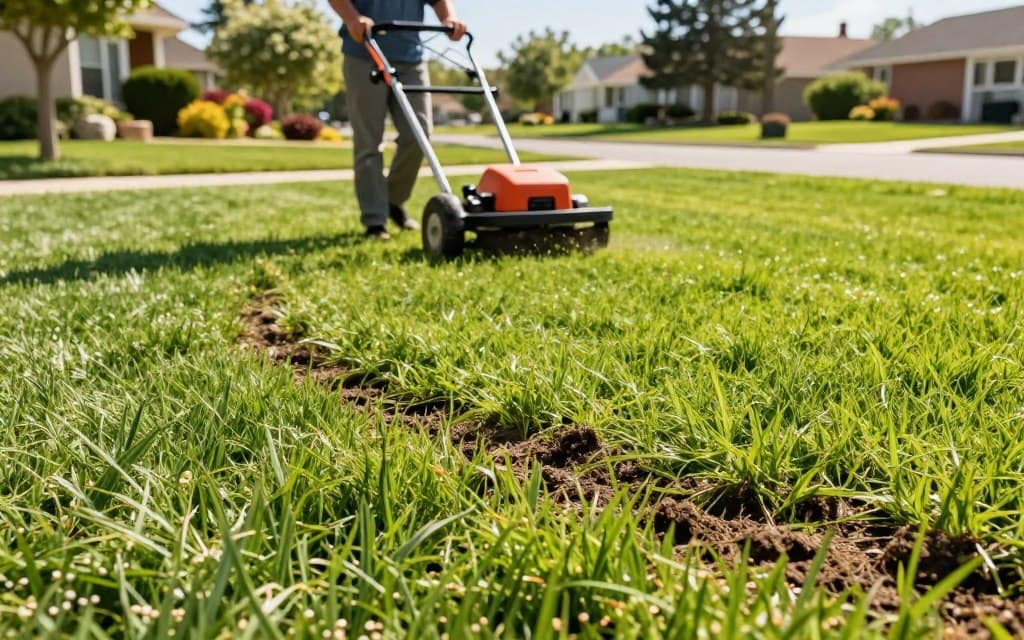
Many property owners notice their once-lush grass gradually thinning over time. Environmental stressors create persistent challenges for residential landscapes across different regions.
Overview of Lawn Care Challenges
Lawns face numerous threats to their health and appearance. Extreme heat, drought conditions, and pest infestations can compromise yard vitality.
Even with consistent maintenance, grass naturally deteriorates. Homeowners often see bare spots and thin patches develop. These issues indicate the need for recovery efforts.
Benefits of a Lush, Healthy Lawn
A vibrant landscape offers both aesthetic and practical advantages. Proper care leads to improved curb appeal and increased property value.
Healthy lawns naturally suppress weeds and enhance soil quality. They create enjoyable outdoor spaces for family activities. This makes lawn care an essential investment for homeowners.
Addressing visible decline signs early ensures long-term yard health. Proactive approaches deliver superior results compared to basic maintenance alone.
Turf Power Seeding: A Revolutionary Method for Lawn Health
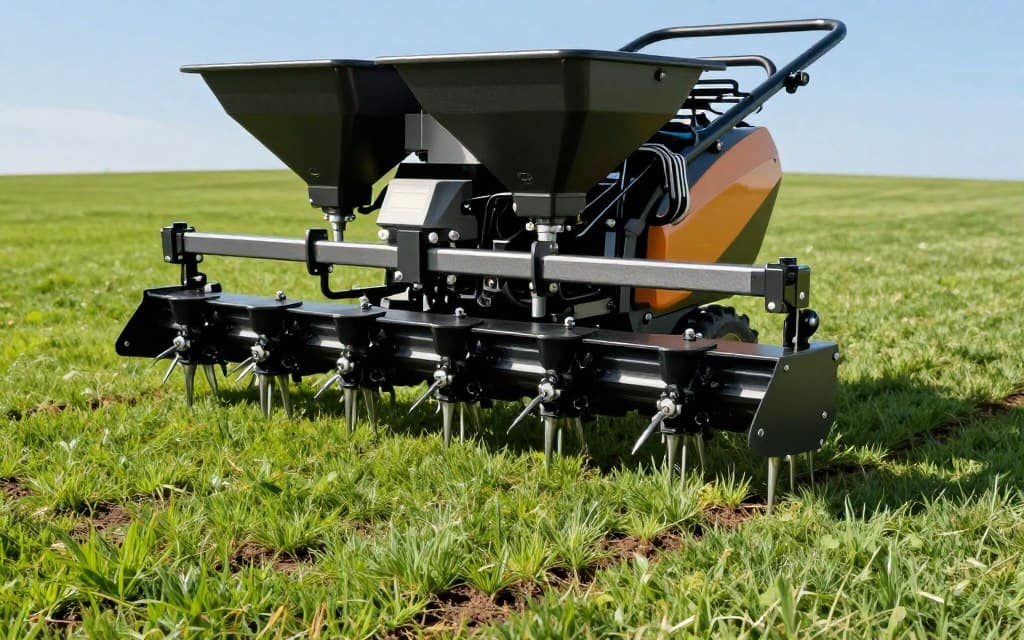
There exists a mechanical approach to lawn establishment that mimics agricultural precision. This technique represents a significant advancement over traditional methods.
What is Turf Power Seeding?
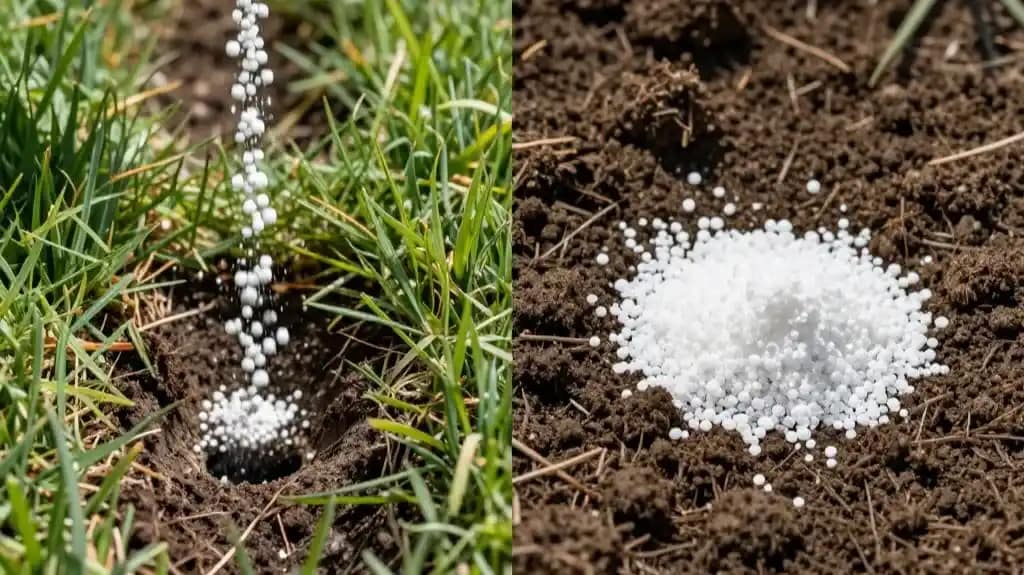
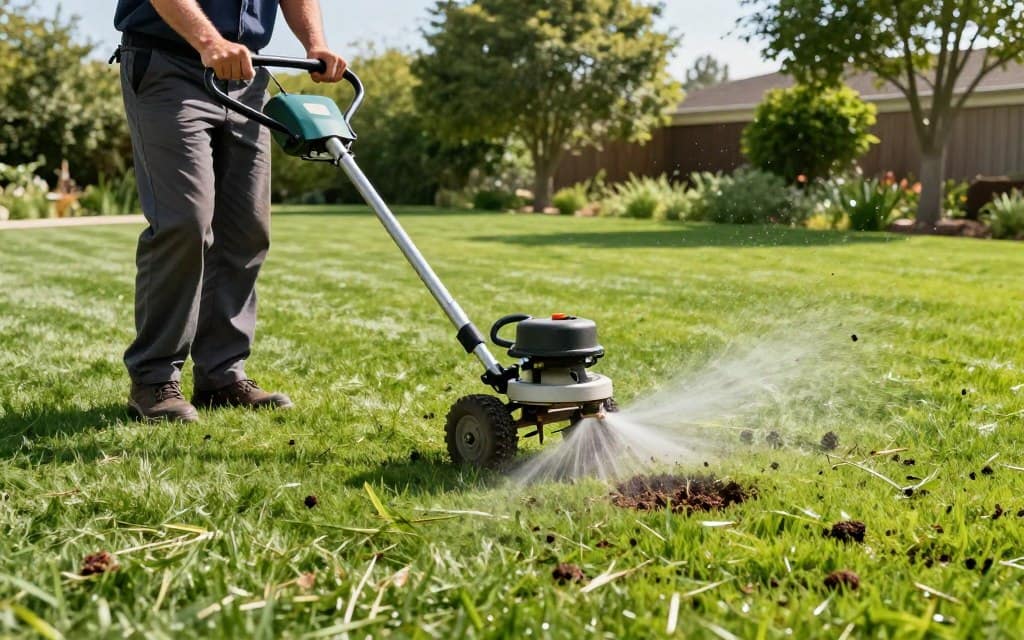
This method involves specialized equipment that creates precise rows in the soil. The machine simultaneously deposits grass seed directly into these grooves.
Often called slice seeding, this process ensures optimal seed-to-soil contact. It protects seeds from surface exposure and improves germination rates significantly.
Golf courses utilize this approach for their premium playing surfaces. The mechanical planting creates uniform coverage that withstands heavy use.
Proper implementation requires expertise and specific equipment. This explains why fewer companies offer this advanced service.
Using high-quality seed varieties enhances the results dramatically. Custom blends provide superior performance and durability for residential lawns.
Comparing Power Seeding with Aeration and Overseeding
The effectiveness of lawn seeding hinges on one critical factor that separates basic and advanced techniques. This factor is seed-to-soil contact, which is achieved in fundamentally different ways.
Technique and Process Differences
Aeration and overseeding involve two steps. First, an aerator pulls small soil cores to create holes. Then, grass seed is broadcast over the surface, hoping it lands in those holes.
In contrast, the other method uses a single machine. It cuts narrow rows into the ground and deposits seed directly into them. This ensures immediate and consistent seed placement.
Germination Success and Cost Considerations
Seeds left on the surface often dry out or get eaten. This leads to low germination rates of 10-30% for aeration overseeding.
The row-cutting technique plants seed safely below the surface. It can achieve germination rates near 90%. This superior result is ideal for compacted soil or bare spots.
While the specialized equipment costs more upfront, the higher success rate provides better long-term value. Less seed is wasted, making the investment worthwhile.
Eco-Friendly Benefits and Seed Efficiency
Precise seed placement dramatically reduces waste. There is less runoff, and fewer chemicals are needed later.
A thicker lawn naturally crowds out weeds. It also builds stronger roots for better soil health. For large properties, focusing on problem areas makes this method very efficient.
Step-by-Step Guide to Implementing Power Seeding Techniques
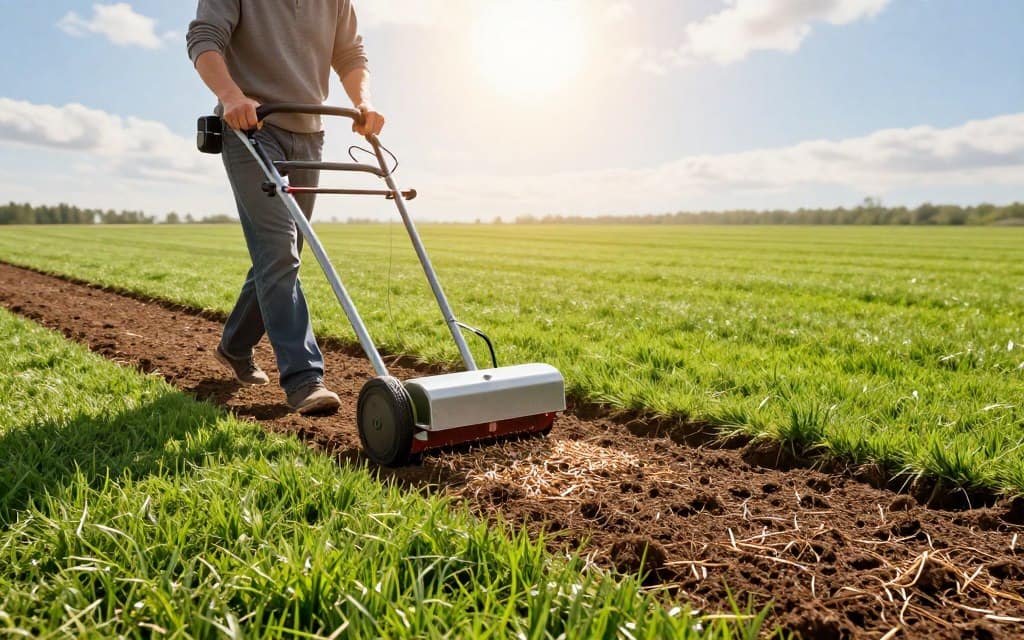
Proper turf power seeding implementation timing makes all the difference between mediocre results and a thriving landscape. Following a systematic approach ensures optimal seed establishment and long-term lawn health.
Optimal Timing and Preparation
Late summer through early fall offers ideal conditions for cool-season grasses. Warm soil temperatures combined with cooler air create perfect germination environments.
For warm-season varieties, late spring works best when soil reaches 65°F. Spring planting presents challenges with summer heat stress and weed control conflicts.
Maintaining Your Lawn After Seeding
Consistent watering keeps soil moist without oversaturation. New growth typically appears within 7 to 21 days depending on conditions.
Minimize foot traffic to protect delicate seedlings establishing root systems. Delay mowing until grass reaches appropriate height and remove leaves promptly.
Professional services often perform quality checks to monitor progress. This technique is recommended every other year to maintain thickness and reduce herbicide needs.
Conclusion
For homeowners seeking lasting results from their lawn investment, professional approaches deliver superior outcomes. The method discussed throughout this article represents the most effective solution for achieving thick, healthy grass coverage.
This technique naturally suppresses weeds through dense growth while improving soil conditions. Selecting quality providers who perform follow-up checks ensures optimal recovery from bare patches. These services demonstrate genuine commitment to customer success.
Homeowners can achieve beautiful, enjoyable yard spaces by implementing this process during optimal seasonal windows. The investment pays dividends through enhanced property appeal and reduced maintenance needs over time.