American homeowners spend billions of dollars and countless hours each year on lawn care. Imagine reclaiming that time and money with artificial turf. A lush, green lawn is a dream for many, but the constant upkeep can be a nightmare—artificial turf offers a low-maintenance, beautiful alternative.
We understand that planning for a new landscape can feel overwhelming. You want to balance quality with affordability to create the perfect outdoor space. This guide simplifies the process.
We will walk you through the financial aspects of synthetic turf in 2025. You will learn about the initial investment and the long-term savings. This knowledge helps you make a smart decision for your property.
A typical 500-square-foot project ranges from $3,600 to $11,000. The final price depends on the quality level you choose. We break down the factors that influence the total expense.
By the end, you will have a clear financial picture. You will also gain practical tips for maximizing your investment. Our goal is to help you achieve the beautiful, low-maintenance yard you desire.
Understanding the Investment behind Artificial Turf
A lush, green yard without the weekend chores is possible, but it requires a thoughtful initial investment. We see this purchase as a long-term asset. It transforms your property’s appearance and your lifestyle by eliminating tedious maintenance.
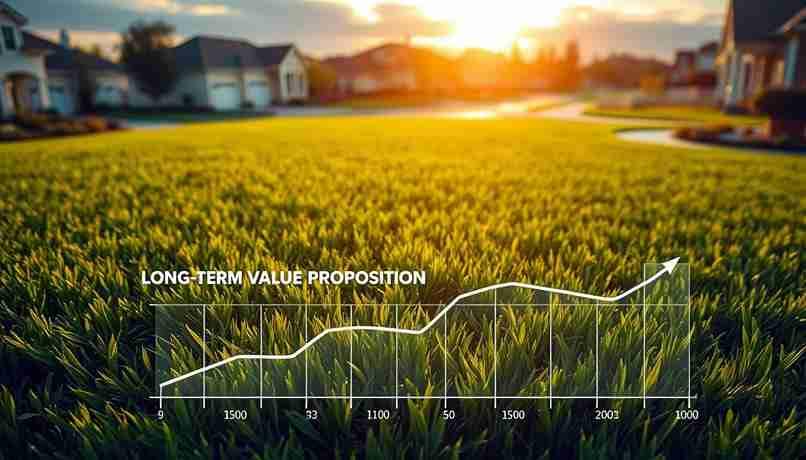
An aerial view of a lush, verdant artificial turf lawn, illuminated by warm, golden sunlight filtering through wispy clouds. The grass blades glisten and sway gently in a soft breeze, creating a serene, inviting ambiance. In the foreground, a stylized graph or chart visualizes the long-term value proposition of the artificial turf, highlighting its durability, low maintenance, and cost-effectiveness compared to traditional grass. The background features a tranquil suburban landscape, with well-manicured homes and landscaping, conveying a sense of prosperity and investment in high-quality outdoor spaces.
The value of this turf goes beyond simple aesthetics. It includes major benefits like water conservation and reduced chemical use. You gain the freedom to enjoy your outdoor space instead of constantly working on it.
To understand the true cost, consider the total ownership picture. Homeowners with natural grass spend significant amounts yearly on upkeep.
Lawn Type | Basic Annual Care | Professional Annual Care | 10-Year Projection |
Natural Grass | $200 – $500 | $1,500 – $6,000 | Often exceeds synthetic turf installation |
Synthetic Turf | Minimal | Minimal | Pays for itself through savings |
Over a typical 10 to 15-year lifespan, quality synthetic grass often pays for itself. Savings come from eliminated water bills, equipment costs, and fertilizer expenses. Your time saved from weekend yard work also adds tremendous value.
Understanding these factors helps frame this grass not as an expense, but as a strategic investment. It delivers both financial returns and lifestyle improvements over time. This value is even stronger in drought-prone regions where water restrictions make natural lawns difficult to maintain.
How Much Does Artificial Turf Cost
The price structure for synthetic lawn installations involves multiple components that determine your final investment. We break down these elements to give you realistic expectations.
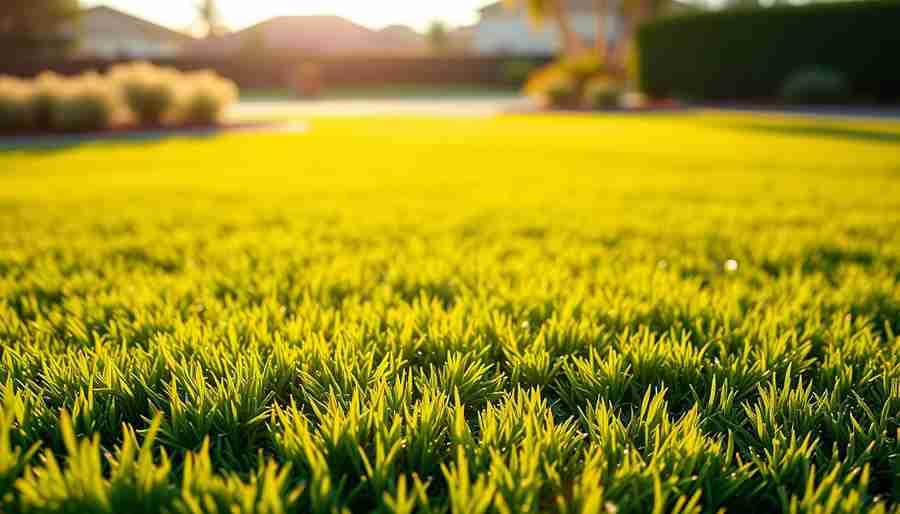
A close-up view of a well-maintained artificial turf lawn, showcasing the lush, vibrant green blades and intricate texture. The turf surface appears soft and plush, with a slight sheen under the warm, natural lighting. The image is captured at a medium angle, providing a clear sense of the uniform, high-quality appearance of the artificial grass. Subtle shadows and highlights accentuate the depth and realism of the material, inviting the viewer to imagine walking on this luxurious, maintenance-free surface. The overall composition conveys a sense of durability, comfort, and the true value proposition of artificial turf as a cost-effective, long-lasting alternative to natural grass.
Material Costs and Labor Rates Overview
Your total expense combines product quality with professional services. The materials themselves represent one portion of the budget.
Labor accounts for the remaining investment. Skilled installation ensures proper drainage and long-term performance.
Current pricing falls into three main categories based on quality and warranty length. Each tier offers different benefits for your property.
Option Type | Price per Square Foot | Face Weight | Warranty Period | Installation Features |
Budget | $12-15 | 35-50 oz | 5-8 years | Basic setup |
Mid-Range | $15-18 | 50-70 oz | 8-12 years | Professional base preparation |
Premium | $18-22 | 70-90 oz | 15-20 years | Advanced drainage systems |
Most homeowners choose the mid-range option for balanced value. This selection provides excellent durability without premium pricing.
Project scale also affects your per-square-foot rate. Larger installations often receive volume discounts that reduce overall expenses.
Breaking Down Costs per Square Foot and Material Options
The type of synthetic grass you choose directly influences both the initial expense and long-term value. Material selection represents a crucial decision point in your planning process.
We analyze material options to help you understand the pricing landscape. Each material type offers different benefits for various applications.
Different Material Price Ranges
Material costs vary significantly based on durability and performance characteristics. The right choice depends on your specific needs and budget constraints.
Material Type | Price per Square Foot | Best Use Case | Lifespan |
Polypropylene (PP) | $1.90-$6.75 | Decorative low-traffic areas | 5-10 years |
Polyethylene (PE) | $2.00-$4.00 | Residential lawns | 10-15 years |
Nylon | $5.05-$6.40 | High-traffic spaces | 15-20 years |
Polyethylene offers the best balance for most homeowners. It provides realistic appearance and solid durability at moderate pricing.
Regional Pricing Variations
Geographic location significantly impacts your total investment. Labor rates and material requirements differ across regions.
Metropolitan areas typically command higher rates than suburban markets. Climate considerations also affect material selection and installation requirements.
Understanding these factors helps you make informed decisions about your synthetic lawn investment.
Regional and Installation Factors Influencing Price
Where you live can dramatically change the budget required for quality artifical turf installation. Geographic location and site conditions create significant variations in project expenses.
Impact of Location on Labor and Material Expenses
Metropolitan areas typically command premium pricing for synthetic lawn projects. Homeowners in major cities often pay 20-40% above national averages.
Higher labor rates and increased cost of living drive these regional differences. Urban environments also see stronger demand for professional installation services.
Site preparation represents another crucial cost factor. Removing existing grass adds $0.50-$2 per square foot to your project.
Properties with poor drainage may require subsurface systems. These additions can cost $2-$5 per square foot to prevent water pooling.
We encounter challenging conditions that increase installation complexity:
- Curved or irregular shapes add 15-25% due to material waste
- Sloped terrain increases expenses by 50-75% for specialized anchoring
- Rocky soil and tree roots complicate base preparation
Regulatory factors also influence your final price. Building permits range from $50-$300 depending on your municipality.
HOA approval fees typically run $25-$150 for architectural review. Some jurisdictions require inspections costing $75-$200 per visit.
Understanding these regional and site-specific factors helps anticipate true installation costs. Identical square footage can have vastly different price tags based on location and conditions.
DIY vs. Professional Installation: Weighing Labor Costs
Choosing between professional installation and a DIY approach represents a critical decision for your project. This choice directly impacts your budget, timeline, and the final quality of your lawn.
We see homeowners weigh the potential savings against the required effort. Each path offers distinct advantages and challenges.
Advantages and Disadvantages of Each Approach
A do-it-yourself grass installation can save you a significant amount. You might reduce a project by thousands of dollars by handling the work yourself.
Savings vary by material. Polyethylene offers the highest potential savings per square foot.
However, this approach demands a substantial time commitment. It also requires access to specialized tools like plate compactors and seaming irons.
Professional turf installation includes expertise and efficiency. Crews complete the work quickly and handle complex tasks like drainage and seaming.
This service comes with warranty protection for peace of mind. The labor expense is a major part of the total project cost.
Common Installation Pitfalls and Considerations
We often correct DIY projects where mistakes occurred. Proper base preparation is essential for longevity.
Common errors lead to serious issues over time. Avoiding these pitfalls is crucial for a successful outcome.
- Inadequate Base: Causes settling and an uneven surface.
- Poor Drainage: Results in water pooling and potential damage.
- Improper Seaming: Creates visible joints that detract from appearance.
- Insufficient Edging: Leads to premature lifting and failure.
For most homeowners, we recommend professional installation. The expertise and warranty justify the investment for a long-lasting, beautiful lawn.
Experienced DIYers with proper tools can tackle smaller projects. Careful planning and research are essential for success.
Special Installation Scenarios and Their Impact on Cost
Not every yard presents a straightforward canvas for synthetic lawn installation. Unique property features often require specialized approaches that affect the overall project budget.
Curved and irregularly shaped areas typically add 15-25% to your base expense. These configurations demand precise cutting and fitting, resulting in increased material waste.
Sloped terrain represents one of the most challenging scenarios. It requires specialized anchoring systems and enhanced drainage solutions, increasing expenses by 50-75%.
Rooftop and elevated installations command premium pricing due to access challenges. Contractors must consider weight limitations and implement specialized waterproofing systems.
Application-specific projects have distinct pricing structures. Putting greens, sports fields, and playground surfaces each require different specifications and safety features.
We often see front yard installations priced lower than backyard projects. Front areas typically offer easier access and simpler shapes compared to backyards with existing landscaping features.
Patio and deck installations require additional preparation work. Removing existing materials and working around landscape features increases labor time and overall project costs.
Commercial projects over 1,000 square feet may qualify for volume pricing. However, specific performance requirements can offset some potential savings.
Maintenance and Long-Term Cost Considerations
A significant advantage of synthetic lawns is the dramatic reduction in upkeep. A small annual investment is still necessary to keep your landscape looking its best.
Annual Maintenance Expense Breakdown
We set realistic expectations for ongoing care. Total yearly expenses for most homes typically range from $250 to $400.
This predictable budget covers several key services to preserve your lawn’s quality and appearance.
- Professional Brushing: This service, costing $150-$200 yearly, keeps blades upright for a fresh, natural look. Many homeowners choose to do this themselves.
- Infill Replenishment: Every few years, adding new infill material (averaging $85 annually) ensures proper cushioning and drainage for your turf.
- Occasional Cleaning: Minimal water use for rinsing keeps the surface clean. Weed control treatments may be needed, adding a small fee.
- Pet Care: Households with pets may incur extra costs for specialized cleaning solutions and deodorizers to maintain hygiene.
When we compare this to natural grass care, the long-term savings are clear. You save on large water bills and reclaim valuable weekend time. Quality synthetic grass with proper upkeep lasts 15-25 years, making the annual cost of ownership very manageable.
Money-Saving Tips and Budget-Friendly Options
Budget-conscious homeowners have multiple pathways to achieve their landscape goals economically. We help families find smart solutions that deliver quality results without stretching their finances.
Strategic planning makes a significant difference in your final investment. Simple adjustments to timing and material selection can yield substantial savings.
Cost-Cutting Strategies for Homeowners
Timing your installation during fall or winter months often reduces labor expenses by 10-20%. Contractors have lighter schedules during these seasons, creating better pricing opportunities.
Material selection represents another key area for savings. Choose appropriate quality levels for different usage zones to optimize your budget.
Consider purchasing materials directly and hiring installation-only contractors. This approach can save 15-25% on your total project costs.
Design choices significantly impact your final pricing. Rectangular layouts typically cost 15-25% less than curved designs due to reduced material waste.
Coordinating with neighbors for bulk purchases can unlock volume discounts. This approach benefits everyone involved while building community connections.
The mid-range option at $15-18 per square foot typically offers the best balance of quality and affordability for family use.
Comparing Artificial Turf with Natural Lawn Alternatives
Homeowners face a fundamental choice: invest more upfront for lower maintenance, or pay less initially but commit to ongoing care expenses. This decision shapes your landscape budget for years to come.
Upfront Investment vs. Ongoing Maintenance Costs
The initial price difference appears significant. Natural grass installation ranges from $0.50-$8 per square foot, while synthetic options start around $12-$22. This tells only part of the story.
Lawn Type | Installation Cost (500 sq ft) | Annual Maintenance | 10-Year Total |
Natural Grass | $250-$4,000 | $200-$6,000 | $2,000-$60,000 |
Artificial Turf | $6,000-$11,000 | $250-$400 | $12,000-$26,000 |
Natural grass demands continuous investment in water, fertilizer, and equipment. Professional lawn care services can reach $6,000 annually. These expenses continue indefinitely.
Artificial turf surfaces eliminate irrigation costs entirely. This represents major water conservation and financial savings. Time savings are equally valuable, freeing weekends from mandatory yard work.
Property value considerations vary by region. Some studies suggest synthetic options may reduce values by approximately 5%. This matters most for short-term homeowners.
Environmental factors also differ. Artificial grass eliminates chemical use but involves synthetic materials. The greener choice depends on your local conditions and priorities.
For long-term residents in water-scarce regions, synthetic options often deliver superior value. Those planning to move soon might prefer natural alternatives.
Conclusion
Making an informed decision about your outdoor space involves weighing upfront costs against long-term value. We have explored the complete financial picture of artificial turf installation, from material selection to professional services.
Your specific project cost depends on quality choices and installation complexity. Remember that this represents a strategic investment rather than just an expense.
Quality artificial turf with proper blades and backing ensures lasting performance. Smart planning around timing and material selection can optimize your budget.
Homeowners can see synthetic turf as an investment in lifestyle—saving water and reclaiming valuable time. With proper planning, you can enjoy a beautiful, low-maintenance artificial turf installation in Dyer, IN that your family will love for years. Contact a local expert today to get started!”