






What if the most dangerous home maintenance task isn’t fixing your roof, but simply trying to keep your water channels clear through regular gutter cleaning?
Consumer Reports magazine identifies runaway rainwater as the number one home repair you should never ignore. This isn’t about a minor leak. It’s about protecting your biggest investment from serious structural issues—and that starts with proper gutter cleaning.
Climbing a ladder to clear out leaves might seem easy. However, many homeowners lack the proper safety gear and experience. Dangerous falls are a common and severe risk.
Hiring a professional service does more than just clear debris. Experts perform a full inspection of your gutter system. They spot hidden problems like small cracks or loose brackets that could lead to major trouble.
This proactive approach stops water from seeping into your walls and foundation. It safeguards your roof and siding from expensive water damage. You gain peace of mind knowing your property is protected.
Key Takeaways
- Runaway rainwater is the top home repair concern, according to Consumer Reports.
- A clean gutter system prevents water from seeping into your home’s structure.
- DIY gutter maintenance is a leading cause of ladder-related injuries.
- Professionals inspect for hidden damage that homeowners often miss.
- Regular professional maintenance protects your roof, siding, and foundation.
- Expert service ensures the job is done safely and correctly.
- Investing in pros now can prevent costly repairs later.
Introduction: The Importance of Clean Gutters
A home’s defense against water damage starts high above, with a network designed to control the flow of rain. This drainage system, your gutters, is your first line of protection. Its job is simple but vital.
For this system to work, it needs the correct slope. Properly pitched runoff channels direct water away from your property. This action stops moisture from penetrating your foundation and walls.
When leaves and debris block these channels, trouble begins. Trapped water can seep into ceilings and floors. This often leads to costly structural damage and mold growth inside the home.
| Aspect | DIY Approach | Professional Maintenance |
|---|---|---|
| Safety Risk | High (ladder falls) | Minimal (trained crews) |
| System Inspection | Often superficial | Comprehensive for cracks & loose parts |
| Water Flow Result | May remain partially blocked | Fully restored and optimized |
| Long-term Protection | Unreliable | Consistent and preventative |
Scheduling regular professional inspection is the best strategy. Experts ensure every section functions correctly. This consistent upkeep prevents overflow during storms and safeguards your investment.
Understanding Gutter Maintenance and Home Protection
Protecting your property from water starts with understanding how a simple blockage can lead to foundation cracks and roof leaks. Effective upkeep of your drainage system is not just about removing leaves. It is a critical defense for your entire house.
Water trapped in these channels during winter can freeze. The expanding ice can then force its way back under your roof shingles. This action often results in hidden leaks when the thaw arrives.
If water does not flow through the system, it pools behind the blockage. This stagnant moisture can seep under roofing materials. It damages shingles, underlayment, and the wooden decking significantly over time.
A compromised foundation creates serious interior problems. You might notice warped door and window frames or cracks in your walls. Moisture issues in your crawlspace or basement often follow.
The heavy weight of debris and standing water in a clogged section is a major risk. This strain may cause the entire run to pull away from the roof edge. Such gaps allow wood rot to set in, weakening your home’s structure.
Essential Tools and Materials for Gutter Cleaning
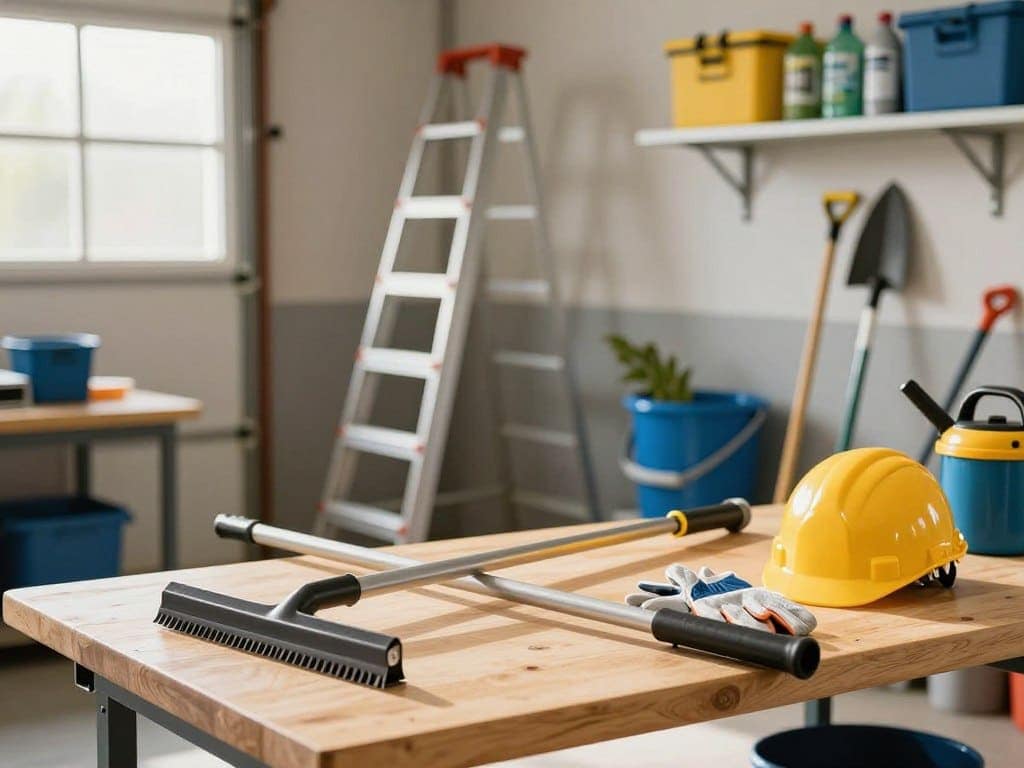
The difference between a successful maintenance session and a frustrating, incomplete job often lies in having the proper implements on hand. Gathering the correct gear before you start is crucial for safety and effectiveness.
Using specialized items designed for this task ensures you can work efficiently from the ground and on a ladder.
Tools for Effective Gutter Cleaning
A gutter trowel is highly effective for scraping out packed leaves and sludge. You will also need a sturdy bucket with hooks to secure it to the ladder.
For clearing downspouts, a hand auger is the right tool to break up deep clogs. A garden hose with a spray nozzle is essential for the final flush.
Don’t forget a drill for tightening loose brackets and a level to check the system’s slope. If you’re handling wet debris, wear nitrile gloves under your work gloves for protection.
Materials and Sealants You’ll Need
Specific materials are required to complete maintenance tasks properly. Gutter sealant is vital for repairing small cracks at seams and end caps.
Consider adding gutter guards or downspout guards to reduce future debris buildup. Have plastic sheeting ready to protect your landscaping and touch-up paint to cover any scratches.
These supplies help ensure your repairs are durable and your property stays clean during the work.
Safety First: Preparing for Gutter Cleaning
The most critical phase of any high-up home task happens before your feet leave the ground. Proper setup and planning prevent most accidents.
Ladder Safety Tips and Best Practices
Using a ladder correctly is non-negotiable for this job. Following core rules keeps you secure while you work.
| Safety Rule | DIY Risk | Professional Standard |
|---|---|---|
| Place ladder on solid, level ground. | Ladder can slip or sink. | Crews use stabilizers and firm footing. |
| Never stand on top three rungs. | High fall risk from over-reaching. | Proper height equipment eliminates the need. |
| Keep your belt buckle between rails. | Leaning too far causes loss of balance. | Trained movement maintains three points of contact. |
| Use hooked bucket for debris. | Dropping tools or losing grip. | Specialized equipment contains all waste safely. |
| Assess comfort and power line proximity. | Ignoring fear or hazards leads to injury. | Risk assessment is standard procedure before starting. |
Wearing sturdy work gloves protects your hands from sharp edges. If any step here feels uncertain, calling an expert is the wise move.
Step-by-Step Manual Gutter Cleaning Process
Following a logical sequence ensures you remove all obstructions and restore proper water flow. This methodical approach prevents missed spots and protects your home’s structure.
Removing Debris and Clearing Clogs
Begin at the section farthest from the downspout. Work your way toward the outlet point. This direction pushes material out efficiently.
Clear the area near the downspout first. This critical step stops new blockages from forming during the later flushing stage.
For stubborn obstructions, a hand auger works effectively. Feed it up through the downspout pipe. Lock the collar and spin the line to break up the clog.
Flushing Gutters and Downspouts Thoroughly
If your downspout is a single piece, detach it by removing the bands. Flush it out with a garden hose on the ground. Then reattach it securely.
Use your hose to flush the entire gutter system thoroughly. Be careful not to spray water under the roof shingles. This action can loosen them and cause leaks.
After clearing any clogs, perform a final comprehensive rinse. This ensures all remaining debris has been removed and water runs freely.
Gutter Cleaning: Avoid the Ladder Risks with Professional Insights

Many property owners underestimate the hazards associated with maintaining their roof’s runoff channels without proper training. This task requires specific skills and tools to perform safely.
Licensed experts bring valuable experience to each gutter cleaning job. Their focus on safety prevents accidents. They conduct thorough inspections during their service visits.
These checks identify small cracks or loose components before they escalate into major repairs. Early diagnosis saves you money and protects your home’s structure.
Attempting this work yourself poses significant danger. Falls from heights are a common cause of serious injury. Most homeowners lack the specialized equipment that pros use daily.
Hiring a trusted professional ensures your drainage system operates correctly. It protects your home from water damage and gives you peace of mind. This proactive approach is a smart investment in your property’s longevity.
Diagnosing Common Gutter Problems and Clogs
Several telltale symptoms indicate your roof’s runoff channels need immediate attention. Spotting these issues early prevents costly structural harm to your property.
Overflow during rainfall often points to two root causes. Your drainage system might be too small for your roof’s surface area. Alternatively, the pitch could be incorrect, preventing proper water flow.
Persistent clogs cause water to pool and back up. This stagnation damages the fascia board behind the gutter. Left unchecked, wood rot can develop and compromise your home’s exterior.
Small rusty areas may be treatable with self-adhesive flashing material. Loose downspouts sometimes just need their screws tightened. If the screw holes are worn out, expert repair becomes necessary.
Early diagnosis is crucial. The heavy weight from blocked debris strains the entire assembly. This can pull sections loose from your home, requiring major fixes. A professional assessment ensures all potential faults are identified correctly.
Adjusting and Repairing Your Gutter System
A properly pitched and securely fastened runoff system is fundamental to preventing water intrusion around your property. When this network sags or leaks, it cannot direct rainwater away effectively.
Correcting these issues ensures your home stays dry and structurally sound.
Correcting the Gutter Slope and Replacing Hangers
Your drainage channels need a precise angle to move water. The ideal slope is a quarter-inch to half-inch decline for every twenty feet toward the downspout.
Use a level to check this measurement. If sections sag, install additional support hangers.
Space these hangers every two feet along the entire run. This prevents future sagging and keeps the system stable.
| Common Issue | Correction Method | Key Detail |
|---|---|---|
| Incorrect water flow | Adjust the pitch | 1/4″ to 1/2″ drop per 20 ft. |
| Sagging sections | Add more hangers | Install every 24 inches. |
| Leaks at seams | Apply gutter sealant | Seal both sides of the joint. |
| Loose attachments | Replace hidden hangers | Secure into the fascia board. |
For leak repairs at seams, first ensure the lengths are tight together. Then, run a bead of sealant on both sides of the joint.
Most hidden hangers attach through the rear into the fascia. They clip to the inside-front of the channel.
If your home lacks a fascia board, use roof hangers with straps. Follow the package instructions to secure them under the shingles.
Enhancing Your System with Gutter Guards and Screens
One effective way to boost your home’s water management is by fitting guards over your roof channels. These protective covers slide right under your roof shingles. They are secured with screws to block most leaves and debris from entering your drainage network.
Once installed, check these guards every spring and fall. Make sure they are clear of small particles like pine needles or seed pods. A quick brush across the top followed by a hose rinse keeps them functioning well.
Remember, there is no such thing as a completely no-clog setup. Your gutters will still need regular inspections. Guards reduce how often you must manually clear the channels, but they don’t eliminate the task.
Choosing the right screens for your home is a smart move. This upgrade makes maintenance easier and helps protect your property. It is a helpful layer of defense, not a full replacement for professional care.
Alternative Methods: Cleaning Gutters with a Leaf Blower
For homeowners looking to reduce ladder risks, specialized attachments can transform a common yard tool into an effective debris-clearing solution. These extensions allow you to reach your roof’s drainage channels from the ground.
Using Proper Attachments and Safety Gear
Gutter-cleaning attachments typically extend your leaf blower’s reach by 11 to 12 feet. This makes them suitable for many single-story houses. Always verify compatibility with your specific machine model before purchase.
Safety is paramount when operating this equipment. Wear eye protection to shield against flying debris. Use hearing protection due to the blower’s noise. A respirator or safety mask is also recommended for dust.
Start the leaf blower and move the nozzle along your gutters. Angle the airflow away from you. Work with the wind direction to keep debris moving outward efficiently.
Be careful not to damage shingles or the gutter material itself. Avoid blowing material up onto the roof during the process. Follow all use and safety instructions provided with your kit for best results.
This method offers a quicker way to maintain your property’s water management system. It minimizes the need for climbing while still ensuring clear pathways for runoff.
DIY vs Pro: Risks and Rewards of Gutter Cleaning
The decision to tackle roof runoff maintenance yourself or call a professional service carries significant implications for your safety and wallet.
Hiring an expert is often more cost-effective when you consider potential expensive repairs. Improper maintenance can lead to water damage that costs thousands to fix. Professionals spot small issues before they become major problems.
| Aspect | DIY Approach | Professional Service |
|---|---|---|
| Overall Cost | Seems lower but risks expensive repairs | Investment that prevents major damage |
| Safety Risk | High; ladder falls are common | Low; trained crews use proper equipment |
| Work Quality | May miss cracks or loose parts | Includes full inspection and correction |
Doing it yourself might seem like an affordable choice initially. You could save on labor costs. However, the potential risks simply do not outweigh the savings.
You risk serious injuries from ladder falls and may lack the proper equipment or experience. This lack of expertise could damage your home’s drainage system or roof.
Professional gutter cleaning services provide peace of mind. They have the knowledge and experience to tackle all challenges safely. Their work often includes a thorough inspection.
In the end, hiring a professional cleaner is the best option for your home. It guarantees your gutters function correctly all year round.
Seasonal Gutter Maintenance: Tips for Every Weather

A proactive maintenance schedule aligned with seasonal weather patterns safeguards your property year-round. Different conditions demand specific actions to keep your drainage system functioning.
We recommend servicing your runoff channels six times annually. Key months include March, June, and August. Add three more sessions in the fall before the winter freeze sets in.
In early spring, re-nail all sections and clear out branches and dirt. This prepares them for April showers. During autumn, remove all leaf clogs before cold weather arrives.
| Season | Key Tasks | Primary Purpose |
|---|---|---|
| Spring | Clear winter debris, check pitch | Prepare for heavy rain |
| Summer | Inspect after storms, flush channels | Ensure optimal flow |
| Fall | Remove leaves, pre-freeze check | Prevent ice dams |
| Winter | Monitor for ice, ensure downspouts clear | Avoid freeze-thaw damage |
Your local weather and proximity to trees dictate your specific needs. Regular upkeep in spring and fall ensures your home is ready for heavy rain and snow all year.
Protecting Your Home Foundation with a Proper Gutter System
Your home’s stability begins with a simple principle: directing water away from its base. A correctly installed network is essential for this task.
This system collects roof runoff and channels it toward downspouts. The goal is to move moisture several feet away from your property’s perimeter.
When this network fails, water pools around the foundation. This constant moisture can seep into concrete and cause cracks.
Interior issues like a damp basement often follow. Repairing this kind of structural harm is very expensive.
Regular maintenance is the best prevention. It stops these costly projects before they start.
| System Aspect | Functional System | Failing System |
|---|---|---|
| Water Direction | Channels flow away from home | Allows pooling at foundation |
| Foundation Impact | Keeps soil dry and stable | Causes soil erosion and cracks |
| Siding & Roof | Prevents overflow and rot | Leads to wood decay and leaks |
| Long-Term Cost | Low, preventative upkeep | High, for major structural repairs |
A well-maintained gutter system is your first defense. It ensures your property stays dry and structurally sound for years.
When to Call for Professional Gutter Repair and Maintenance
Certain clear signs indicate it’s time to put down the tools and call in a professional. Knowing your limits protects both you and your home from costly mistakes.
If you live in a multi-story house or feel uneasy on a ladder, expert help is the smart choice. Your safety should never be compromised for a maintenance task.
| Problem Sign | DIY Risk Level | Professional Service Needed |
|---|---|---|
| Multi-story home or fear of heights | Very High | Full inspection and safe repair from the ground or with proper equipment. |
| Sagging gutter sections | High | Assessment of fascia board and replacement of damaged supports. |
| Loose downspout fasteners | Moderate | Secure reattachment and reinforcement to prevent future issues. |
| Brittle or rusty material | High | Complete section replacement to stop leaks and avoid collapse. |
| Complex or dangerous repairs | Very High | Expert diagnosis and correct fix for long-term protection. |
Sagging channels often mean the fascia board behind them is rotting. A pro can inspect this hidden damage. Loose fasteners might seem simple, but worn screw holes need expert solutions.
Brittle sections due to rust cannot be patched reliably. Professional services are necessary for a full replacement. For any complex gutter repair, hiring experienced technicians ensures the job is done right.
Best Practices for Regular Gutter Inspection and Cleaning

Establishing a consistent routine for inspecting your home’s drainage system is key to preventing water damage. This proactive habit stops small issues from becoming expensive repairs.
Since 1965, professional home service businesses have helped customers protect their investments. Their regular maintenance and inspection services ensure long-term health for your runoff channels.
We recommend servicing your gutters about six times per year. This frequency keeps them free of clogs through every passing rainstorm.
Check these pathways before and after heavy showers in the spring and fall. This simple step confirms they are still clear of any debris.
Enrolling in a service plan is the simplest solution for worry-free care. After you schedule, technicians appear automatically for each visit.
| Season | Inspection Focus | Professional Service Benefit |
|---|---|---|
| Spring | Clear winter debris, check for ice damage | Ensures optimal flow for April rains |
| Summer | Monitor after storms, flush channels | Prevents overflow during summer downpours |
| Fall | Remove leaf buildup, check downspouts | Prepares system for winter freeze |
They do a great job and leave a receipt for your records. This approach provides protection and peace of mind all year long.
Conclusion
Your roof’s runoff system, when functioning correctly, is a silent guardian of your property’s value and safety. With proper care, your gutters can serve your home effectively for up to twenty years.
Maintaining a consistent schedule is key. Regular inspection and cleaning services in the spring and fall keep everything in top condition. This routine helps your system handle severe weather for many years.
Professional gutter cleaning services offer the most reliable protection for your home. They prevent water damage and avoid DIY risks. This regular care is a smart investment, safeguarding your foundation and roof throughout the year.