

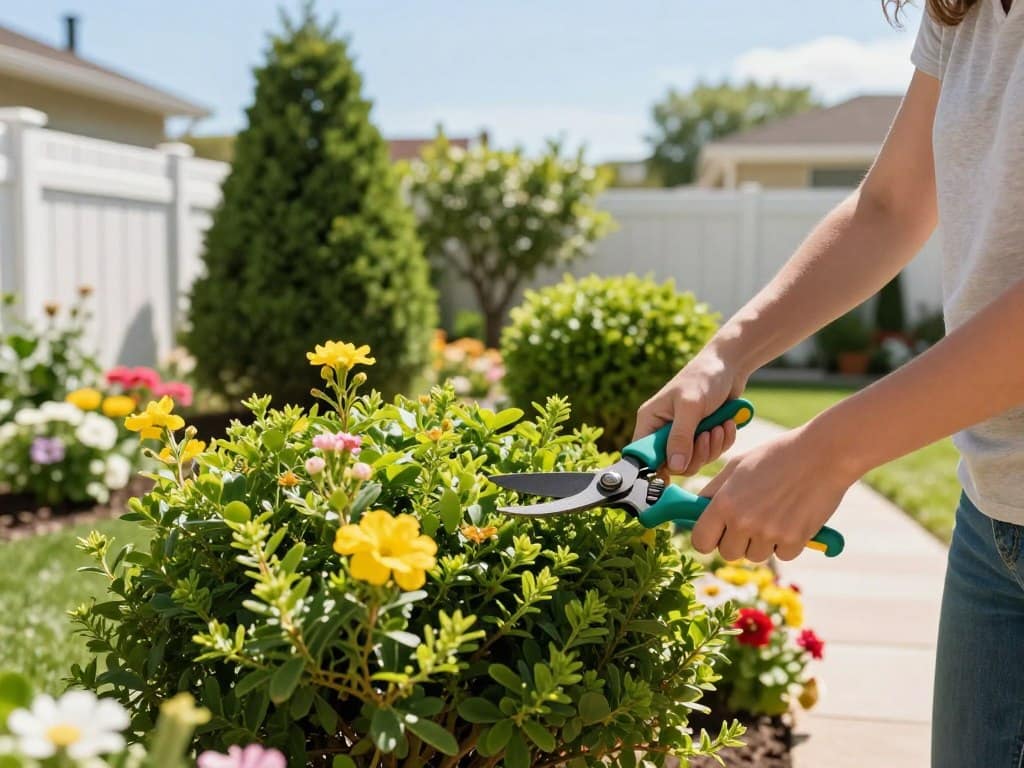



Could a single afternoon with garden shears accidentally ruin your home’s curb appeal for years? For a new owner, maintaining a beautiful home can feel like a guessing game. This guide simplifies the process so you can grow with confidence. Understanding the best way to manage your landscape prevents costly mistakes. Many people worry that learning how to trim bushes requires expert knowledge. However, basic bush and shrub trimming is a skill anyone can master with patience.
Vibrant greenery adds value and charm to any property. If the task seems daunting, searching for bush and shrub trimming near me connects you with local pros. This resource ensures your property stays beautiful and your foliage remains healthy.
Mastering these tasks protects your outdoor investment. New residents often feel nervous about making permanent mistakes. Fortunately, specific techniques make the work simple and rewarding.
Key Takeaways
- Remove dead, diseased, or damaged branches immediately.
- Avoid cutting more than one-third of the total foliage at once.
- Clean equipment prevents spreading boxwood blight.
- Maintain tapered shapes for optimal sun exposure.
- Check the natural balance frequently during the process.
Understanding the Basics of Bush and Shrub Trimming
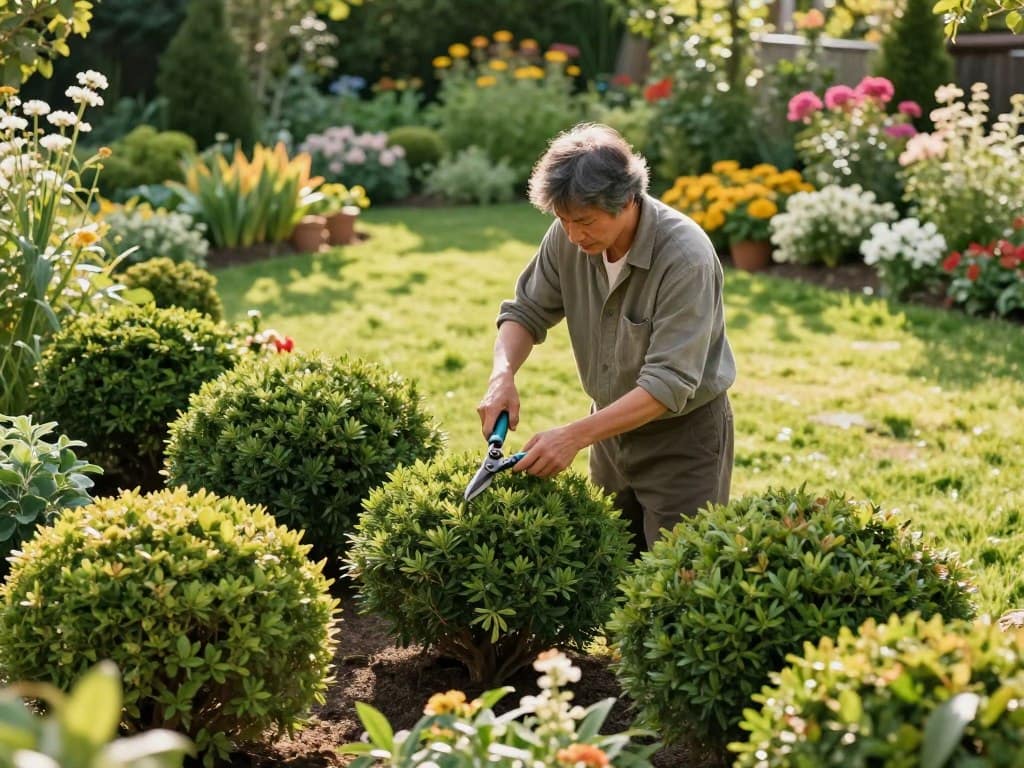
Successful yard maintenance begins with a clear grasp of how various cutting techniques affect plant vitality. Many beginners rush into the task and accidentally damage their landscape permanently. You must understand the “why” before you pick up your tools.
Why Proper Pruning Matters for Plant Health
Strategic pruning directs growth patterns and ensures your greenery stays strong and vibrant. By removing diseased branches, you allow more light and air to reach the center of the plant. This prevents fungal issues and keeps insects from making a home in dead wood.
Following proper pruning techniques helps prevent common mistakes that could kill your shrubs. Removing excess weight from damaged stems reduces stress on the entire shrub. It also ensures that the energy goes to healthy parts of the shrub.
The Difference Between Trimming and Pruning
While people use the terms interchangeably, they serve different purposes for your yard. Trimming focuses primarily on the appearance and shape of your shrubs. It usually involves light cuts to the outer foliage to keep things tidy.
In contrast, pruning involves removing specific branches to improve the overall structure of the plant. This strategic process is vital for directing future growth and ensuring long-term health. It goes deeper than just surface aesthetics.
Benefits of Regular Shrub Maintenance
Keeping up with a schedule offers more than just a neat yard for your neighbors. Regular maintenance leads to better flowering and a much longer lifespan for your shrubs. It builds a strong foundation that resists storm damage and pests.
When you take care of your greenery, the rewards show every spring. These foundational tips will help you feel confident as you head outside with your shears. You will soon see the difference in your landscape’s health.
Essential Tools and Materials for Trimming Bushes
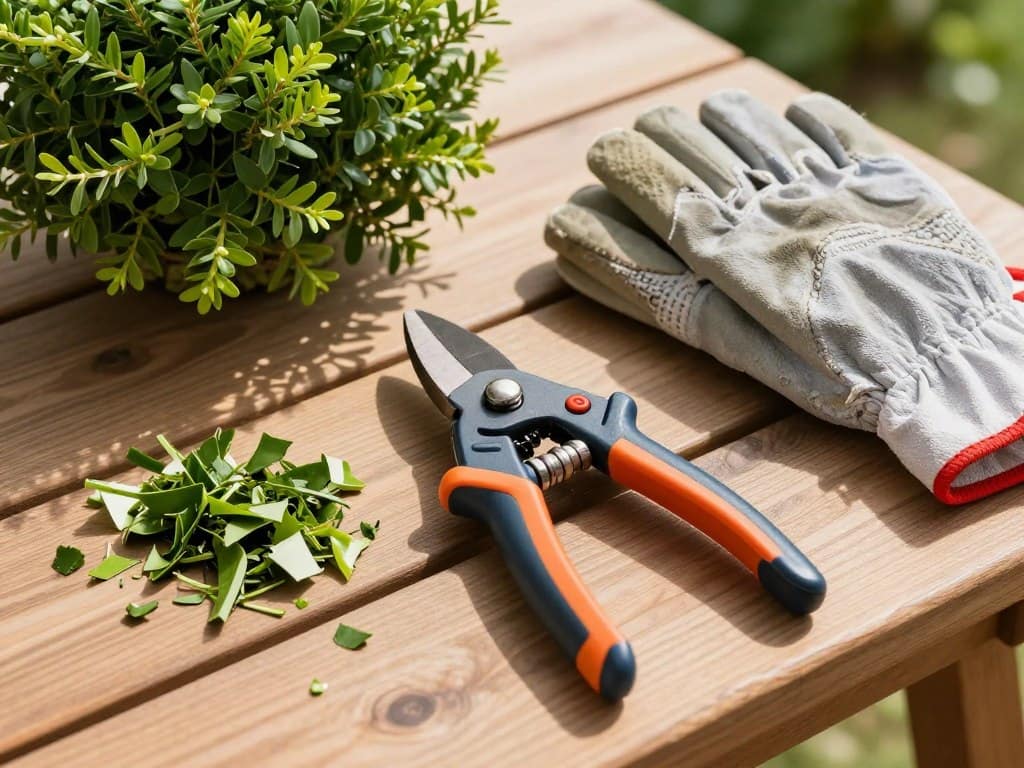
Successful landscaping begins with selecting the right gear to ensure your plants stay healthy and vibrant. Choosing the right tools is the foundation of any great garden project. You need a mix of manual and powered options to handle different stem thicknesses correctly.
Hand Pruners vs. Hedge Trimmers: Which to Choose
Choosing between hand pruners and motorized shears depends on your specific goals. You should use smaller hand implements for precise work and selective thinning of individual branches. These allow you to reach deep into the plant canopy without damaging nearby stems.
Power trimmers or large hedge shears are better for shaping the exterior of formal hedges. They help you finish large surfaces quickly. However, beginners often find that hand tools provide much more control during their first few sessions.
Why Bypass Pruners Are Better Than Anvil Pruners
For most homeowner tasks, you should choose bypass pruners over anvil models. Bypass blades act like scissors to create clean cuts that heal fast. This action involves two sharp blades sliding past one another for a smooth finish.
Anvil pruners, by contrast, crush the stem against a flat metal plate. This often results in tattered edges that invite disease and pests. Keeping your pruners sharp is the best way to protect your shrubs from unnecessary stress.
Additional Equipment You’ll Need
Beyond basic hand pruners, you might need loppers for branches over one inch thick. Long handles provide the leverage needed for tougher wood. Using the proper tools ensures you do not strain your wrists or damage your equipment.
Safety Gear for Protection
Always wear leather work gloves to protect your skin from thorns and sharp twigs. Use eye protection to shield yourself from flying debris. If you use electric tools, wear ear protection to prevent hearing damage during the process.
Cleanup and Preparation Materials
Preparation materials such as heavy-duty tarps make your life easier by catching every falling leaf. You can also use landscape stakes and mason line string to create perfectly straight lines for formal designs. Having these supplies ready saves you from making multiple trips to the garage.
When to Prune Your Bushes for Best Results
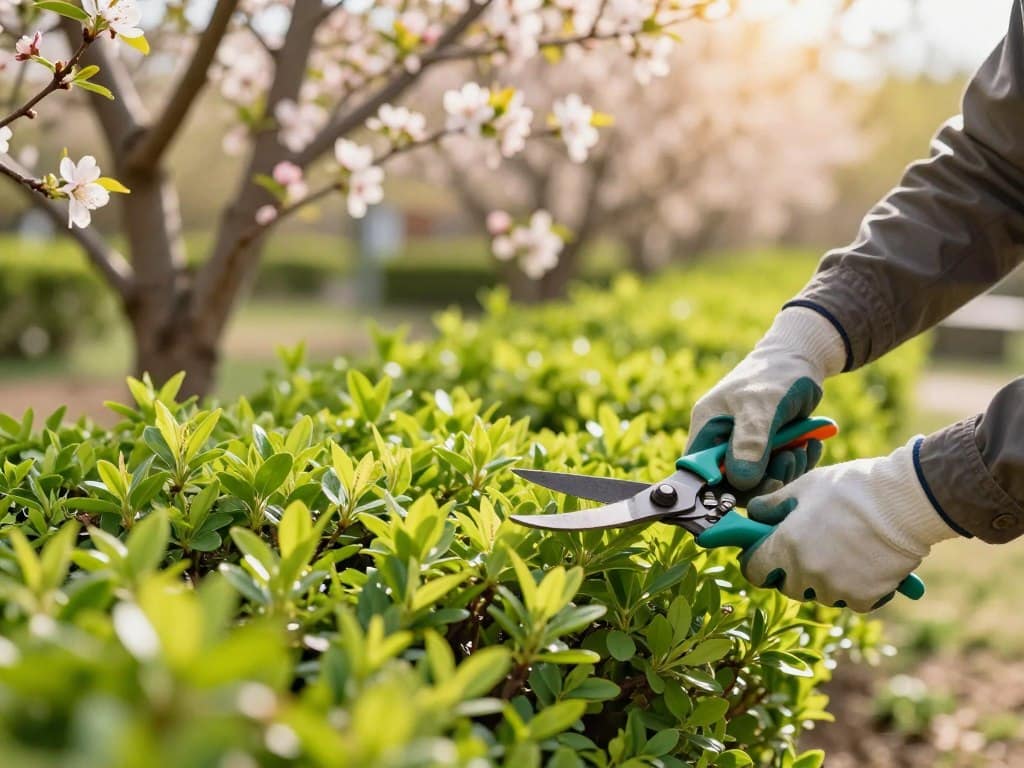
Deciding exactly when to pick up the shears is the most important choice you will make for your garden’s health. The best time to prune depends entirely on whether your plant produces blooms and when those flowers appear. Understanding these natural cycles helps you avoid accidentally removing next spring‘s growth.
Timing for Early-Spring Flowering Shrubs
You should trim early-spring flowering shrubs immediately after they finish their display for the season. These plants set their buds on old wood during the summer and fall. If you wait too long, you might cut off next year’s flowers before they even open.
Summer Flowering Plants Pruning Schedule
Summer-flowering plants require a different approach because they grow buds on new wood. You can safely clip these varieties in winter or early spring before new growth starts. This time gives the plant enough energy to produce vigorous branches and plenty of blooms.
Nonflowering Plant Pruning Windows
Nonflowering shrubs offer much more flexibility throughout the year. The ideal time to prune them is after their new growth has completely formed. However, you should finish this task before the plant enters dormancy in the fall.
Light Trimming Throughout the Year
You can perform light trimming at any time to remove dead, damaged, or diseased branches. This maintenance keeps the season’s growth healthy without waiting for a specific window. Regular care ensures your landscape remains beautiful and vibrant all winter long.
| Plant Type | Best Time | Key Benefit |
|---|---|---|
| Early-Spring Bloomers | Late Spring | Preserves flower buds |
| Summer Bloomers | Late Winter | Promotes new flowers |
| Evergreens | Mid-Summer | Maintains a neat shape |
| Damaged Wood | Any Season | Improves plant health |
How to Trim Bushes: Step-by-Step Techniques
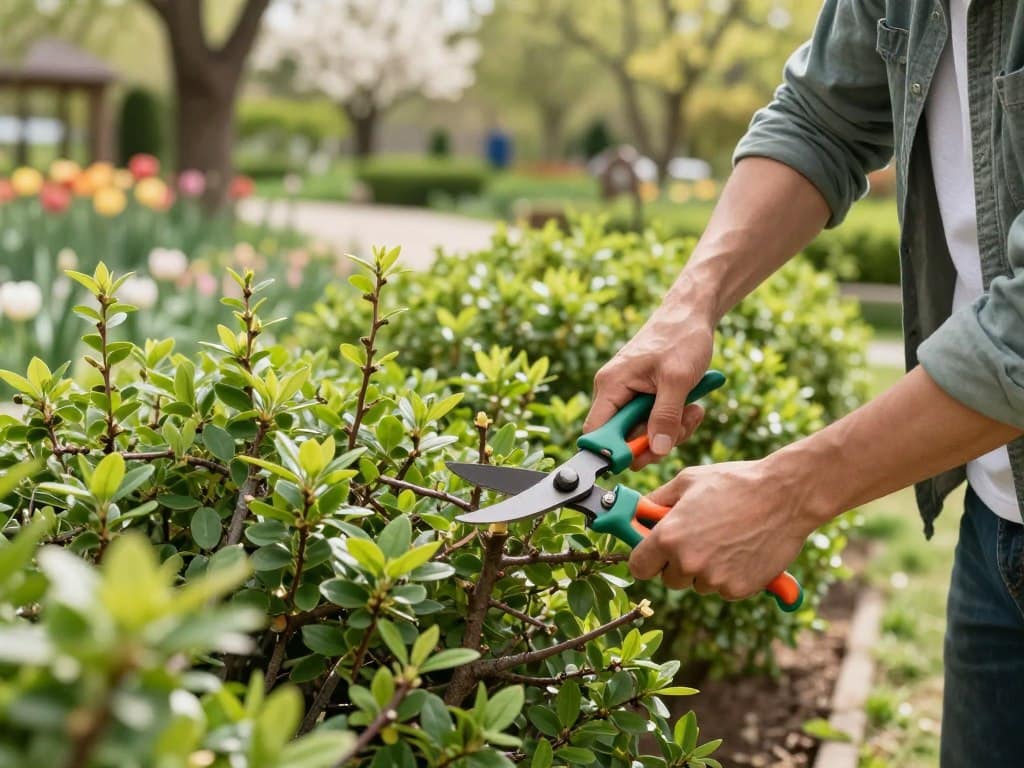
To achieve professional results in your garden, you must understand the specific actions that promote vigorous plant health. Using precise hand pruning techniques ensures you have control over every single cut. This careful approach prevents the plant from reacting poorly to improper cuts.
Step 1: Prepare Your Work Area and Safety Equipment
Before you begin trimming, clear the space around the shrub. Lay down large tarps to catch falling debris and make cleanup much easier. Always wear heavy-duty gloves and eye protection to stay safe while you work.
Step 2: Follow the One-Third Rule
The one-third rule is a fundamental principle of pruning success. Never remove more than one-third of the plant’s total growth during a single session. This prevents the shrub from going into shock and ensures it has enough foliage to stay healthy.
Step 3: Make Strategic Cuts to Healthy Buds
Identify a big, healthy bud on the stem before you make a cut. The size of this bud determines how much growth will emerge in the coming season. Remember that the direction the buds face will dictate where the new branches will grow.
Cutting Main Branches to Side Laterals
You can reduce the height of the shrub by cutting a main branch back to a side lateral. This method shortens the branches while preserving the side buds that regulate future development. It is an effective way to keep the plant’s size under control.
Removing Side Laterals Back to Main Branches
If the shrub is becoming too wide, remove side laterals back to the main branches. The main branch will still have the necessary nodes to control the plant’s shape. This technique helps thin out the exterior of the plant for a cleaner look.
Cutting Central Branches Between Others
To improve airflow, reach deep into the plant to remove central branches. Removing these interior branches allows the side laterals to flourish without becoming tangled. This process keeps the center of the shrub from becoming a haven for pests or disease.
Step 4: Make Clean, Straight Cuts for Quick Recovery
Always use straight cuts rather than slanted ones to minimize the wound size. A straight cut allows for faster healing and prevents rot from setting in. Be careful not to leave a stub or damage the nearby bud with your blades.
Step 5: Step Back and Assess Your Progress Every Few Cuts
It is easy to get carried away when you are focused on individual cuts. Stop and step back every three to five techniques to look at the overall shape of the plant. This perspective helps you make better decisions and prevents over-thinning the shrub.
| Action Type | Target Area | Primary Goal |
|---|---|---|
| Heading cut | Healthy bud | Direct new stems |
| Thinning | Main branch | Increase light |
| Hand Snips | Small branch | Detail shaping |
Trimming Different Types of Bushes and Shrubs

Tailoring your approach to specific shrub varieties ensures your landscape remains vibrant and tidy. Each species in your yard responds differently to shears based on its bloom cycle and branch structure.
Identifying whether your plants produce flowers on old or new growth is the first step. This vital knowledge prevents you from accidentally removing next year’s beautiful display during your trimming routine.
Different bushes require unique timing to stay healthy and maintain their desired size. Using the right technique for each category will promote better health and more impressive blooms across your property.
Deciduous Varieties: Hydrangeas, Lilac, and Butterfly Bushes
Hydrangea Pruning Specifics by Type
Success with hydrangea pruning depends entirely on the variety you own. Bigleaf hydrangeas bloom on old wood and need maintenance right after flowers fade in early fall.
Smooth hydrangeas differ because they bloom on new growth. You can cut back these varieties significantly in early spring to encourage larger, though fewer, flower heads.
Regardless of the type, you can safely remove up to a third of the plant to reduce its overall size. Always target branches at their base to thin out the existing wood and allow air to circulate.
Butterfly Bush Trimming Timing
Wait until you see new growth appearing in the spring before you trim your butterfly bush. Cutting these bushes in early fall can lead to severe winter damage in colder climates.
Lilac Bush Care and Maintenance
Perform your lilac bush trimming immediately after the spring flowers finish blooming. If you wait until early fall, you will likely cut away the buds that are already forming for the next year.
Forsythia and Beech Hedge Techniques
Prune your forsythia hedge after its yellow flowers drop but before mid-July arrives. This schedule gives the plant enough time to develop buds for the following season.
For a beech hedge, trim in early June and again in early August to promote a fresh leaf display. Always taper the top more narrowly than the base so sunlight reaches all the lower foliage.
Evergreen Hedge Trimming Strategies
Narrow-Leaved Evergreens (Pines and Junipers)
Narrow-leaved plants like pines and junipers generally require very little trimming to maintain their health. Focus on cutting the tips annually to keep them tidy and manage their expansion.
Young pines may need more attention to ensure even growth. You can cut back the top branch to a dormant bud to help the tree maintain a balanced form.
Broad-Leaved Evergreens (Azaleas and Pyracantha)
Broad-leaved evergreens are low-maintenance additions to any yard. Your annual efforts should focus on removing weak stems several inches into the foliage to maintain a clean shape.
Pruning this type of plant helps keep the leaf density high. Focus on shaping the plant to fit your space while removing any dead or diseased wood you find.
Upright Hedges and Formal Shrub Shaping
Upright plants like privet, hawthorn, and buxus require trimming twice a year to maintain a formal shape. Schedule these sessions for the spring and early fall to keep the hedge looking sharp.
Use stakes and string as visual guides to ensure your lines remain perfectly straight. Always keep the base of the bush wider than the top to prevent bare spots from a lack of sun.
Hand pruning these deciduous plants back to their point of origin is better than using power tools. This method creates controlled new growth instead of the wild regrowth common with power hedge trimmers.
Common Bush Trimming Mistakes to Avoid
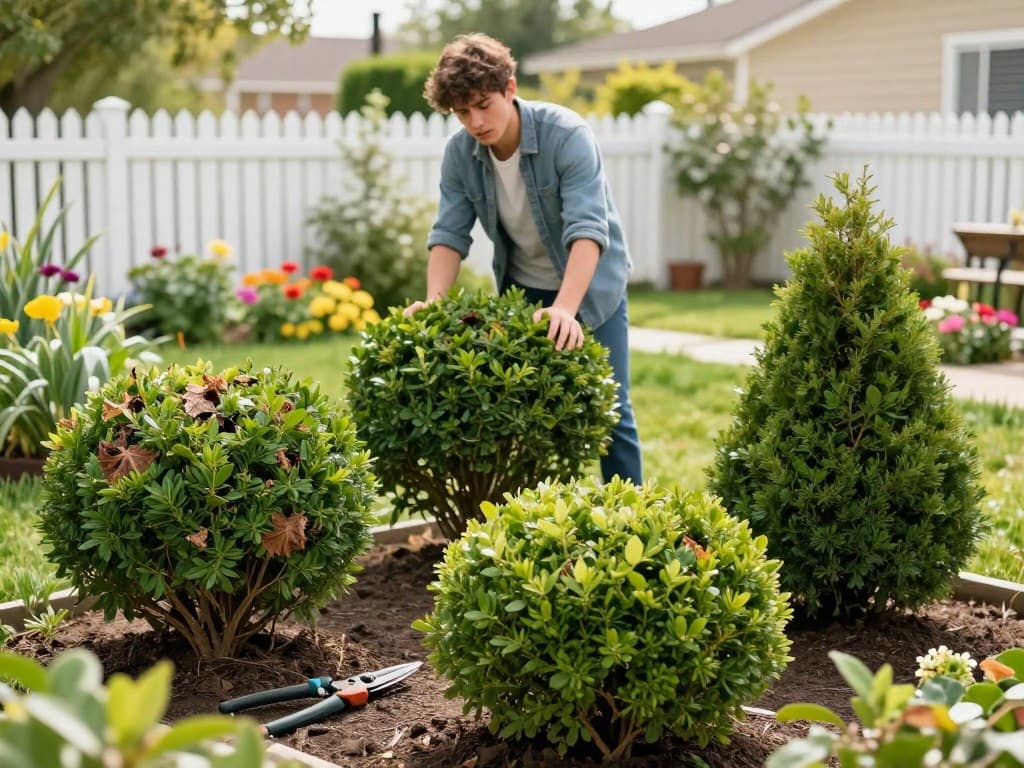
Many homeowners unknowingly damage their greenery by following common but incorrect maintenance habits. While your goal is a tidy yard, certain actions can invite disease or stunt growth. Knowing what to watch for helps your shrubs thrive throughout the year.
The Hydra Effect: Why Hedge Trimmers Can Create More Work
Using powered tools for hedge trimming often results in split branches and jagged edges. This micro-damage invites pathogens and slows the healing process. Heavy hedge trimming with dull blades causes significant damage to the bark and underlying wood.
The biggest issue is cutting off the buds that regulate growth. This triggers the “hydra effect,” causing an explosion of new shoots. You might end up trimming five times a season instead of once every two years with hand shears.
Cutting Too Much Growth at Once
Ignoring the one-third rule is a major error for any shrub. Removing too much foliage at once shocks the system and can lead to plant death. This heavy pruning leaves the shrubs vulnerable to pests and environmental stress.
Making Improper Cuts That Won’t Heal Properly
When you leave long stubs or cut too close to a bud, the wound cannot close. These open areas on branches become easy entry points for disease. Making a clean, angled cut ensures the plant stays healthy and recovers quickly.
Ignoring Plant-Specific Pruning Needs
Every plant has its own schedule. Proper pruning requires knowing if your plant blooms on old or new wood. If you treat all shrubs the same, you might accidentally remove future flower buds and ruin the season.
| Mistake Type | Consequence | Better Approach |
|---|---|---|
| Over-trimming | Plant shock and death | Follow the one-third rule |
| Dull Blades | Jagged, torn branches | Sharpen tools before use |
| Wrong Timing | No flowers next season | Check specific species needs |
| Shearing Everything | Weak, crowded growth | Use selective hand pruning |
When to Call Professionals for Bush and Shrub Trimming Near Me
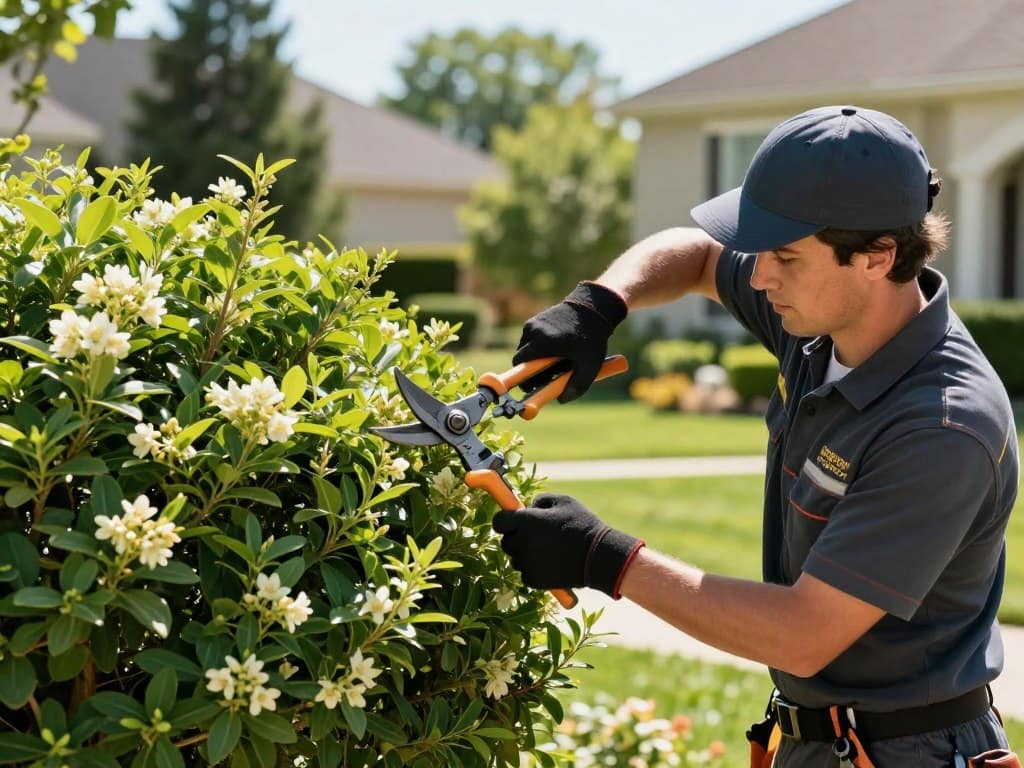
Even the most dedicated homeowners occasionally reach a point where professional intervention becomes necessary for their greenery. While basic maintenance is manageable for many, certain situations require specialized knowledge and heavy-duty equipment. Searching for bush and shrub trimming near me connects you with experts who can protect your garden investment.
These specialists ensure your greenery stays healthy and vibrant for many years. They understand the unique needs of different species and the proper timing for every cut.
Signs You Need Professional Help
You should consider professional help if your landscape features overgrown shrubs that haven’t been maintained for several years. Massive bush varieties often grow tall enough to require professional-grade ladders or aerial lifts for safe access. If you own valuable specimen plants, expert intervention prevents the accidental damage that often occurs during heavy DIY trimming.
Benefits of Certified Arborist Services
Certified arborists bring deep biological expertise to your private landscape. They can restore even severely neglected plants to their former beauty using advanced techniques. Their knowledge of seasonal timing ensures each shrub thrives and remains disease-free throughout the growing season.
What to Expect from Professional Hand Pruning
Most experts prioritize careful hand pruning over generic gas-powered shears. This method involves making precise, strategic cuts that help the plant recover and grow stronger. Unlike mass shearing, professional pruning focuses on the long-term health and natural silhouette of the bush.
How Professional Pruning Saves Time and Money Long-Term
Investing in a pro will save time because they prevent the rapid, messy regrowth caused by improper cuts. Correct pruning methods mean you only need professional service once a year or every two years. You save time and money by extending the life of your greenery and avoiding expensive plant replacements.
Conclusion
Mastering the art of landscape maintenance is a journey that starts with your first set of shears and a bit of patience. Learning how to trim bushes properly is one of the most valuable skills you can develop as a homeowner. This guide has provided the essential knowledge needed to confidently manage your shrubs without causing lasting damage. You now have the power to transform every plant in your outdoor space.
By following the one-third rule, you can promote vigorous new growth. This new growth helps you maintain a manageable shape and size. Making strategic cuts to healthy buds ensures your plants remain vibrant and strong. Remember that different bushes have unique needs throughout the year. For example, spring-flowering shrubs need attention after they bloom to keep every bush healthy and vibrant.
However, summer-flowering shrubs often benefit from pruning in the late winter. Maintaining a privacy hedge requires consistent care to keep the foliage dense. These privacy shrubs add lasting value to your home. Focus on using hand trimming techniques rather than just reaching for the hedge trimmers to trim bushes. These methods create a more natural look for various bushes.
This approach helps you avoid the hydra effect and reduces the risk of plant disease. Removing a dead branch or old wood in the fall is a great way for a young plant to start. As you watch your garden grow each year, you will learn how each bush responds to your care. Whether you are shaping a lilac or thinning out a butterfly shrub, these instructions help your individual plant succeed.
Your investment in proper pruning will improve your property’s curb appeal and the health of every leaf. Professionals offer services for large or valuable specimen shrubs. They use precise methods to handle difficult branches and high growth. Apply these tips to trim bushes in your yard. Use this skill to trim bushes safely. Well-kept shrubs and a thick hedge provide a beautiful backdrop for your favorite ornamental shrubs. These hardy shrubs and a healthy hedge define your garden’s beautiful shape and size.