



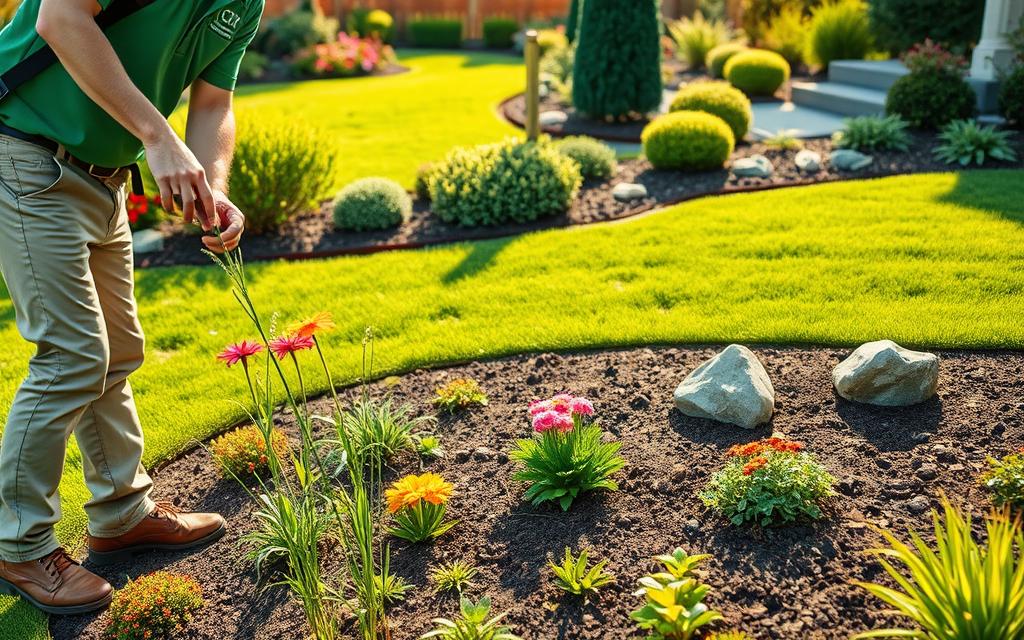
Sarah admired her neighbor’s lush, green lawn every morning. Her own yard, however, had patches of clover and dandelions. She tried spraying chemicals, but the unwanted plants always returned. One Saturday, she noticed her neighbor wasn’t just spraying. He was aerating the soil and adjusting his sprinkler system as part of his routine yard work. This observation sparked a realization. Effective weed control management isn’t a separate battle. It works best when woven into regular landscaping care. This approach uses a mix of methods—like proper mowing and smart watering—to stop problems before they start.
This combined strategy is more effective and kinder to the environment than relying only on herbicides. The goal isn’t total elimination. It’s about keeping weeds at a level where they don’t harm the beauty or health of your landscape. True management means seeing these plants as clues, pointing to underlying issues in your yard’s health.

Key Takeaways
- Combining weed control with regular landscaping tasks creates a more sustainable approach.
- Integrated strategies are more effective and environmentally sound than relying solely on chemicals.
- The goal is to reduce weeds to an acceptable level, not achieve complete eradication.
- Routine maintenance like mowing and irrigation directly influences weed growth.
- Proper cultural practices often prevent weed invasions better than reactive treatments.
- Viewing weeds as indicators of landscape health helps address root causes.
Understanding Weed Control in Landscaping
The definition of a weed is surprisingly subjective in landscape management. Essentially, any plant growing where it’s not wanted qualifies. This means the same species might be valued in one setting but considered a problem in another.
Many common landscape invaders started as ornamental plants that escaped cultivation. These species now compete with intentionally planted vegetation for resources. Property owners should recognize that not all unwanted plants are entirely problematic.
Certain species provide valuable ecosystem services. They offer nectar and pollen for pollinators like honeybees. Some create habitat for beneficial insects that help manage pests.
The complexity increases when considering that some plants harbor diseases. These can transfer to desirable landscape vegetation. Effective management requires distinguishing between plant categories like broadleaves, grasses, and sedges.
Understanding whether species follow annual, biennial, or perennial life cycles determines which methods work best. Some plants may be designated as noxious by local authorities. This creates legal obligations for property owners.
The foundation of successful management lies in accurate identification. This enables professionals to exploit specific weaknesses in each species’ growth patterns. Proper identification turns random removal into strategic management.
The Importance of Integrated Weed Management
Modern landscape care emphasizes holistic methods that combine multiple techniques for sustainable results. This approach moves beyond single-solution thinking to create comprehensive systems.
Integrated vegetation management brings together four main approaches. Each method contributes unique advantages to the overall strategy.
| Method Type | Key Features | Primary Benefits | Best Applications |
|---|---|---|---|
| Cultural | Proper mowing, fertilization, irrigation | Prevents establishment | Ongoing maintenance |
| Physical | Hand pulling, cultivation, mulching | Immediate removal | Small infestations |
| Biological | Beneficial insects, competitive plants | Natural suppression | Long-term balance |
| Chemical | Selective herbicides, spot treatments | Targeted action | Specific problems |
The combination of these methods creates a robust defense system. Property managers find this approach more effective than relying on any single technique.
Environmental benefits become immediately apparent. Reduced chemical use protects soil health and water quality. This strategy also proves more economical over time.
Different situations require different combinations of methods. The flexibility of integrated management allows for customized solutions. This adaptability makes it suitable for various landscape types and conditions.
Assessing Your Landscape and Weed Problems
The presence of certain plants can serve as indicators of underlying maintenance issues needing correction. A proper assessment starts with identifying exactly which vegetation is growing where it shouldn’t be.
Identifying Common Weed Species
Accurate plant identification forms the foundation of effective weed control programs management. Knowing whether a species follows an annual, biennial, or perennial life cycle determines the best approach for removal.
Common lawn invaders like crabgrass and dandelions each signal different maintenance deficiencies. Annual bluegrass often indicates overwatering, while white clover suggests low nitrogen fertility.
Evaluating Weed Impact on Aesthetics and Plant Health
Property owners should assess how unwanted plants affect visual appeal and compete with desirable vegetation. Some species aggressively steal water, nutrients, and light from preferred plants.
Documenting distribution patterns across the property helps identify problem areas. Heavy infestations often correlate with specific conditions like shade, foot traffic, or poor irrigation coverage.
University extension publications and online databases provide excellent resources for unfamiliar plant identification. This knowledge turns random removal into strategic landscape management.
Key Components of an Effective Weed Management Strategy
Building a successful approach to unwanted vegetation begins with clear objectives and realistic expectations. Property owners should determine what level of plant diversity is acceptable for their landscape’s specific purpose.
Prevention forms the cornerstone of any intelligent strategy. Stopping problems before they start proves far more efficient than dealing with established infestations. This forward-thinking approach saves both time and resources.
Cultural methods create an environment where desired plants thrive. Proper irrigation, fertilization timing, and mowing height give preferred vegetation a competitive advantage. These maintenance adjustments make landscapes naturally resistant to invasion.
Mechanical options like hand-pulling and mulching offer immediate, chemical-free solutions. When applied during the right growth stages, these physical techniques work remarkably well. They complement other methods in the overall management plan.
Chemical interventions serve as targeted tools within the broader strategy. Selective herbicide applications address specific problems when other methods fall short. Judicious use ensures environmental responsibility.
The most effective approach integrates all components into a coordinated system. Regular monitoring allows for adjustments based on seasonal patterns and results. This adaptive management creates lasting landscape health.
Implementing Weed Control Programs
Effective chemical interventions depend on precise product selection and strategic timing of applications. Property managers must approach herbicide use as a targeted component within their broader vegetation management strategy.
Choosing the Right Herbicides and Products
Accurate plant identification guides proper herbicide selection. No single product effectively manages all species, making correct identification essential.
Reading product labels before purchase ensures appropriate selection. Labels specify approved application sites and target species. They also detail safety precautions and environmental considerations.
Understanding herbicide types improves effectiveness. Contact herbicides affect only sprayed tissues, while systemic types move throughout plants. Systemic herbicides work better for perennial species.
Establishing Application Frequency and Timing
Application timing significantly impacts herbicide performance. Young, actively growing plants are most vulnerable to treatment.
Preemergence herbicides require application before seed germination. Postemergence products work best on established but young vegetation. Proper timing maximizes product effectiveness.
Calibrating equipment ensures correct application rates. This prevents under-application that leads to resistance and over-application that wastes resources.
The Role of Cultural and Mechanical Methods
Non-chemical techniques form the foundation of environmentally conscious landscape care. These approaches work by creating conditions where desired plants thrive while limiting opportunities for unwanted vegetation.

Physical interventions offer immediate results without chemical dependency. They complement other strategies in an integrated approach.
Hand Weeding and Mowing Techniques
Manual removal works best for annual and biennial plants when they’re young. Early intervention prevents seed production and reduces future problems.
Hand techniques disturb soil minimally, keeping dormant seeds buried. This method proves most effective before flowers develop.
Hoeing cuts plants at soil level with little disruption. It works well for broadleaf species but may miss grass growing points.
Proper mowing prevents seed production in tall-growing plants. Each turfgrass species has specific height requirements for optimal health.
The standard guideline removes no more than one-third of the leaf blade per cutting. Severe mowing stresses grass and invites invasion.
Equipment selection ranges from simple hand tools to power machines. Choice depends on property size, plant types, and available labor.
Cultivation manages annual plants by uprooting them. However, it can spread perennial species through root fragmentation.
Exploring Biological Weed Management Advantages
Nature provides its own checks and balances in the world of plant competition. Biological approaches harness this natural regulation by introducing specific enemies of problem plants.
This method employs insects, diseases, and other organisms that target unwanted vegetation. Once established, these natural predators create a self-sustaining system.
The goal is suppression rather than complete elimination. Biological agents maintain plant populations at manageable levels where they cause minimal damage.
| Method | Primary Mechanism | Timeframe | Best Setting |
|---|---|---|---|
| Biological | Natural predation | Long-term | Large open areas |
| Chemical | Direct toxicity | Immediate | Targeted spots |
| Mechanical | Physical removal | Short-term | Small infestations |
Successful examples include cinnabar moth larvae controlling tansy ragwort. Leaf-feeding beetles effectively manage St. Johnswort populations.
Residential landscapes often lack sufficient space for biological approaches. Homeowners typically prefer faster results than natural predators provide.
Large areas like pastures and roadsides offer ideal conditions. Extensive plant populations can support sustainable predator communities.
Property managers should understand this method works gradually. Natural enemy populations need time to establish and become effective.
The specificity of biological agents protects desirable plants. However, separate solutions are needed for different problem species.
Strategies for Preventing Weed Invasions
Stopping unwanted plants before they take root is the smartest approach to landscape care. Prevention saves time and resources compared to dealing with established infestations. Careful planning during turf installation creates lasting protection.
Unwanted vegetation enters through multiple pathways. Contaminated topsoil, compost, and purchased plants are common sources. Even clothing, equipment, and pets can carry problematic seeds into clean areas.
Utilizing Mulching and Soil Preparation Methods
Proper site preparation forms the foundation for prevention. Remove existing vegetation before planting new areas. Work the soil thoroughly to eliminate buried weed propagules.
Mulching creates a physical barrier against germination. Organic options like bark and compost need two-to-several-inch layers. These materials block sunlight from reaching weed seeds below.
Inorganic barriers like landscape fabric offer longer-lasting protection. They require covering with decorative mulch for both function and aesthetics. Both methods effectively suppress emergence in planted areas.
Property owners should source materials carefully. Purchase certified weed-free topsoil and mulch from reputable suppliers. Inspect all new plants before introducing them to prevent accidental invasions.
Seasonal Timing: Aligning with the Growing Cycle
The changing seasons create distinct opportunities for addressing unwanted plant growth. Property managers who understand these natural rhythms can time their interventions for maximum effectiveness throughout the year.
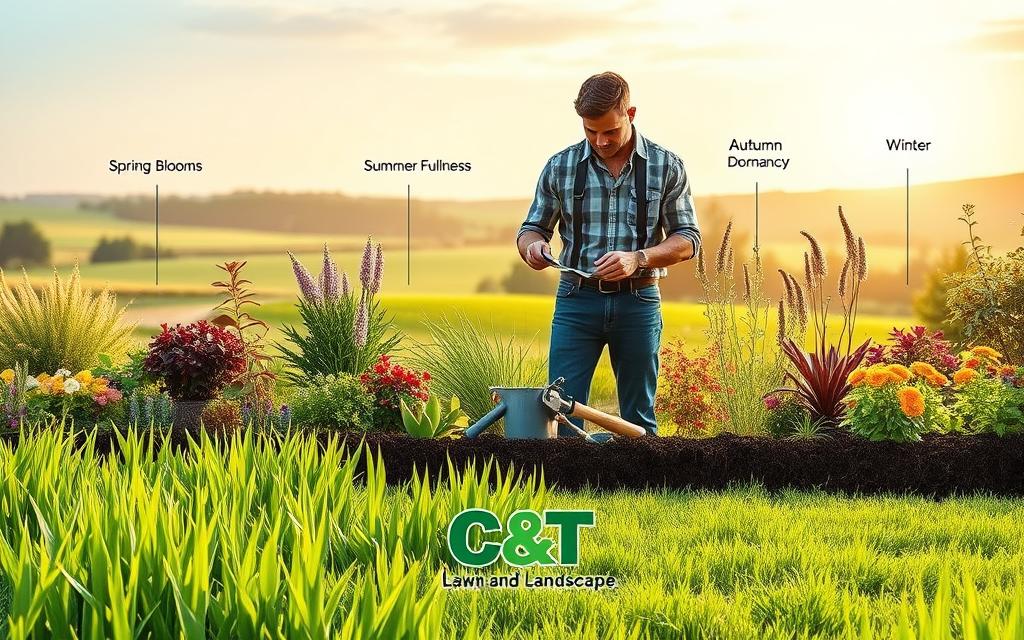
Spring represents a critical time for preemptive action. Preemergence applications work best before summer annuals germinate. This early timing prevents problems before they establish.
Summer management focuses on plants that escape earlier efforts. Increased mowing frequency or postemergence treatments help during the active growing season. These methods prevent seed production when vegetation is most vigorous.
Fall offers superior timing for certain perennial species. Plants like marestail and spotted knapweed respond well to autumn applications. This season allows herbicides to move throughout the plant as it prepares for winter.
Turfgrass establishment also follows seasonal patterns. Warm-season grasses thrive when planted from mid-spring to midsummer. Cool-season varieties establish best in early spring or fall.
Coordinating these activities with natural cycles creates a comprehensive approach. Each season provides unique advantages for maintaining landscape health. Proper timing turns random efforts into strategic management.
Integrating Regular Maintenance with Weed Management
Proper cultural practices form the foundation of sustainable landscape health. Routine maintenance tasks work synergistically to create conditions where desirable plants thrive naturally.
This integrated approach makes the entire property management system more efficient. Cultural methods simultaneously maintain plant health while suppressing unwanted vegetation.
Proper Irrigation and Fertilization Practices
Many lawns receive incorrect watering that weakens turfgrass. Deep, infrequent irrigation encourages healthy root growth in the soil.
Light, frequent watering creates shallow-rooted grass that cannot compete effectively. Ideal watering penetrates soil to depths of 6-8 inches.
Proper turf fertilization maintains dense, vigorous turf that shades the soil. Most lawns need about four applications annually during active growth.
Optimizing Mowing and Thatch Management
Correct mowing height specific to each turfgrass species maintains vigor. Following the one-third rule prevents stress on the grass.
Thatch is an organic layer between grass blades and soil surface. Regular monitoring prevents buildup exceeding one-half inch thickness.
Proper mowing and thatch management ensure nutrients reach roots. This prevents conditions favoring certain unwanted species.
Choosing Equipment and Application Methods
Choosing the right application equipment can make the difference between targeted results and unintended damage. Proper selection of tools ensures treatments reach their intended targets without harming desirable plants.
Property managers should maintain dedicated sprayers exclusively for herbicide applications. Using the same equipment for other products like insecticides or fertilizers risks cross-contamination. Even trace residues can damage sensitive vegetation during subsequent use.
Equipment calibration is essential for proper application rates. This prevents both under-application that fails to manage vegetation and over-application that wastes resources. Following label directions ensures correct herbicide amounts per unit area.
| Equipment Type | Best Applications | Key Considerations |
|---|---|---|
| Hand-held Sprayers | Spot treatments, small areas | Easy to calibrate, portable |
| Backpack Sprayers | Moderate-sized properties | Even coverage, adjustable nozzles |
| Tow-behind Spreaders | Large-scale granular applications | Consistent distribution, wide coverage |
Weather conditions significantly impact application success. Avoid spraying during windy periods to prevent drift to non-target plants. Schedule treatments when rain isn’t forecast within the label-specified timeframe.
Protective measures like physical barriers may be necessary near desirable plants. These prevent spray drift or direct contact that could cause injury. Equipment maintenance includes thorough cleaning after each use to prevent cross-contamination.
Mowing equipment requires special attention to prevent spreading unwanted plant material. Cleaning mower decks and undersides after use in infested areas prevents transportation to clean zones. These careful methods protect the entire landscape.
Adapting Weed Control to Diverse Landscape Areas
A one-size-fits-all approach to vegetation management fails because each landscape zone presents unique challenges and requirements. The variety of plants and planting situations makes it impossible to find one solution suitable for all different areas.
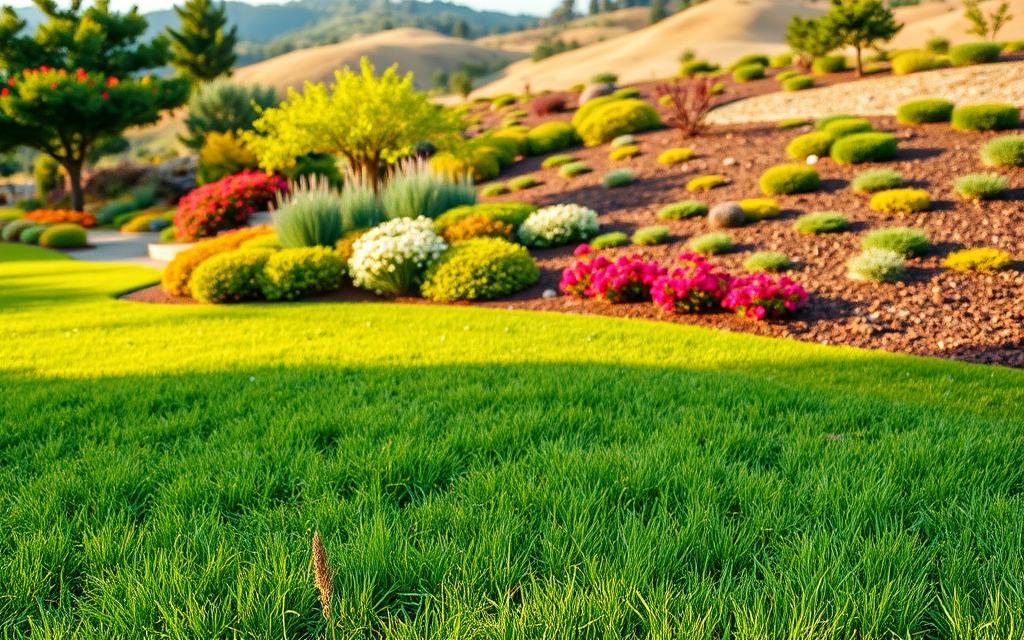
Turf grass areas demand strategies that selectively target unwanted plants without harming desirable lawn grasses. These sites typically employ selective treatments compatible with specific turf species.
Ornamental planting beds benefit from preventive approaches. Landscape fabric combined with mulch layers blocks unwanted plant emergence. Targeted spot treatments handle any breakthrough vegetation.
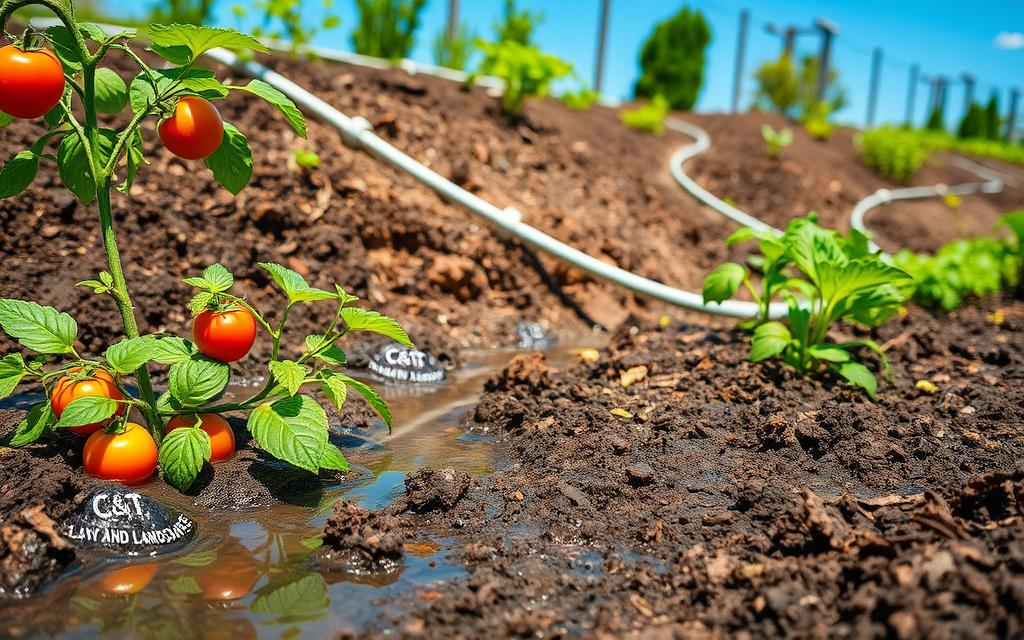
Vegetable gardens require special consideration since many chemicals cannot be used near edible crops. Cultural methods like mulching and hand removal become primary tools in these food production sites.
Hardscape zones including patios and walkways tolerate more aggressive methods. Non-selective treatments work well here since no desirable plants need protection.
Naturalized areas may intentionally tolerate certain plant species that provide wildlife value. Management focuses only on invasive vegetation threatening native plant communities.
Property managers should map their landscapes into distinct zones based on plant types and intended use. Developing zone-specific strategies proves more effective than uniform treatment across different areas.
Monitoring and Adjusting Your Weed Management Program
The most effective approaches to landscape maintenance involve continuous assessment and adaptation. Property managers should track which species appear and where they concentrate throughout the growing season.
Regular observation reveals seasonal patterns, showing when different plants emerge. This knowledge helps time preventive measures appropriately for maximum impact.
Maintaining detailed records creates a valuable knowledge base for future decisions. Documentation should include species observed, methods applied, and results achieved.
| Monitoring Aspect | Key Information to Track | Adjustment Opportunities |
|---|---|---|
| Species Identification | Which plants appear and when | Modify herbicide selection |
| Infestation Locations | Where problems concentrate | Target specific areas |
| Method Effectiveness | How well treatments work | Improve application timing |
| Seasonal Patterns | Emergence throughout the year | Adjust preventive measures |
Early detection of new species allows immediate intervention when populations are small. This approach proves most efficient and cost-effective.
Evaluating herbicide performance involves assessing both immediate results and residual activity. Property managers should determine whether products meet expectations.
Areas with particularly problematic vegetation require special attention. These zones may need intensive management strategies for effective suppression.
Monitoring should extend beyond treated areas to include potential seed sources. Unmowed borders, compost piles, and soil stockpiles can contribute to reinfestation.
Program effectiveness should consider multiple factors beyond simple suppression. Cost-efficiency, labor requirements, and environmental impacts all contribute to sustainable management.
Future Trends and Innovations in Weed Management
Emerging innovations promise to revolutionize traditional methods of landscape maintenance. The field of vegetation management is experiencing rapid technological advancement.
Precision agriculture tools are becoming more accessible. GPS-guided sprayers and drone imaging allow targeted treatment of individual plants. This reduces chemical use while improving effectiveness.
| Innovation Type | Key Technology | Primary Benefit | Application Scale |
|---|---|---|---|
| Precision Application | AI recognition systems | Reduced herbicide use | Large landscapes |
| Biological Solutions | Bioherbicides | Environmental safety | Organic settings |
| Robotic Systems | Automated weeding | Labor efficiency | High-value areas |
| Digital Tools | Mobile applications | Real-time decision support | All property sizes |
New herbicide chemistries address resistance issues. Responsible stewardship remains essential for these tools. Biological control methods offer natural alternatives.
Robotic systems provide mechanical removal options. They minimize chemical inputs in sensitive areas. This process represents a shift toward integrated approaches.
Sustainable practices will adapt to climate changes. Educational resources through digital platforms help managers make informed choices. The future of vegetation management balances effectiveness with environmental responsibility.
Conclusion
The journey toward sustainable outdoor spaces centers on strategic vegetation oversight. This approach recognizes that complete elimination of unwanted plants is neither practical nor necessary for most properties.
An integrated system combines routine maintenance with targeted interventions. Property managers achieve better results by addressing underlying causes rather than just treating symptoms. This balanced method reduces chemical dependence while maintaining attractive landscapes.
Successful management requires ongoing observation and adaptation, whether you rely on hands-on experience or professional weed control services near me. Each growing season offers opportunities to refine strategies based on what works. Learning from both successes and challenges leads to continuous improvement.
By viewing plant care as a unified process, property owners create efficient, environmentally responsible approaches. These methods serve immediate needs while promoting long-term landscape health and beauty.