

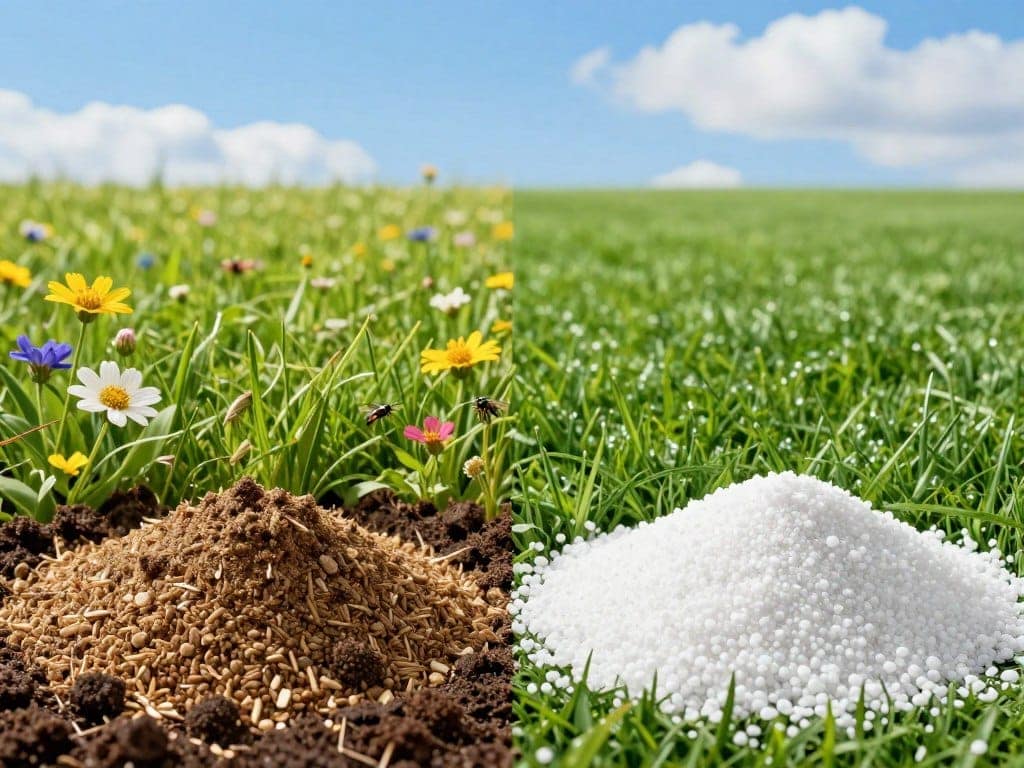




What if the secret to a perfect lawn isn’t in the bag, but in the soil beneath it—even when using turf fertilizer? Many homeowners spend hours and dollars chasing green grass, only to see thin patches and weeds return. Your choice of nutrients, including the right turf fertilizer, does more than feed the grass. It shapes the long-term health of your soil and the vitality of your entire yard. A quick fix might give a green burst, but the right selection builds resilience.
This decision impacts everything from water retention to root strength. It’s the difference between a lawn that survives stress and one that thrives. We compare organic and synthetic options to cut through the noise.
You want a lush, green space without guesswork. Understanding the core differences helps you invest wisely. Let’s find the best solution for your soil and your goals.
Key Takeaways
- The health of your soil is just as important as the grass you see above it.
- Your fertilizer choice has long-term effects on yard resilience and appearance.
- Organic and synthetic options feed your lawn in fundamentally different ways.
- Consider both immediate results and future soil condition when choosing.
- Investing in the right product can save you money and effort over time.
- A thriving lawn is built on consistent, informed care practices.
Introduction to This Turf Fertilizer Buying Guide
Your journey to a thicker, greener yard begins with understanding the two main paths to nourishment. This guide is designed to help you shop with confidence.
We break down the core differences between natural and man-made plant food. You will learn how each option affects your soil and grass over time.
Overview of Organic and Synthetic Approaches
Organic lawn fertilizers come from natural materials like compost or manure. They release nutrients slowly as they break down.
Synthetic formulas are manufactured chemicals that feed grass quickly. Each approach has a unique impact on soil biology and plant growth.
Why Fertilizer Choices Matter for Lawn Health
Proper feeding prevents grass from thinning and losing color. This is vital for a dense, healthy lawn that resists weeds and drought.
Your selection influences root strength, water use, and long-term vitality. Investing in the right seed and nutrients now saves effort later.
Understanding Organic vs. Synthetic Fertilizers
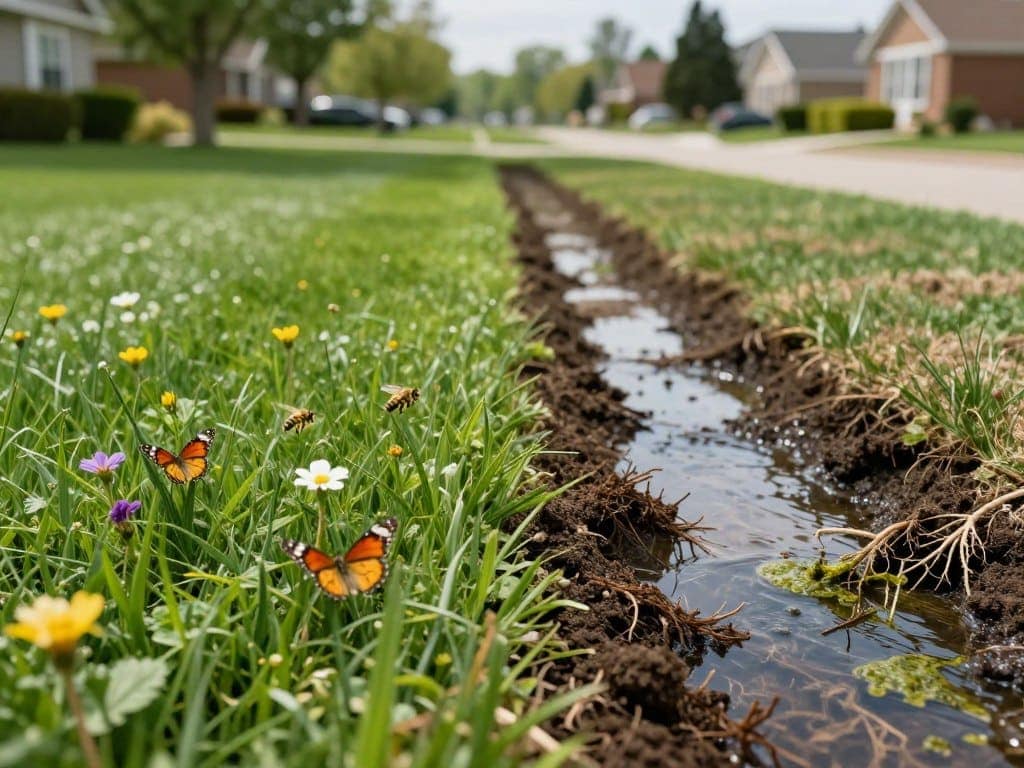
Two primary nutrient pathways exist for feeding your grass, each with unique origins and effects. Knowing what goes into each type helps you predict results.
This choice influences your yard’s future. It goes beyond a simple green color.
Key Differences in Composition
Organic lawn fertilizers come from living sources. Think compost, manure, or plant meals.
Synthetic formulas are made in labs. They contain refined minerals and salts.
A key component like phosphorus is vital. It supports strong root development and new seed establishment.
| Feature | Organic Plant Food | Synthetic Formula |
|---|---|---|
| Source | Natural materials (compost, manure) | Manufactured chemical compounds |
| Nutrient Release | Slow, as materials break down | Fast, immediately available |
| Primary Benefit | Builds soil structure and microbial life | Promotes rapid green-up and growth |
| Soil Effect | Improves long-term health and water retention | Can lead to salt buildup over time |
Environmental Impact and Soil Health Implications
Natural products feed the soil ecosystem. They improve its structure and ability to hold nutrients.
Man-made options give a quick fix. However, they may not support lasting soil vitality.
Your decision affects water quality and local ecology. A healthy lawn starts with healthy ground.
Benefits and Limitations of Organic and Synthetic Options
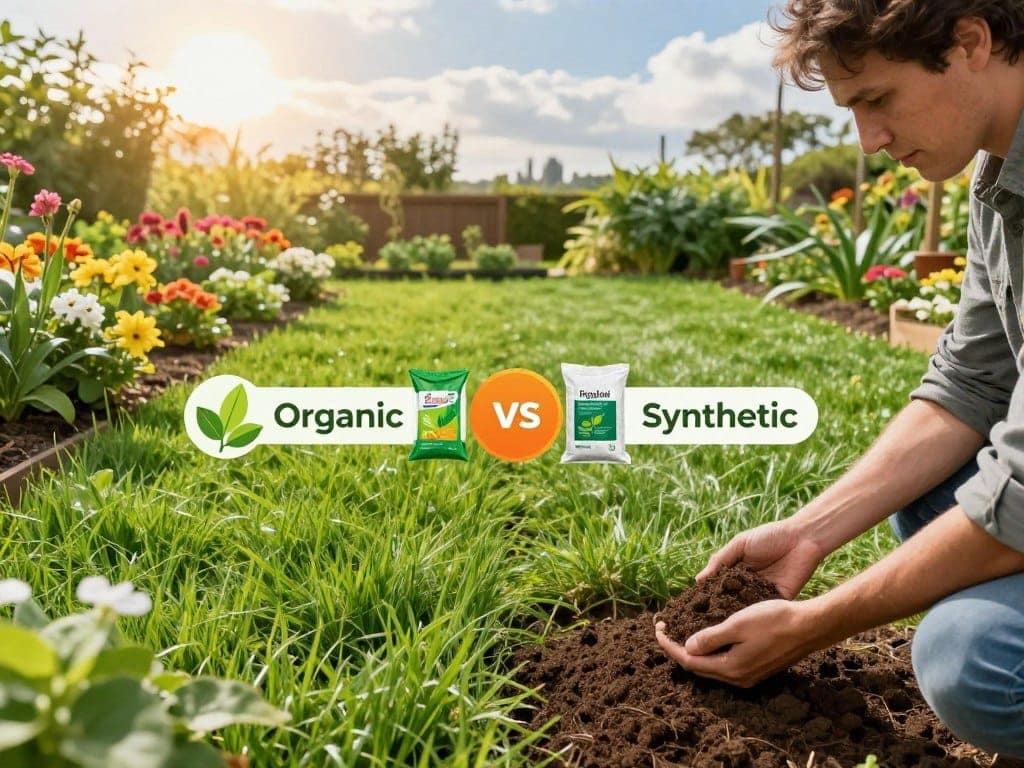
Every lawn care decision carries trade-offs between quick greening and enduring health. Understanding these trade-offs helps you select the right products for your goals.
Each type of plant food offers distinct strengths. It also comes with specific considerations for your yard’s long-term care.
Advantages of Organic Fertilizers
Natural products excel at building soil structure and microbial life. They release nutrients slowly as they break down.
This process improves water retention and creates a resilient foundation for grass. Your investment in organic matter pays off with a healthier lawn over many seasons.
It’s a great choice if your primary goal is to improve the ground itself.
Pros and Challenges with Synthetic Formulas
Man-made options provide predictable, fast-acting results. They are engineered for immediate visual impact and controlled feeding.
Advanced technology in these formulas promotes steady growth without excessive surges. This helps maintain a consistent appearance.
A potential challenge is salt buildup, which can affect soil over time. When you shop, look for high-quality options at a regular price sale.
Understanding these points lets you add the right items to your cart. You can then nurture your seed for a thick, green result.
Application Techniques and Best Practices
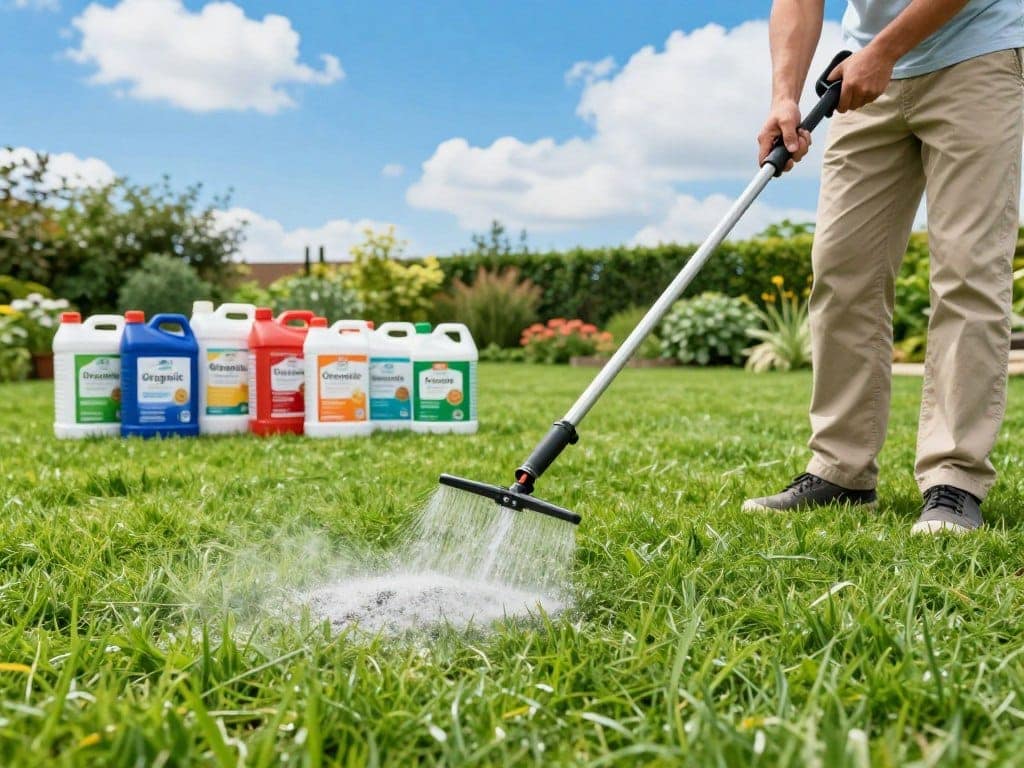
Applying plant food correctly is as crucial as selecting the right type for your soil and grass. The method you choose influences how efficiently nutrients are used and the results you see.
Your technique ensures the products you shop for deliver their full potential. Let’s compare the main delivery systems.
Liquid Application vs. Granular Methods
Liquid formulas work fast. They are absorbed quickly for a visible green-up, often within days.
This makes them ideal for a quick color boost or treating specific issues. However, they require more frequent applications.
Granular options release nutrients slowly. They provide a steady feed over several weeks for consistent growth.
This table highlights the key differences to guide your choice.
| Feature | Liquid Application | Granular Method |
|---|---|---|
| Release Speed | Very Fast (days) | Slow & Steady (weeks) |
| Frequency Needed | More Often | Less Often |
| Best For | Quick green-up, spot treatment | Season-long feeding, foundation |
| Equipment | Sprayer | Spreaders |
| Longevity | Short-term | Long-lasting |
Choose liquid for fast action. Pick granular for sustained, hassle-free nourishment.
Timing, Frequency, and Correct Dosage
Timing matters as much as the product. Feed your grass during its active growth periods for best uptake.
Always follow the label’s dosage instructions. Over-applying nitrogen fertilizer can harm your lawn and waste money.
For a deep green color and strong roots, many experts combine methods. Use liquid iron for a rapid color pop and granular plant food for foundational health.
This strategy supports new seed establishment and overall resilience.
Add the right products to your cart with a plan for how and when to use them.
Nutrient Management: N-P-K and Micronutrients Essentials
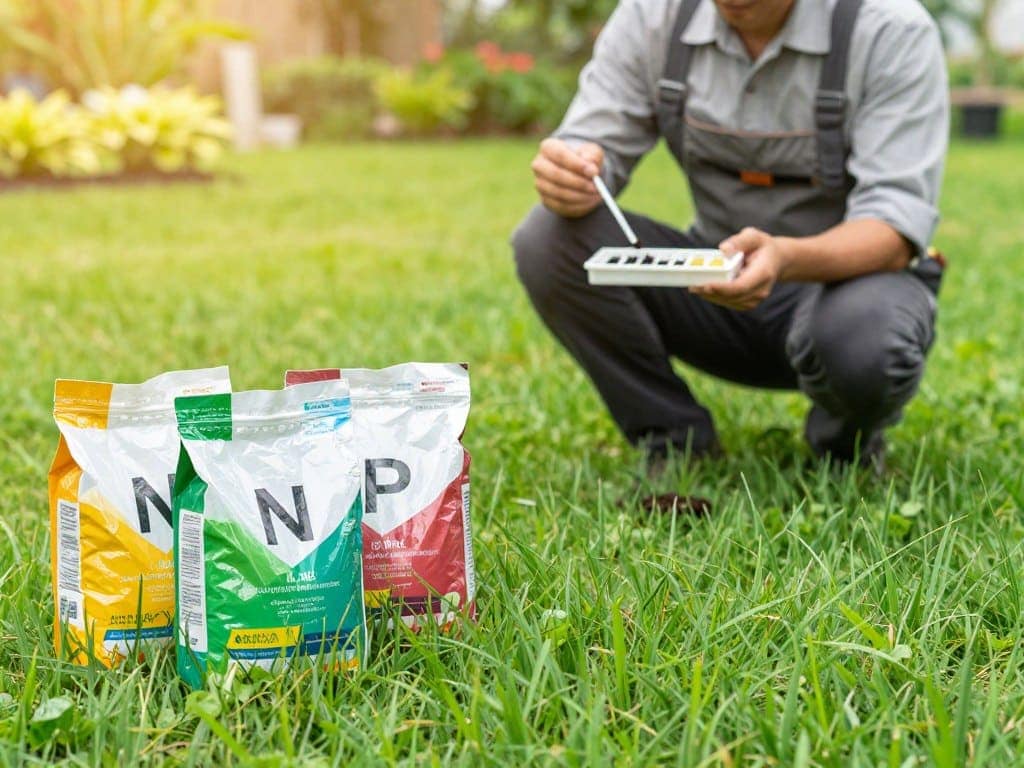
The numbers on a fertilizer bag tell a vital story about what your lawn truly needs to thrive. Effective nutrient management builds strong grass from the soil up.
Role of Nitrogen, Phosphorus, and Potassium
Nitrogen is the engine for green color and vigorous growth. It fuels the lush, dense appearance you desire.
Phosphorus is critical for developing a robust root system. It helps new seed establish itself firmly in the ground.
Potassium strengthens your lawn’s overall health. It improves tolerance to drought, disease, and temperature stress.
| Nutrient | Primary Function | Key Benefit |
|---|---|---|
| Nitrogen (N) | Promotes leaf and stem growth | Rich green color |
| Phosphorus (P) | Stimulates root development | Strong plant foundation |
| Potassium (K) | Regulates overall health | Stress and drought resilience |
A balanced blend, like a 16-4-8 ratio, supplies these nutrients in harmony. This supports steady, healthy growth without excess.
Micronutrients like iron are also essential. Iron deepens green color, especially in grasses like tall fescue, without forcing excessive growth.
When you shop, this knowledge helps you choose the right products. You can add effective granular fertilizer or liquid fertilizers to your cart confidently. This ensures you get the best value at a regular price sale price for your lawn care.
Fertilizer Selection for Different Grass Types and Seasonal Needs
Cool-season and warm-season grasses have opposing needs for optimal health. Your feeding schedule must match their natural growth cycles for the best results.
This approach ensures your lawn gets the right support at the right time. It builds a stronger, more resilient yard.
Strategies for Cool Season Versus Warm Season Grasses
Cool-season types like tall fescue and Kentucky Bluegrass thrive with feedings in early fall and spring. These times support root development and recovery.
Warm-season varieties, including Bermuda and Zoysia, need nutrients in late spring and summer. This fuels their peak growth during heat.
Using the wrong schedule wastes products and stresses your grass. Always tailor your lawn care to its specific type.
Addressing Drought and Stress Resilience
Proper nutrient management directly improves drought tolerance. A well-fed lawn develops deeper roots to access water.
Elements like nitrogen support recovery, while liquid iron enhances green color without forcing weak growth. A slow-release granular fertilizer provides steady nourishment during stress.
You can then find quality lawn care products at a regular price to support your yard’s resilience year-round.
Essential Turf Fertilizer Guidelines for a Lush, Healthy Lawn
A truly resilient lawn is built on a foundation of consistent, informed care practices. These final guidelines will help you select the right products and apply them effectively for lasting results.
Your goal is a vibrant, green space that can handle seasonal challenges. The right plan makes this achievable.
Choosing the Right Formula for Your Lawn Type
Your grass type dictates its nutritional needs. Cool-season and warm-season varieties require different feeding schedules and nutrient blends.
Select a product formulated specifically for your lawn’s growth cycle. Premium sources of nitrogen and iron are key for achieving that deep, vibrant green color without promoting weak, excessive growth.
This tailored approach supports steady development and improves stress tolerance.
Practical Tips for Consistent Lawn Growth and Appearance
Consistency is everything. Establish a regular feeding schedule aligned with your grass’s active growth periods.
This routine, combined with proper watering, is essential for preventing drought stress and disease. It also supports strong seed establishment and overall plant health.
Investing in quality lawn care products provides the best value. You can achieve a professional-grade appearance while finding excellent options at a regular price.
Focus on the right nutrients to protect your yard from environmental stressors. A little strategic care keeps it looking its best all year.
Conclusion
Achieving a vibrant yard that thrives season after season requires a clear strategy based on your grass type and soil. Selecting the right lawn fertilizer is a vital step toward a lush, healthy lawn that can withstand drought and stress.
Understanding the differences between organic and synthetic options allows you to choose products that best support soil health and grass growth. Consistent application of nutrients like nitrogen and iron, tailored to your specific yard, ensures a deep green color all year.
Our guide provides the expert knowledge needed to manage your yard effectively. You can achieve professional results without overspending, finding quality options at a regular price sale. We hope this information empowers you to make the best choices for long-term vitality and beauty.
Don’t forget—maintaining your home goes beyond the lawn. Keep your property protected year-round by scheduling professional gutter cleaning today to prevent water damage and costly repairs.